Crusade Cover Image

Crusade: String Orchestra Conductor Score

$8.00 USD
Sale price  $8.00 USD Regular price 
Skip to product information
Crusade Cover Image

Crusade: String Orchestra Conductor Score

By Vince Gassi

Grade: 2.5

Item: 00-38411S

$8.00
Shipped

One moment…

Description
This exciting original work opens with an ominous theme. It continues to build throughout, culminating in a powerful, climactic ending. Set in Dorian Mode, this piece overflows with vibrant and dramatic energy, conjuring images of strength, majesty, and passion.

Crusade: String Orchestra Conductor Score isn't in MakeMusic Cloud just yet...but it could be. Let us know you'd like to see it, and you'll help shape what comes next. In the meantime, start a free trial and dive into thousands of interactive titles your students can play along with today.

Sample Pages

Sample Audio
No sample audio found.
Sample Video
Additional Details
Series: Belwin Beginning String Orchestra
Publisher: Alfred Music
Page Count: 12
UPC: 038081439570
SKU: 00-38411S

More about this title

About the Composer: Vince Gassi
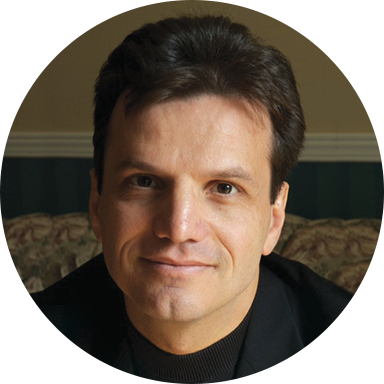
Vince Gassi

Vince Gassi has built a prolific career as a composer and educator with over 100 published works to his name since joining Alfred Music in 2006. His compositions consistently balance accessibility with musical substance, earning recognition on contest and concert programs across North America, Europe, and Japan. He holds a Bachelor of Music from the University of Western Ontario and completed graduate studies in composition and arranging at the Dick Grove School of Music in Los Angeles, followed by a Ph.D. from York University in Toronto.

For more than two decades, Gassi taught instrumental music at the elementary and secondary levels while establishing himself as a sought-after guest conductor, clinician, and adjudicator. His workshops on creative engagement and digital workflows for music directors reflect his commitment to supporting both student musicians and their teachers. His works regularly appear on the Midwest Clinic roster and continue to generate commissions from ensembles worldwide.

Why we love this

Gassi crafts pieces that ignite rehearsal energy without demanding virtuosic technique. The Dorian mode foundation gives this work harmonic color and sophistication that Grade 2.5 orchestras rarely encounter, while the trajectory from ominous opening through building intensity to a satisfying climax teaches ensemble shape and dramatic arc in the most direct way: by playing through it.

What to expect

The piece conjures medieval grandeur and determined forward motion. An unsettling minor sonority opens the door, then swells with orchestral power and passion, creating an arc that feels both cinematic and coherent at a manageable technical level.

Who it's for

Conductors leading beginning string orchestras who want to program work with genuine emotional substance and modern energy. This score belongs in the hands of directors seeking pieces that challenge young musicians musically while remaining secure technically.

How to get the most out of it

  • Shape the ominous opening with deliberate bow control and dynamic clarity; resist the impulse to rush even as tension builds.
  • Balance the vibrancy across all string sections during the buildup, ensuring lower voices anchor the harmonic progression and don't disappear beneath upper melodies.
  • Prepare your ensemble for the dramatic peak by mapping out exactly where maximum volume and intensity occur, then rehearse the final descent if one exists to cement control at both ends of the dynamic spectrum.

How to use it

Program this as a contest or concert centerpiece that showcases your orchestra's growth in dynamic control and ensemble balance. Its dramatic arc makes it an excellent choice for opening a concert or closing a set, and the Dorian mode setting distinguishes it from standard Grade 2 repertoire on the same bill.

Skills your students will build

  • Reading and responding to modal harmony (Dorian mode)
  • Building dynamic intensity across multiple measures
  • Balancing independent melodic lines within the full orchestra
  • Executing clean articulation during tempo-sustained passages
  • Sustaining intonation under shifting harmonic contexts

You May Also Like