Crusade Cover Image

Crusade: Flexible Band/String Ensemble Score

$10.00 USD
Sale price  $10.00 USD Regular price 
Skip to product information
Crusade Cover Image

Crusade: Flexible Band/String Ensemble Score

By Vince Gassi

Grade: 1.5

Item: 00-50892S

$10.00
Shipped

One moment…

Description
Set in the Dorian mode, this ominous work opens with a foreboding theme and develops with vibrant and dramatic energy. It conjures images of strength, majesty, and passion. It continues to build throughout, culminating with a powerful, climactic ending. This FLEX title will add just the right amount of intrigue to your next concert! (2:10)

Percussion Accompaniment Track Downloads:
with click
without click

Crusade: Flexible Band/String Ensemble Score isn't in MakeMusic Cloud just yet...but it could be. Let us know you'd like to see it, and you'll help shape what comes next. In the meantime, start a free trial and dive into thousands of interactive titles your students can play along with today.

Sample Pages

Sample Audio
0:00
0:00
Sample Video
Additional Details
Series: Alfred Debut Series
Publisher: Alfred Music
ISBN10: 1-4706-6648-0
ISBN13: 978-1-4706-6648-4
UPC: 038081585086
SKU: 00-50892S

More about this title

About the Composer: Vince Gassi
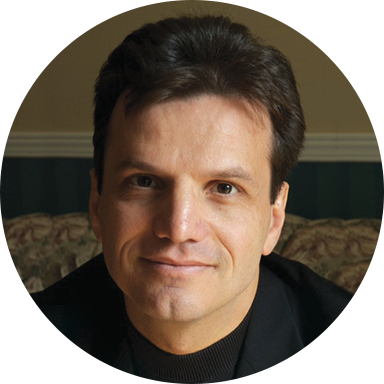
Vince Gassi

Vince Gassi has been composing for Alfred Music since 2006 and brings twenty-five years of classroom experience to his work as a composer and conductor. His output exceeds 100 published titles, many of which have landed on international festival and contest programs. He holds a Bachelor of Music from the University of Western Ontario, studied composition and arranging at the Dick Grove School of Music in Los Angeles, and completed his Ph.D. at York University in Toronto.

Gassi is a frequent clinician and guest conductor across North America, leading workshops on creative engagement and digital workflows for music directors. His pieces have been performed and recorded throughout North America, Europe, and Japan, with regular performances at the prestigious Midwest Clinic in Chicago.

Why we love this

Gassi builds dramatic momentum with restraint, using modal color and orchestration to create tension that feels inevitable rather than contrived. The Dorian mode gives the work a character that sits outside typical major/minor tonality, making it memorable on a concert without sounding experimental or inaccessible. At Grade 1.5, it demands musicality and control from young players while remaining playable for developing ensembles.

What to expect

Dark and purposeful, like watching storm clouds gather on the horizon. The Dorian mode creates an unsettling majesty that builds into something powerful and cathartic by the final cadence.

Who it's for

Young concert bands and string ensembles hungry for repertoire with genuine dramatic arc. The flexible instrumentation means smaller schools or those with unbalanced sections can still field a full, satisfying arrangement.

How to get the most out of it

  • Balance the opening foreboding theme carefully; it should sound deliberate and ominous rather than tentative. The accompaniment track (click available) helps lock the ensemble's forward motion without rushing.
  • Shape the buildup through incremental dynamic growth rather than sudden jumps. Each section should feel like it's been earned by the previous material.
  • Highlight color changes in the harmonization as the piece develops. These are often the most distinctive moments in Gassi's scoring and deserve conductor attention.
  • Use the climactic ending as a reward for the ensemble's control throughout. This isn't the moment to oversell; let the accumulated energy do the work.

How to use it

Open a concert with this to establish a serious tone and draw the audience in immediately. The two-minute-ten-second length makes it an excellent opener that leaves time for lighter fare to follow, or pair it thematically with other works exploring strength and conflict.

Skills your students will build

  • Sustaining tone quality under dynamic growth
  • Playing in Dorian mode and recognizing modal sound characteristics
  • Ensemble balance and blend in block voicings
  • Following a clear formal arc from introduction through climax
  • Responding to conductor gestures for incremental tempo and dynamic control

You May Also Like