'Cross the Wide Missouri Cover Image

'Cross the Wide Missouri: 2-Part Choral Octavo

$2.25 USD
Sale price  $2.25 USD Regular price 
Skip to product information
'Cross the Wide Missouri Cover Image

'Cross the Wide Missouri: 2-Part Choral Octavo

Shenandoah / The Water Is Wide

Arranged by Don Besig and Nancy Price

Item: 00-4755

makemusic Cloud badge

Need it now?

Buy Digital Version
$2.25
Shipped

One moment…

Description
What a wonderful pairing of two best-loved folk songs: "Shenandoah" and "The Water is Wide." The fluid vocal lines will develop your choir's tone and control. Add the flowing piano accompaniment and the optional flute obbligato, and the result is a choral masterpiece from Don Besig and Nancy Price.

Don't just read it, hear it, play along with it, and watch your students grow with it. In MakeMusic Cloud, 'Cross the Wide Missouri: 2-Part Choral Octavo comes alive with professional accompaniment, adjustable tempo, and built-in practice tools that turn solo practice into real progress.

Sample Pages

Sample Audio
0:00
0:00
Sample Video
Additional Details
Series: Alfred Archive Edition: Alfred Choral Designs
Publisher: Alfred Music
Page Count: 12
UPC: 038081004600
SKU: 00-4755
Instrumentation: Opt. Flute

More about this title

About the Composer: Don Besig
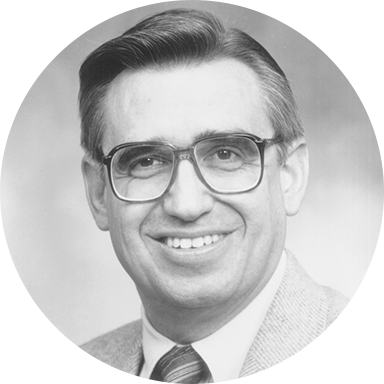
Don Besig

Don Besig spent 31 years directing public school music programs in western New York, building award-winning concert choirs and show choirs that performed regularly at clinics, contests, and community venues. His experience spans all age levels and ability ranges, from elementary through adult singers. He currently serves as director of music at Perinton Presbyterian Church in Fairport, NY.

Besig began composing out of practical necessity: he needed repertoire that fit the voices and schedules of student singers and volunteer church choirs. Over 350 of his original works and arrangements have been published by major school and church music publishers, with more than 15 million copies in circulation. He has received multiple ASCAP Special Awards and served as guest conductor, clinician, and adjudicator in 40 states and Canada. A graduate of Ithaca College, he holds membership in Phi Mu Alpha, ACDA, MENC, NYSSMA, and ASCAP.

Why we love this

Besig and Price have found a genuine musical kinship between two American folk standards, letting each song's character breathe while creating something unified rather than merely paired. The 2-part voicing sits naturally for developing choirs without sacrificing textural interest, and the optional flute obbligato gives your ensemble a graceful option to adjust difficulty on short notice. This is the kind of piece that sounds more sophisticated than it is to learn, which means your singers stay engaged while you build their musicianship.

What to expect

The arrangement floats with a quiet dignity, anchored by the flowing piano accompaniment and the way the two vocal lines breathe together. The piece carries the timeless quality of folk music while feeling fresh through Besig and Price's unclouded orchestration. There's a meditative quality here, one that invites singers to listen to their own tone and control.

Who it's for

This octavo serves choirs that have moved past unison singing and are developing ensemble blend and independence in two parts. It works well for middle school through community adult choirs, or as a contest or festival selection for groups seeking accessible yet musically substantial repertoire. The optional flute part makes it adaptable if your ensemble includes interested wind players.

How to get the most out of it

  • Shape the vocal lines as if they're instrumental in their flow; the accompaniment should support rather than interrupt the legato quality that defines both melodies.
  • If using the flute obbligato, seat that player where they can see the choir without conducting them separately; their lines should enhance the vocal texture, not compete with it.
  • Let the piano support establish the piece's character in the opening measures. Directors often rush folk songs, but this arrangement asks for patience and space around the phrases.
  • Work the blend between the two parts early, particularly in the sections where they move together. Even a 2-part texture can sound muddled if the singers aren't listening across the choir.

How to use it

This pairs naturally with other American folk repertoire or spirituals, making it a strong choice for a concert featuring roots music and arranged standards. Its gentle character and moderate length (12 pages) work well as a warmth-building piece early in a concert or as a poised closing number. Festival and contest directors appreciate how it demonstrates a choir's musicality and attention to detail without requiring virtuosic stamina.

Skills your students will build

  • Part independence in 2-part texture
  • Vocal blend and balance between sections
  • Sustained legato phrasing across longer lines
  • Following a piano accompaniment without rhythmic independence from it
  • Dynamic control and shaping within folk idiom

You May Also Like
