Concerto in C Major Cover Image

Concerto in C Major: String Orchestra Conductor Score & Parts

$55.00 USD
Sale price  $55.00 USD Regular price 
Skip to product information
Concerto in C Major Cover Image

Concerto in C Major: String Orchestra Conductor Score & Parts

Arranged by Robert D. McCashin

Grade: 3.5

Item: 98-ST6271

Need it now?

Buy Digital Version
$55.00
Shipped

One moment…

Description
Originally written as a concerto for four violins, this superb arrangement highlights various themes from the original concerto. Presented in three movements (Allegro, Largo and Allegro molto), the work showcases the musical genius of Telemann in an authentic and accessible arrangement for string orchestra. A wonderful classical addition to your concert program!

Concerto in C Major: String Orchestra Conductor Score & Parts isn't in MakeMusic Cloud just yet...but it could be. Let us know you'd like to see it, and you'll help shape what comes next. In the meantime, start a free trial and dive into thousands of interactive titles your students can play along with today.

Sample Pages

Sample Audio
0:00
0:00
Sample Video
Additional Details
Series: FJH String Orchestra
Publisher: The FJH Music Company, Inc.
UPC: 674398229659
SKU: 98-ST6271

More about this title

About the Arranger: Robert D. McCashin
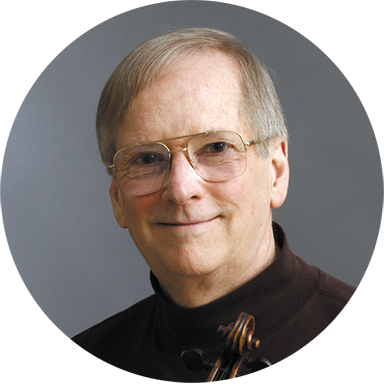
Robert D. McCashin

Robert D. McCashin holds a Doctor of Musical Arts in conducting from the University of Arizona and earned both Bachelor and Master degrees in violin performance from Louisiana State University. He served as Professor Emeritus and former Director of Orchestras at James Madison University, where he spent 43 years teaching conducting, orchestral studies, and applied strings at the university level. During his tenure at JMU from 1992 through 2016, he directed the Symphony, Chamber Orchestra, and Opera Orchestras while teaching the full orchestral conducting curriculum. He received JMU's Distinguished Teacher Award for the College of Visual and Performing Arts in 2015.

Before joining JMU, McCashin held faculty positions at the University of Texas at Arlington and Texas Wesleyan University, where he also founded the Arlington Youth Symphony and conducted regional orchestras including the Trinity Symphony and the Arlington Opera Association. As a violinist and composer-arranger, he has published nearly 80 educational works spanning Grades 1-5, many of which have earned bestseller and Editors' Choice recognition. He is co-author of the widely used string class methods New Directions for Strings and A Scale in Time.

Why we love this

McCashin's hand with Telemann yields an arrangement that captures the elegance of the original four-violin concerto while distributing the musical material across the full string orchestra in ways that illuminate rather than obscure the counterpoint. The three-movement structure unfolds naturally at Grade 3.5 without awkward technical demands, giving intermediate students genuine masterwork repertoire that doesn't sound simplified. This is the kind of arrangement that reads like it was composed for strings from the start.

What to expect

The concerto radiates the grace and balance of the Baroque-Classical transition, with the Allegro movements offering spirited melodic writing and clear harmonic structure. The Largo invites students to inhabit a world of sustained lyricism and understated emotional depth, where careful listening and bow work become the primary musical vocabulary.

Who it's for

String orchestras at the Grade 3.5 level benefit most from this work, particularly groups seeking substantive classical literature that sits comfortably within their technical range. It suits both full school orchestras and chamber string ensembles, and works equally well for groups preparing for festival or concert performance.

How to get the most out of it

  • Balance the melodic line between first and second violins in the Allegro; McCashin's voicing rewards clarity between the upper two parts even as the violas and cellos provide harmonic support.
  • Shape the Largo with sustained tone and careful attention to phrase breathing; the slower tempo allows students to refine bow control and dynamic nuance.
  • Maintain rhythmic precision in the final Allegro molto without sacrificing the Classical elegance of the material; tempo consistency across the full ensemble is essential.

How to use it

This arrangement serves beautifully as a bridge between Baroque and Classical repertoire in a thematic concert, or as a centerpiece of a string ensemble showcase. Its moderate length and three-movement design work equally well as a standalone feature or as part of a program mixing classical masterworks with contemporary pieces.

Skills your students will build

  • Reading and performing Baroque-Classical melodic lines with appropriate phrasing
  • Balancing melody and accompaniment across string choir sections
  • Sustaining tone quality and intonation in longer note values
  • Ensemble synchronization across three distinct movements with varying tempos
  • Interpreting dynamic contrast and articulation within a classical aesthetic

You May Also Like