Concerto in C Major Cover Image

Concerto in C Major: String Orchestra Conductor Score

$5.00 USD
Sale price  $5.00 USD Regular price 
Skip to product information
Concerto in C Major Cover Image

Concerto in C Major: String Orchestra Conductor Score

Arranged by Robert D. McCashin

Grade: 3.5

Item: 98-ST6271S

$5.00
Shipped

One moment…

Description
Originally written as a concerto for four violins, this superb arrangement highlights various themes from the original concerto. Presented in three movements (Allegro, Largo and Allegro molto), the work showcases the musical genius of Telemann in an authentic and accessible arrangement for string orchestra. A wonderful classical addition to your concert program!

Concerto in C Major: String Orchestra Conductor Score isn't in MakeMusic Cloud just yet...but it could be. Let us know you'd like to see it, and you'll help shape what comes next. In the meantime, start a free trial and dive into thousands of interactive titles your students can play along with today.

Sample Pages

Sample Audio
No sample audio found.
Sample Video
Additional Details
Series: FJH String Orchestra
Publisher: The FJH Music Company, Inc.
UPC: 241444566770
SKU: 98-ST6271S

More about this title

About the Arranger: Robert D. McCashin
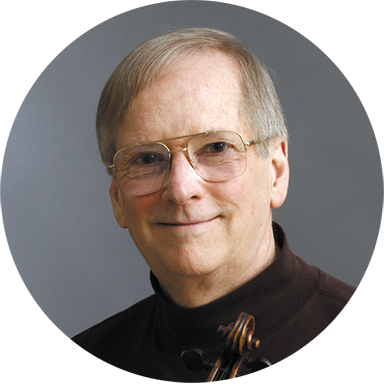
Robert D. McCashin

Robert D. McCashin holds a Doctor of Musical Arts in conducting from the University of Arizona and earned both bachelor and master degrees in violin performance from Louisiana State University. He served as Professor Emeritus and former Director of Orchestras at James Madison University, where he spent 43 years conducting and teaching applied strings at the college level. From 1992 through 2016, he led the JMU Symphony, Chamber Orchestra, and Opera Orchestras while teaching orchestral conducting across the university's master's and doctoral programs.

McCashin's work as a composer and arranger has produced nearly 80 educational publications across grades 1 through 5, many of which have become bestsellers and Editors' Choice selections. Before his tenure at James Madison, he taught at the University of Texas at Arlington and Texas Wesleyan University, where he also founded the Arlington Youth Symphony and served as conductor for regional orchestras. A accomplished violinist, he has performed with the Fort Worth Symphony, Fort Worth Opera Orchestra, and numerous chamber ensembles throughout his career.

Why we love this

McCashin's arrangement captures the elegance of Telemann's original four-violin concerto while distributing the musical lines intelligently across a full string orchestra, creating an engaging work that maintains both authentic character and pedagogical accessibility. At Grade 3.5, it sits at the sweet spot where young orchestras can tackle genuine classical repertoire without oversimplification, and the three-movement structure offers variety that keeps players and audiences engaged. This is the kind of arrangement that reminds students why classical music matters, not because it's "important," but because it's genuinely rewarding to play.

What to expect

Telemann's music radiates clarity and grace, with elegant melodic lines that dance across the strings in conversational exchanges. The three-movement progression moves from bright, articulate brilliance to intimate lyricism, then returns to spirited motion, creating a satisfying emotional arc that feels both accessible and genuinely expressive.

Who it's for

String orchestras at the intermediate to early-advanced level who are ready to explore the classical concerto tradition without requiring simplified arrangements. Directors seeking substantive repertoire that strengthens musicianship while maintaining student engagement will find this work particularly valuable.

How to get the most out of it

  • Establish clear phrase architecture in the Allegro opening by shaping the violin I line with subtle dynamic contours; McCashin's voicing often highlights one melodic strand, so let that line breathe rather than drowning it in accompaniment texture.
  • Balance the Largo requires patient intonation work in the lower strings, particularly where they sustain harmonies beneath the upper voice solos. Sectional rehearsals with careful tuning to a drone make a substantial difference.
  • Shape the final Allegro molto with rhythmic precision and vertical alignment; the faster tempo and lighter character can blur if entries aren't clean, especially where themes pass between sections.

How to use it

Use this as a centerpiece for a classical-era concert or as a pairing alongside other string works from the baroque and early classical periods. Its moderate length and Grade 3.5 difficulty make it an ideal choice for demonstrating orchestral maturity at spring concerts or as a confidence-building piece early in the rehearsal season.

Skills your students will build

  • Baroque phrasing and articulation within a classical arrangement
  • Balancing melodic interest across multiple string sections
  • Sustaining intonation in slower movements with harmonic support roles
  • Coordination of thematic material across ensemble sections in multi-movement works
  • Understanding of orchestral textures and voice leading in baroque-style writing

You May Also Like