Clog Dance Cover Image

Clog Dance: String Orchestra Conductor Score

$7.00 USD
Sale price  $7.00 USD Regular price 
Skip to product information
Clog Dance Cover Image

Clog Dance: String Orchestra Conductor Score

By Loreta Fin

Grade: 1-1.5

Item: 76-30145S

$7.00
Shipped

One moment…

Description
In rondo form and requires the players to control the bow retakes without bouncing. The bow should be placed back on the string before the next phrase has begun. The smaller the rest, the closer the lift needs to be to the string.

Clog Dance: String Orchestra Conductor Score isn't in MakeMusic Cloud just yet...but it could be. Let us know you'd like to see it, and you'll help shape what comes next. In the meantime, start a free trial and dive into thousands of interactive titles your students can play along with today.

Sample Pages

Sample Audio
No sample audio found.
Sample Video
Additional Details
Series: Wilfin String Orchestra: Young String Ensemble Series
Publisher: Wilfin Music
Page Count: 8
UPC: 038081326689
SKU: 76-30145S

More about this title

About the Composer: Loreta Fin
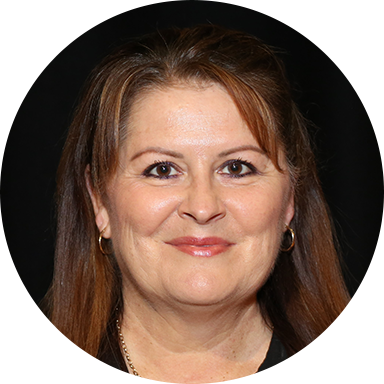
Loreta Fin

Loreta Fin studied viola and violin at the Sydney Conservatorium of Music and performed as first violinist with the Sydney Youth Orchestra before establishing a career as a chamber and orchestral musician. She has served as Principal Viola player with the Queensland Pops Orchestra for over 25 years and held the position of Director of Strings at Somerville House School in Brisbane since 1993.

Fin has shaped string education across Australia through adjudication at major competitions, presentations at national conferences, and extensive service to the Australian Strings Association as both State and National President. Her compositional output exceeds 100 works for string orchestra, many published internationally by Alfred Music. She has also conducted state and national honours ensembles programs and was recognized with a National Award for Services to Music and String Teaching in Australia.

Why we love this

Fin designs this piece to address a specific technical challenge: young string players must learn the discipline of controlled bow retakes without the bounce that comes naturally at this level. The rondo form keeps the form clear and memorable while the physical demands of the bow work remain in focus throughout, making this an efficient teaching tool that doesn't sacrifice musical interest.

What to expect

Clog Dance carries the infectious energy of its name, with the spirited rhythmic character of traditional dance music. The rondo structure creates a satisfying balance between familiar passages and fresh sections, all performed with the crisp, controlled bow articulation that makes young strings sound mature and intentional.

Who it's for

Beginning string orchestras and young string ensembles ready to refine bow control beyond basic on-and-off-string technique. This score is essential for conductors teaching Grade 1 to 1.5 players who need structured work on the mechanics of quick bow retakes without rebound.

How to get the most out of it

  • Emphasize the placement of the bow back on the string before the next phrase begins; this prevents the rebound that occurs when players lift too late or too high.
  • During rehearsal, have students practice the shorter rests separately from the melody, focusing on how closely the bow lift happens to the string surface.
  • Use the repetition of the rondo form to reinforce the bow technique; the familiar sections give students' minds room to concentrate on physical control rather than note-reading.
  • Conduct with clear, visible releases that show exactly when the bow should return to the string, not just when it should leave.

How to use it

Slot this into a concert where you want to showcase your ensemble's technical progress without overwhelming the audience with difficulty. The piece fits naturally alongside other early-level folk-inspired repertoire or as a standalone demonstration that beginning players can achieve polished, professional bow technique.

Skills your students will build

  • Controlled bow retakes without bounce
  • Precise bow placement and lift timing
  • Adapting bow lift distance to rest length
  • Reading rondo form and recognizing repeated sections

You May Also Like