

Christmas Hornpipe: SAB Choral Octavo
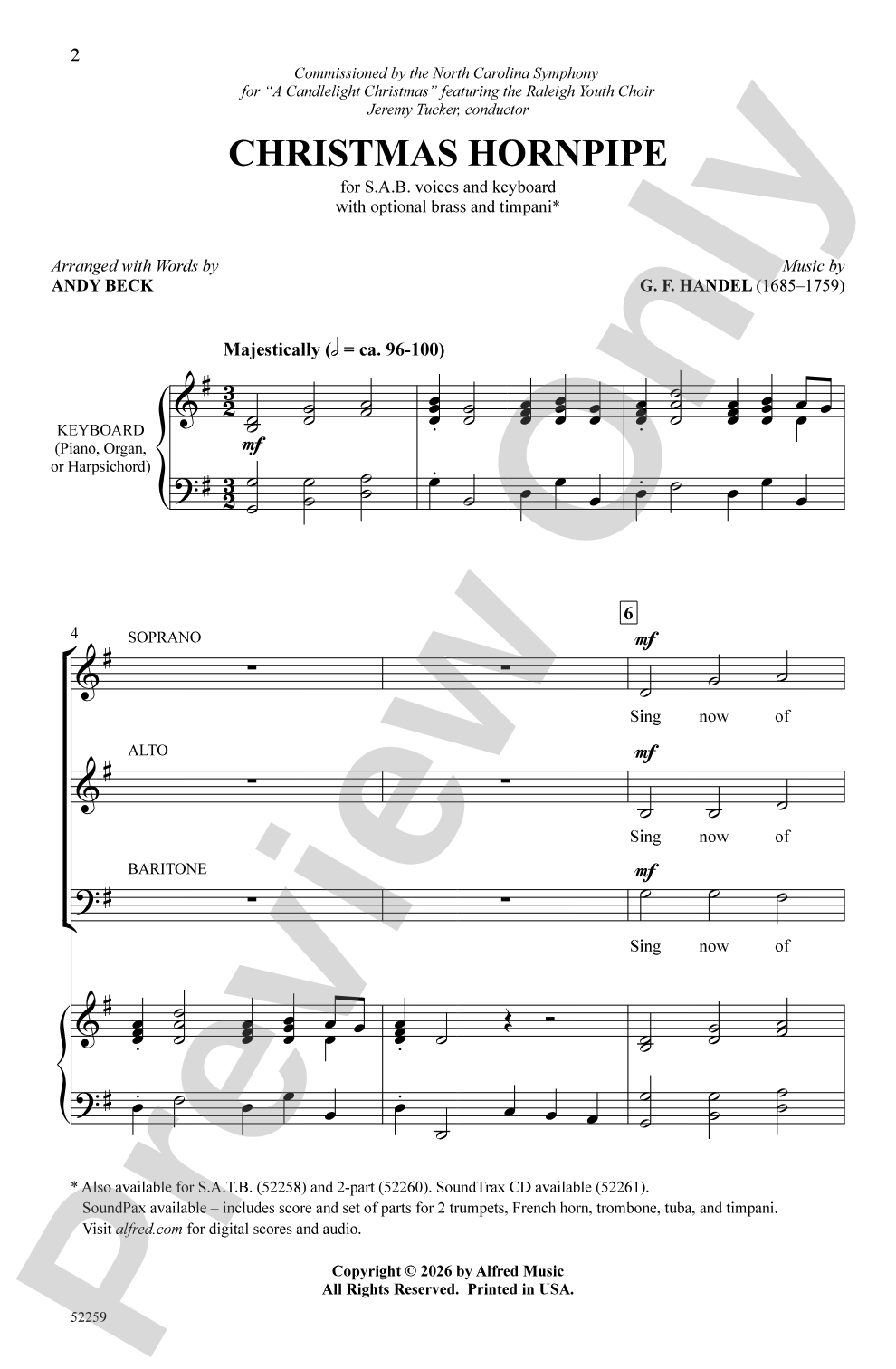
Music by G. F. Handel / arr., with words, by Andy Beck
Item: 00-PO-0007846
$2.50
Minimum order quantity: 20 copies
Pickup currently not available
Related Items
Christmas Hornpipe: SATB Choral Octavo |
$2.50
|
View | |
Christmas Hornpipe: 2-Part Choral Octavo |
$2.50
|
View | |
Christmas Hornpipe: Choral SoundPax Digital Download |
$30.00
|
View | |
Christmas Hornpipe: SATB Choral Octavo |
$2.50
|
View | |
Christmas Hornpipe: SAB Choral Octavo |
$2.50
|
View | |
Christmas Hornpipe: 2-Part Choral Octavo |
$2.50
|
View | |
Christmas Hornpipe: Choral Octavo SoundTrax CD |
$29.99
|
View |
Description
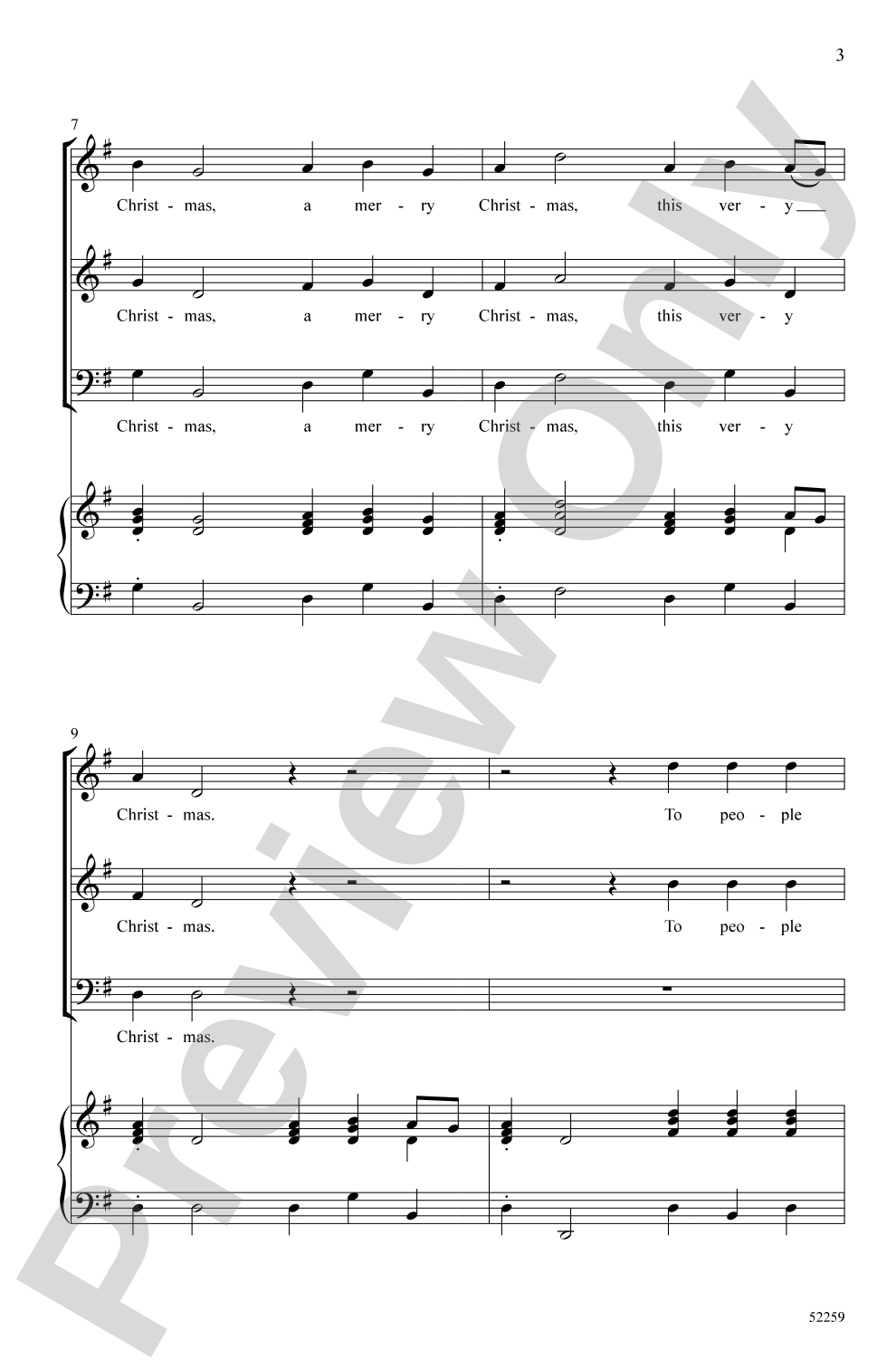
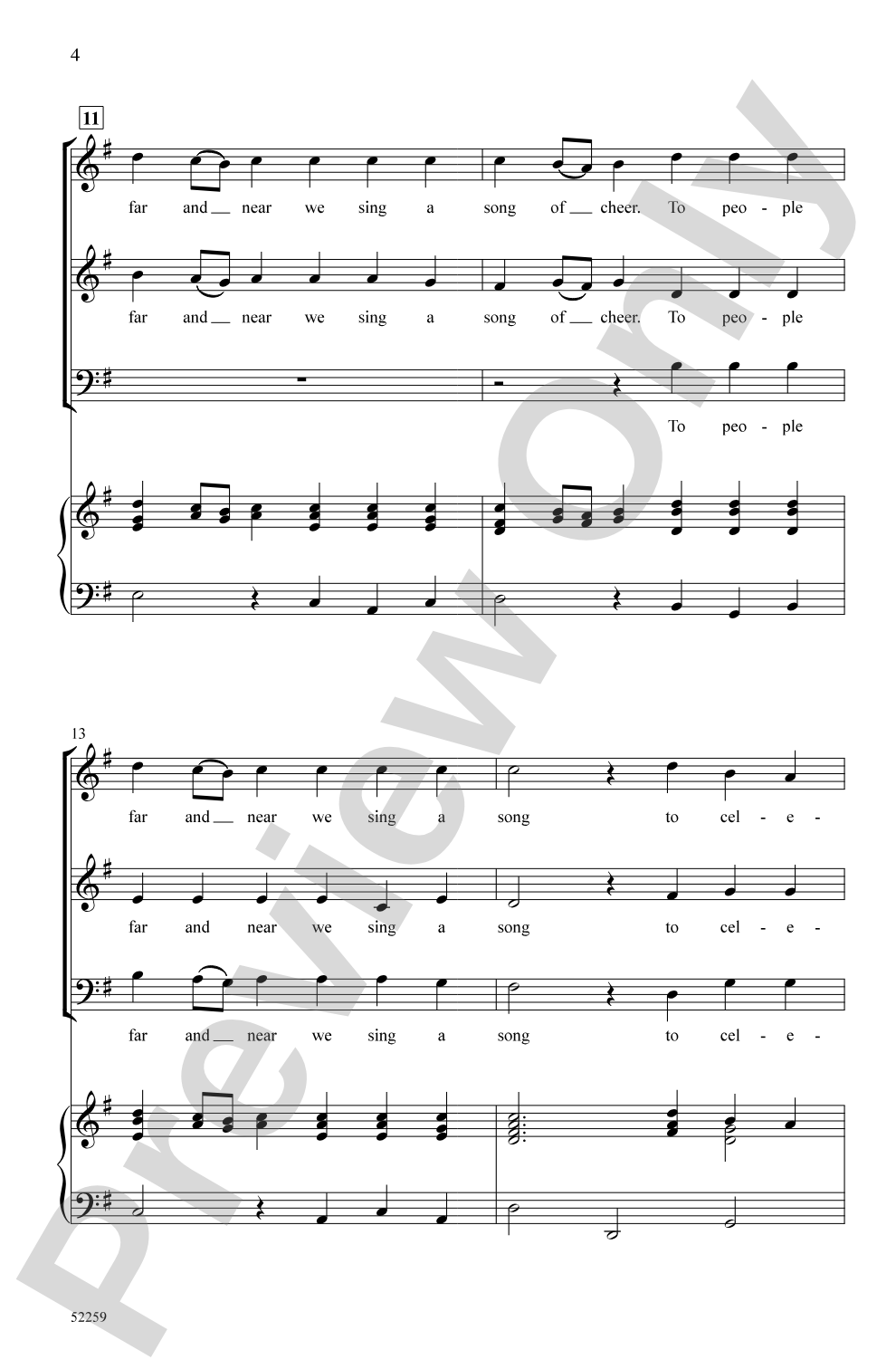
Handel's famous "Water Music" becomes a spirited holiday fanfare with the addition of a celebratory Christmas text. Buoyant vocal parts, traditional choral writing, and the jaunty hornpipe feel are a natural fit for the season and bring a touch of class to every performance. The flexible form invites you to sing just once through, or use the optional keyboard interlude as a Baroque-style transition before a joyful recapitulation. Elevate the majestic flair with festive brass and timpani (SoundPax sold separately).


Christmas Hornpipe: SAB Choral Octavo isn't in MakeMusic Cloud just yet...but it could be. Let us know you'd like to see it, and you'll help shape what comes next. In the meantime, start a free trial and dive into thousands of interactive titles your students can play along with today.
Request This Title
Tell us you want it.
Start Your Free Trial
Explore everything that's ready to play right now.
Sample Audio
1
Audio File
--:--
0:00
0:00
Sample Video
Additional Details
Series:
Alfred Choral Designs
Publisher:
Alfred Music
Page Count:
12
SKU:
00-PO-0007846
More about this title
About the Composer: Georg Friedrich Handel
Handel (1685, 1759) mastered virtually every musical form of the Baroque era, from operas and oratorios to instrumental concertos and dances. His gift for melody and structural clarity made his work accessible to aristocrats and commoners alike, and those same qualities have kept his music vital in education for centuries. The "Water Music" hornpipes exemplify his knack for writing spirited, memorable material that feels both sophisticated and immediately engaging.
Why we love this
This arrangement captures the infectious energy of Handel's hornpipe while adding festive text that feels earned rather than forced. The optional keyboard interlude gives you real structural flexibility; you can shape the performance to fit your needs, whether that means a brisk single statement or a more leisurely paced journey with the return. Pairing it with the available brass and timpani parts elevates the whole presentation into something genuinely ceremonial.
What to expect
A festive procession infused with Baroque elegance and rhythmic bounce. The hornpipe rhythm gives everything a dance-like quality that feels celebratory without being cutesy, while the SAB voicing sits comfortably for mixed ensembles. There is real joy in the piece, grounded in Handel's gift for clear melodic writing and harmonic direction.
Who it's for
Choral directors seeking a sophisticated yet spirited holiday selection that appeals to both singers and audiences. This works for community choirs, school choirs at the intermediate level and beyond, and church programs looking for something with genuine musical substance rather than novelty.
How to get the most out of it
- Keep the rhythmic drive consistent through the hornpipe figure; the jaunty character depends on steady forward motion rather than rubato or hesitation.
- Balance the three vocal lines so the melody sings out without drowning the supporting parts; this arrangement rewards clear part independence.
- If using the optional keyboard interlude and brass parts, rehearse the transition carefully so the ensemble knows exactly when and how you'll move into the recapitulation.
- Shape the piece to your concert context: the single-pass option works beautifully for a shorter program slot, while the full form with interlude and return suits a more elaborate holiday presentation.
How to use it
Position this as a concert opener or early-program moment that establishes an uplifted tone for your holiday performance. It pairs naturally with both baroque sacred works and contemporary holiday selections, and the optional instrumental parts make it flexible enough to serve as either a standalone feature or part of a longer seasonal suite.
Skills your students will build
- Rhythmic accuracy in the hornpipe figure and maintaining its characteristic bounce
- Part independence in three-part writing
- Coordination between voices and optional keyboard and brass accompaniment
- Flexible interpretation of optional structural repeats and transitions