Chicks Dig It Cover Image

Chicks Dig It: Jazz Ensemble Conductor Score

$11.00 USD
Sale price  $11.00 USD Regular price 
Skip to product information
Chicks Dig It Cover Image

Chicks Dig It: Jazz Ensemble Conductor Score

By Kris Berg

Grade: 3.5 (Medium)

Item: 00-43736S

$11.00
Shipped

One moment…

Description
With the chicken-flavored title, this Kris Berg chart is just plain funky. The laid-back tempo is around 100 BPM, there is a suggested written tenor solo, and some slap bass licks on the hip bass part. The lead trumpet range for "Chicks Dig It" is to written B above the staff. Optional flute and vibes too! (6:05)

Chicks Dig It: Jazz Ensemble Conductor Score isn't in MakeMusic Cloud just yet...but it could be. Let us know you'd like to see it, and you'll help shape what comes next. In the meantime, start a free trial and dive into thousands of interactive titles your students can play along with today.

Sample Pages

Sample Audio
No sample audio found.
Sample Video
Additional Details
Series: Jazz Band Series
Publisher: Alfred Music
Page Count: 20
UPC: 038081502946
SKU: 00-43736S

More about this title

About the Composer: Kris Berg
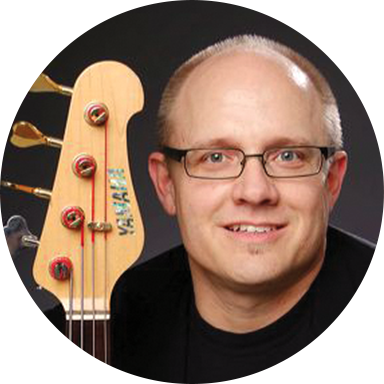
Kris Berg

Kris Berg directs the jazz program at Collin County Community College in Texas and holds degrees in jazz studies from the University of North Texas. His charts have circulated globally through performances and recordings; he publishes regularly with Belwin Jazz and authored the widely-used pedagogical text Bass Lines in Minutes.

Berg founded both the Collin Jazz Fest and the Texas All-Star Jazz Camp, bringing the Collin County ensembles to multiple invitations at the Montreux Jazz Festival. He maintains an active clinician schedule with Yamaha Corporation and has performed alongside musicians including Kurt Elling, Randy Brecker, Peter Erskine, and Clark Terry.

Why we love this

Berg writes with a clear sense of what works in a jazz ensemble setting. The laid-back funk groove and accessible Grade 3.5 voicings make this immediately playable while the optional tenor solo, flute, and vibes create natural ways to feature different sections and rotate soloists through your rehearsals.

What to expect

Relaxed and hip, with a groovy backbone that locks the rhythm section and lets the front line float comfortably over the pocket. The optional colors (flute, vibes) add dimension without complication, and the suggested tenor solo invitation gives the tune a conversational quality that keeps players engaged.

Who it's for

Conductors leading mid-level jazz ensembles who want a straightforward, energetic funk chart that plays well without requiring advanced harmonic or rhythmic sophistication. The piece works equally well for a young big band still building fundamentals or a community college ensemble looking for fresh repertoire with solo opportunities.

How to get the most out of it

  • Lock the feel at 100 BPM during early rehearsals by having the rhythm section count the tune for 8 bars before the band enters; this prevents the groove from drifting as players adjust to the funk pocket.
  • Balance the slap bass licks with the ensemble by asking the bass player to clearly articulate the slaps without overwhelming the front line during head statements.
  • Feature your tenor soloist by having the rhythm section drop into a vamp during the solo section; this creates air for the improviser and keeps the band engaged while listening.
  • If using the flute option, ensure the flute player knows whether they're doubling the lead trumpet or taking an independent counterline, settled before rehearsals begin.

How to use it

Program this at a winter concert or spring jazz showcase where you want to show your ensemble's command of straight-ahead funk grooves. The six-minute duration sits perfectly in the middle of a set, and the accessibility of the chart means rehearsal time stays focused on feel and phrasing rather than note-reading problems.

Skills your students will build

  • Maintaining a steady jazz funk groove at quarter note = 100 BPM
  • Reading and executing slap bass figures in a jazz context
  • Trading solos and managing ensemble texture during a featured improvisation
  • Playing optional parts flexibly (choosing whether to use flute, vibes, or both)
  • Balancing lead trumpet register up to written B with ensemble sonority

You May Also Like