Chicks Dig It Cover Image

Chicks Dig It: Jazz Ensemble Conductor Score & Parts

$52.00 USD
Sale price  $52.00 USD Regular price 
Skip to product information
Chicks Dig It Cover Image

Chicks Dig It: Jazz Ensemble Conductor Score & Parts

By Kris Berg

Grade: 3.5 (Medium)

Item: 00-43736

makemusic Cloud badge

Need it now?

Buy Digital Version
$52.00
Shipped

One moment…

Description
With the chicken-flavored title, this Kris Berg chart is just plain funky. The laid-back tempo is around 100 BPM, there is a suggested written tenor solo, and some slap bass licks on the hip bass part. The lead trumpet range for "Chicks Dig It" is to written B above the staff. Optional flute and vibes too! (6:05)

Don't just read it, hear it, play along with it, and watch your students grow with it. In MakeMusic Cloud, Chicks Dig It: Jazz Ensemble Conductor Score & Parts comes alive with professional accompaniment, adjustable tempo, and built-in practice tools that turn solo practice into real progress.

Sample Pages

Sample Audio
0:00
0:00
Sample Video
Additional Details
Series: Jazz Band Series
Publisher: Alfred Music
Page Count: 90
UPC: 038081502939
SKU: 00-43736

More about this title

About the Composer: Kris Berg
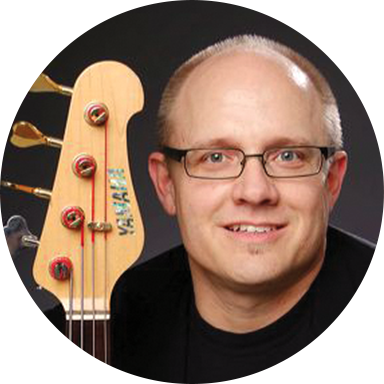
Kris Berg

Kris Berg directs the jazz studies program at Collin County Community College in Texas, where he earned both his bachelor's and master's degrees in jazz studies from the University of North Texas. His ensembles have received multiple invitations to perform at the Montreux Jazz Festival, and he founded both the Collin Jazz Fest and the Texas All-Star Jazz Camp.

Berg is a prolific arranger and composer whose charts circulate among jazz ensembles worldwide. He publishes with Belwin Jazz (Alfred Publishing) and has authored Bass Lines in Minutes, a widely adopted resource for jazz bassists. Active as a clinician and artist for Yamaha Corporation of America, he has performed alongside Kurt Elling, Randy Brecker, Peter Erskine, Bob Mintzer, and many other jazz leaders.

Why we love this

Berg understands what makes a jazz chart stick: solid groove, accessible solos, and clear voice leading that your students can actually execute. The funky premise matches the actual musicality, so the novelty title isn't just a gimmick. This is the kind of chart that gets students genuinely excited about jazz band while building real skills.

What to expect

Laid-back and undeniably funky, with a groove that sits right in the pocket at a manageable tempo. The energy builds through the solos and ensemble sections without ever feeling rushed, and the optional instrumentation lets you shade the texture depending on what your ensemble needs to hear.

Who it's for

Jazz ensemble directors working at the intermediate to early advanced level who want their students to play something genuinely groovy without overwhelming them technically. This score and parts set works for groups with strong rhythm sections and at least one confident tenor saxophonist and lead trumpet player.

How to get the most out of it

  • Lock the bass and drums into that 100 BPM pocket first. The slap bass licks only pop when the groove underneath is rock solid.
  • Give the tenor soloist space to interpret. This chart invites playing, not just reading, so brief them on the style and let them own it.
  • Balance the optional flute and vibes carefully. They add color and sophistication, but your core voicings are complete without them.
  • Push the lead trumpet player on articulation and attack around the upper register. Writing that high (to B above the staff) demands crisp tonguing to sit cleanly on top of the section.

How to use it

Program this as a crowd-pleaser on a concert showcasing your ensemble's blues and funk repertoire, or use it mid-season when your students need a morale boost and a break from reading heavier charts. The accessible level and strong groove make it ideal for recruiting younger players to jazz band as well.

Skills your students will build

  • Reading and interpreting jazz articulation and phrasing at the ensemble level
  • Soloing over changes in a straightforward blues-based context
  • Laying back on the beat and maintaining pocket in a funky groove
  • Balancing upper-register trumpet writing with section blend
  • Integrating optional instrumentation into a core arrangement

You May Also Like
