Century One Tusonic Cover Image

Century One Tusonic: String Orchestra Conductor Score & Parts

$60.00 USD
Sale price  $60.00 USD Regular price 
Skip to product information
Century One Tusonic Cover Image

Century One Tusonic: String Orchestra Conductor Score & Parts

By Richard Meyer

Grade: 4

Item: 00-48091

makemusic Cloud badge

Need it now?

Buy Digital Version
$60.00
Shipped

One moment…

Description
Century One Tusonic by Richard Meyer will take your students on an amazing journey. This celebratory and futuristic-sounding overture is the perfect opener or closer for any concert. Tuneful, energetic, and highly emotional, the piece presents a sonic kaleidoscope of playing styles that will challenge every section of the advanced string orchestra. The unexpected harmonies and exotic rhythms give this selection a cinematic sound that is sure to intrigue your students and your audience. Brief solos for violin and cello are included. (6:00)

Don't just read it, hear it, play along with it, and watch your students grow with it. In MakeMusic Cloud, Century One Tusonic: String Orchestra Conductor Score & Parts comes alive with professional accompaniment, adjustable tempo, and built-in practice tools that turn solo practice into real progress.

Sample Pages

Sample Audio
0:00
0:00
Sample Video
Additional Details
Series: Highland/Etling String Orchestra
Publisher: Alfred Music
Page Count: 124
ISBN10: 1-4706-5438-5
ISBN13: 978-1-4706-5438-2
UPC: 038081554679
SKU: 00-48091

More about this title

About the Composer: Richard Meyer
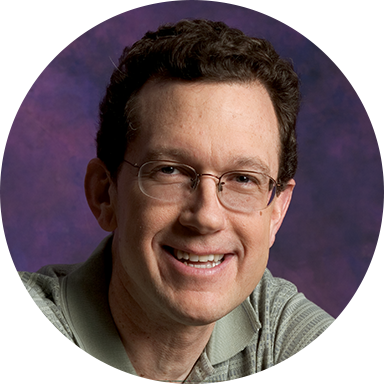
Richard Meyer

Richard Meyer brings three decades of string program leadership to his work as a composer and educator. He spent 22 years building the orchestra program at Oak Avenue Intermediate School in Temple City, California, expanding it from 29 students to 200, while simultaneously directing the city's elementary string curriculum. His tenure as music director of the Pasadena Youth Symphony Orchestra for 16 years took students on international performance tours across North America, Europe, and Australia. Meyer has also served as string editor for Alfred Publishing Company and co-authored foundational method materials including the String Explorer Series and Sight-read It for Strings.

Beyond the concert hall, Meyer developed the nationally recognized "Giving Bach" program, which uses interactive concerts to reach special needs and underserved student populations across Southern California. His work as a guest conductor and clinician at major conferences including the A.S.T.A. National Conference and Texas Orchestra Directors' Association Conference reflects his commitment to the profession. Meyer's catalog includes over 190 published compositions and arrangements, establishing him as a prolific voice in string orchestra literature.

Why we love this

Meyer writes for string orchestras with a director's understanding of what actually works in the rehearsal room. Century One Tusonic balances musical sophistication with genuine engagement for advanced players, using rhythmic variety and harmonic color to sustain interest without sacrificing accessibility. The solo passages for violin and cello give your strongest players meaningful moments while the full ensemble writing keeps everyone invested in a coherent musical narrative.

What to expect

Century One Tusonic unfolds like a modern film score, building momentum through unexpected harmonic turns and rhythmic surprises while maintaining an underlying sense of celebration and forward motion. The piece moves between moments of lyrical beauty (especially in the solo passages) and energetic unison writing, creating an emotional arc that feels both futuristic and deeply human. Its orchestral color palette suggests a journey rather than a single destination.

Who it's for

Advanced string orchestras ready for repertoire that combines technical challenge with strong musical payoff. This piece works well for programs that include upper-level middle school orchestras or high school ensembles accustomed to negotiating contemporary harmonic language and varied rhythmic textures.

How to get the most out of it

  • Balance the exotic rhythmic figures against the underlying harmonic progression; these unexpected patterns should feel intentional, not disorienting. Work the rhythm section first to establish a secure foundation before layering in the melodic material.
  • The cinematic quality emerges from clean transitions between the piece's contrasting sections. Mark these shifts clearly during rehearsal and use them as structural landmarks for the ensemble.
  • Feature the violin and cello solos as genuine moments of stillness or focus. These passages often work best when the soloist has space to breathe and the accompanying voices provide supportive, understated textures.
  • Explore the range of dynamics and playing styles within each section; the 'sonic kaleidoscope' effect depends on precise ensemble response to shifting articulations and dynamic gradations.

How to use it

This works equally well as an opener that establishes your ensemble's sophistication or as a closer that leaves audiences with cinematic grandeur and energy. Program it alongside more traditional repertoire to demonstrate your students' range, or use it as the centerpiece of a concert exploring contemporary orchestral color and form. At six minutes, it anchors a program without requiring excessive rehearsal time relative to its impact.

Skills your students will build

  • Reading and executing exotic rhythmic figures and mixed meters
  • Responding to sudden harmonic shifts and unconventional chord progressions
  • Ensemble balance across multiple simultaneous playing styles (legato, staccato, marcato)
  • Solo performance under pressure within an orchestral context
  • Sustaining musical focus across extended sections with minimal melodic repetition
  • Blending diverse orchestration techniques into a unified sonic palette

You May Also Like
