Century One Tusonic Cover Image

Century One Tusonic: String Orchestra Conductor Score

$10.00 USD
Sale price  $10.00 USD Regular price 
Skip to product information
Century One Tusonic Cover Image

Century One Tusonic: String Orchestra Conductor Score

By Richard Meyer

Grade: 4

Item: 00-48091S

$10.00
Shipped

One moment…

Description
Century One Tusonic by Richard Meyer will take your students on an amazing journey. This celebratory and futuristic-sounding overture is the perfect opener or closer for any concert. Tuneful, energetic, and highly emotional, the piece presents a sonic kaleidoscope of playing styles that will challenge every section of the advanced string orchestra. The unexpected harmonies and exotic rhythms give this selection a cinematic sound that is sure to intrigue your students and your audience. Brief solos for violin and cello are included. (6:00)

Century One Tusonic: String Orchestra Conductor Score isn't in MakeMusic Cloud just yet...but it could be. Let us know you'd like to see it, and you'll help shape what comes next. In the meantime, start a free trial and dive into thousands of interactive titles your students can play along with today.

Sample Pages

Sample Audio
0:00
0:00
Sample Video
Additional Details
Series: Highland/Etling String Orchestra
Publisher: Alfred Music
Page Count: 32
ISBN10: 1-4706-5439-3
ISBN13: 978-1-4706-5439-9
UPC: 038081554686
SKU: 00-48091S

More about this title

About the Composer: Richard Meyer
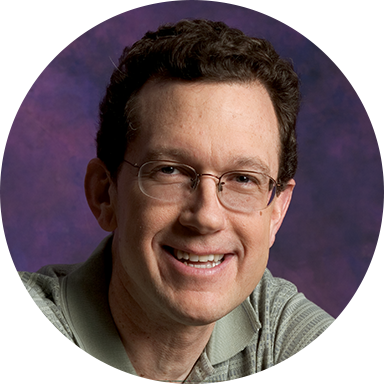
Richard Meyer

Richard Meyer has shaped string education across Southern California for 35 years, directing orchestras at every level from elementary through high school. His tenure at Oak Avenue Intermediate School in Temple City stands as a testament to what visionary leadership can achieve: he grew the string program from 29 students to 200 while simultaneously overseeing the district's elementary string curriculum. For 16 years he led the Pasadena Youth Symphony Orchestra through performances on four continents, establishing himself as a clinician at major conferences including A.S.T.A. National and the Texas Orchestra Directors' Association.

Beyond the podium, Meyer has become a prolific composer with nearly 200 published works and arrangements to his name. His "Giving Bach" program, launched in 2009, gained national recognition for using interactive concerts to reach underserved students throughout Southern California. He served 16 years as string editor for Alfred Publishing Company and co-authored the String Explorer Series and Sight-read It for Strings, two resources widely adopted in string programs across the country.

Why we love this

Meyer brings both a composer's gift for orchestration and a conductor's deep understanding of what advanced string players can achieve. This overture succeeds because it trusts the orchestra with genuine musical sophistication—exotic rhythms and unexpected harmonies feel earned rather than imposed, and the cinematic scope gives students something genuinely rewarding to sink their teeth into. Programming this early or late in a concert immediately signals to your audience that they're in for something musically adventurous.

What to expect

Century One Tusonic unfolds like a cinematic journey, moving between moments of soaring lyricism and driving rhythmic energy. The unexpected harmonies and exotic colors create an impression of forward momentum and discovery, as if the orchestra is exploring unfamiliar sonic territory together. Celebratory yet adventurous, the piece balances emotional depth with a sense of playful experimentation.

Who it's for

Advanced string orchestras ready for Grade 4 difficulty will find a concert piece that rewards careful preparation with professional-sounding results. This score serves conductors who program challenging repertoire that excites both players and audiences without requiring soloists or guests.

How to get the most out of it

  • Map out the shift between the futuristic opening gestures and the more grounded sections; the contrasts create drama only if the ensemble recognizes the boundary between them.
  • Feature the violin and cello solos with clear ensemble preparation. Designate principals to rehearse these independently, then bring them into full orchestra rehearsals once the surrounding passages stabilize.
  • Balance the exotic rhythmic elements by having rhythm section players (especially violas and cellos) lock their pulse before adding the upper voices; rhythmic clarity prevents the piece from sounding muddy.
  • Explore the use of dynamics and articulation to shape the kaleidoscopic textures; each "color" in Meyer's orchestration deserves distinct character work from the students.

How to use it

Open a concert with this overture to signal ambition and grab attention immediately. Alternatively, close a program with Century One Tusonic to leave the audience with a contemporary, energetic impression that lingers. The 6-minute duration and high engagement level make it ideal for featured repertoire on a festival or competition program.

Skills your students will build

  • Reading and executing exotic rhythmic patterns
  • Navigating unexpected harmonic progressions and tonal centers
  • Balancing multiple playing styles (articulation, vibrato use, tone color) within a single work
  • Responding to ensemble cues across brief, independent solos
  • Sustaining focus through shifting textural and dynamic landscapes

You May Also Like