Carpathia Cover Image

Carpathia: String Orchestra Conductor Score & Parts

$60.00 USD
Sale price  $60.00 USD Regular price 
Skip to product information
Carpathia Cover Image

Carpathia: String Orchestra Conductor Score & Parts

By William Owens

Grade: 2.5

Item: 98-ST6247

makemusic Cloud badge

Need it now?

Buy Digital Version
$60.00
Shipped

One moment…

Description
This powerful work depicts the frantic voyage of the RMS Carpathia, the first ship to arrive on the scene after receiving a distress call from the Titanic. The use of stomping and hissing helps depict the vibrations of the ship's hull along with the hissing of the boiler. The music becomes slow and mournful as the ship arrives on the terrible scene before embarking on her triumphant yet tragic return voyage to safety. Optional percussion adds to the dramatic effect. Stunning!

Don't just read it, hear it, play along with it, and watch your students grow with it. In MakeMusic Cloud, Carpathia: String Orchestra Conductor Score & Parts comes alive with professional accompaniment, adjustable tempo, and built-in practice tools that turn solo practice into real progress.

Sample Pages

Sample Audio
0:00
0:00
Sample Video
Additional Details
Series: FJH Developing Strings
Publisher: The FJH Music Company, Inc.
UPC: 674398228577
SKU: 98-ST6247

More about this title

About the Composer: William Owens
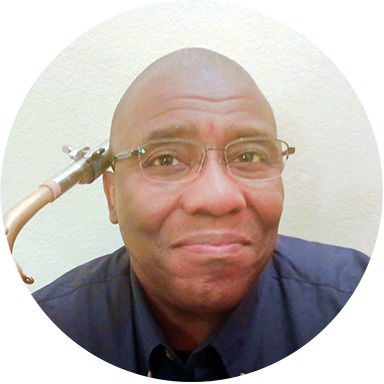
William Owens

William Owens has spent four decades establishing himself as one of the most prolific and respected composers for young ensembles in North America. A VanderCook College of Music graduate and former Texas band director, he has authored over 300 works performed on required lists across the country, with many becoming textbook examples of effective pedagogical composition. His approach balances musical substance with practical classroom viability, earning him recognition from ASCAP, the Texas Bandmasters Association, and his alma mater.

Owens' career reflects both deep institutional knowledge and genuine commitment to the craft. Thirty years directing in Texas public schools gave him firsthand understanding of what young musicians need to grow musically and what teachers need to teach effectively. His work continues to influence the landscape of string and band literature, with compositions that serve equally well in concert halls and educational settings.

Why we love this

Owens constructs a complete narrative arc within the constraints of Grade 2.5 writing. The dramatic core, distant distress, urgent rescue, arrival at tragedy, unfolds naturally through sound design (stomping, hissing) rather than relying on orchestration beyond your students' reach. Percussion parts are optional, which means the work functions beautifully either way, making it genuinely flexible for festival programming.

What to expect

The opening pulses with urgent, mechanical energy as the Carpathia races through dark waters. When the piece arrives at the Titanic's location, the music shifts into a respectful hush, mournful and contemplative. The return journey carries both triumph and the weight of what was witnessed, leaving audiences moved by the human story beneath the symphonic surface.

Who it's for

String orchestras at intermediate levels seeking repertoire with genuine dramatic weight and historical significance. This works equally well for festival circuits and concert programming where you want students engaged by storytelling that feels both age-appropriate and musically substantial.

How to get the most out of it

  • Establish the stomping and hissing rhythms as ensemble textures in early rehearsals rather than treating them as mere effects. Your musicians will engage more deeply if they understand these sounds as the physical heartbeat of the ship itself.
  • Balance dynamic contrast between the frantic opening passages and the mournful central section carefully. The shift from mechanical energy to somber reflection defines the piece's emotional journey.
  • If you're adding the optional percussion, integrate those parts during sectionals first. Players need to understand how their contribution supports the overall program rather than serving as decoration.
  • Record a run-through once the piece is near performance level, then listen together as an ensemble. Hearing the programmatic narrative fully realized often clicks for students in a way rehearsal discussion alone cannot.

How to use it

Pair this with other programmatic works to explore how music tells stories, or program it as the anchor of a concert exploring American history through music. The Grade 2.5 level makes it accessible enough for early-season performance while remaining musically ambitious, ideal for building ensemble confidence before tackling more technical repertoire.

Skills your students will build

  • Sustaining uniform rhythmic patterns (stomping, hissing) across the ensemble
  • Dynamic control across a wide range from aggressive to delicate
  • Responding to programmatic context as a guide for interpretation
  • Coordinating with optional percussion parts and managing ensemble balance
  • Shifting tone quality and vibrato application to support emotional narrative

You May Also Like
