Carpathia Cover Image

Carpathia: Flexible Band/String Ensemble Score

$12.00 USD
Sale price  $12.00 USD Regular price 
Skip to product information
Carpathia Cover Image

Carpathia: Flexible Band/String Ensemble Score

By William Owens

Grade: 1.5;2

Item: 98-B1862S

$12.00
Shipped

One moment…

Description
This powerful work depicts the frantic voyage of the RMS Carpathia, the first ship to arrive on the scene after receiving a distress call from the Titanic. Determined to save as many lives as possible, the captain managed to squeeze 17 knots out of a supposed 14-knot vessel. The music depicts the vibrations of the ship’s hull along with the hissing of the boiler. As Carpathia arrives on the terrible scene, the music relinquishes its fast pace to a slow, mournful hymn. After a brief moment of tranquility, the music intensifies as the rescue ship embarks on her triumphant yet tragic return voyage to safety. Absolutely stunning! (2:10)

Carpathia: Flexible Band/String Ensemble Score isn't in MakeMusic Cloud just yet...but it could be. Let us know you'd like to see it, and you'll help shape what comes next. In the meantime, start a free trial and dive into thousands of interactive titles your students can play along with today.

Sample Pages

Sample Audio
No sample audio found.
Sample Video
Additional Details
Series: FJH Flex Series
Publisher: The FJH Music Company, Inc.
UPC: 241444535912
SKU: 98-B1862S

More about this title

About the Composer: William Owens
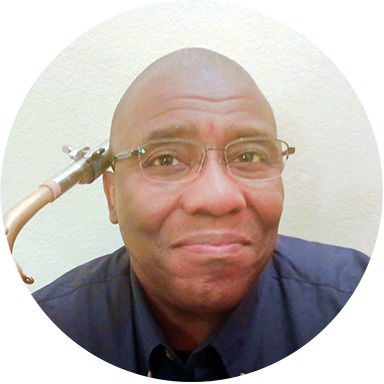
William Owens

William Owens has spent over three decades at the intersection of music education and composition. Born in Gary, Indiana, he studied at Chicago's VanderCook College of Music and went on to direct bands in Texas for 30 years before retiring in 2014. His work as both educator and clinician shaped a compositional voice rooted in practical musicianship and the realities of young ensemble performance.

With more than 300 published titles to his name since 1993, Owens has become a defining voice in the young band repertoire. His works appear on contest and festival lists across North America and have been studied in educational texts as models of effective writing for developing musicians. He holds memberships in ASCAP, TMEA, and Phi Beta Mu International Bandmasters Fraternity, and was recognized as a Distinguished Alumnus by VanderCook College. Owens currently resides in Fort Worth, Texas.

Why we love this

Owens crafts a narrative arc that grabs young musicians immediately with the ship's urgent vibrations and engine hiss, then demands musical maturity when the tempo shifts to a reverent hymn. The flexible instrumentation means you can program this whether you're staffed with full band or a mixed group, making it practical for any concert calendar. At Grade 1.5-2, it punches well above its technical demands—students feel like they're playing something substantial and historically meaningful.

What to expect

The opening pulses with mechanical urgency—you can almost feel the deck plates humming beneath your feet as the Carpathia races toward disaster. When the music shifts to the hymn, the frantic energy yields to something solemn and reverential, holding space for the weight of what happened. The final return builds toward a bittersweet resolution, mixing the hope of rescue with the sorrow of the tragedy itself.

Who it's for

This score works beautifully for beginning to early-intermediate bands, particularly those preparing for contests, festivals, or concert programs looking for something with historical substance. The flexible instrumentation makes it accessible whether you have traditional band sections or a blended ensemble with strings. It's an excellent choice for directors who want their students playing meaningful repertoire without excessive technical hurdles.

How to get the most out of it

  • Establish the ship's mechanical pulse clearly in the opening fast section. The ensemble should lock onto that driving rhythm as the foundation for the vibrato and texture that sit on top of it.
  • Shape the hymn section with genuine breadth. After the frenetic opening, this quiet passage reads as the emotional heart of the piece. Resist rushing it, and let the harmonic language breathe.
  • Balance the return to intensity carefully. The final section should build triumph without losing the underlying tragedy of the story. Dynamics matter more than pure tempo here.
  • Use the flexible instrumentation to your advantage in rehearsal. If certain parts sit awkwardly for your available players, the score accommodates reshuffling. Prioritize ensemble blend over strict voice leading.

How to use it

Program this as a centerpiece concert work where it can command full attention—its narrative arc and emotional trajectory deserve listeners who are present for the whole journey. It pairs well with other historically or socially conscious band music, creating a thematic program around human resilience and sacrifice. The two-minute-ten duration fits naturally into most concert formats without eating up excessive rehearsal time relative to its impact.

Skills your students will build

  • Reading and sustaining motive-driven rhythmic patterns under changing dynamics
  • Shifting between driving rhythmic passages and sustained legato phrasing
  • Responding to large-scale tempo and character changes within a single work
  • Blending within a flexible instrumentation framework and adapting to available voices
  • Shaping a dramatic narrative through ensemble balance and emotional control

You May Also Like