Bringers of Noise Cover Image

Bringers of Noise: SAB Choral Octavo

$2.60 USD
Sale price  $2.60 USD Regular price 
Skip to product information
Bringers of Noise Cover Image

Bringers of Noise: SAB Choral Octavo

Words and music by Kyle Pederson

Item: 00-48980

makemusic Cloud badge

Need it now?

Buy Digital Version
$2.60
Shipped

One moment…

Description
Here's a dramatic detour into choral theater! Using a fictional language from an imaginary oracle, this exceptional piece effectively combines narration, rhythmic chanting, singing, and percussion to create an atmosphere of awe and mystery. A selection that your audience will be talking about for weeks afterward, and your singers will never forget. Also available: an epic accompaniment track (orchestrated by Ruben Reyes), as a free download here.

Don't just read it, hear it, play along with it, and watch your students grow with it. In MakeMusic Cloud, Bringers of Noise: SAB Choral Octavo comes alive with professional accompaniment, adjustable tempo, and built-in practice tools that turn solo practice into real progress.

Sample Pages

Sample Audio
0:00
0:00
Sample Video
Additional Details
Series: Lawson-Gould
Publisher: Alfred Music
Page Count: 16
UPC: 038081563046
SKU: 00-48980

More about this title

About the Composer: Kyle Pederson
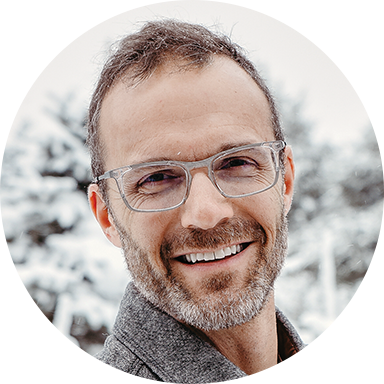
Kyle Pederson

Kyle Pederson composes and writes lyrics from Minneapolis, working consistently at the intersection of sacred and secular music. His catalog reflects a commitment to empowering choirs and audiences as agents of hope, grace, and compassion. He earned the American Prize in Choral Composition in 2019 and the ACDA Genesis Prize in 2020, recognizing his distinctive voice in contemporary choral writing.

Pederson holds degrees from Augustana University, the University of St. Thomas (Master's in Education), and Vermont College of Fine Art (MFA in Music Composition). Beyond composing, he works as a pianist and educator, and maintains a full catalog of scores at kylepederson.com.

Why we love this

Pederson crafted something genuinely theatrical here, not in the sense of high camp but in the sense of genuine spectacle. The combination of narration, rhythmic chanting, and sung lines creates distinct dramatic moments that singers actually invest in rather than merely execute. Your SAB choir will feel the shift between sections viscerally, and audiences will remember this long after the concert ends.

What to expect

Mysterious and propulsive, with an undercurrent of ritual and discovery. The fictional oracle language creates an otherworldly atmosphere that builds toward moments of genuine power, leaving listeners suspended between the unfamiliar and the emotionally resonant.

Who it's for

SAB choirs ready to venture beyond traditional repertoire into pieces that demand theatrical commitment. This works for directors who want their singers to explore rhythm, spoken text, and ensemble texture alongside melody and harmony.

How to get the most out of it

  • Assign the narration part early and rehearse it separately before integrating it with the choir. Clarity and pacing in the spoken sections set the tone for everything that follows.
  • Explore the percussive elements as ensemble choices, not just accompaniment. When the group creates the rhythmic foundation together, the fictional language gains weight and presence.
  • Balance the dynamic contrast between the chanting passages and the sung sections. The shift from rhythmic speech to harmonic singing should feel like a lift, not a seamless continuation.
  • Use the orchestrated accompaniment track (composed by Ruben Reyes) once your singers are secure on their parts. It transforms the piece into a full theatrical experience.

How to use it

Place this as a concert centerpiece or finale where it can command full attention. The theatrical demands and unusual sound world make it ideal for a special program focused on contemporary choral innovation, or as a surprising anchor that reframes what your choir can accomplish.

Skills your students will build

  • Rhythmic precision in synchronized chanting and speech
  • Transition between spoken narration and sung passages
  • Creating atmospheric texture through ensemble cohesion
  • Interpretation of fictional/invented language with musical intention
  • Coordination with optional percussion and recorded accompaniment

You May Also Like
