

Blue Moon: Choral SoundPax
Music by Richard Rodgers, words by Lorenz Hart / arr. Jay Althouse
Item: 00-PK-0004125

$30.00
One moment…
Related Items
Blue Moon: SoundTrax Digital Audio Download |
$27.99
|
View | |
Blue Moon: SATB Choral Octavo |
$2.10
|
View | |
Blue Moon: SAB Choral Octavo |
$2.25
|
View | |
Blue Moon: SSA Choral Octavo |
$2.10
|
View | |
Blue Moon: SATB Choral Octavo |
$2.10
|
View | |
Blue Moon: SAB Choral Octavo |
$2.25
|
View | |
Blue Moon: SSA Choral Octavo |
$2.10
|
View | |
Blue Moon: Choral Octavo SoundTrax CD |
$27.99
|
View | |
Blue Moon: Choral SoundPax |
$30.00
|
View |
Description
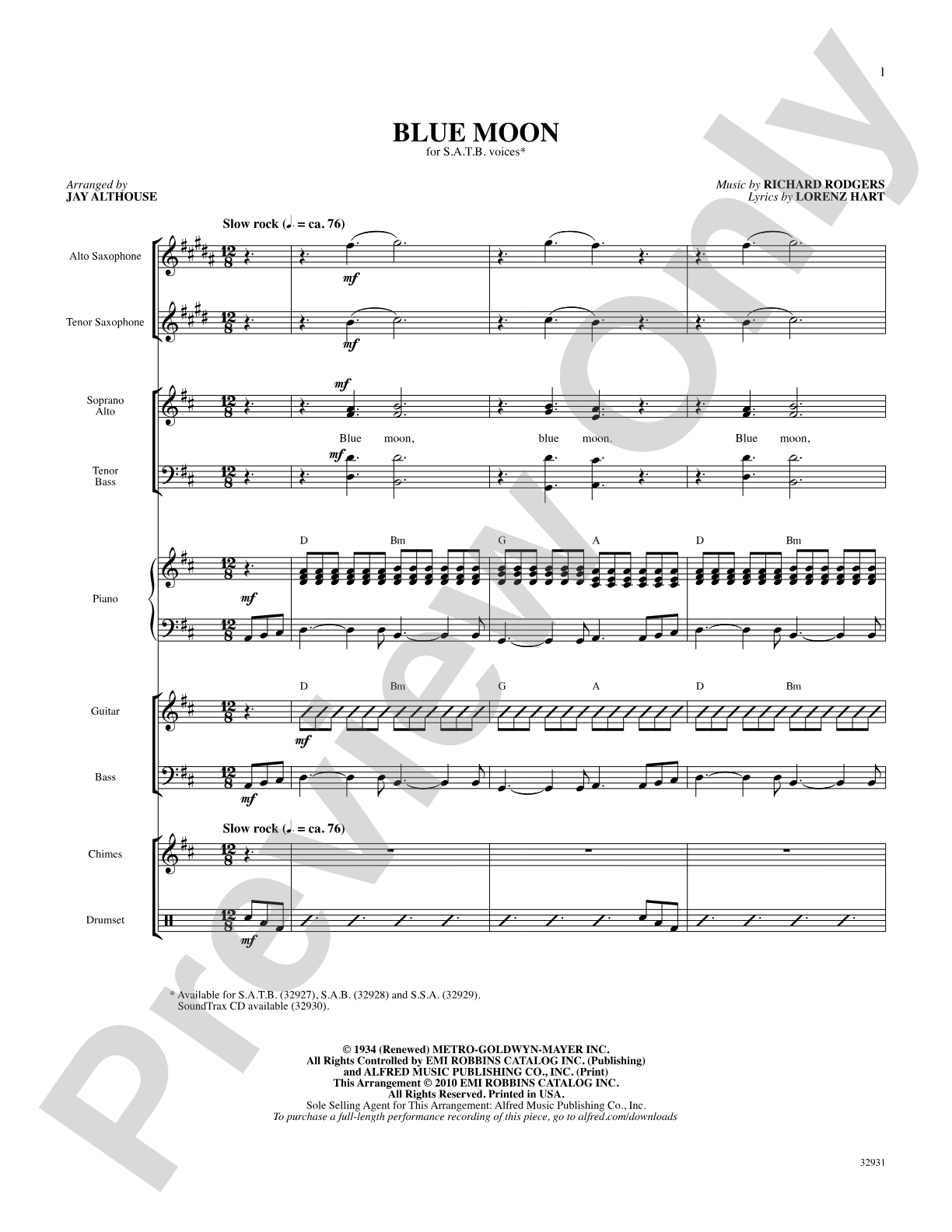
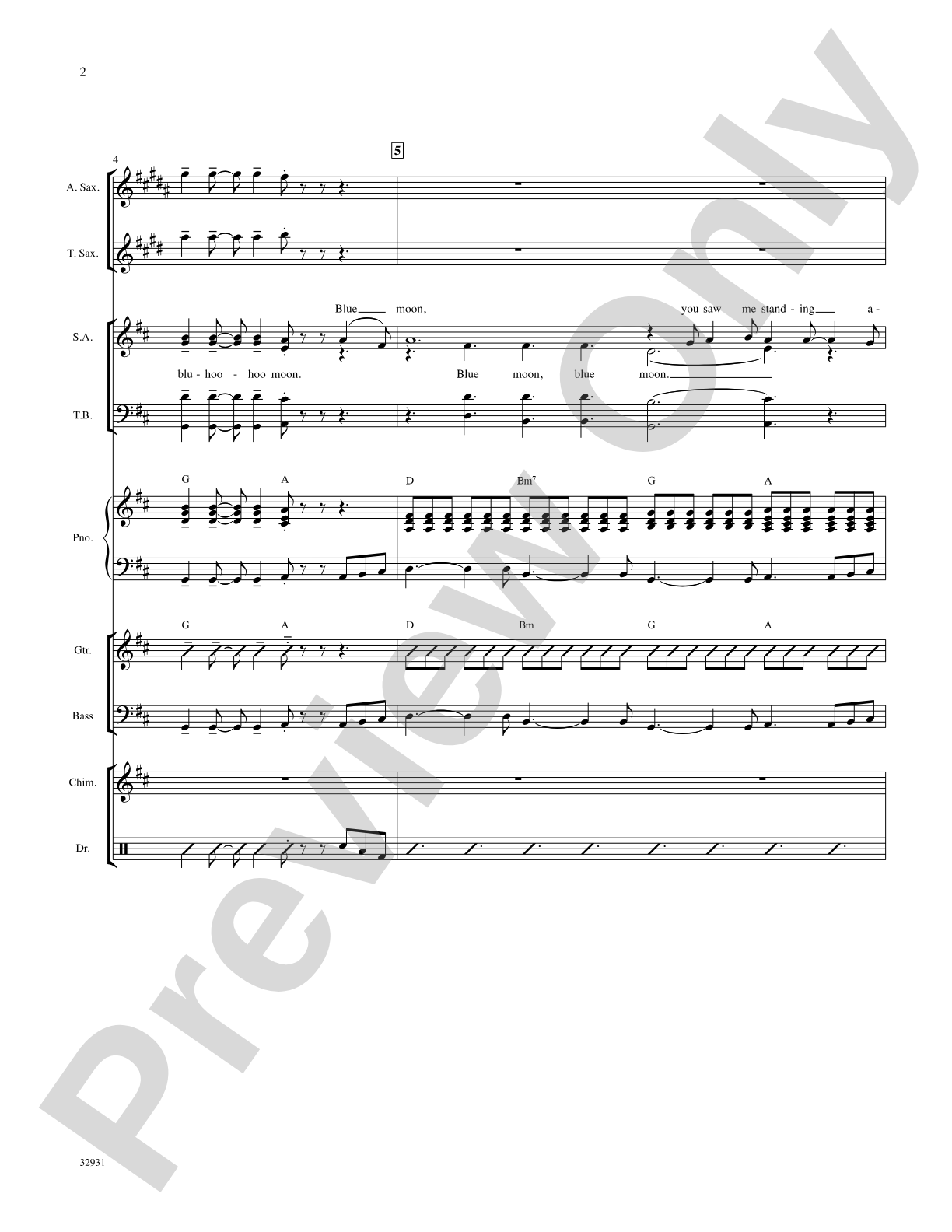
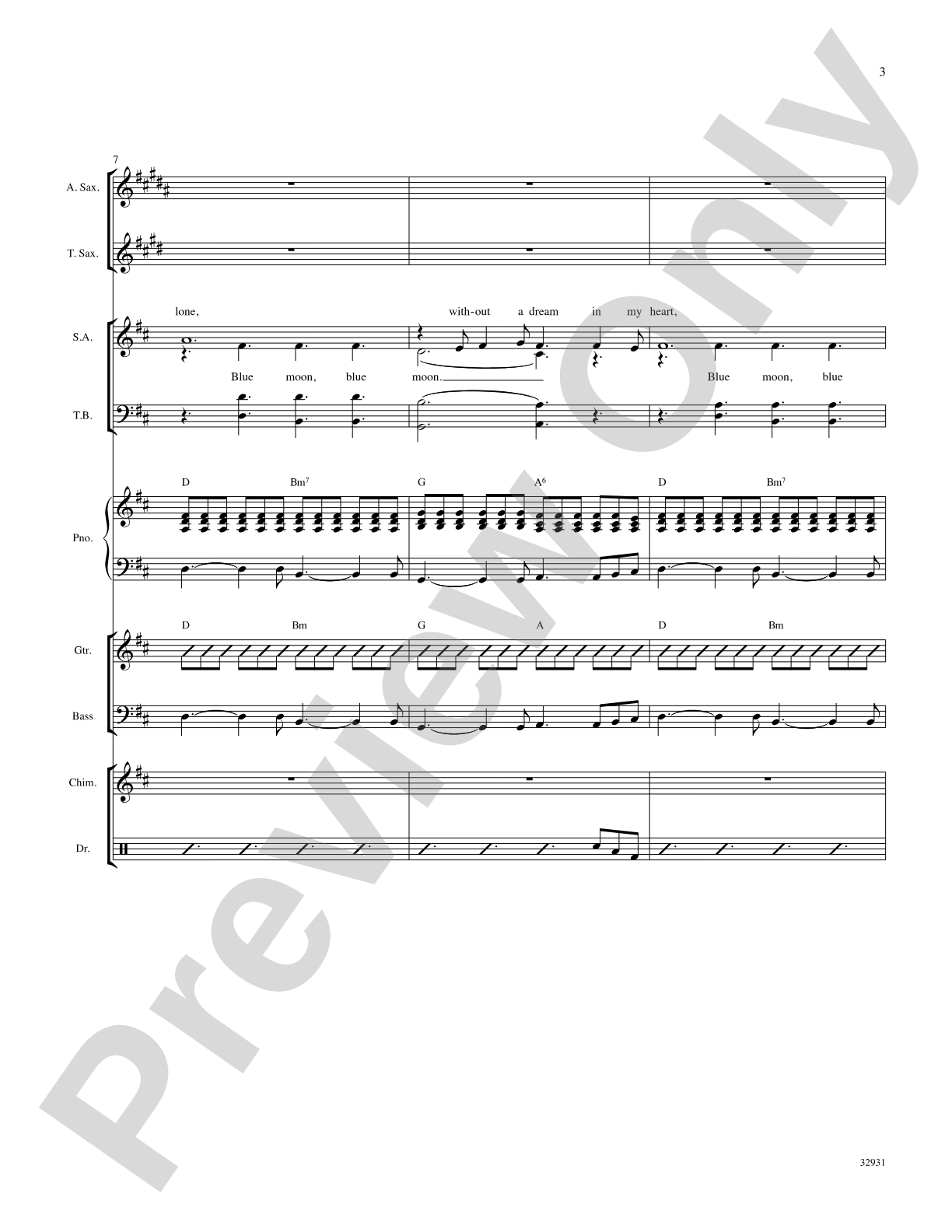
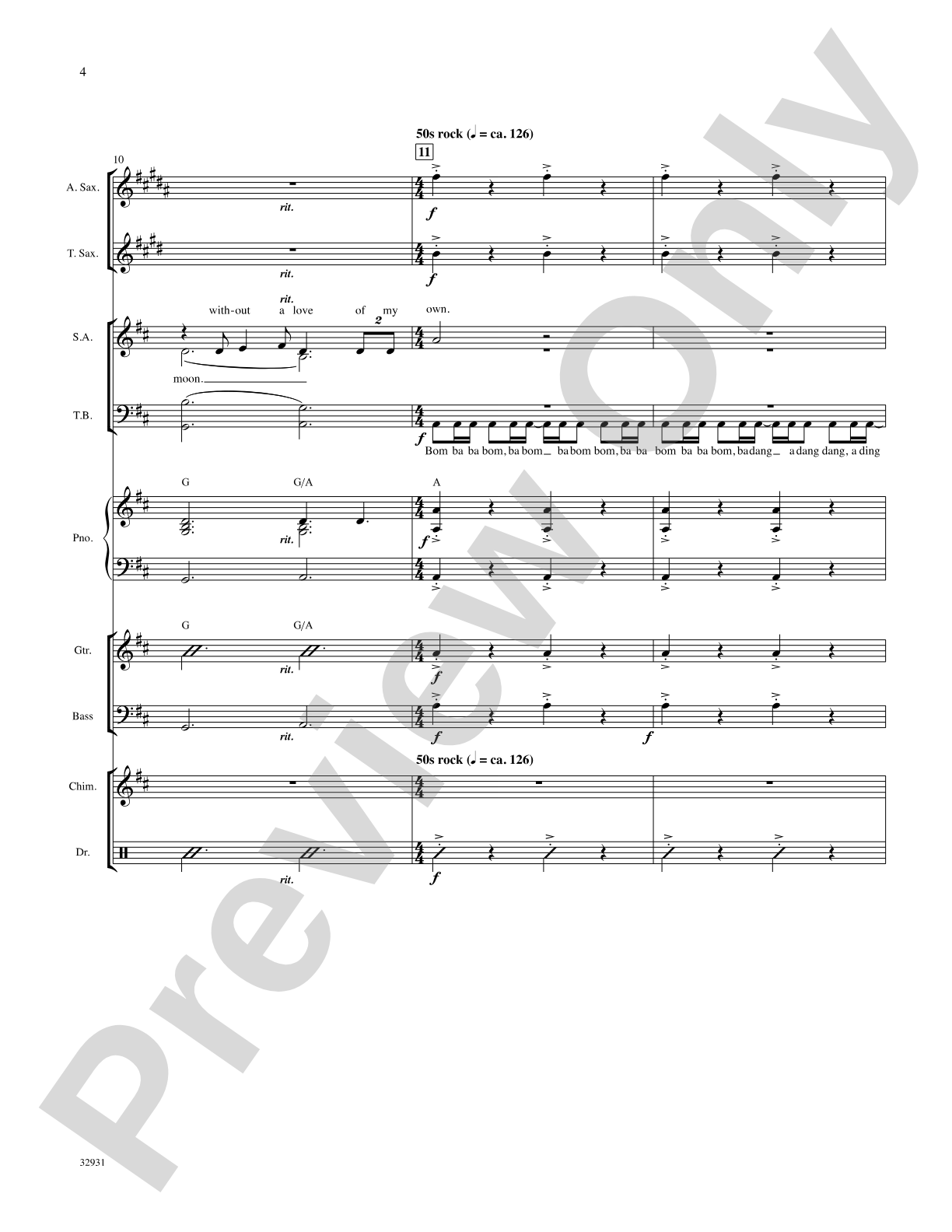
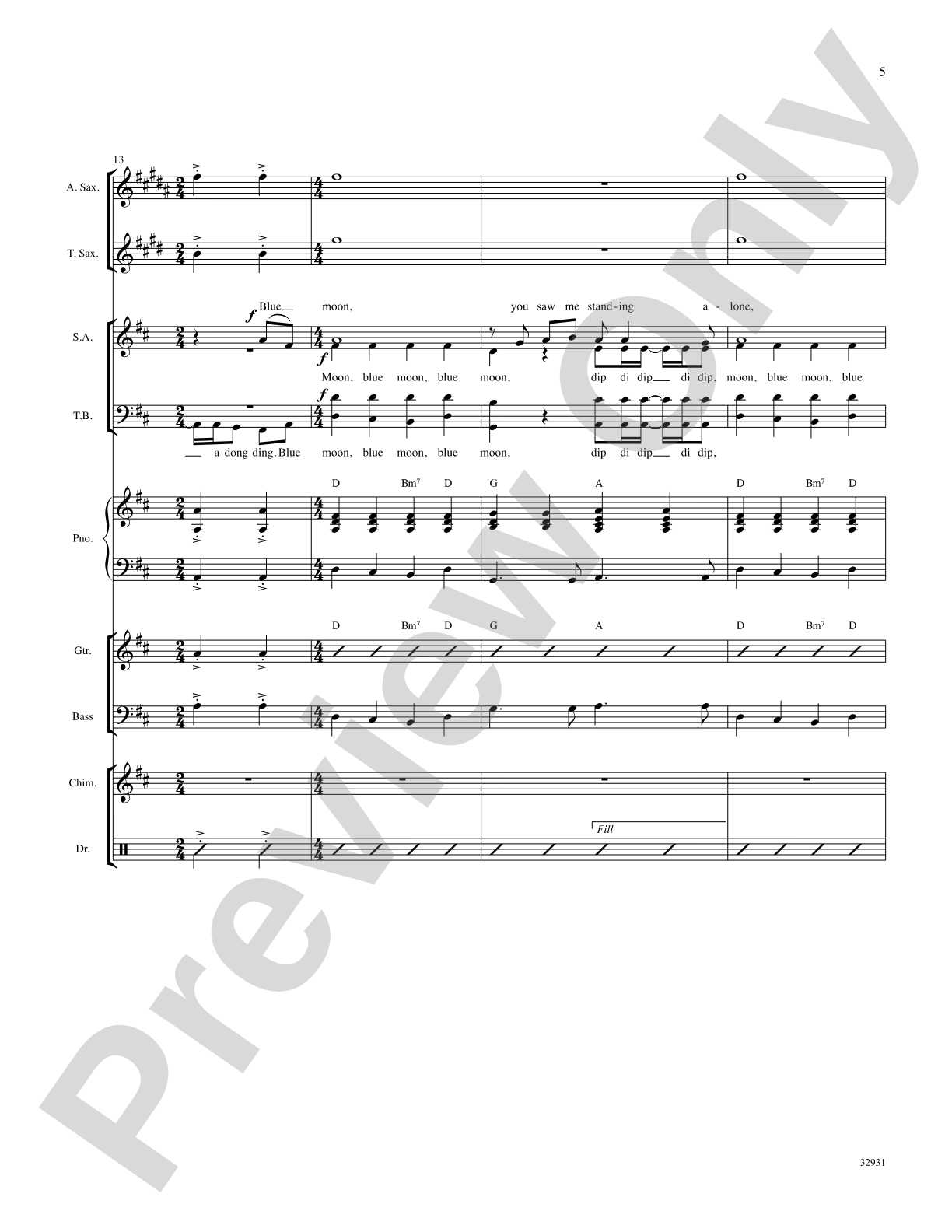
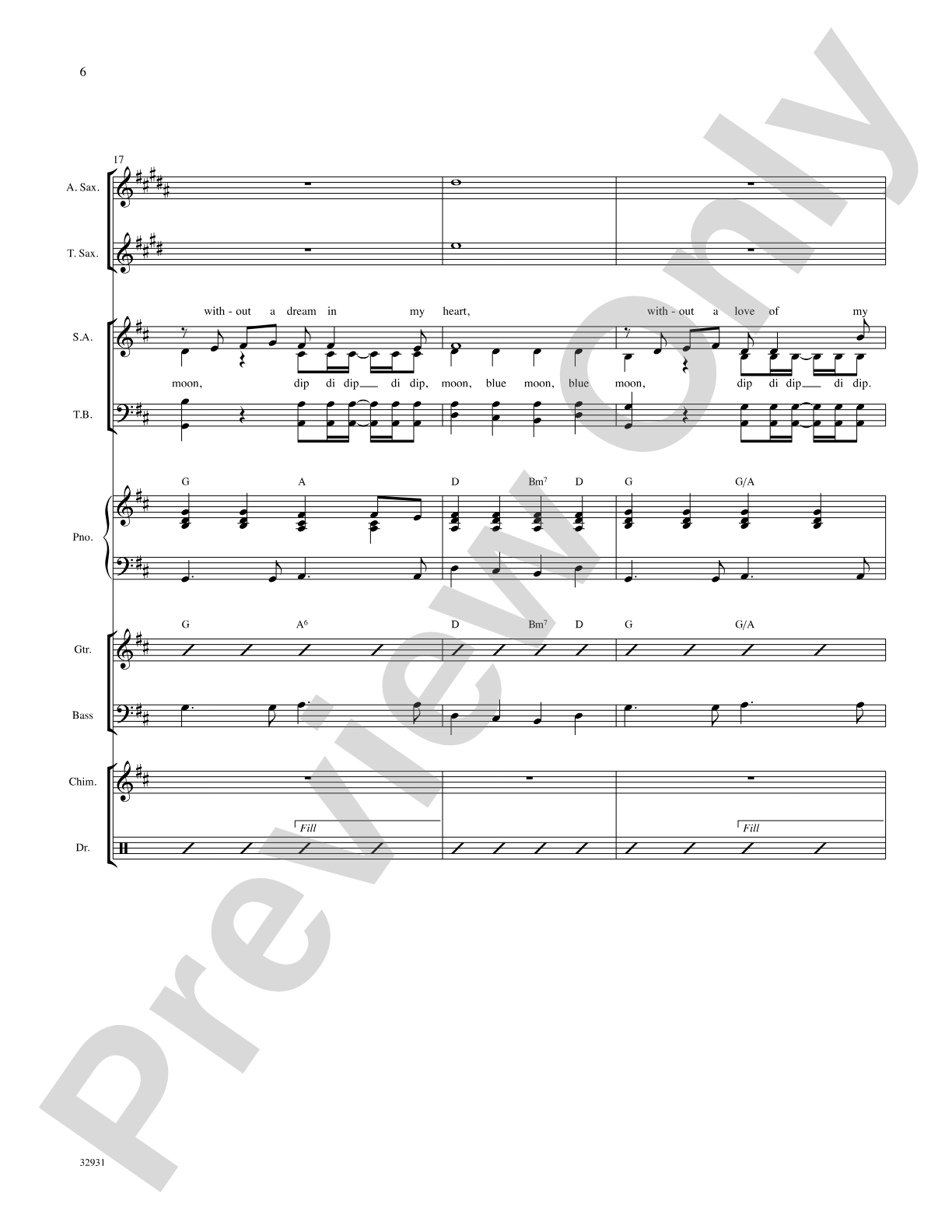
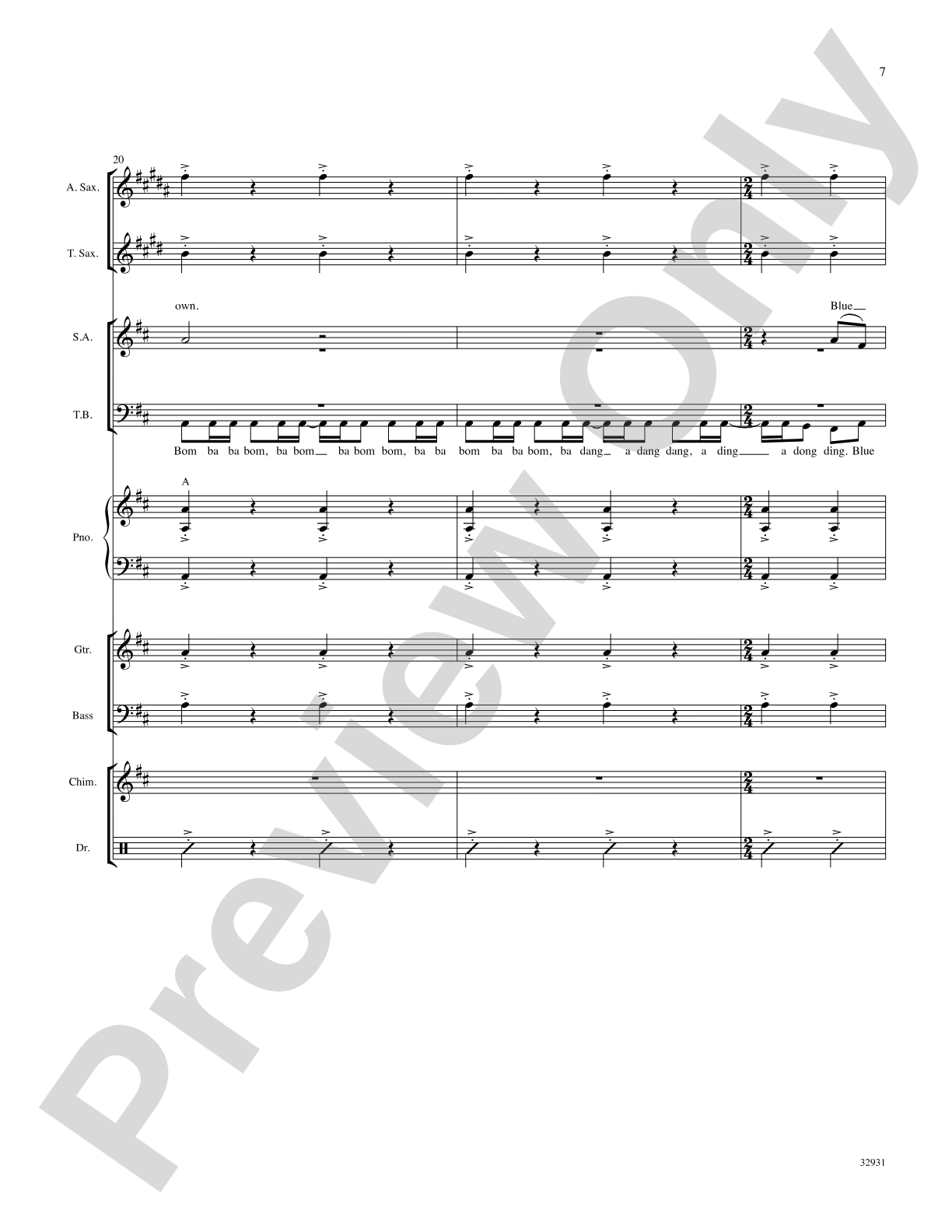
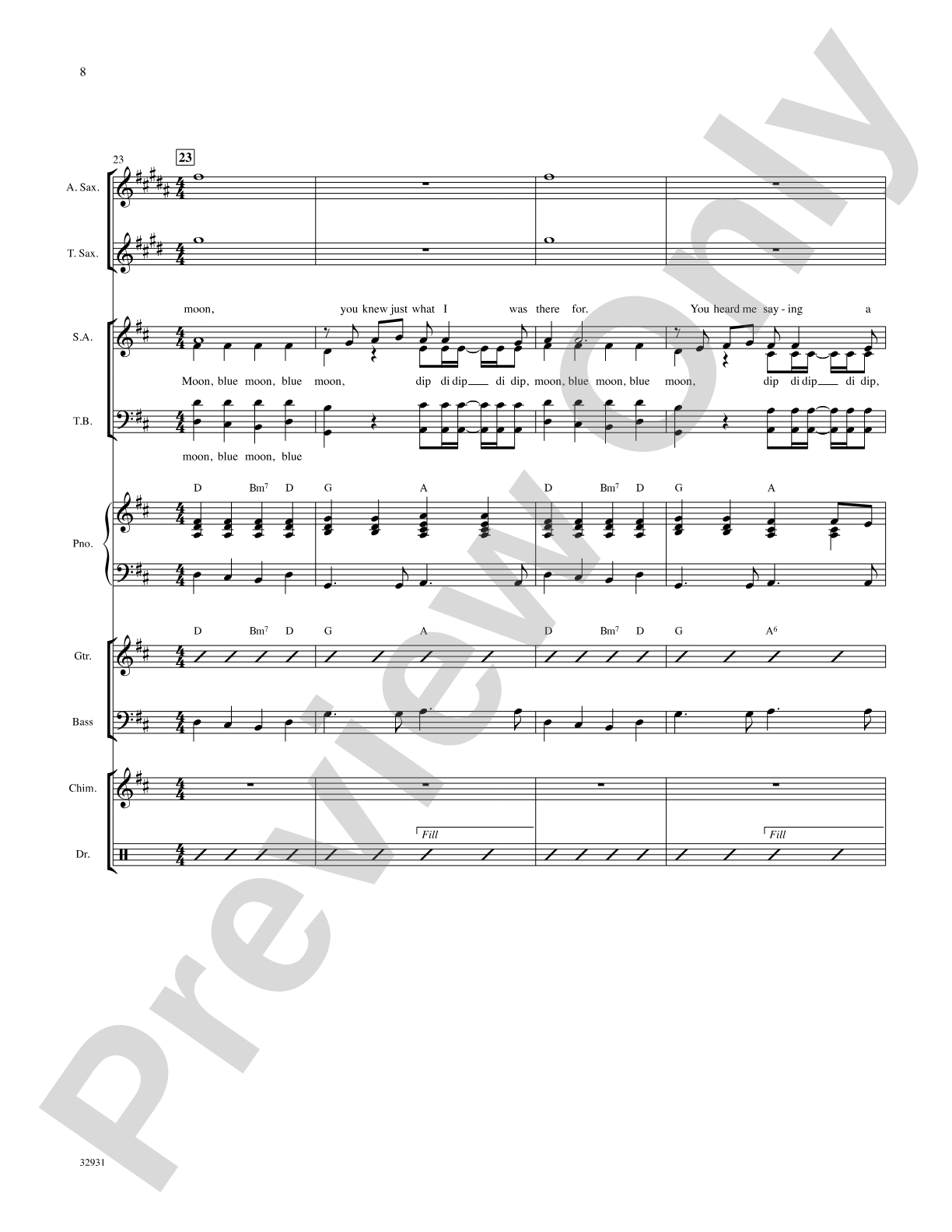
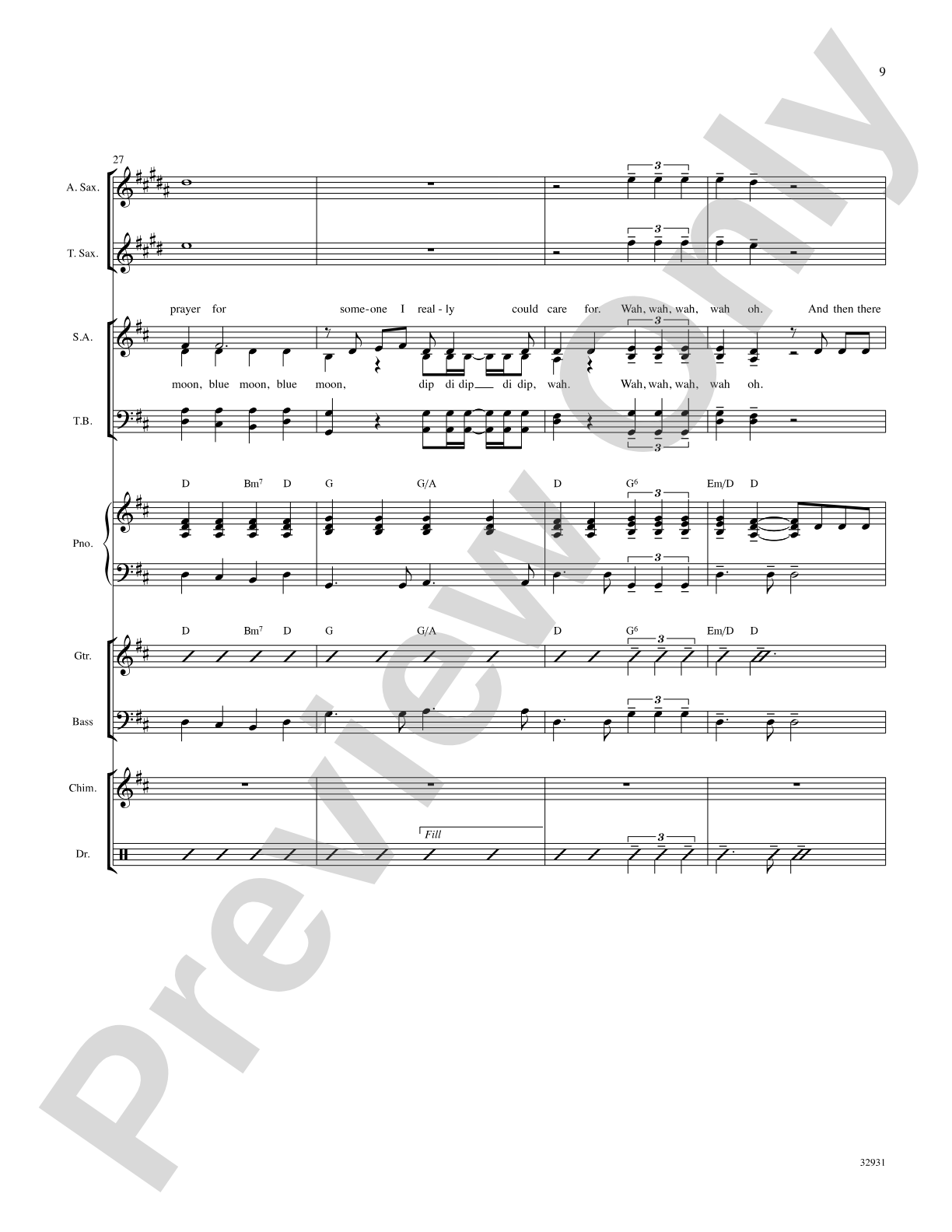
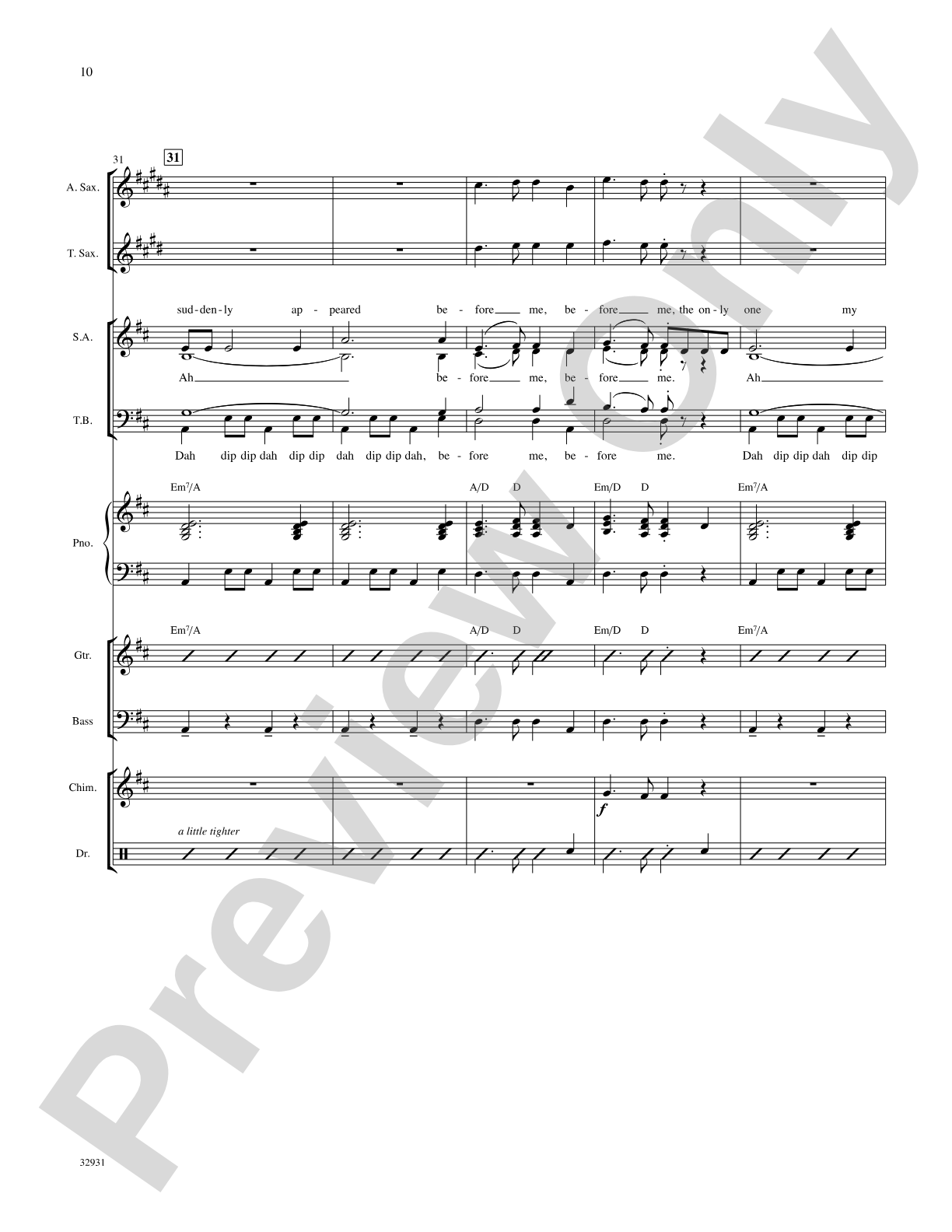
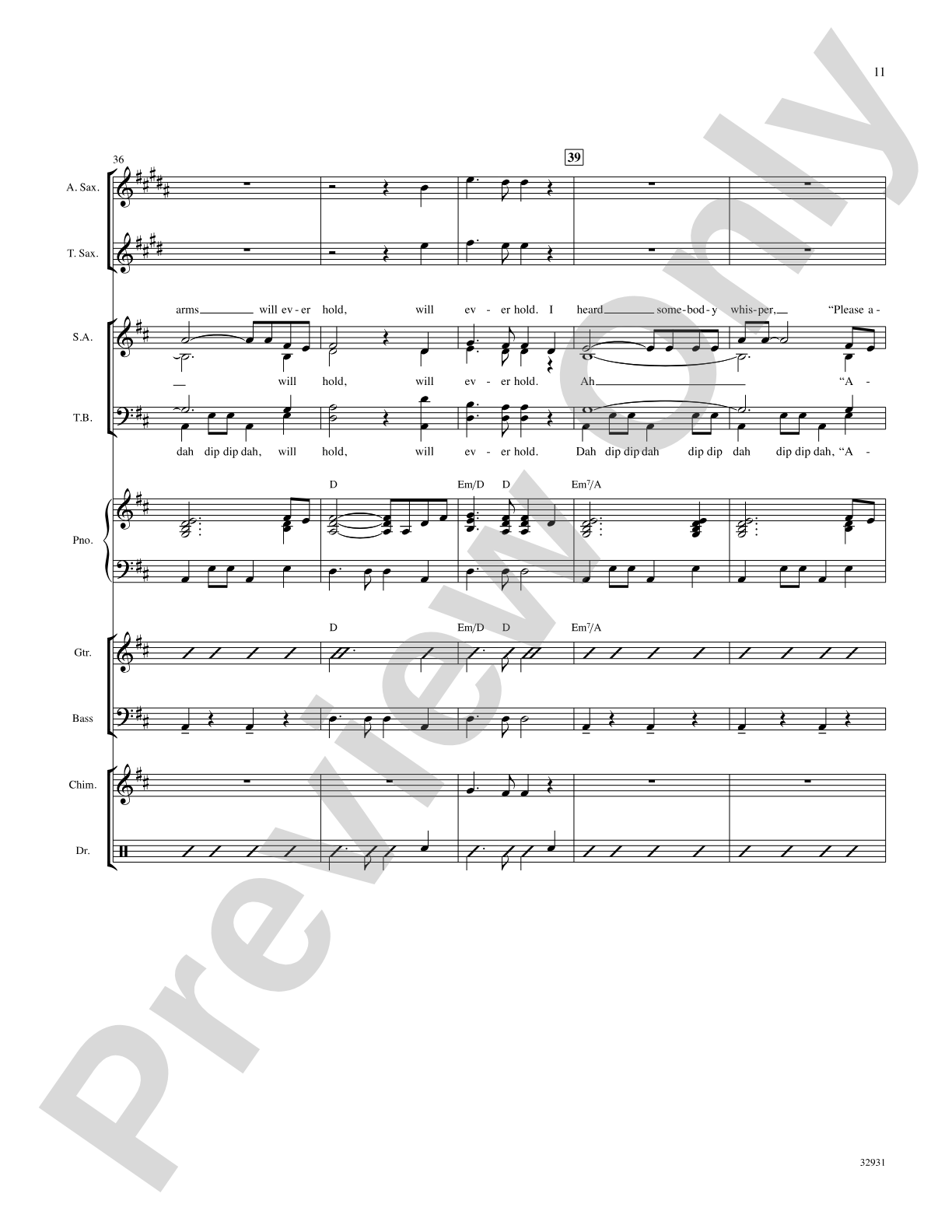
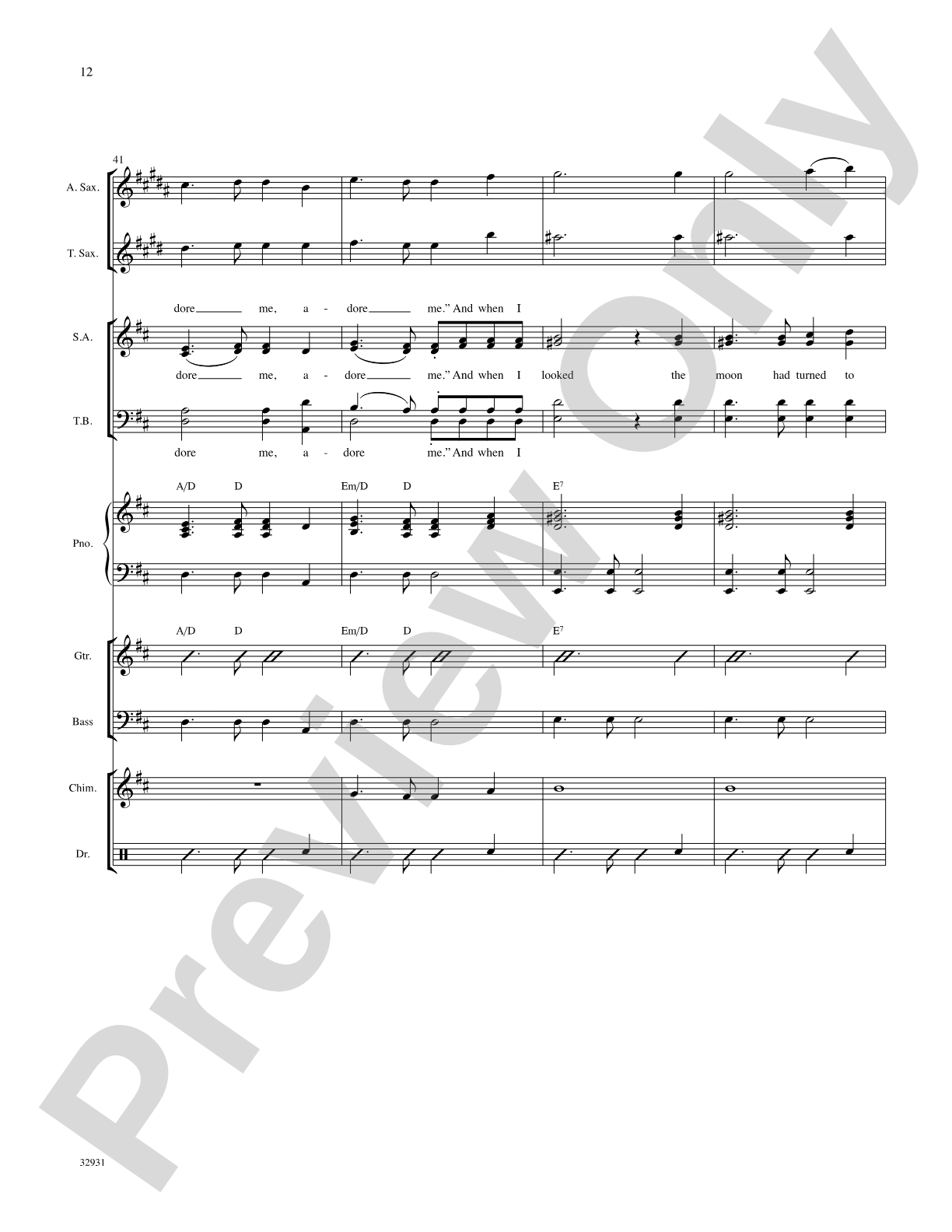
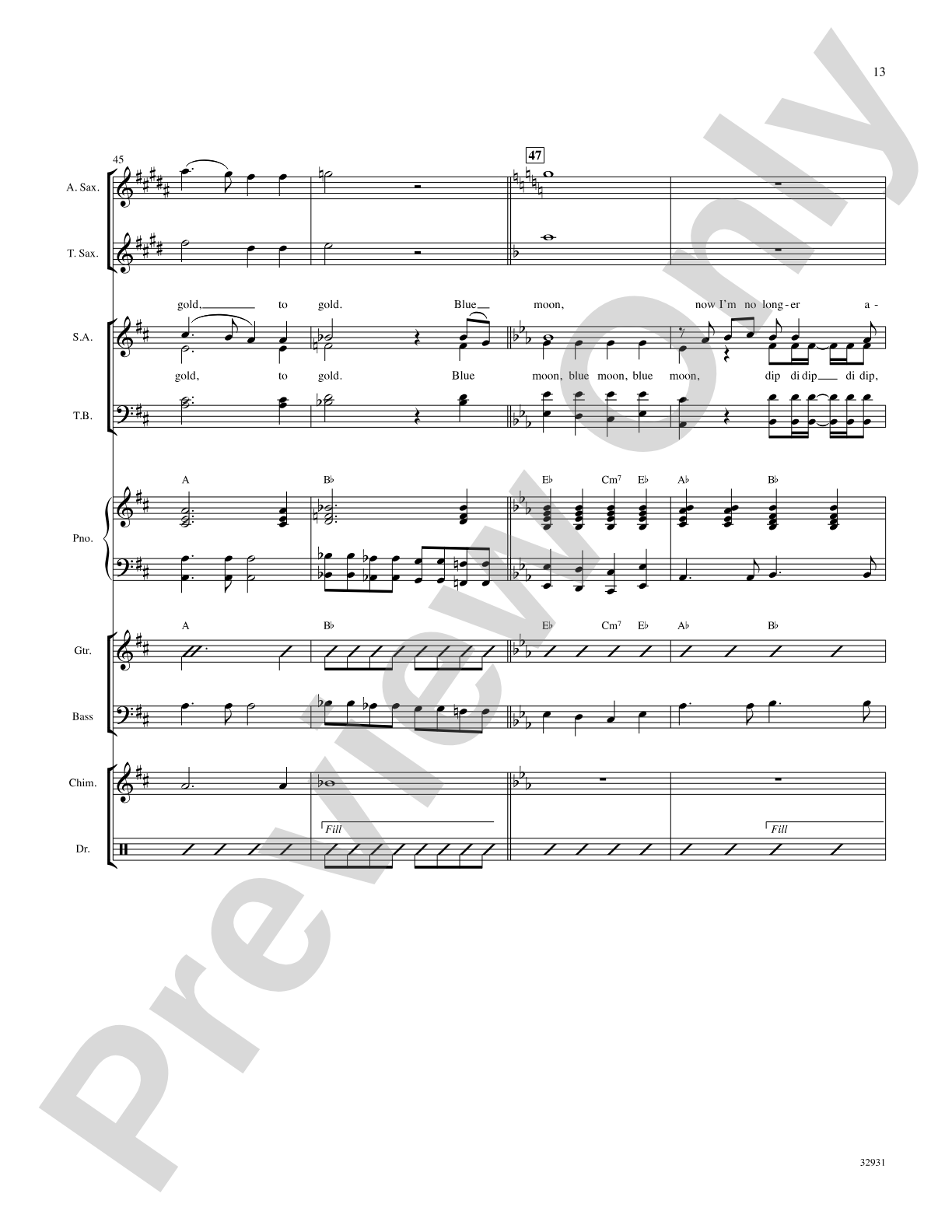
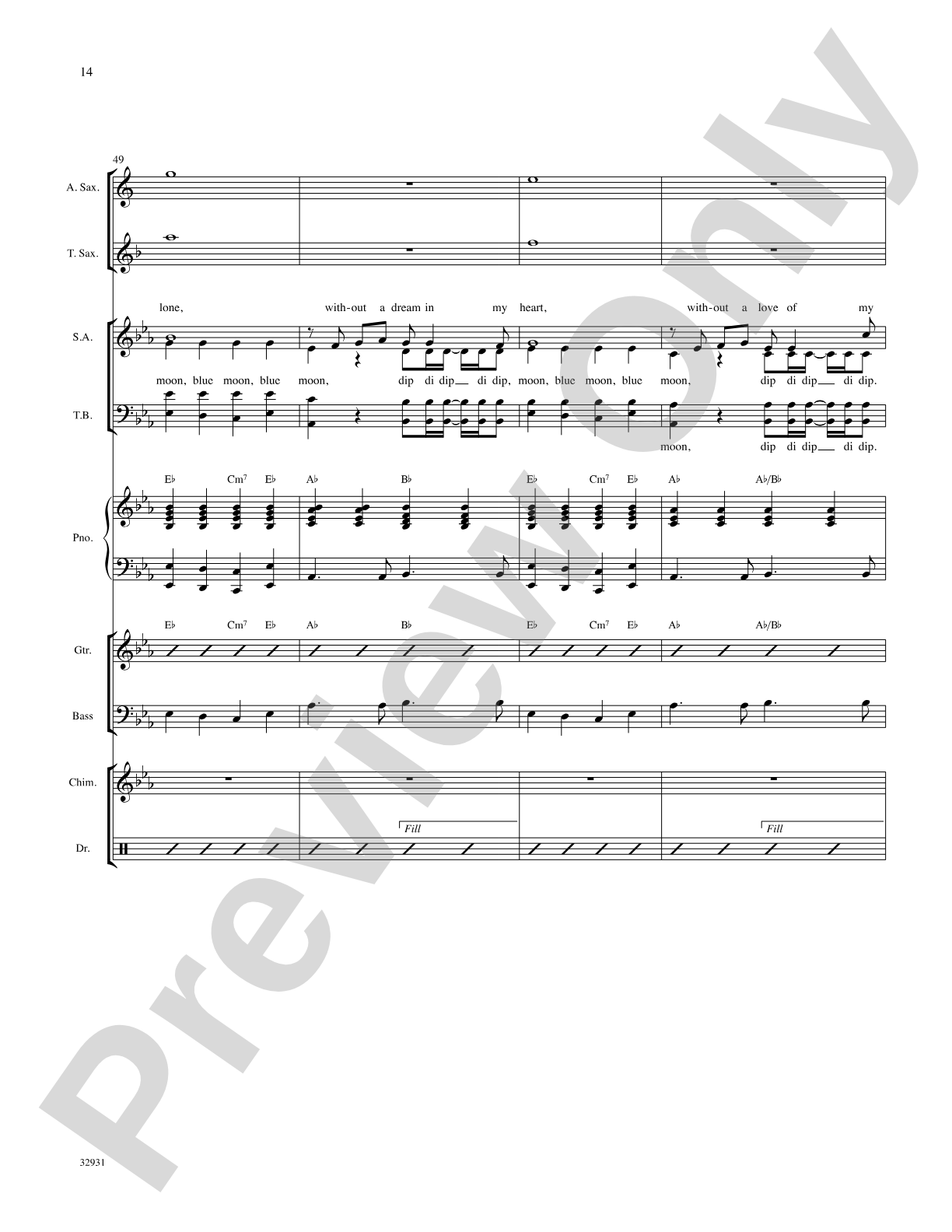
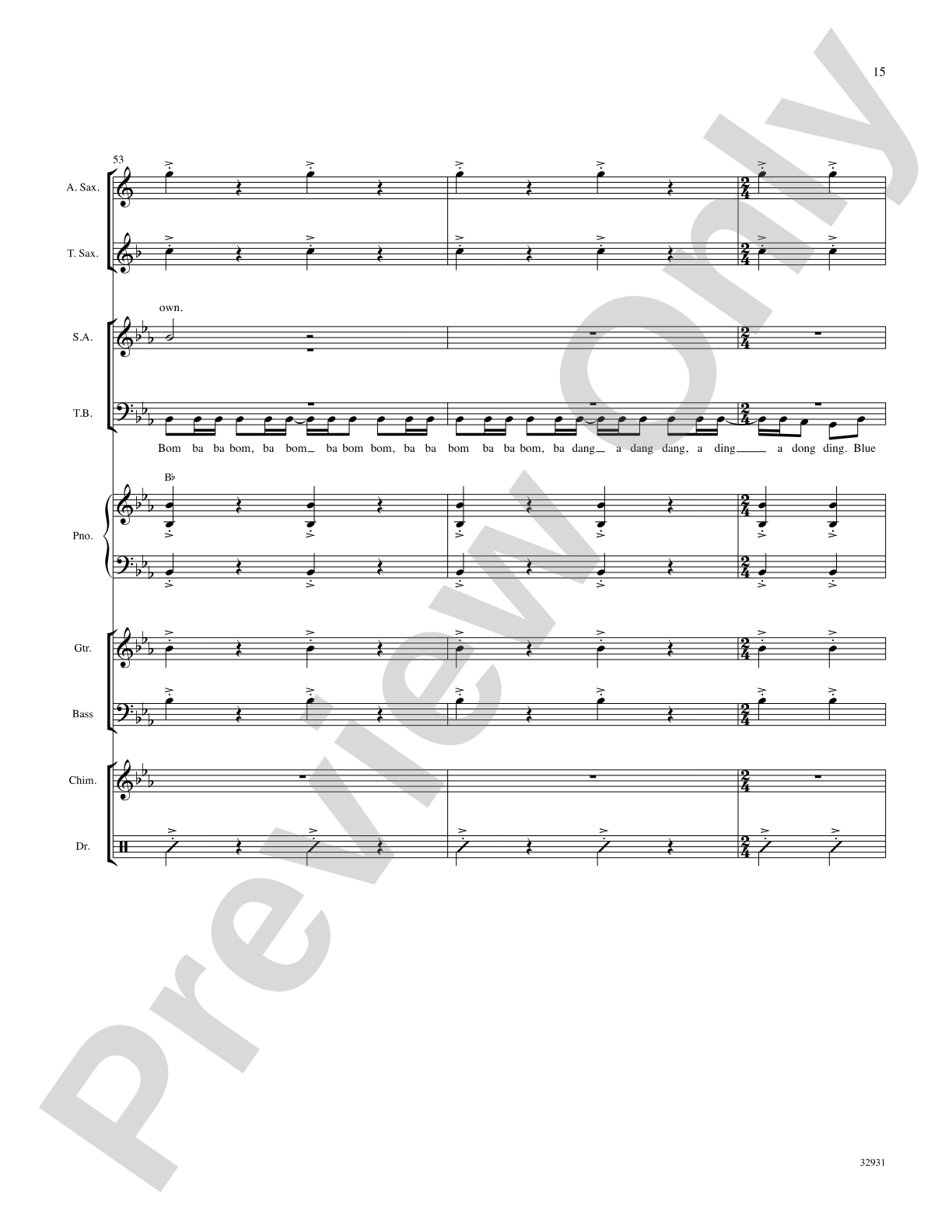
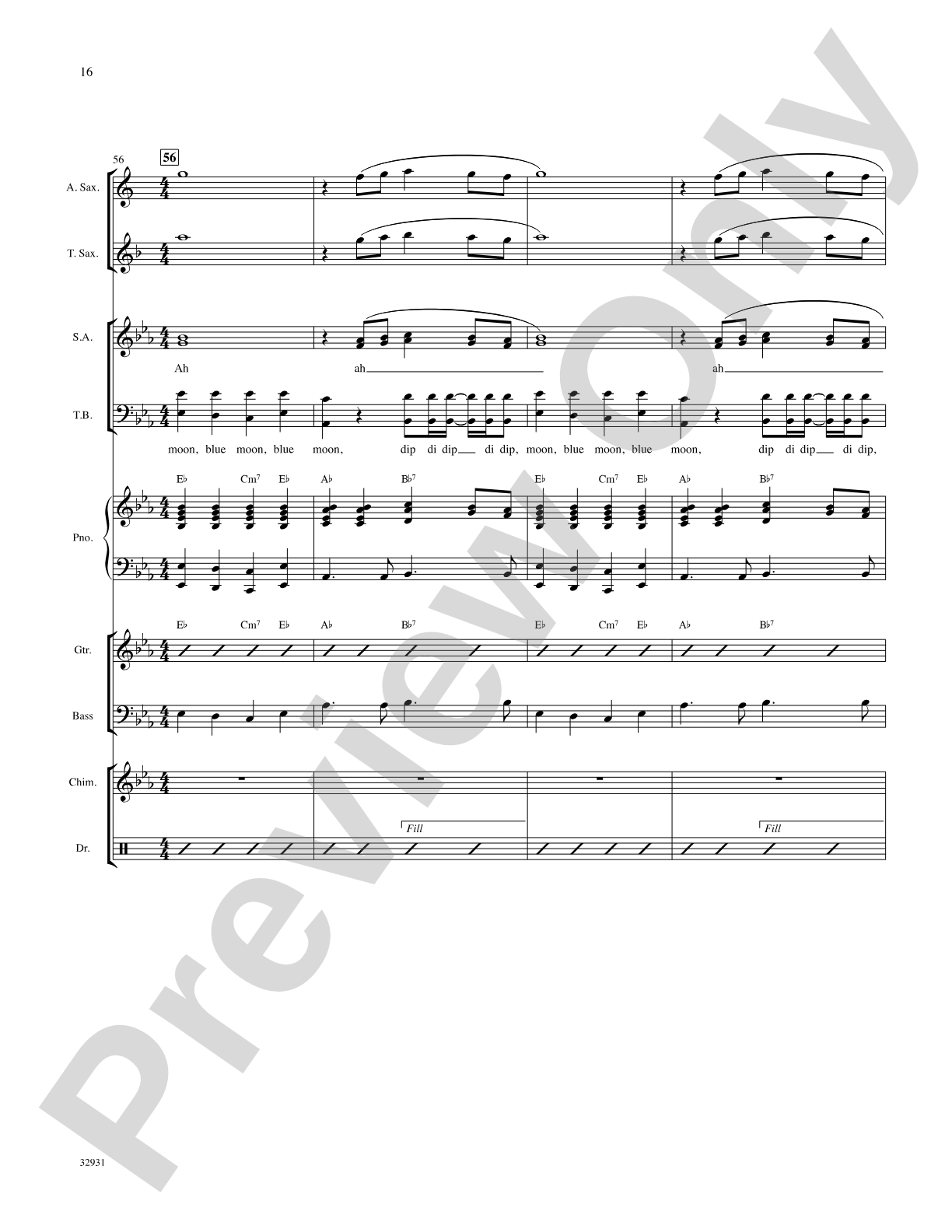
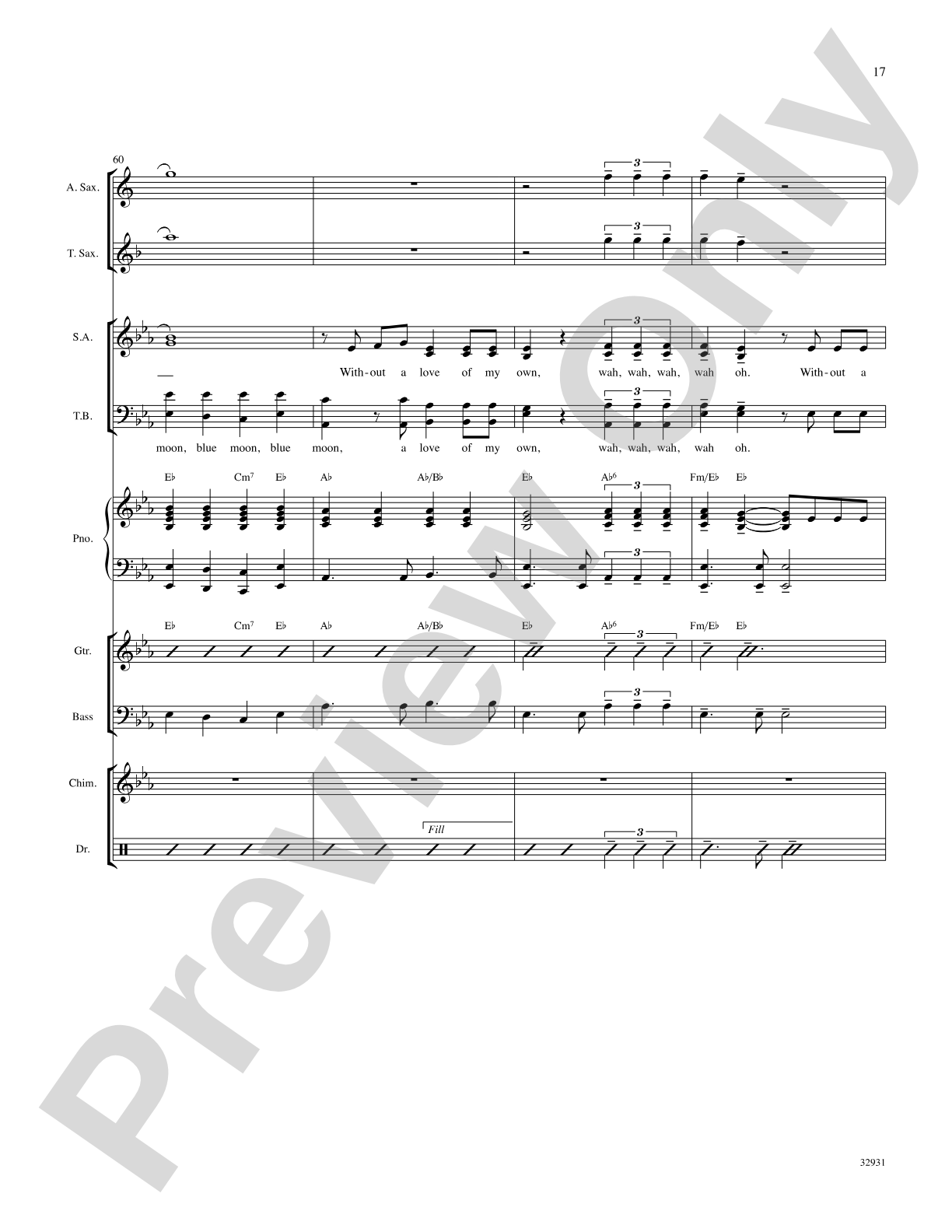
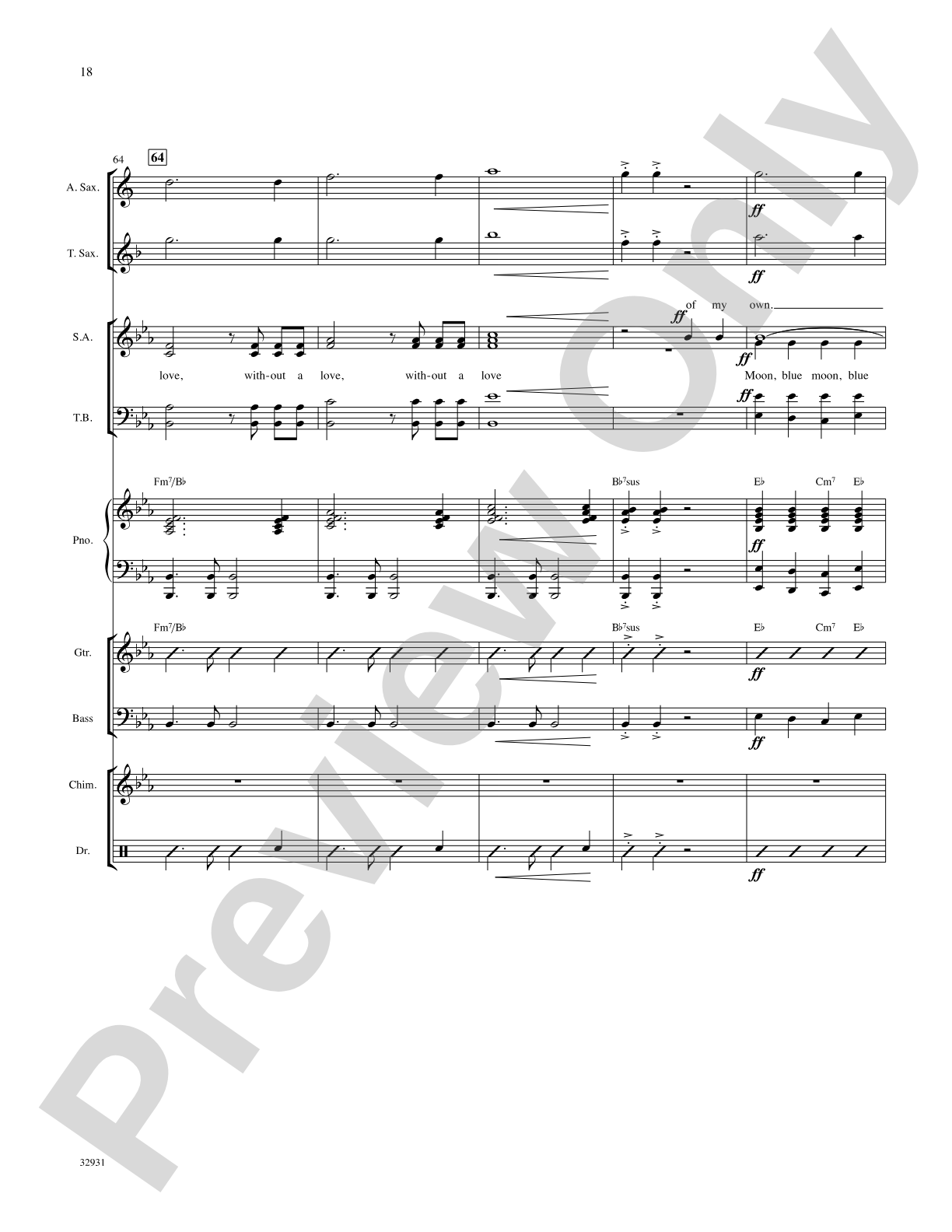
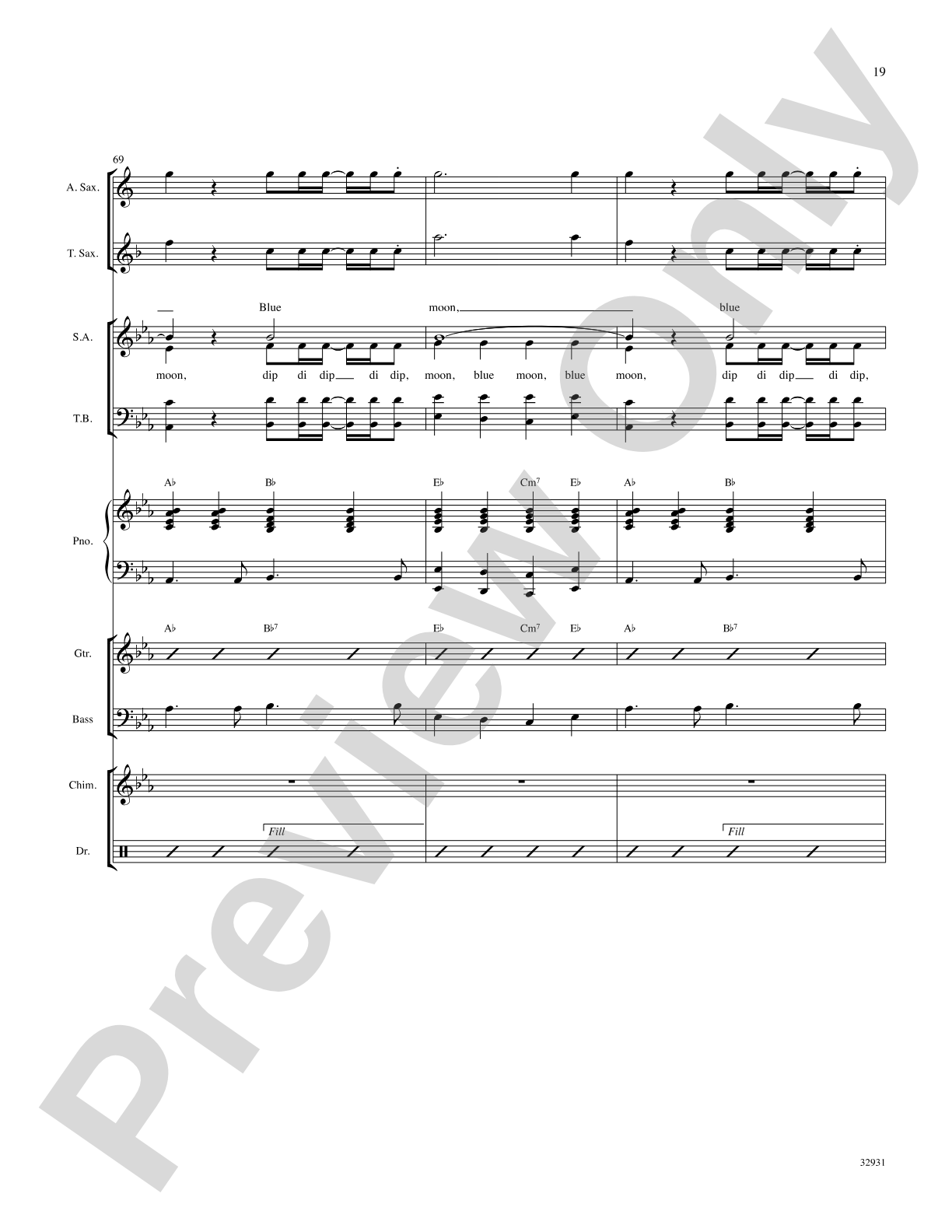
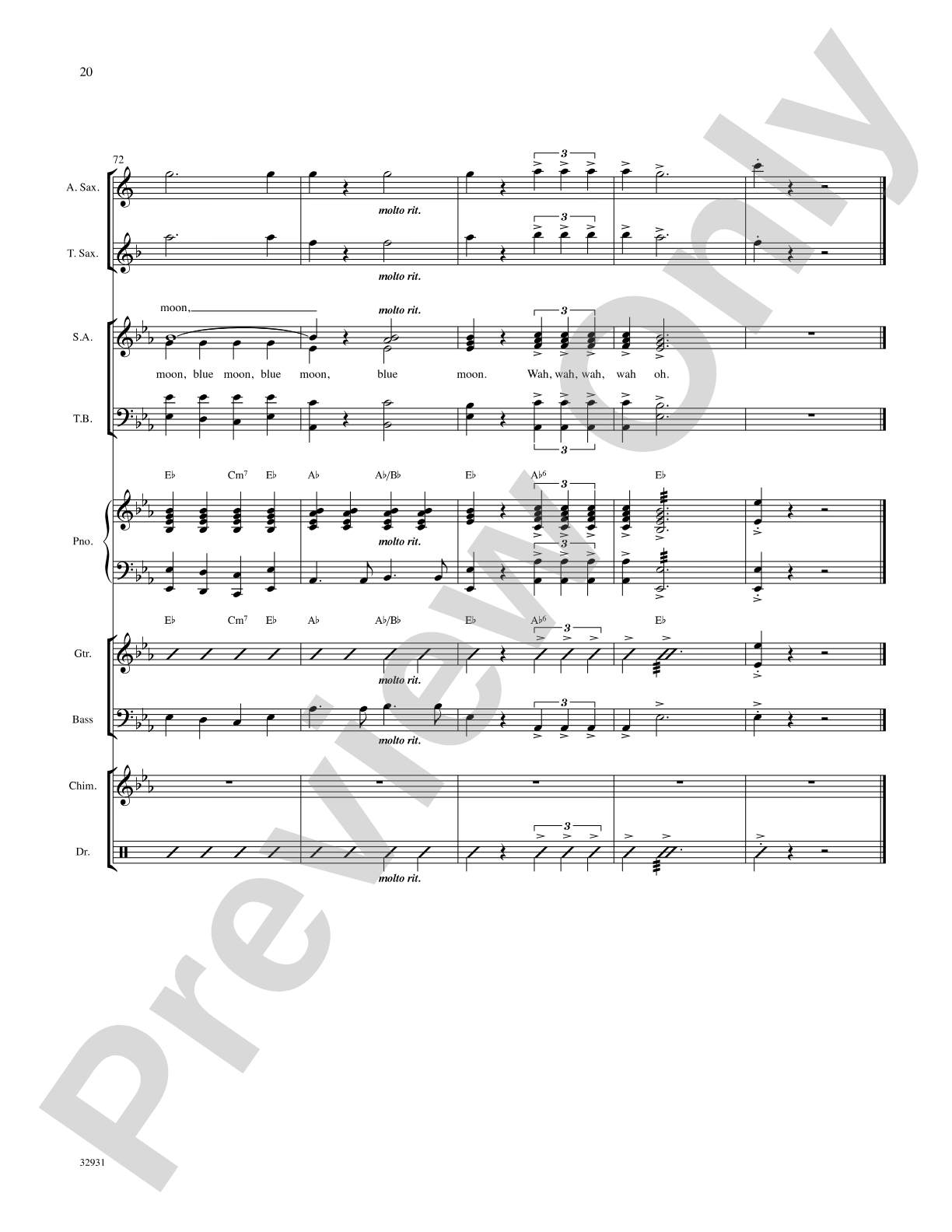
Only once in a blue moon does a song like this come along! This Rodgers and Hart hit has been recorded by legions of stars. Jay's arrangement starts soulfully, then kicks into The Marcels' 1961 doo-wop version.


Don't just read it, hear it, play along with it, and watch your students grow with it. In MakeMusic Cloud, Blue Moon: Choral SoundPax comes alive with professional accompaniment, adjustable tempo, and built-in practice tools that turn solo practice into real progress.
Open in the Player
Jump straight in and assign it today.
Start Your Free Trial
Open this title and explore the full library in minutes.
Sample Audio
1
Audio File
--:--
0:00
0:00
Sample Video
No sample videos found.
Additional Details
Series:
Alfred Pop Choral Series
Publisher:
Alfred Music
Page Count:
22
SKU:
00-PK-0004125
Instrumentation:
SoundPax
More about this title
About the Composer: Richard Rodgers
Richard Rodgers (1902-1979) stands as one of the most prolific and successful American composers of the twentieth century. His collaborations with lyricist Lorenz Hart and later Oscar Hammerstein II produced some of the most enduring songs in the musical theater canon, from jazz-inflected standards to sweeping theatrical moments that defined the golden age of Broadway.
Why we love this
Jay Althouse's arrangement lets you program a genuine classic without losing contemporary energy. The structural arc from intimate soulfulness to driving 1960s doo-wop feels fresh for singers who know this song only from standards recordings, and the recorded accompaniment option means you can build a full-sounding arrangement even with limited instrumentation.
What to expect
The piece opens with the wistful romanticism of midcentury popular song, all vulnerability and yearning. Then it pivots into the infectious, playful energy of doo-wop, with its rhythmic precision and close-harmony charm reminding singers why this song has endured for generations.
Who it's for
Choirs seeking an accessible arrangement of a beloved standard that offers both vocal warmth and rhythmic sophistication. This works for intermediate to advanced high school choirs, college groups, and community choruses looking to expand beyond traditional barbershop or classical approaches to standards.
How to get the most out of it
- Shape the opening soulfully by encouraging singers to find the lyrical warmth in their voices before the tempo lifts; the contrast between the two sections depends on this dynamic range.
- Use the doo-wop section to lock in rhythmic precision; have your rhythm section listen closely to the recorded accompaniment to catch the specific groove and articulation.
- Balance the blend between parts during the homorhythmic passages by asking singers to listen across the chord, not just to their own line.
- Mark the transition point clearly in rehearsal and practice it separately; this shift in style and energy requires a clean handoff to land effectively.
How to use it
Pair this with other Rodgers and Hart standards for a Broadway retrospective, or use it as a lighter, rhythmically engaging counterweight to heavier contemporary choral works. The dual character makes it equally effective as an opening number to set an upbeat tone or as a featured mid-program change of pace.
Skills your students will build
- Stylistic contrast and dynamic control within a single arrangement
- Close-harmony doo-wop singing with crisp rhythmic articulation
- Singing across chord changes and maintaining blend in jazz-influenced progressions
- Interpreting recorded accompaniment and syncing ensemble rhythm to a groove