
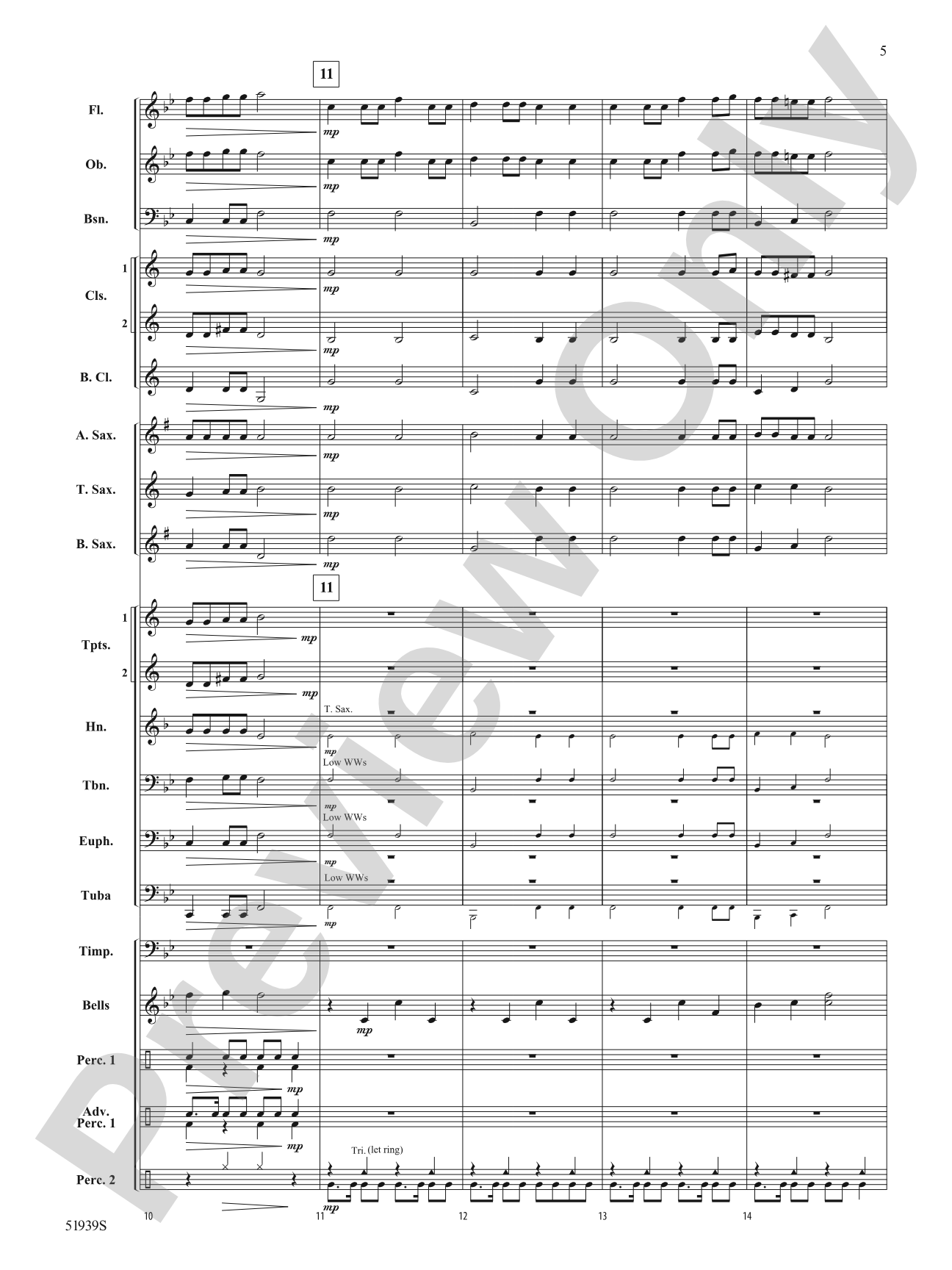
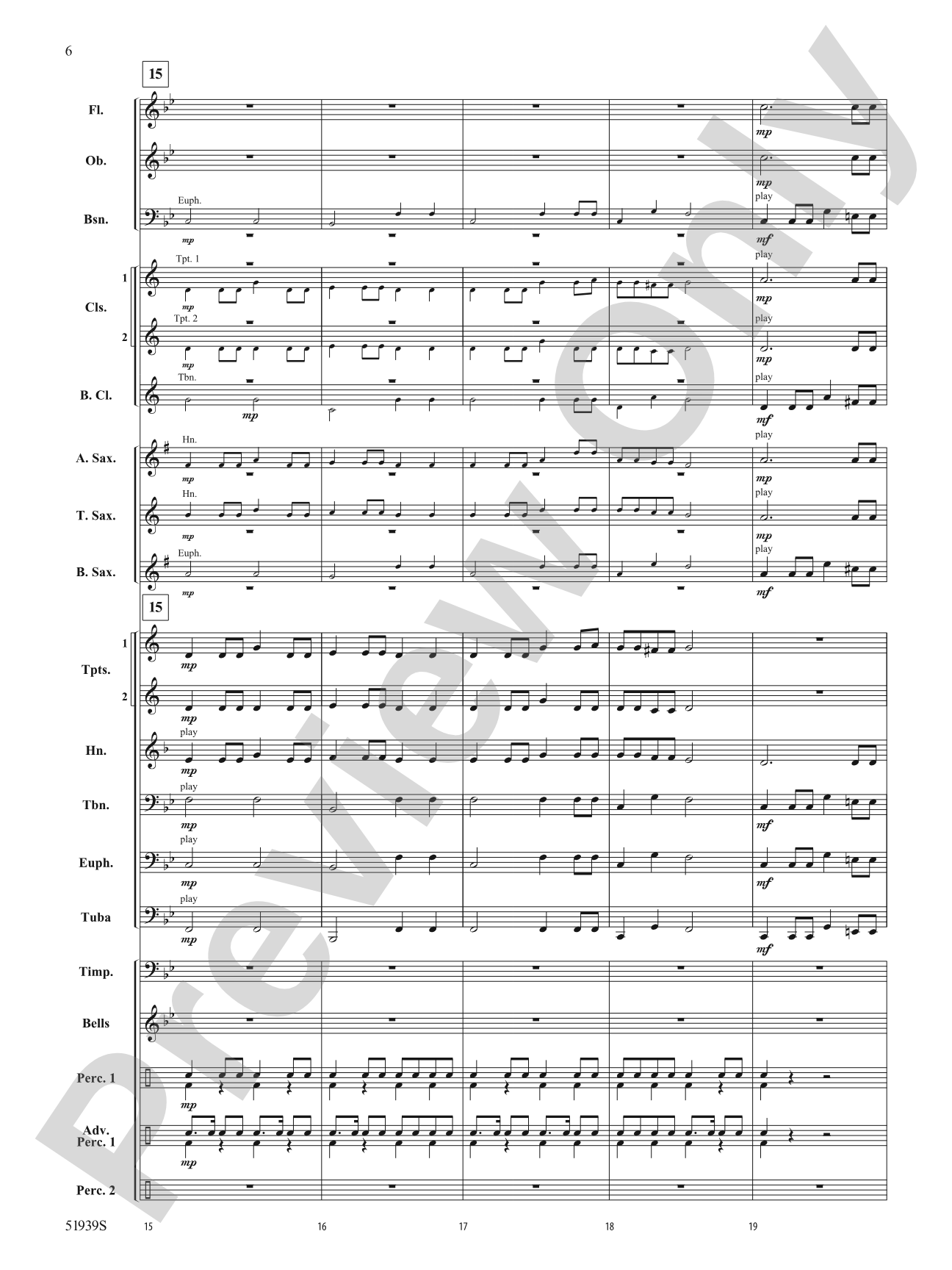
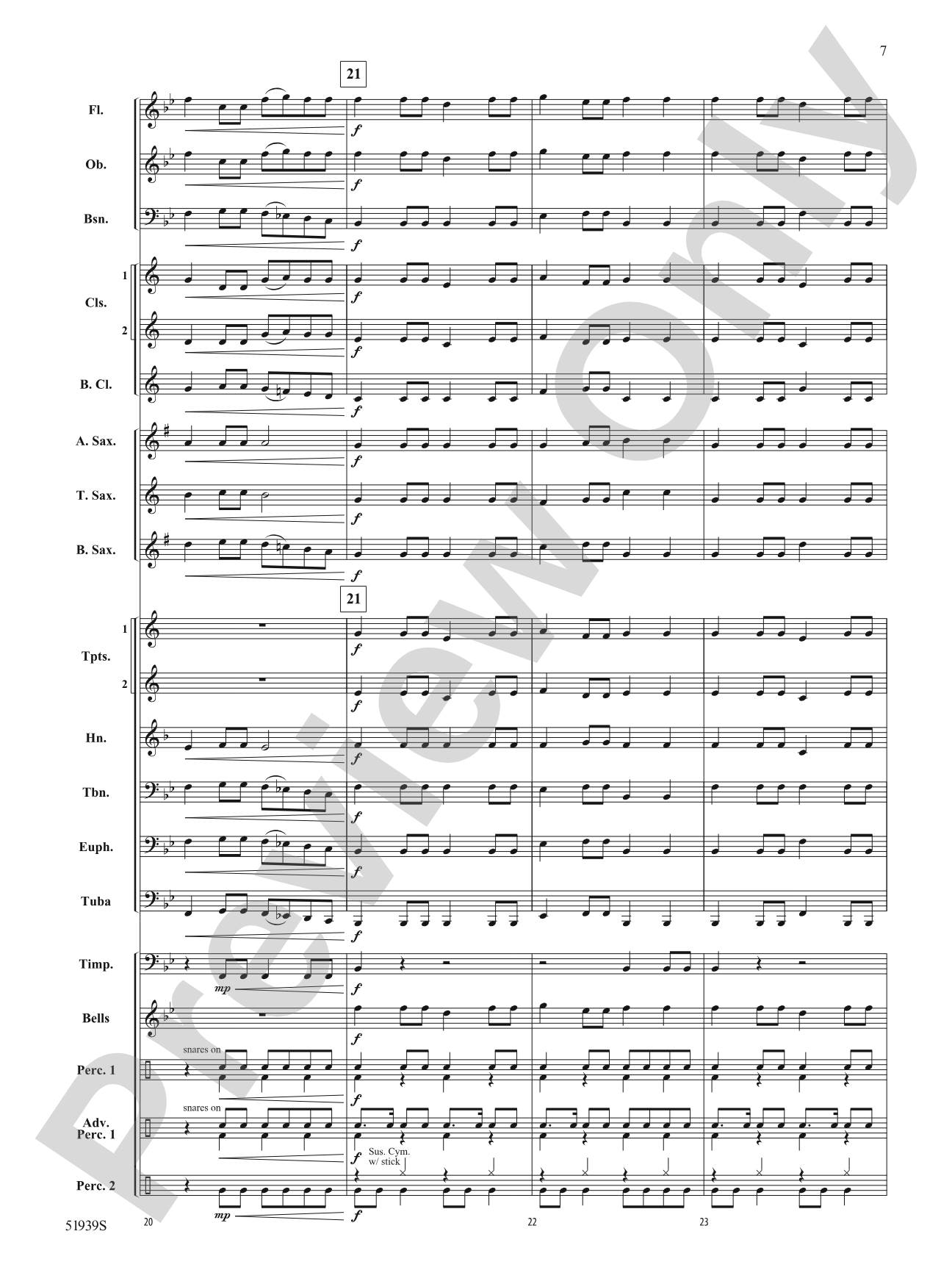
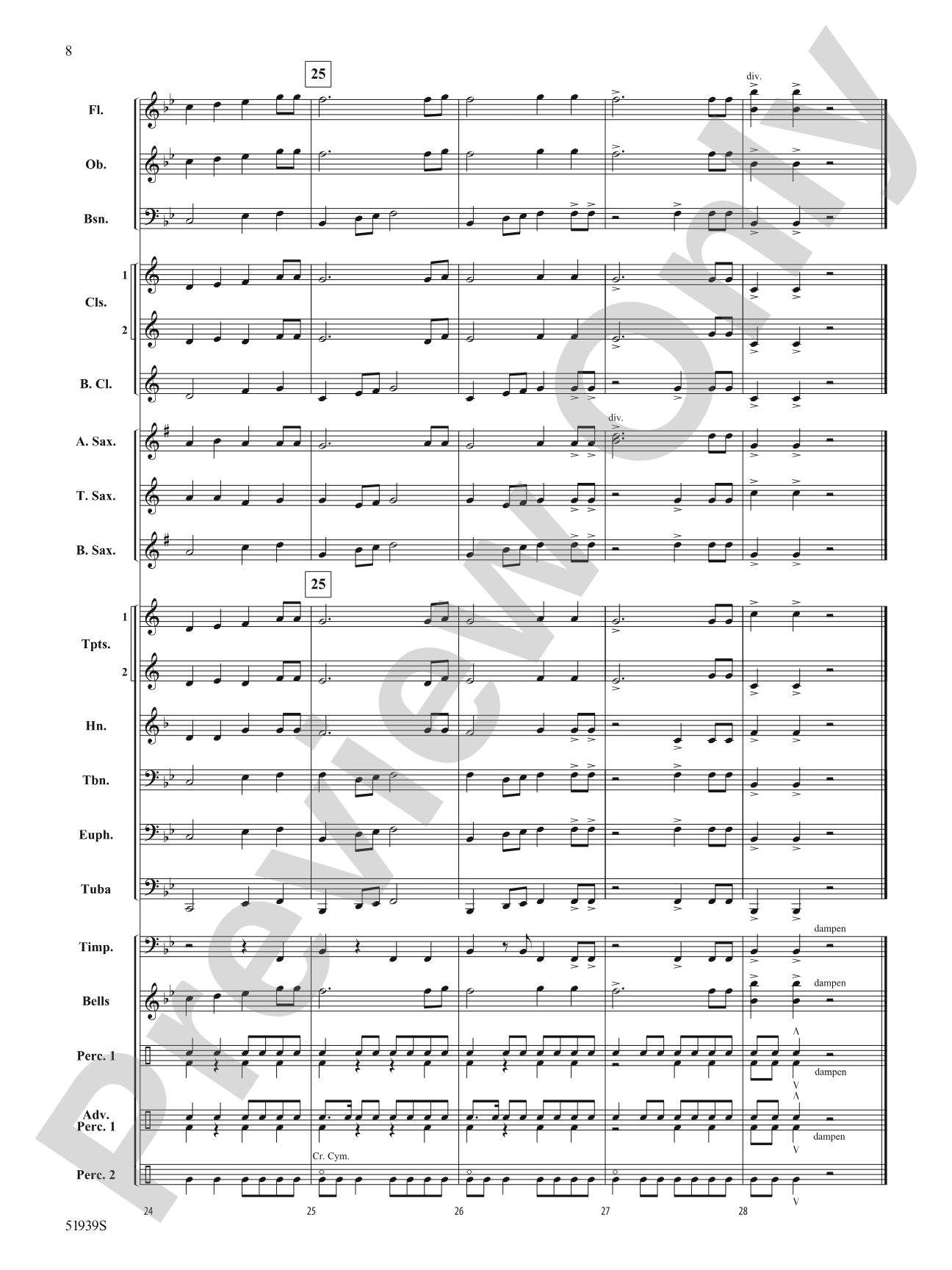
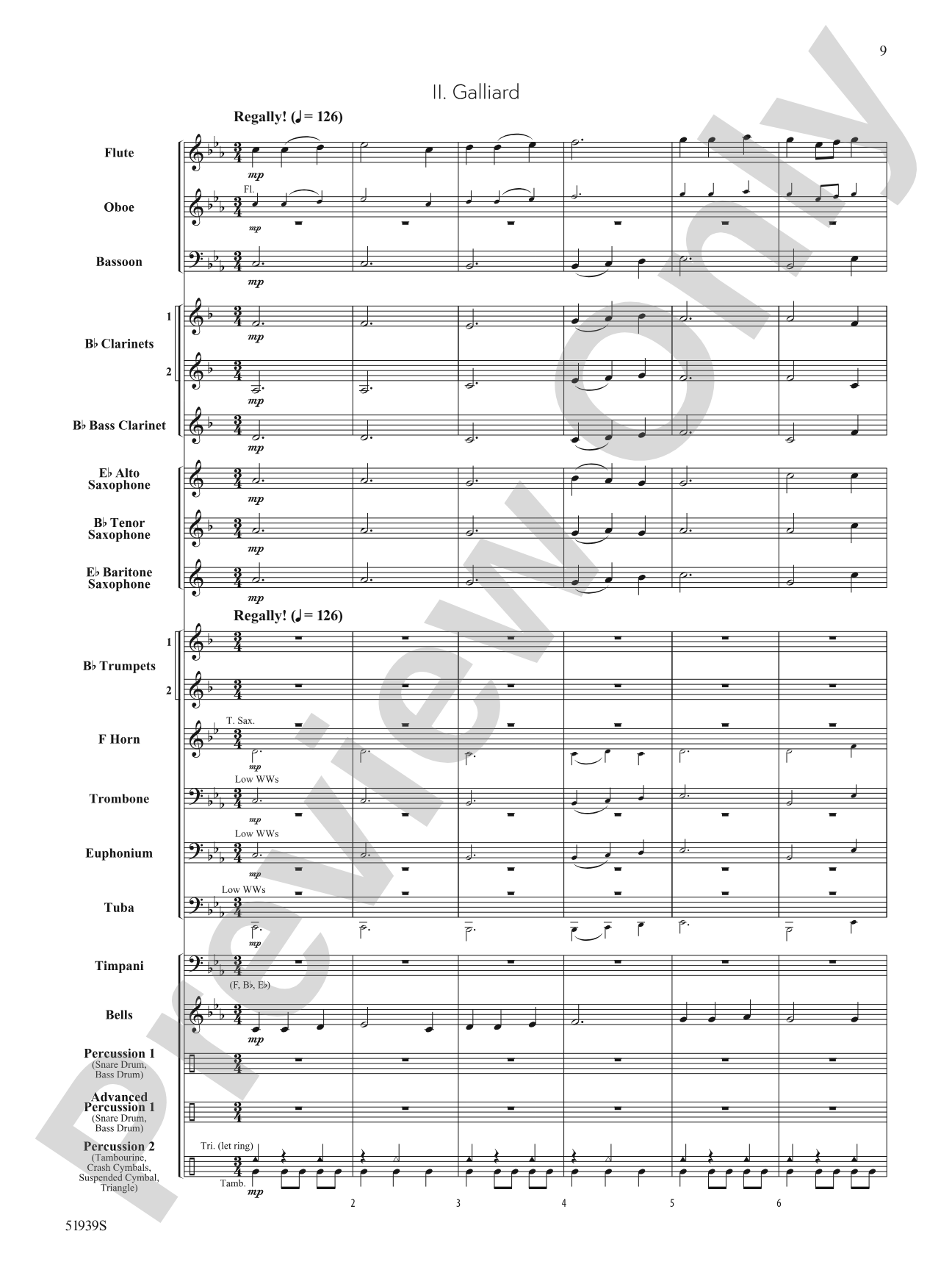
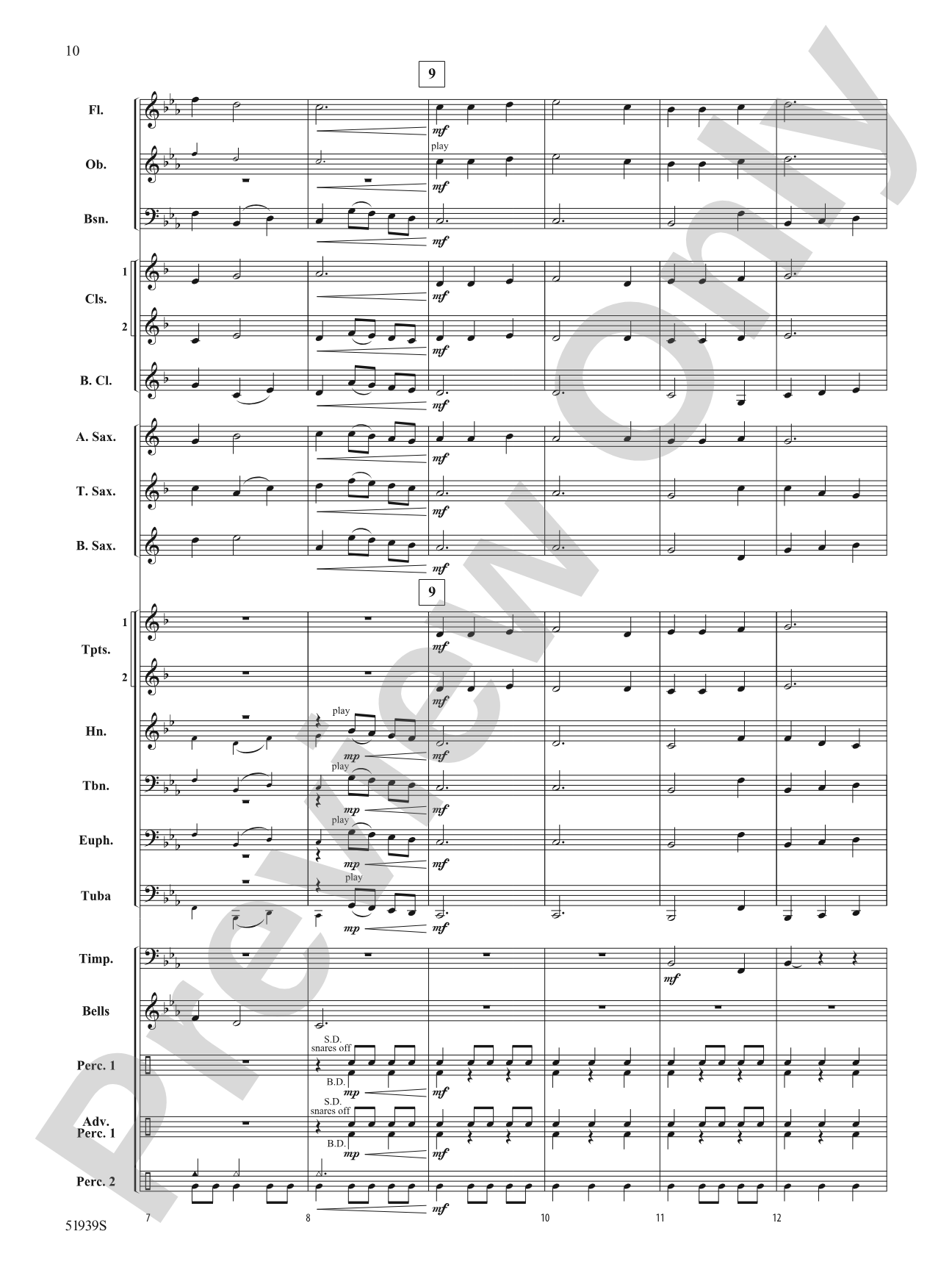
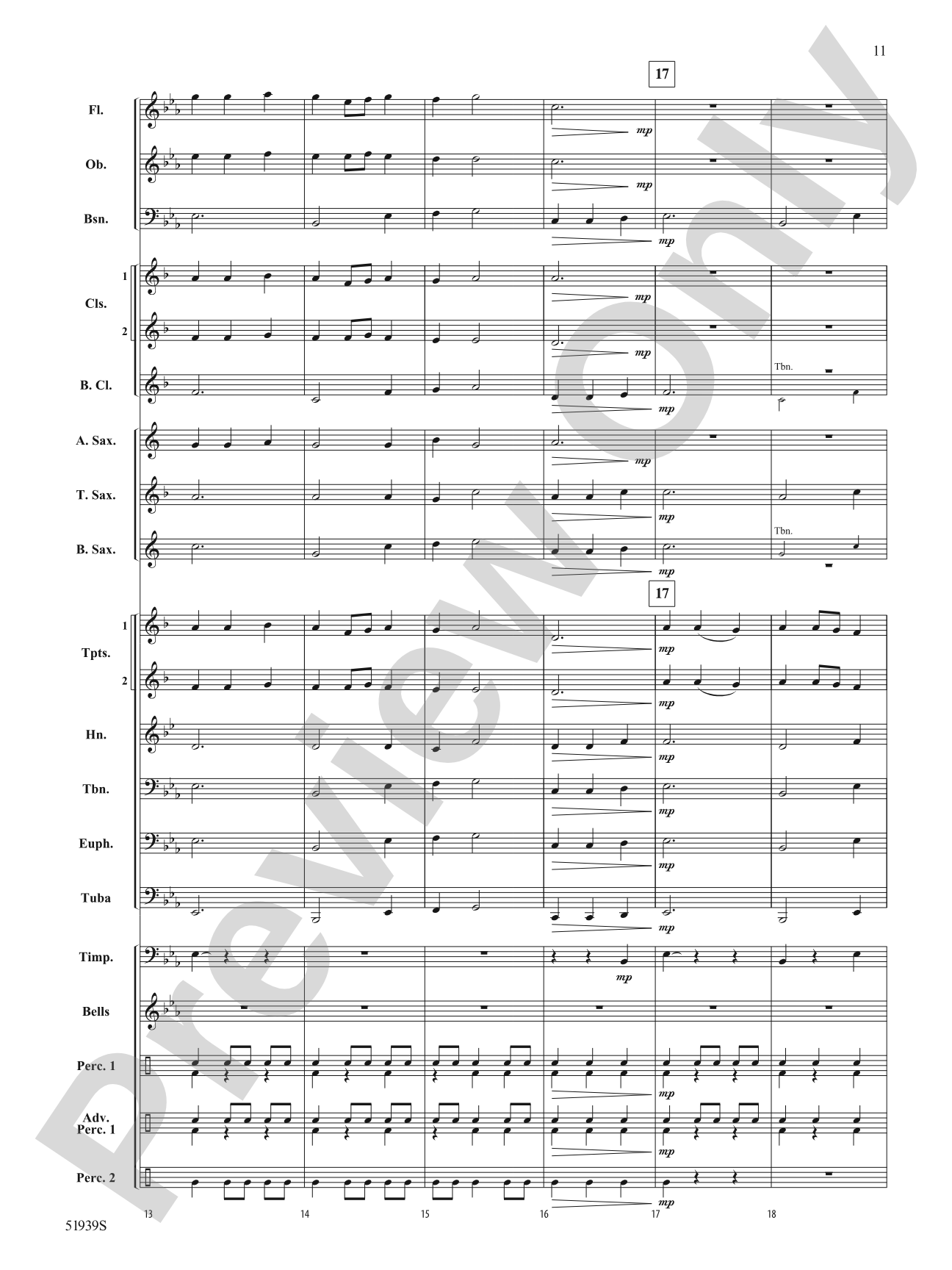
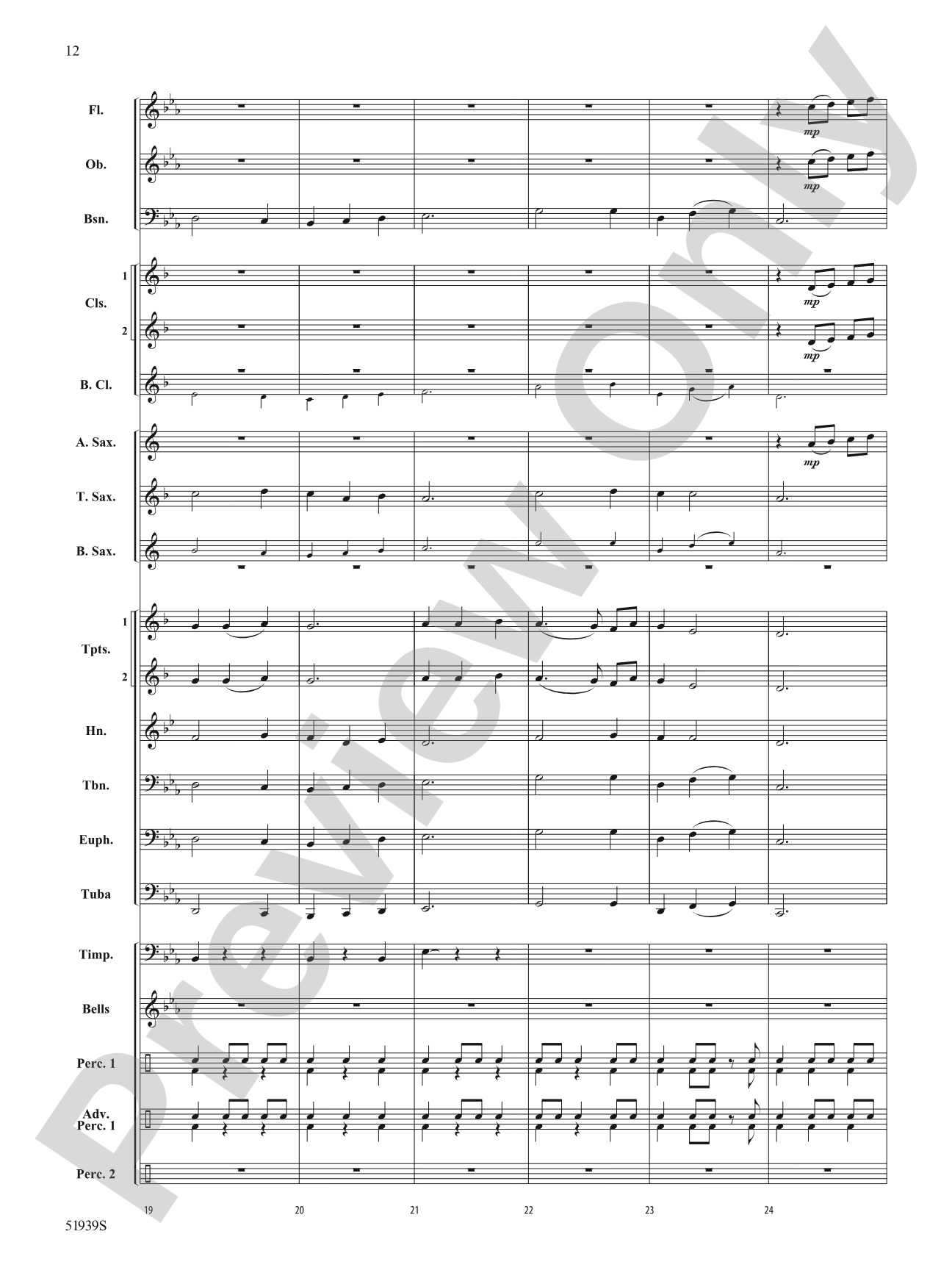
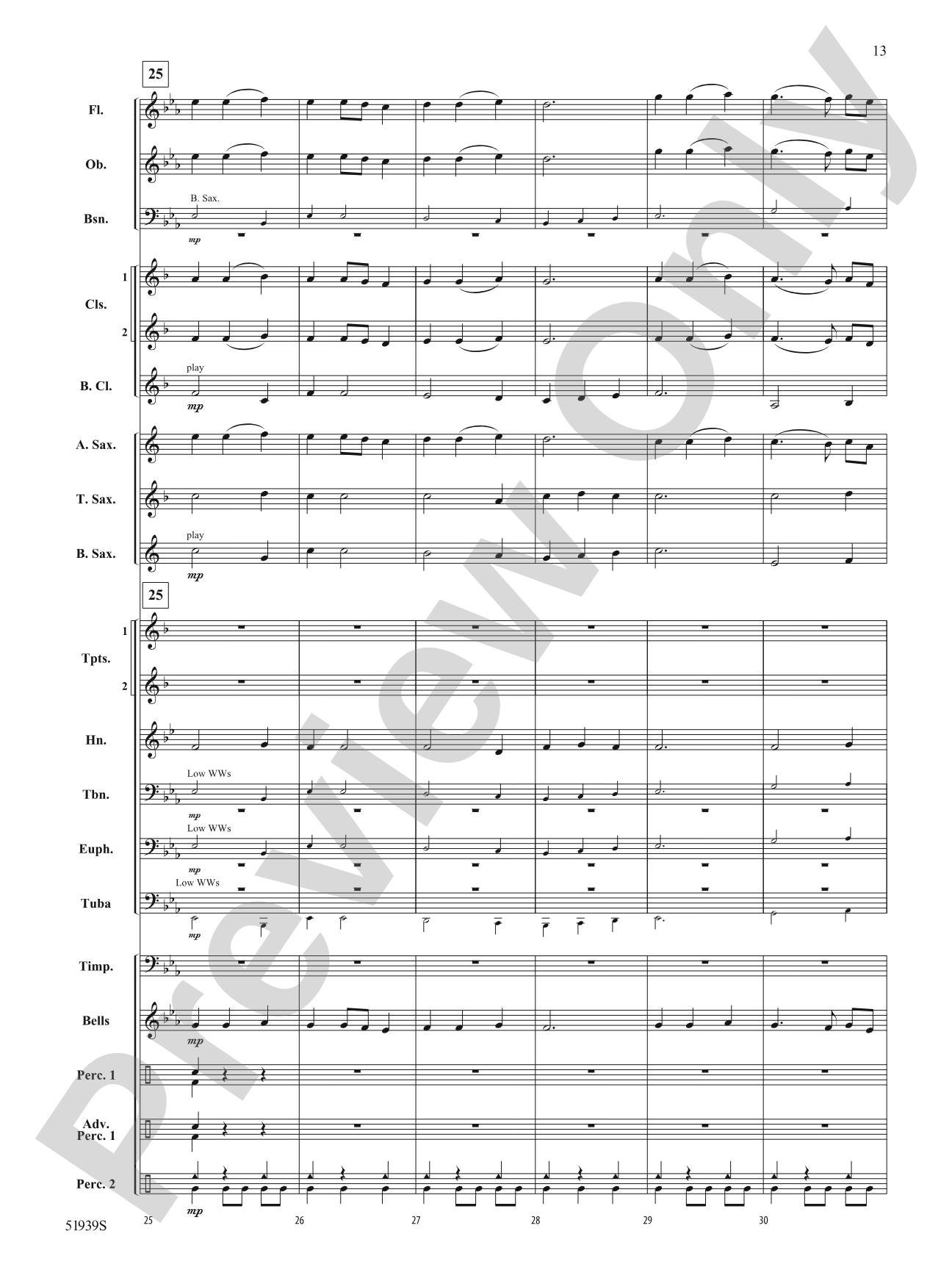
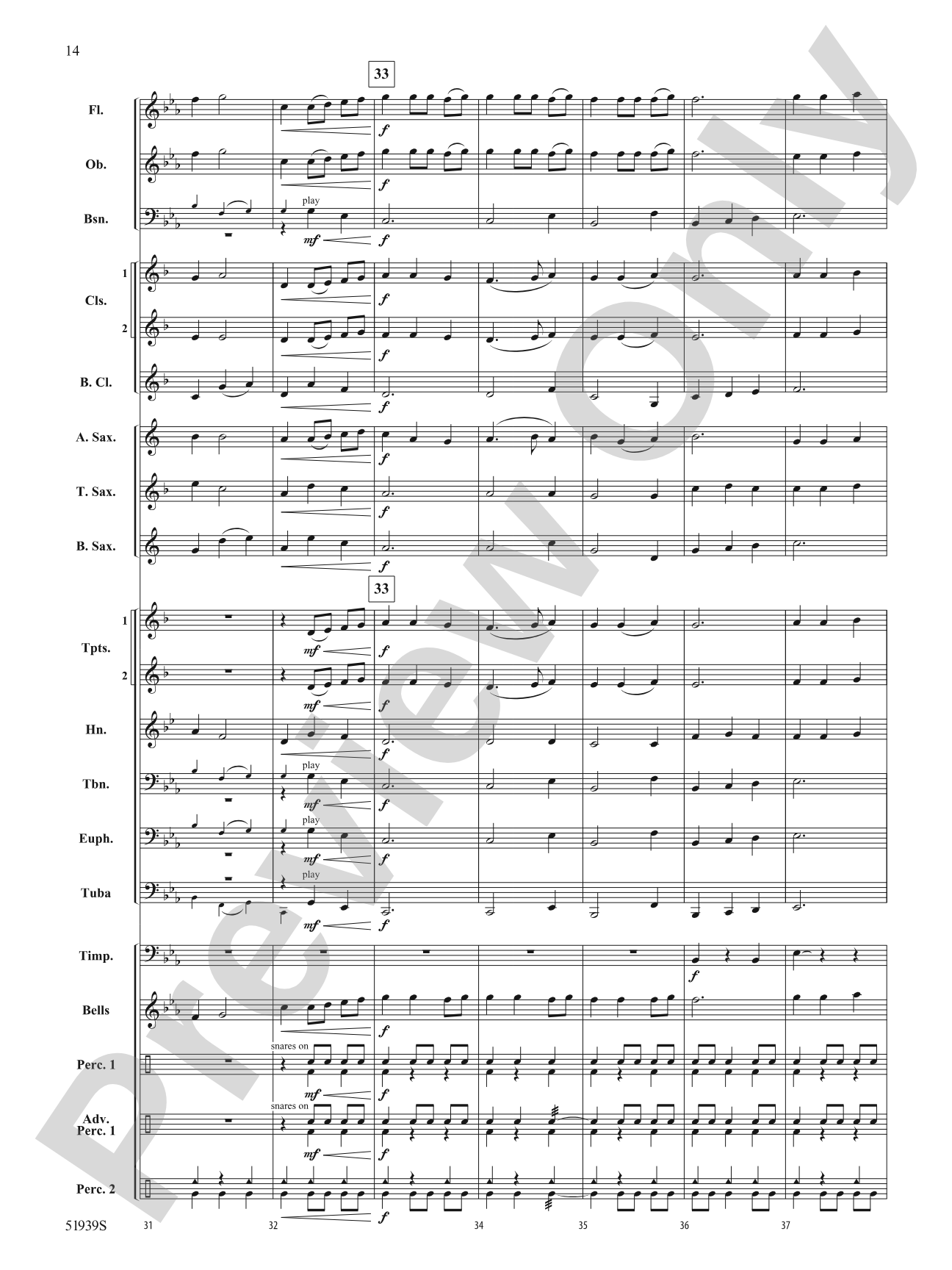
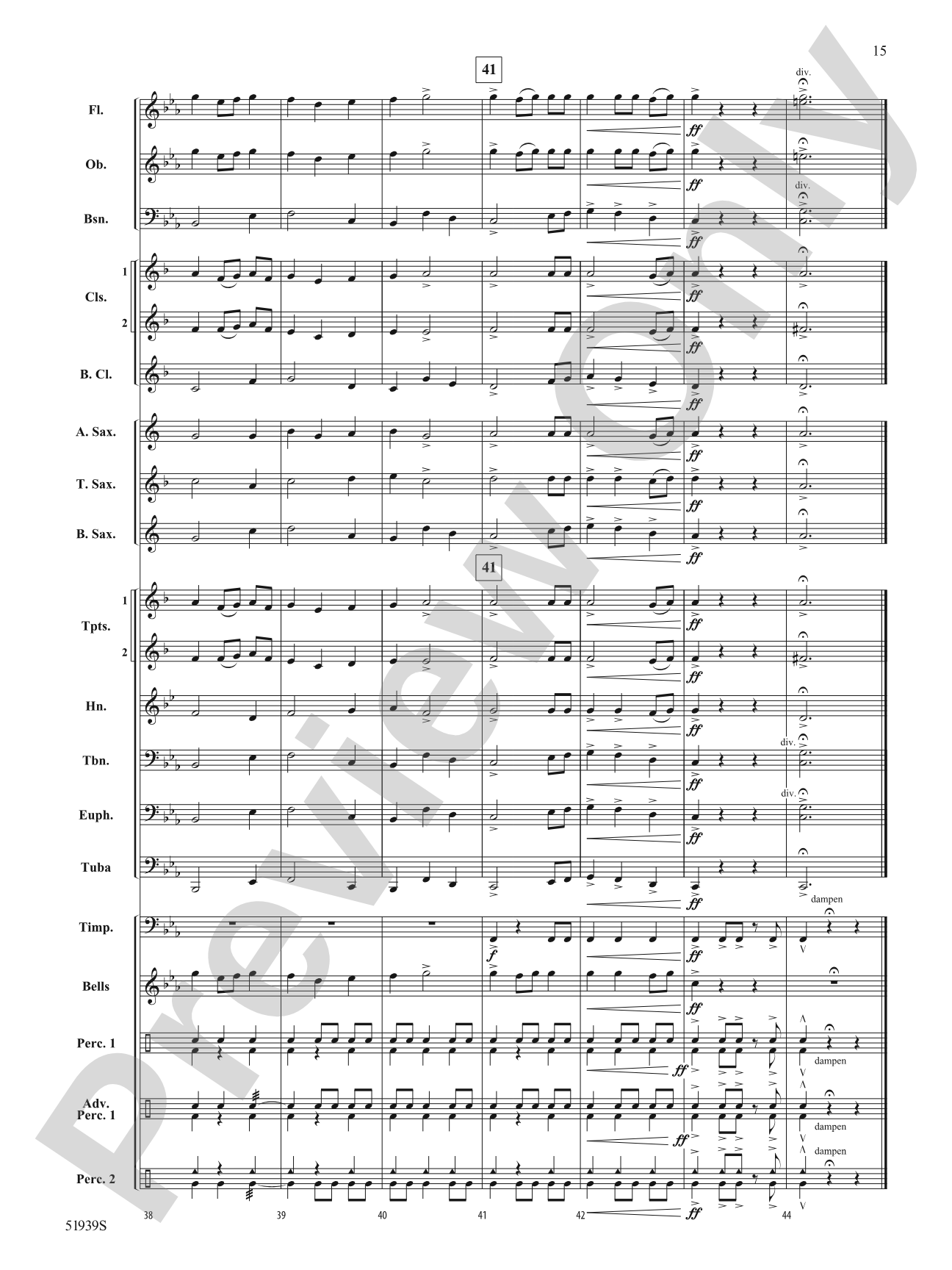
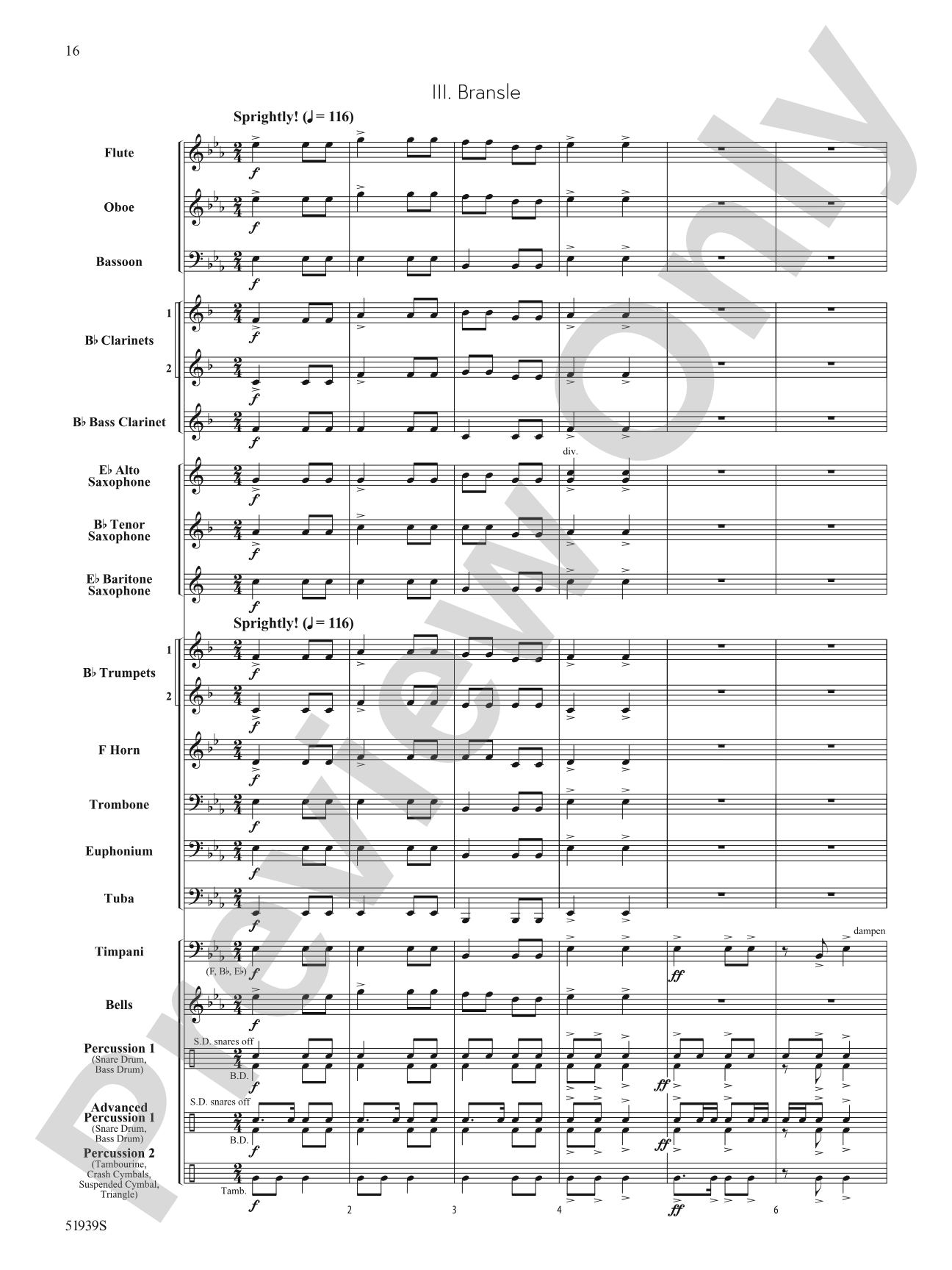
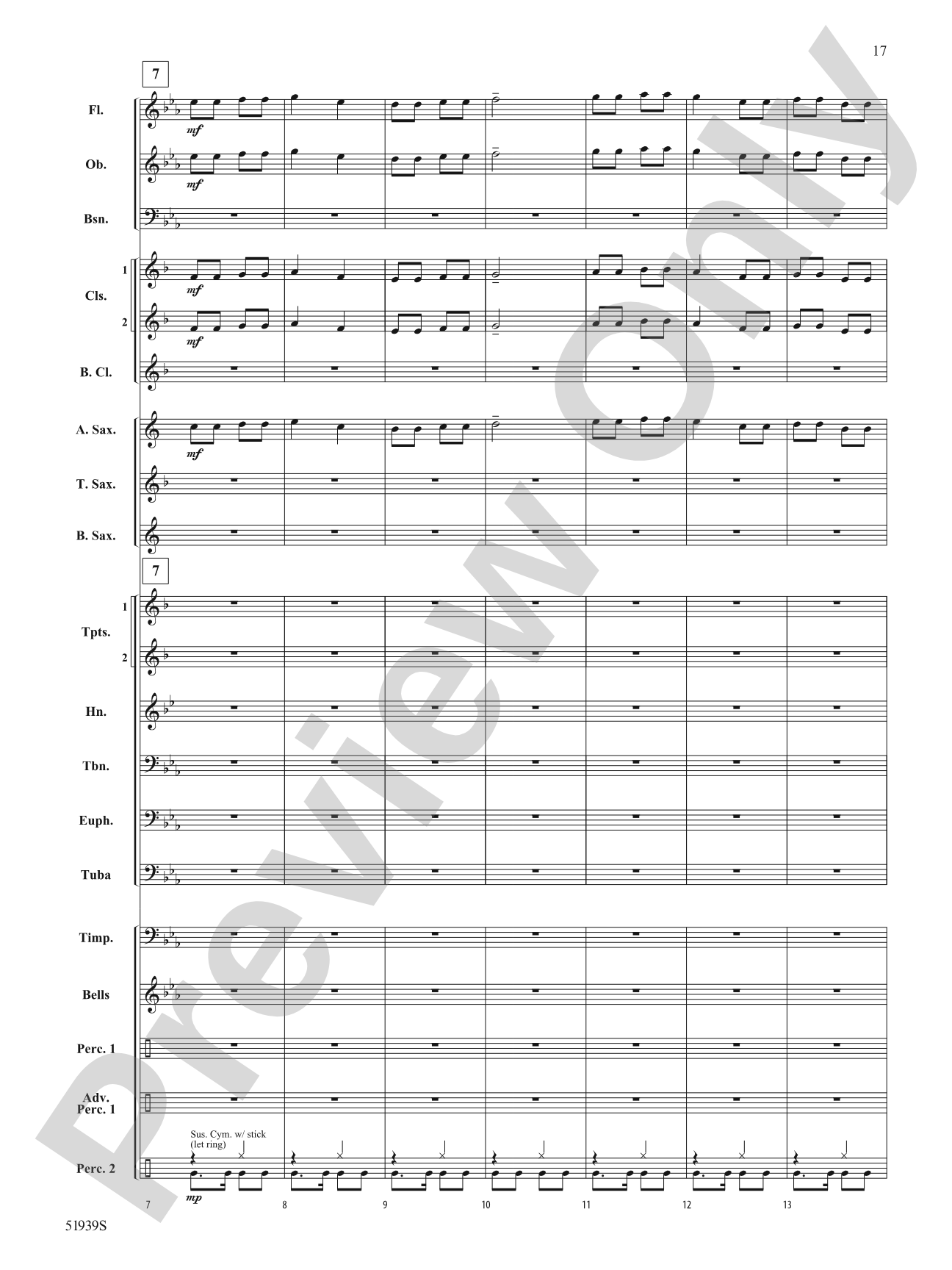
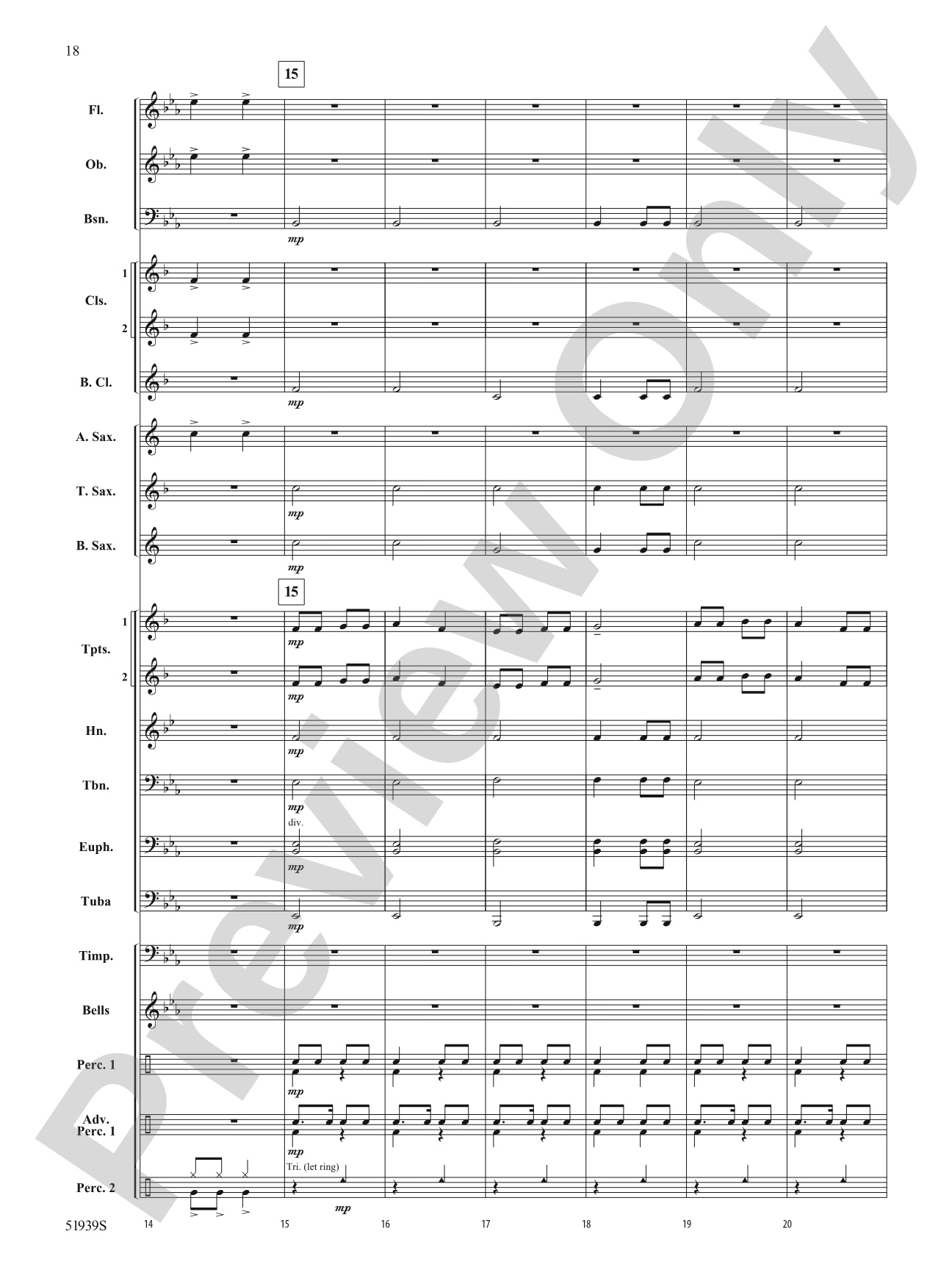
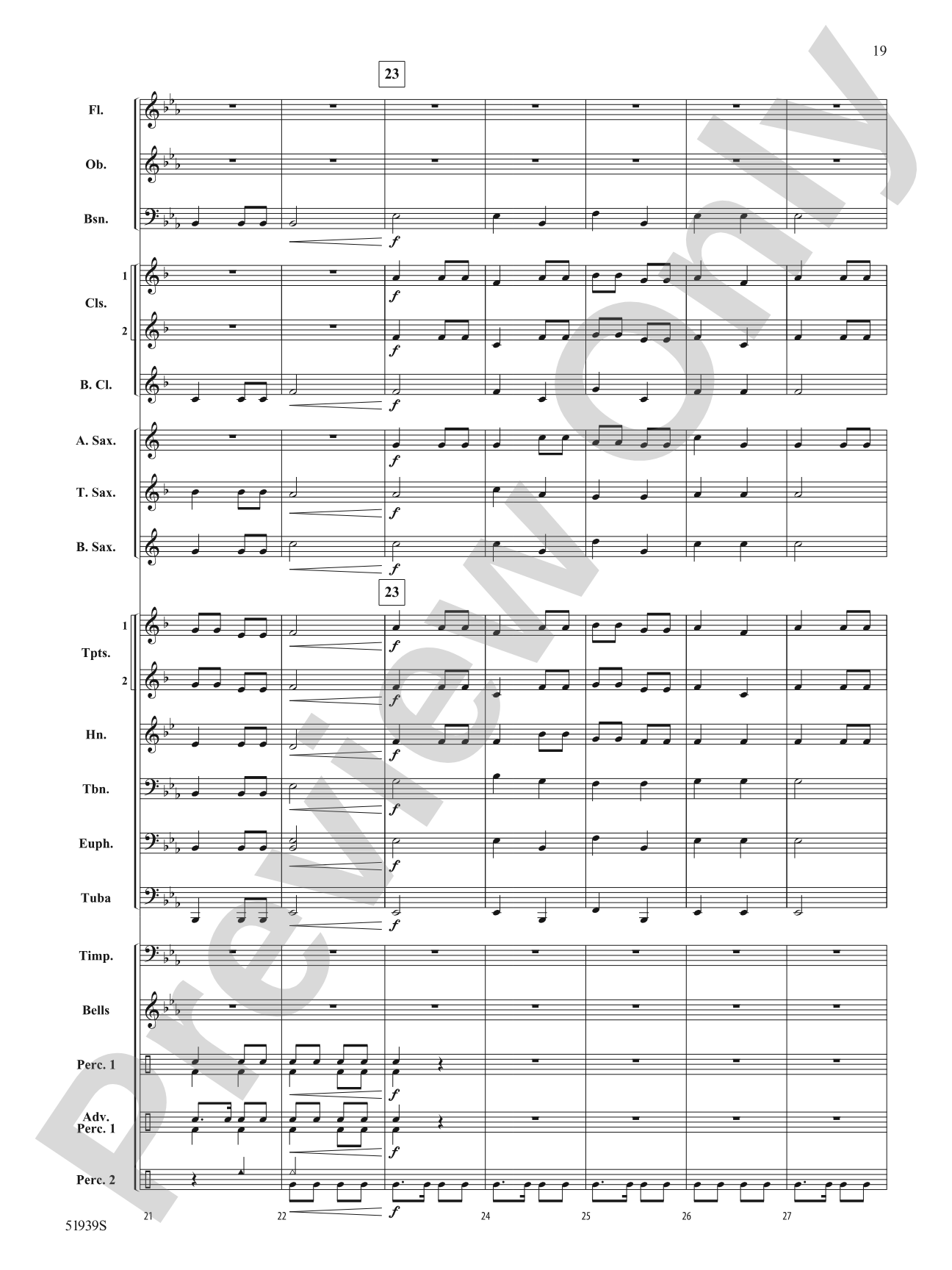
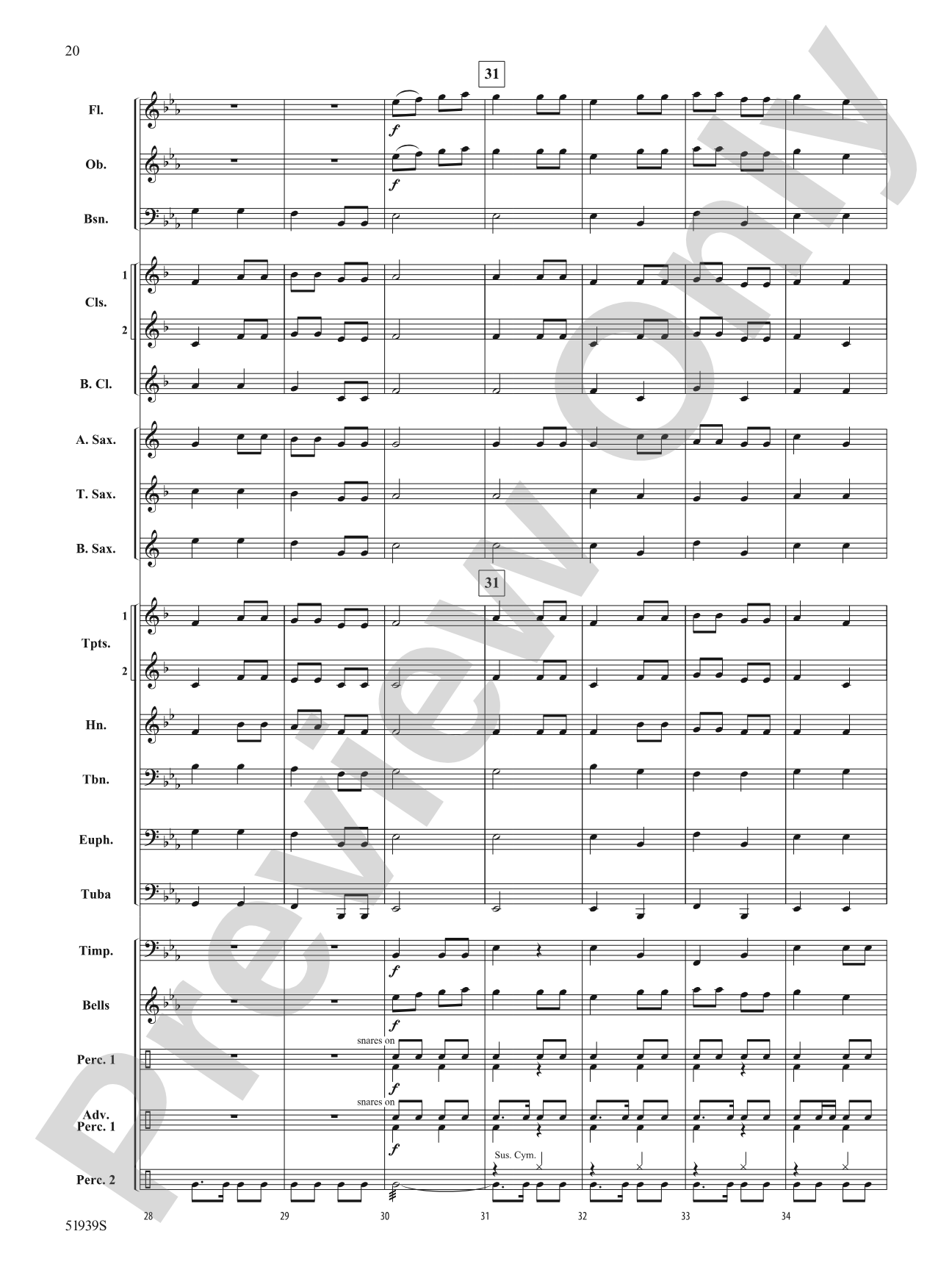
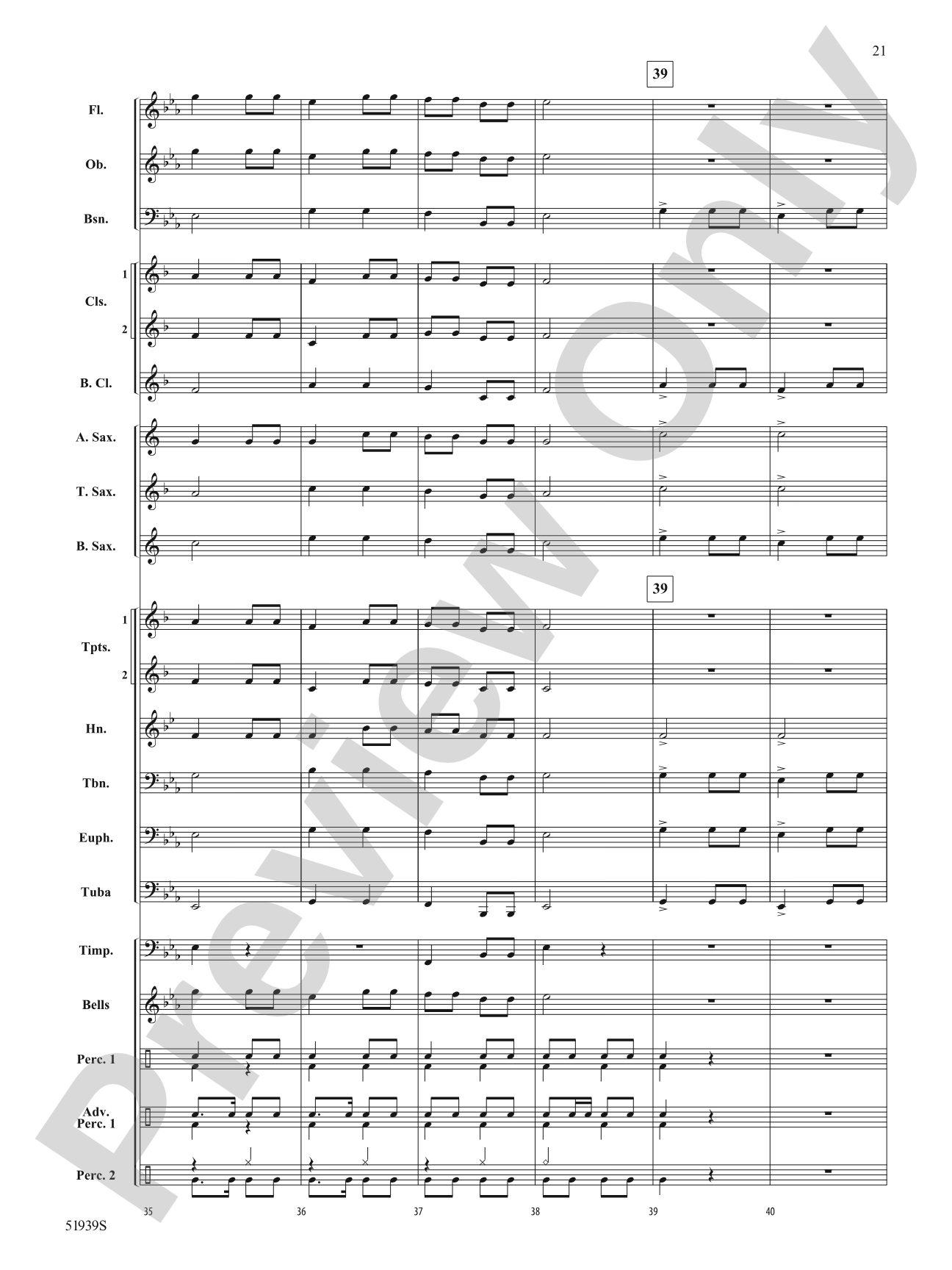
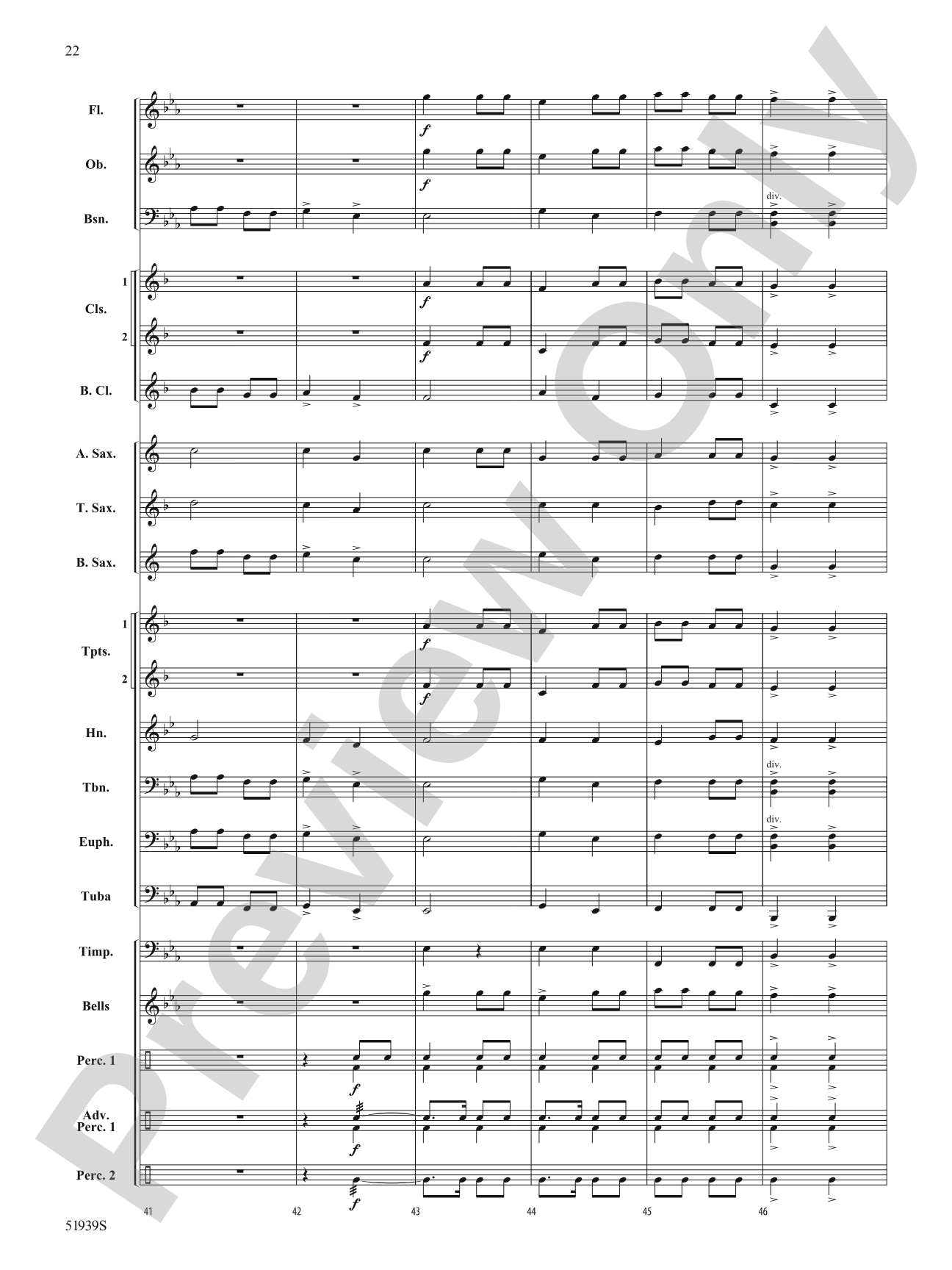
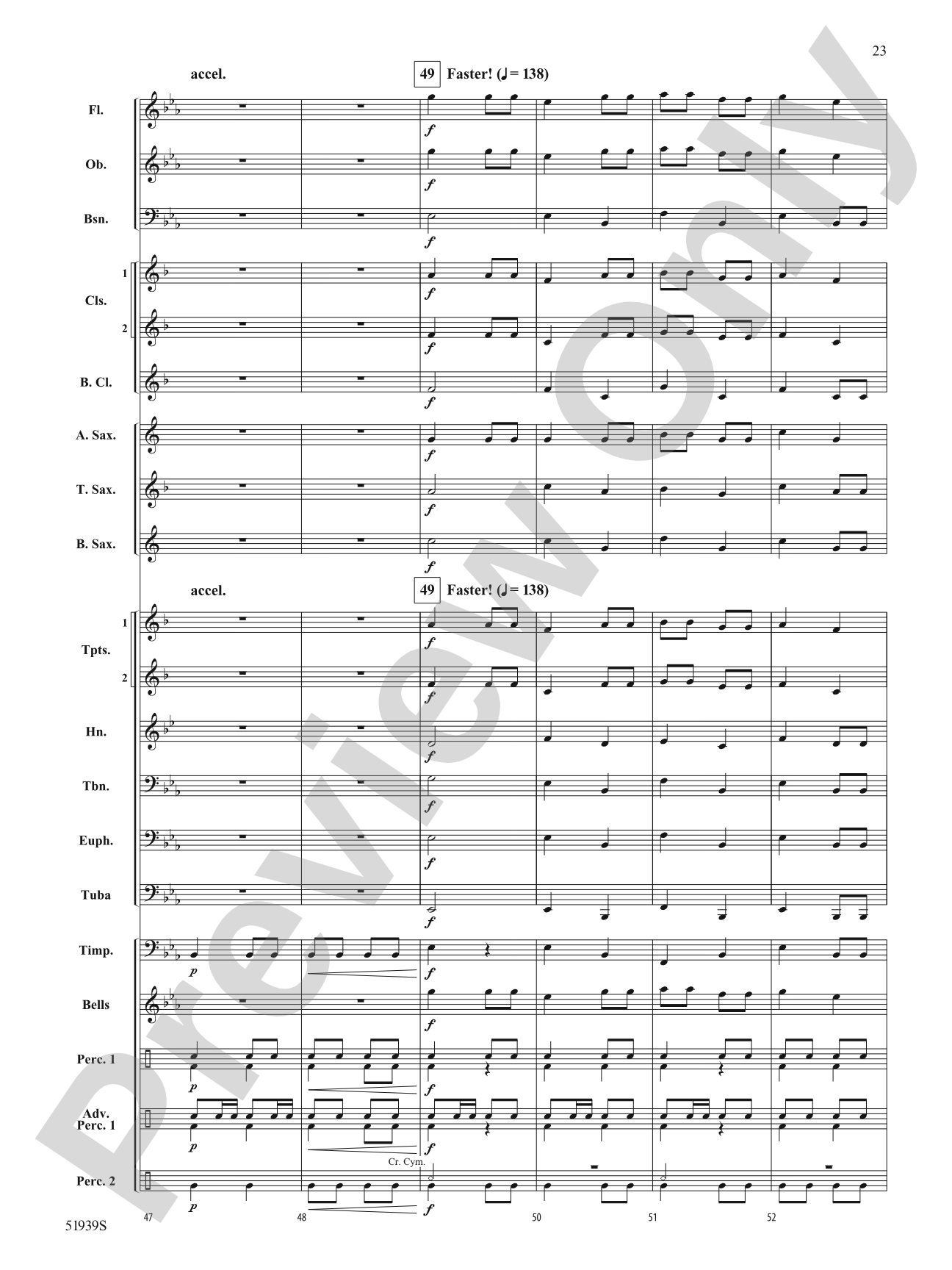
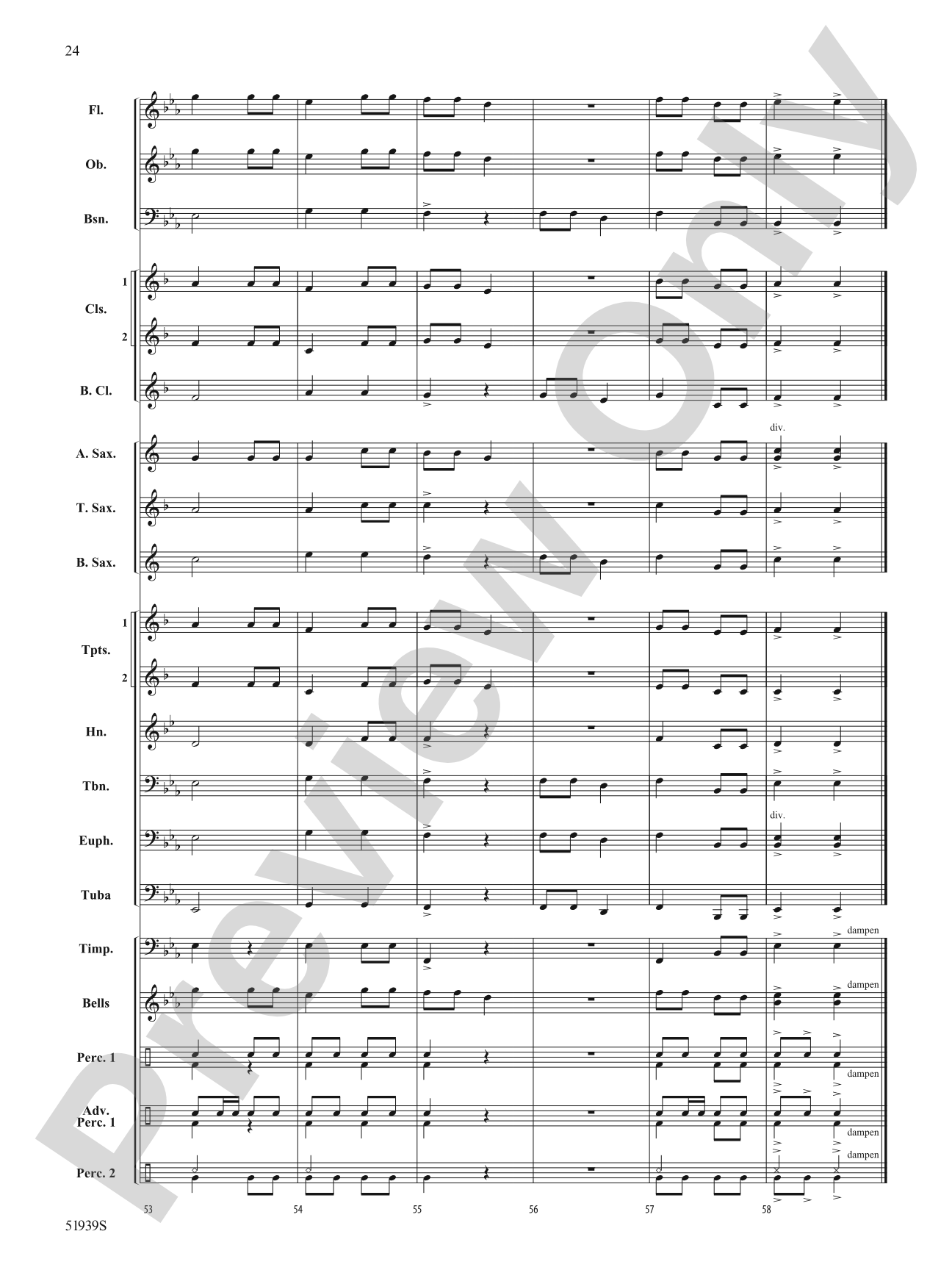

At the Royal Court: Concert Band Conductor Score & Parts
By William Owens
Grade: 1.5
Item: 00-PK-0009137

$65.00
Pickup currently not available
Buy Extra Parts (Digital PDF Download)
Parts Added to Cart!
Description
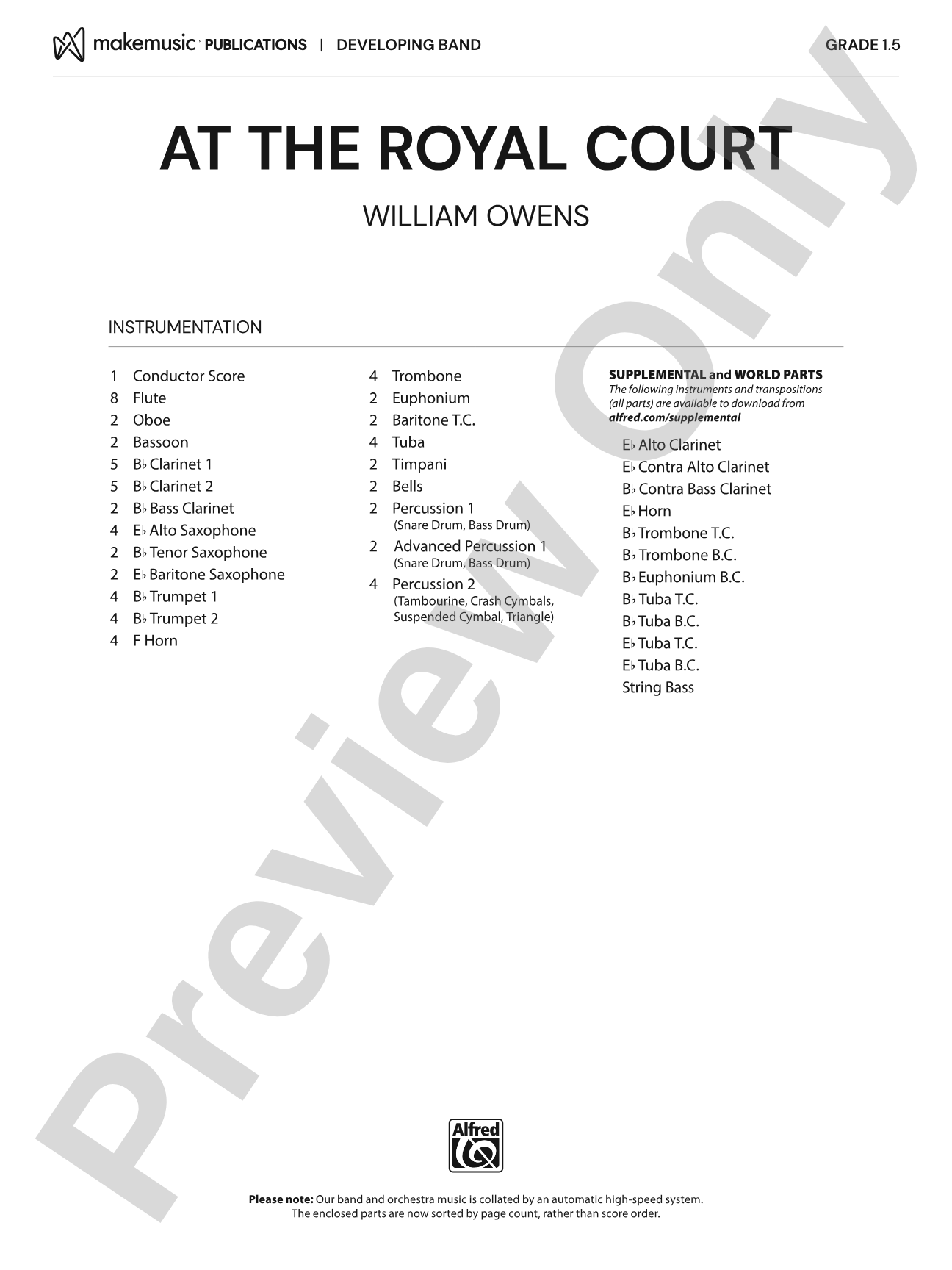
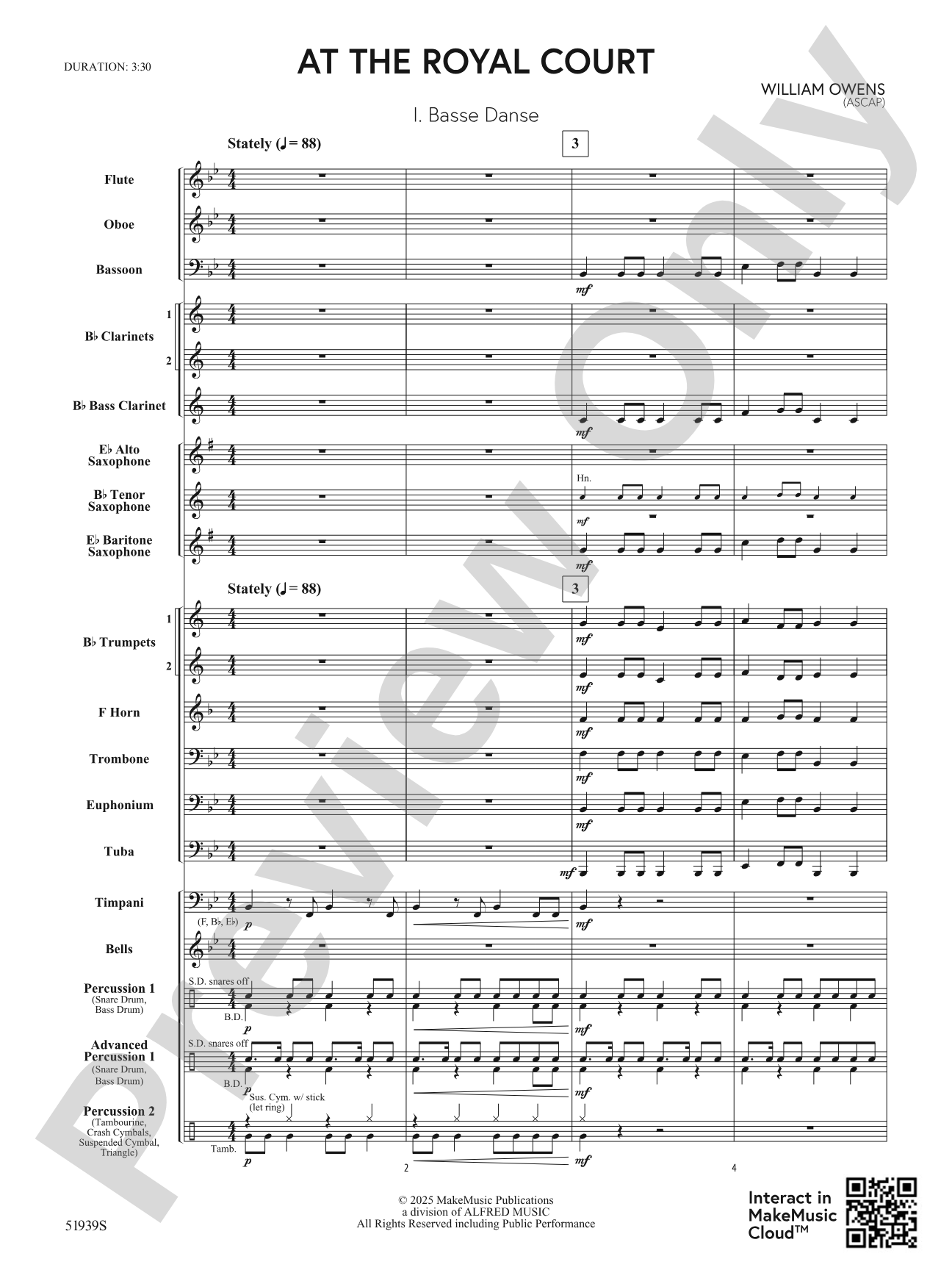
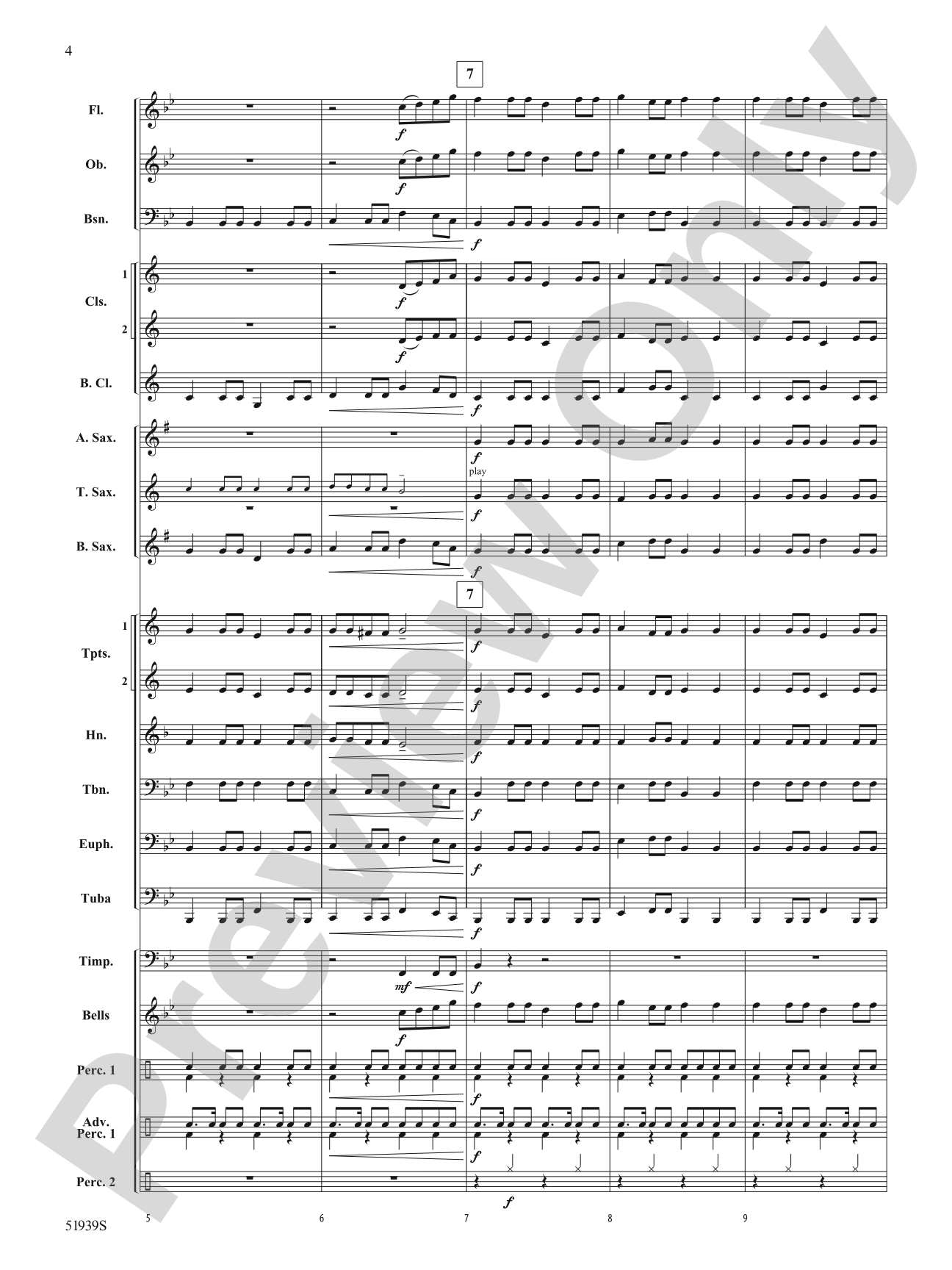
Revisit the magic of the Renaissance with At the Royal Court, a clever and engaging original work by William Owens that sounds remarkably sophisticated yet is extremely playable! This three movement work is inspired by popular dance forms from the era including "Basse Danse," "Galliard," and 'Bransle." Perform individual movements or as a complete set! (3:30)


Don't just read it, hear it, play along with it, and watch your students grow with it. In MakeMusic Cloud, At the Royal Court: Concert Band Conductor Score & Parts comes alive with professional accompaniment, adjustable tempo, and built-in practice tools that turn solo practice into real progress.
Open in the Player
Jump straight in and assign it today.
Start Your Free Trial
Open this title and explore the full library in minutes.
Sample Audio
1
Audio File
--:--
0:00
0:00
Sample Video
Additional Details
Series:
MakeMusic Developing Band
Publisher:
MakeMusic Publications
SKU:
00-PK-0009137
More about this title
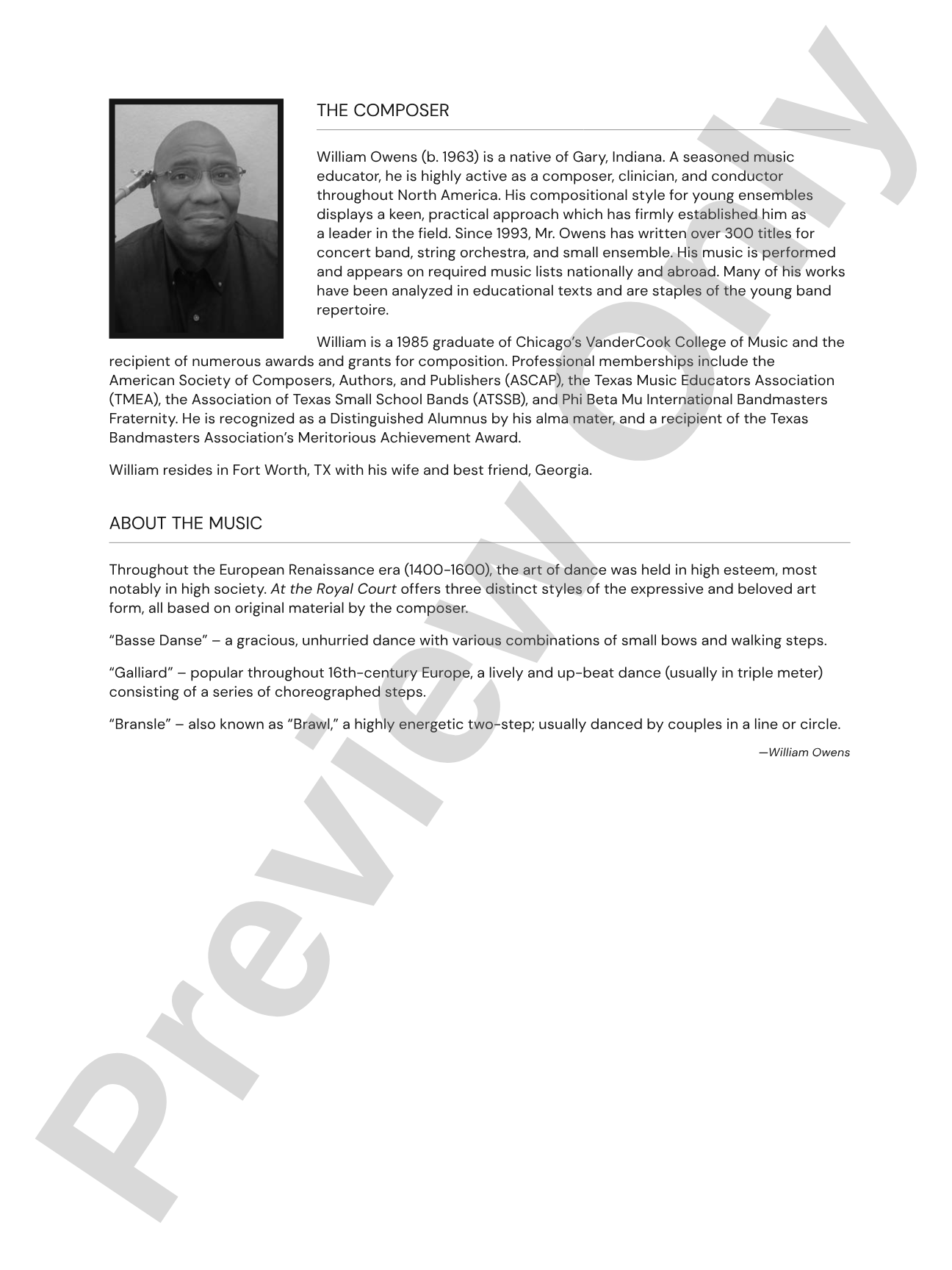
About the Composer: William Owens
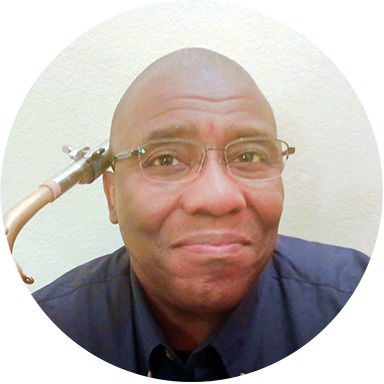
William Owens brings three decades of band directing experience to his prolific compositional career. Since 1993, he has written over 300 works for concert band, string orchestra, and small ensemble, establishing himself as a trusted voice in young band repertoire. His compositions are known for their pedagogical clarity and musical substance, appearing on festival lists and in educational texts across the country.
A 1985 graduate of VanderCook College of Music, Owens is an active clinician and conductor throughout North America. He served as a high school band director in Texas for 30 years before retiring in 2014. His contributions to music education have earned him recognition as a Distinguished Alumnus and a recipient of the Texas Bandmasters Association's Meritorious Achievement Award. He holds memberships in ASCAP, TMEA, and Phi Beta Mu International.
Why we love this
Owens understands what young bands need: music that sounds richer than it plays. The three distinct movements give you flexibility in programming (perform them together or separately) while the Renaissance framework provides immediate context and appeal. Students hear themselves playing something genuinely sophisticated, which builds engagement and pride.
What to expect
Step into the court of a Renaissance palace. "Basse Danse" unfolds with courtly dignity; "Galliard" crackles with elegant energy and playfulness; "Bransle" invites movement and collective joy. Owens captures the era's spirit without sounding stiff or dated.
Who it's for
Grade 1.5 bands that want to program something memorable without stretching beyond their technical reach. Directors preparing for contests or festivals will find a piece that earns respect from adjudicators while remaining accessible to developing ensembles.
How to get the most out of it
- Balance the melodic lines across sections. At this grade level, it's easy for one voice to overshadow others, so rotate principal parts among qualified players to develop ownership.
- Give each movement its own character in rehearsal. "Basse Danse" calls for deliberate, stately phrasing; "Galliard" sparkles with lighter articulation; "Bransle" swings with dance-like momentum. Help students feel the shift.
- Address any technical demands early so they don't distract from musicality. Owens keeps technical writing playable, but isolate trouble spots before working full sections.
How to use it
Open a concert with all three movements as a short suite, or use them separately across different programs to give each piece room to breathe. The Renaissance theme pairs well with themed concerts or humanities partnerships; the moderate length (3:30) makes it ideal for festivals where time matters.
Skills your students will build
- Characterization within programmatic music (distinguishing three contrasting dance styles)
- Phrasing over longer melodic lines
- Balance between accompanied melody and harmonic support
- Stylistic articulation (legato versus lighter, dance-inflected tonguing)
- Reading at a brisk tempo while maintaining clarity