Ask Me No More Cover Image

Ask Me No More: SATB Choral Octavo

$2.25 USD
Sale price  $2.25 USD Regular price 
Skip to product information
Ask Me No More Cover Image

Ask Me No More: SATB Choral Octavo

Text by Sir Alfred Lord Tennyson, music by Ruth Morris Gray

Item: 00-27411

makemusic Cloud badge

Need it now?

Buy Digital Version
$2.25
Shipped

One moment…

Description
The words of Sir Alfred Lord Tennyson are beautifully set in this lush, contemporary choral for distinguished choirs. Seamless metric changes, rich vocal harmonies, and a graceful piano motif vividly capture the poetic mood. An exquisite work with a haunting melodic theme.

Don't just read it, hear it, play along with it, and watch your students grow with it. In MakeMusic Cloud, Ask Me No More: SATB Choral Octavo comes alive with professional accompaniment, adjustable tempo, and built-in practice tools that turn solo practice into real progress.

Sample Pages

Sample Audio
0:00
0:00
Sample Video
Additional Details
Series: Alfred Archive Edition: Lawson-Gould Music Publishers
Publisher: Alfred Music
Page Count: 12
UPC: 038081296708
SKU: 00-27411

More about this title

About the Composer: Ruth Morris Gray
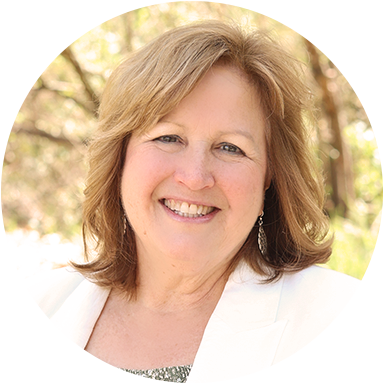
Ruth Morris Gray

Ruth Morris Gray has shaped choral music education as Director of Choirs at Rosemead High School in Rosemead, California, where she has taught since 2004. Her compositional output spans over 100 published works, grounded in dual expertise: she holds a Bachelor of Music in Piano Performance and Composition from Biola University and a Master of Arts in Music Composition from UC Santa Barbara, completed while earning her California Single Subject Music Credential from California State University, Northridge.

Gray's work as both educator and composer informs her voice as a writer for choir. Beyond the music, she is an avid traveler, swimmer, and reader who shares her passion for exploration and creativity with her husband, Douglas.

Why we love this

Gray captures the introspective yearning of Tennyson's text without sentimentality, letting metric shifts serve the poetry rather than overshadow it. The piano accompaniment is sophisticated yet supportive, giving singers room to phrase expressively while maintaining textural interest. This is exactly the kind of contemporary choral writing that earns festival recognition while remaining genuinely moving to sing.

What to expect

The piece unfolds with an intimate, introspective quality. Gray's lush harmonies create a sense of yearning that deepens as the work progresses, while the graceful piano motif provides a delicate counterpoint to the vocal lines. The overall effect is both haunting and refined, inviting listeners into a private moment of vulnerability.

Who it's for

This octavo serves accomplished choirs seeking repertoire with literary substance and contemporary musical language. It rewards ensembles comfortable with harmonic complexity and metric flexibility, making it well-suited for advanced high school or college choirs preparing for festival competition.

How to get the most out of it

  • Treat the metric changes as natural breath points for phrasing rather than technical obstacles; they clarify the poem's emotional arc.
  • Balance the vocal harmonies so that no voice part overwhelms the others; the richness comes from blend, not volume.
  • Work closely with your accompanist on the piano motif so it becomes a textural anchor that supports ensemble cohesion across the harmonic movement.
  • Give singers time in rehearsal to understand Tennyson's language; clear diction of the text will deepen the interpretive impact.

How to use it

Program this as a contrasting moment within a concert focused on art song or contemporary choral literature. Its modest length and poetic restraint make it effective as a standalone piece or as part of a thematic program exploring literary adaptation in music. The haunting quality also positions it well for closing a concert segment or as a bridge between contrasting moods.

Skills your students will build

  • Singing seamless metric changes (shifts between time signatures)
  • Balancing complex four-part harmony without doubling or masking individual voices
  • Aligning diction with harmonic tension and release
  • Interpreting text-painting through sustained vocal lines and dynamic shaping

You May Also Like
