As One Cover Image

As One: Concert Band Conductor Score

$12.00 USD
Sale price  $12.00 USD Regular price 
Skip to product information
As One Cover Image

As One: Concert Band Conductor Score

By Chris M. Bernotas

Grade: 1.5

Item: 00-50861S

$12.00
Shipped

One moment…

Description
There is no better model of coming together in unity As One than being part of a musical ensemble. This delightful concert overture by Chris M. Bernotas features optional solos that join together, uniting the full ensemble. This piece has memorable melodies and a fun groove section, making it an excellent choice for a concert or contest. (3:20) Correlates to Sound Innovations, Book 1, Level 5.

As One: Concert Band Conductor Score isn't in MakeMusic Cloud just yet...but it could be. Let us know you'd like to see it, and you'll help shape what comes next. In the meantime, start a free trial and dive into thousands of interactive titles your students can play along with today.

Sample Pages

Sample Audio
0:00
0:00
Sample Video
Additional Details
Series: Sound Innovations for Concert Band
Publisher: Alfred Music
ISBN10: 1-4706-6673-1
ISBN13: 978-1-4706-6673-6
UPC: 038081585345
SKU: 00-50861S

More about this title

About the Composer: Chris M. Bernotas
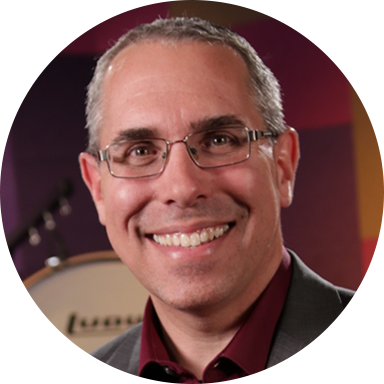
Chris M. Bernotas

Chris M. Bernotas brings over 25 years of music education experience to his work as a composer and conductor. As Director of Instrumental Publications for Alfred Music, he shapes band and orchestra curricula used by programs worldwide, drawing on deep classroom insight to inform every note he writes.

Bernotas composes with accessibility and musical substance in mind, creating works that engage young ensembles without sacrificing artistry. His frequent appearances as guest conductor and clinician, combined with his authorship of major resources like the Sound Innovations series, have established him as a trusted voice in instrumental music education.

Why we love this

Bernotas crafts pieces that solve a real conducting challenge: how to engage early intermediate players without relying on tired clichés. The optional solos that build into the full ensemble create natural motivation for section players to listen and blend, turning what could be a simple overture into an ensemble-building moment. Paired with a fun groove section and memorable themes, this is a piece that sounds better each rehearsal.

What to expect

Bright and accessible, with the energy of musicians discovering their collective voice. The piece balances lighthearted charm in its melodies with a genuinely groovy rhythmic section that feels modern without being trendy, creating the sensation of an ensemble growing from individual voices into unified sound.

Who it's for

Directors leading Grade 1.5 concert bands who want a piece with genuine musical substance and a clear arc. Players need solid fundamentals but not virtuosic facility, making this ideal for intermediate school through early high school bands looking for contest or festival repertoire.

How to get the most out of it

  • Balance the optional solos so they sit comfortably above the ensemble texture without overwhelming it; this makes the gradual unification effect actually audible to the audience.
  • Establish the groove section with clear subdivision from the rhythm section; locking the feel here makes the piece feel tighter and more confident.
  • Let the full ensemble entrance land with weight and unity after the solos have woven together; this payoff moment deserves preparation and precision.
  • Use the 3:20 running time as an advantage for programming; it fills a concert slot efficiently without requiring filler material.

How to use it

Program this as an opener or closer where the unity theme carries weight beyond the notes themselves. The optional solos make it especially valuable for showcasing individual section accomplishments while demonstrating how those parts fit into the larger ensemble vision, making it ideal for concerts centered on student achievement or growth.

Skills your students will build

  • Listening and blending within and across sections
  • Maintaining ensemble pulse through rhythmic complexity
  • Balancing solo lines with accompanying parts
  • Responding to textural shifts and dynamic layering
  • Building confidence in foundational concert band fundamentals

You May Also Like