

An American in Paris - Piano Duo (2 Pianos, 4 Hands): Piano Duets & Four Hands
By George Gershwin
Level: Advanced
Item: 00-PB-0000638
$29.95
One moment…
Related Items
An American in Paris: Full Orchestra, Ensemble Works, Conductor Score |
$50.00
|
View | |
An American in Paris: Full Orchestra, Ensemble Works, Oversized Score |
$92.00
|
View | |
An American in Paris: Full Orchestra, Ensemble Works, Conductor Score & Parts |
$150.00
|
View | |
An American in Paris: Full Orchestra |
$55.00
|
View | |
An American in Paris: Full Orchestra Book |
$21.99
|
View | |
An American in Paris: Piano Duo (2 Pianos, 4 Hands) Book (2 copies included) |
$29.95
|
View | |
An American in Paris: CD |
$9.99
|
View |
Description
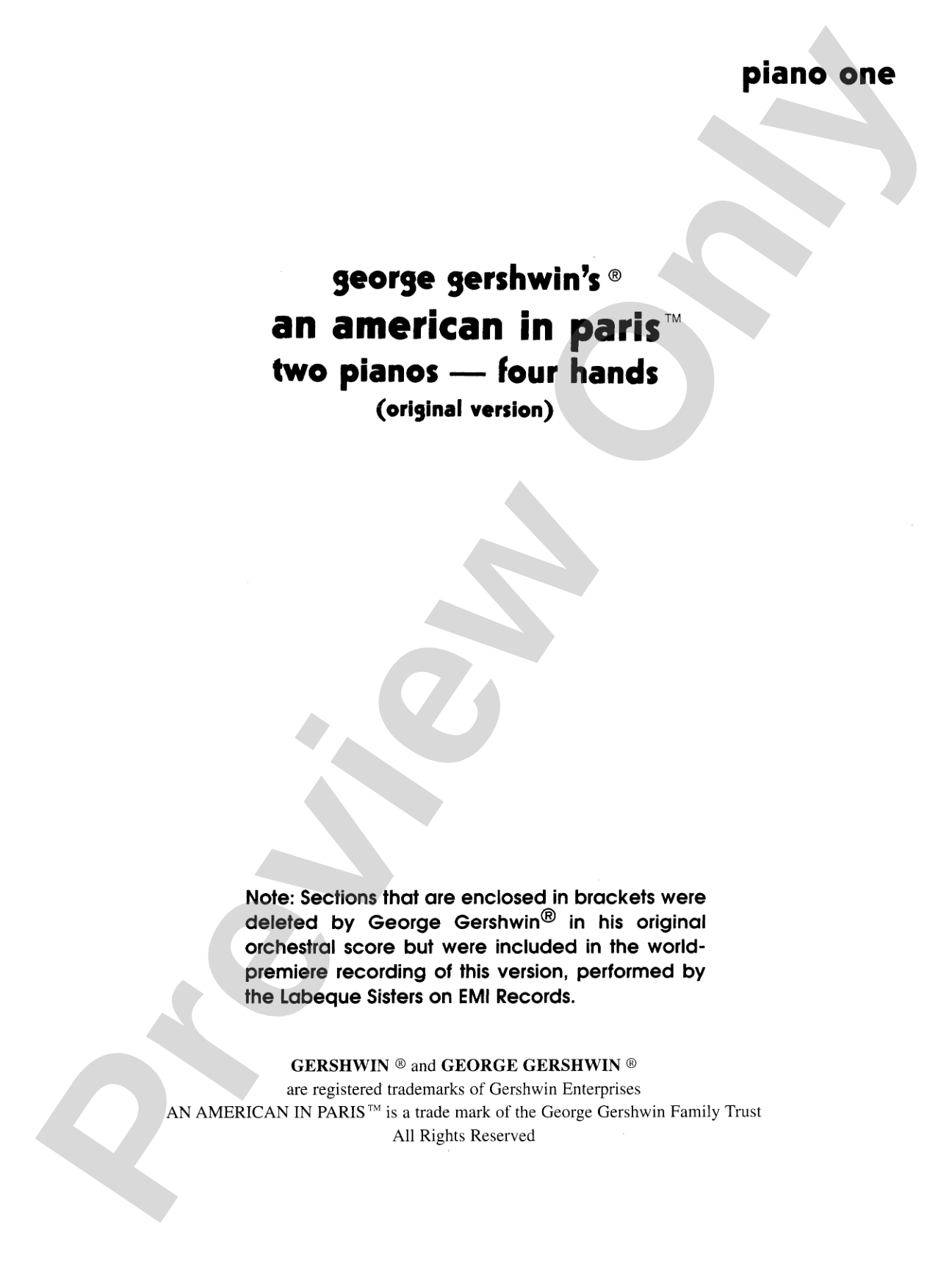
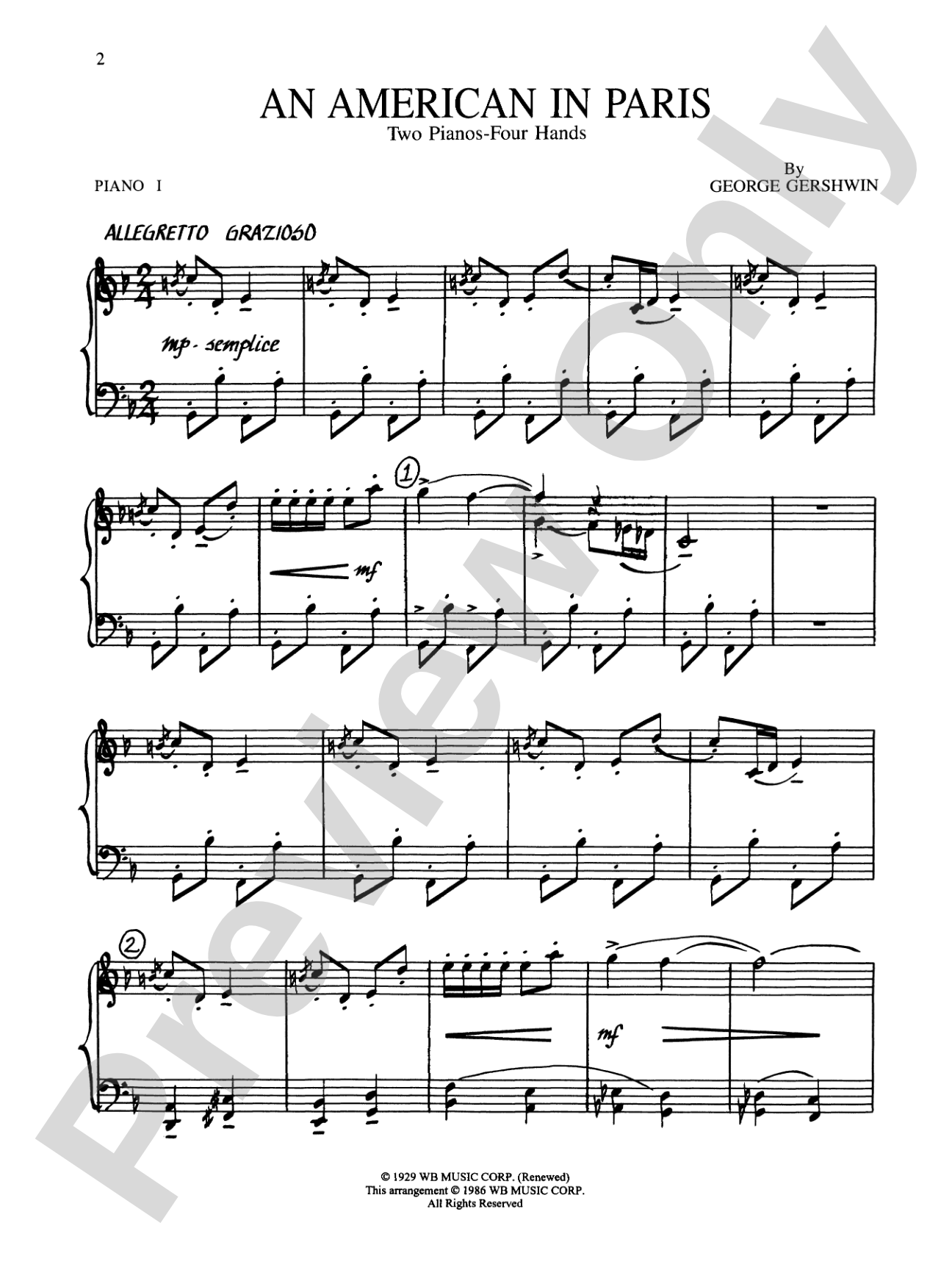
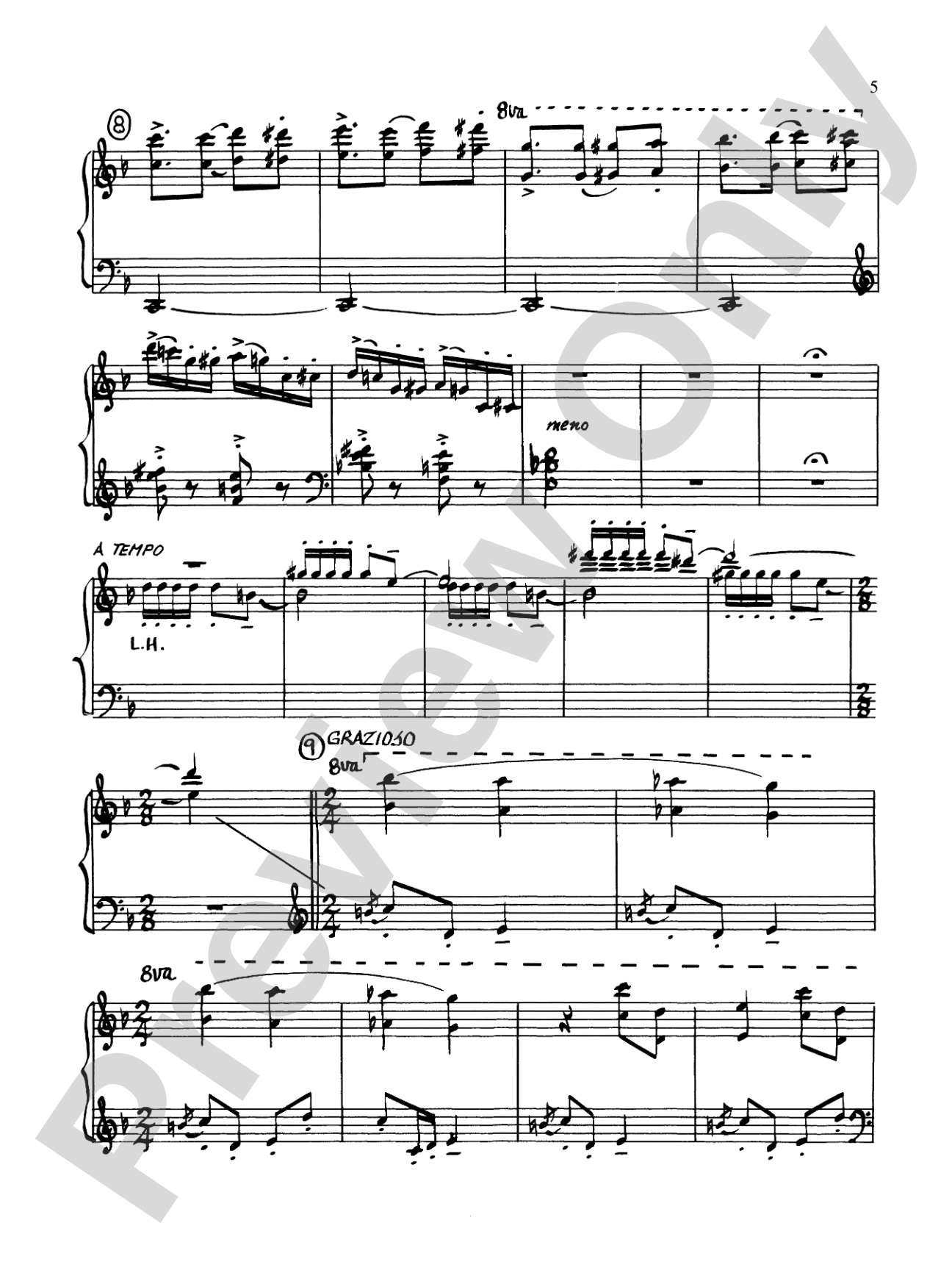
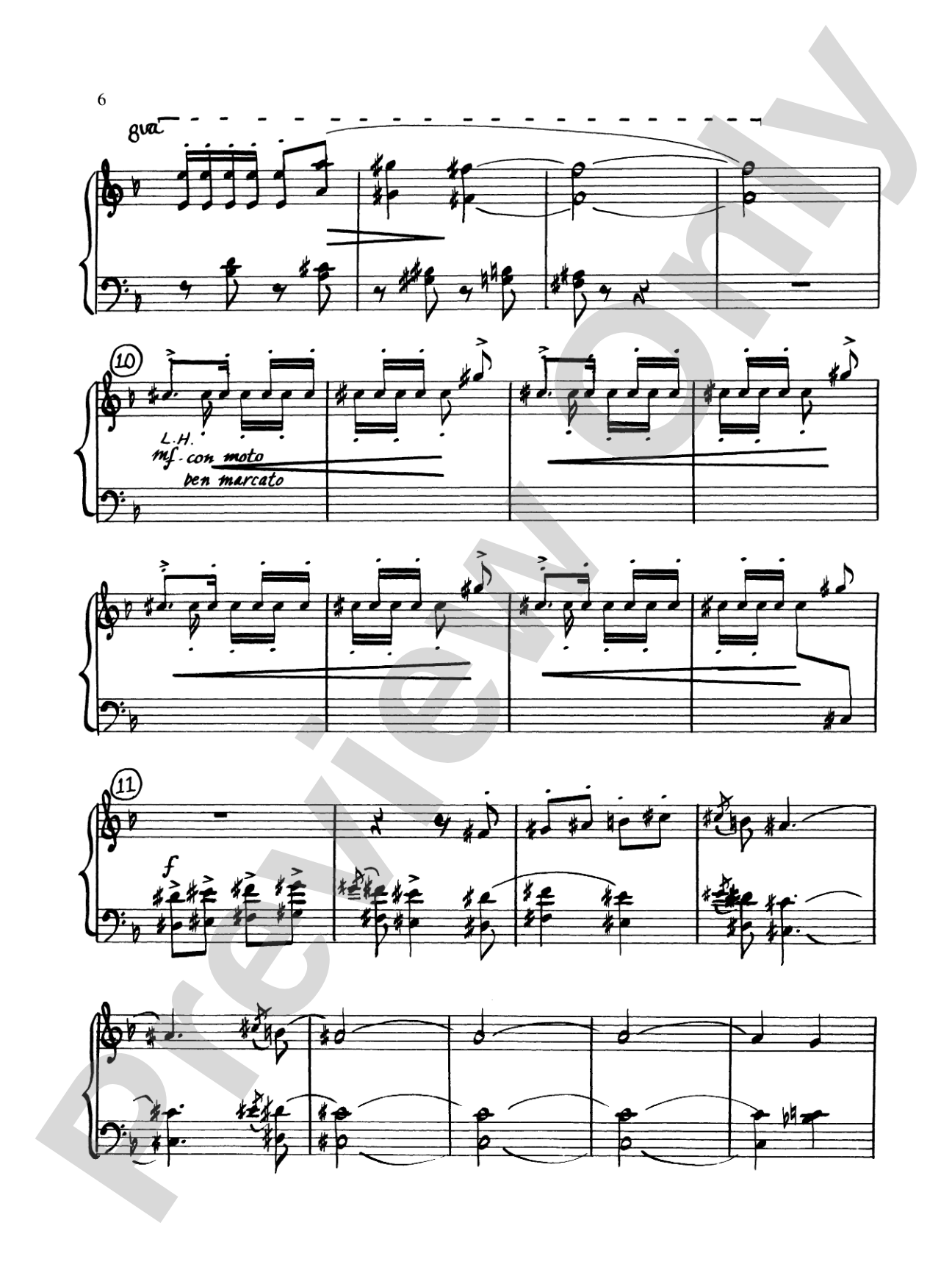
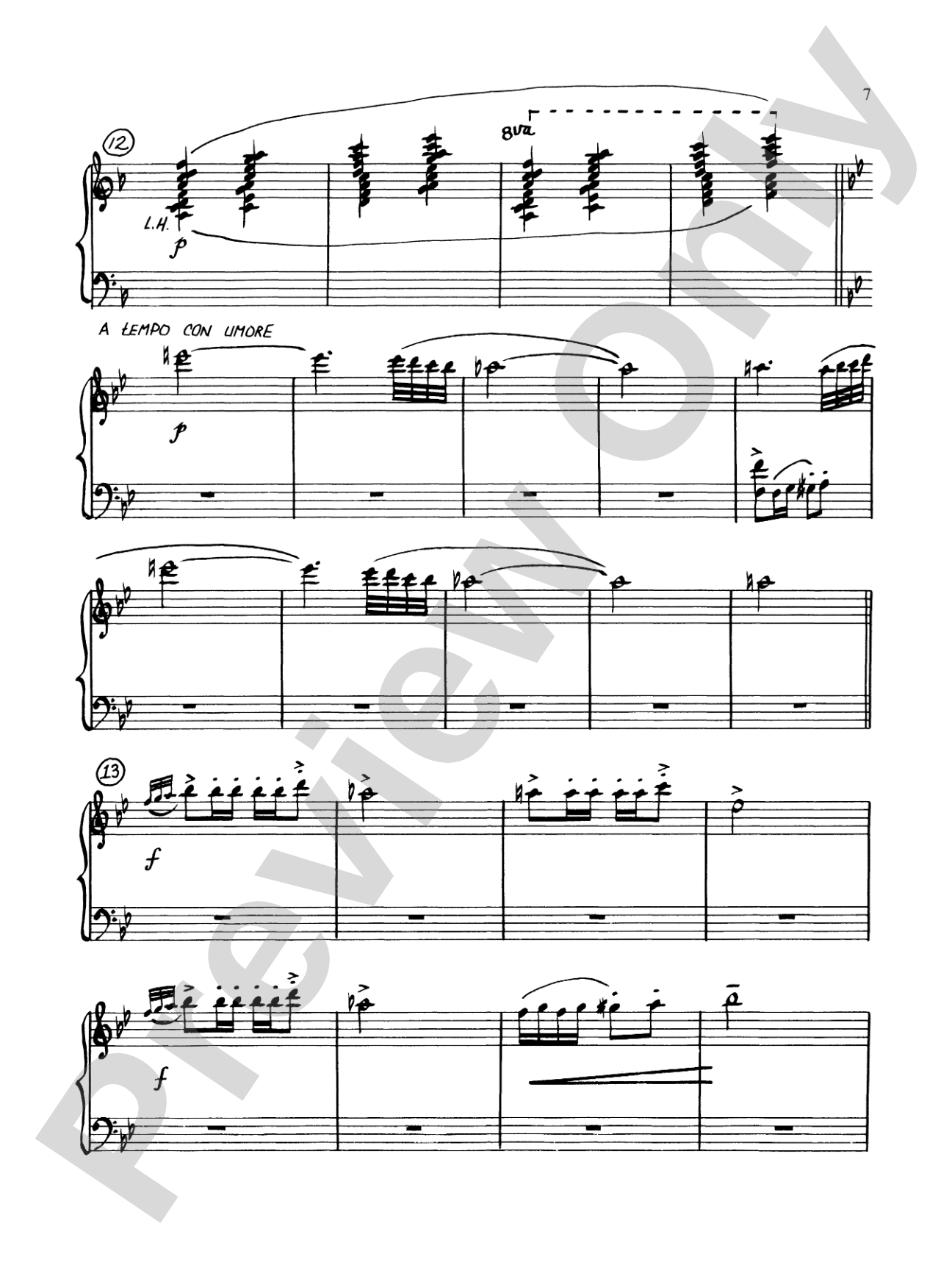
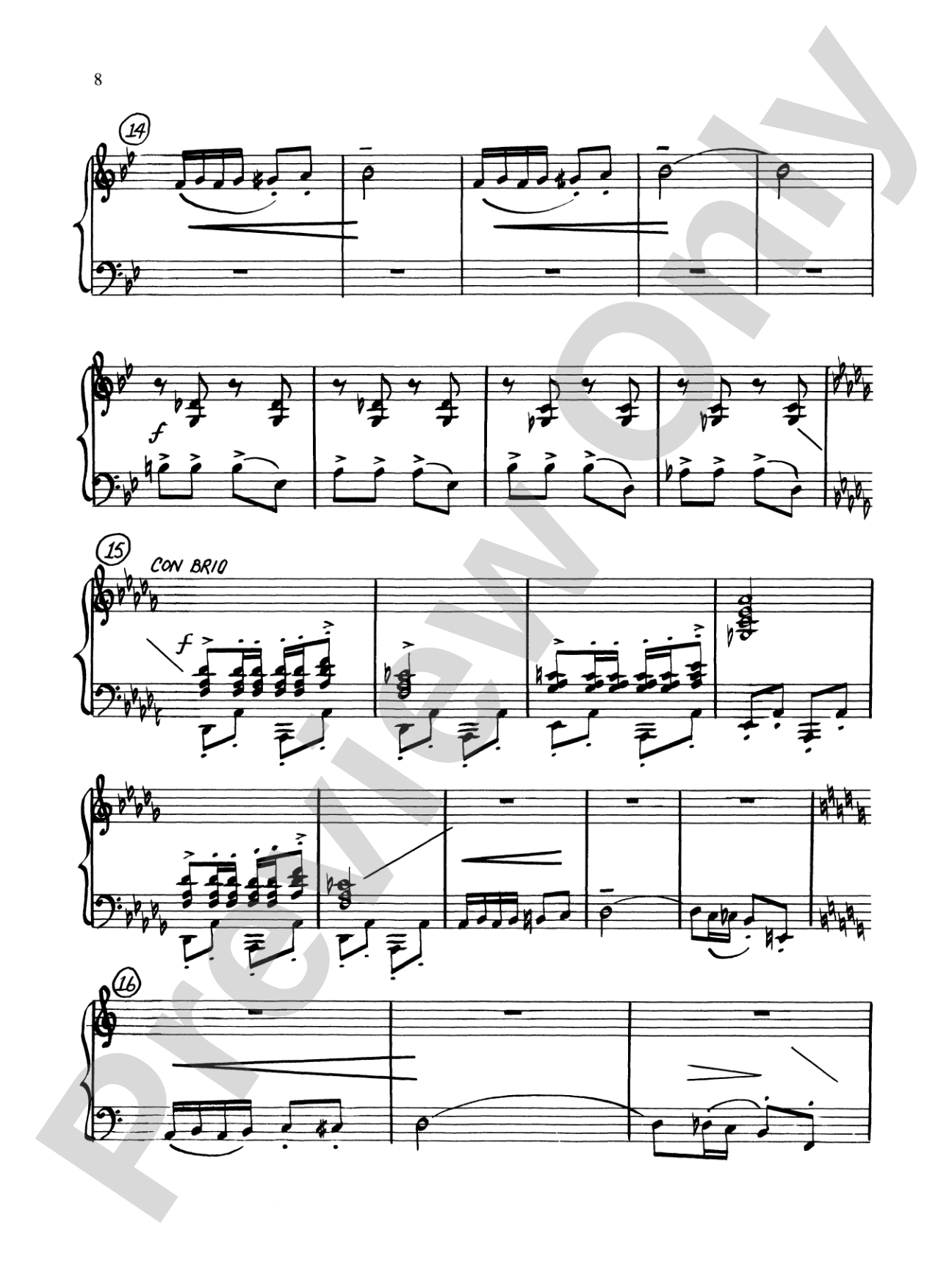
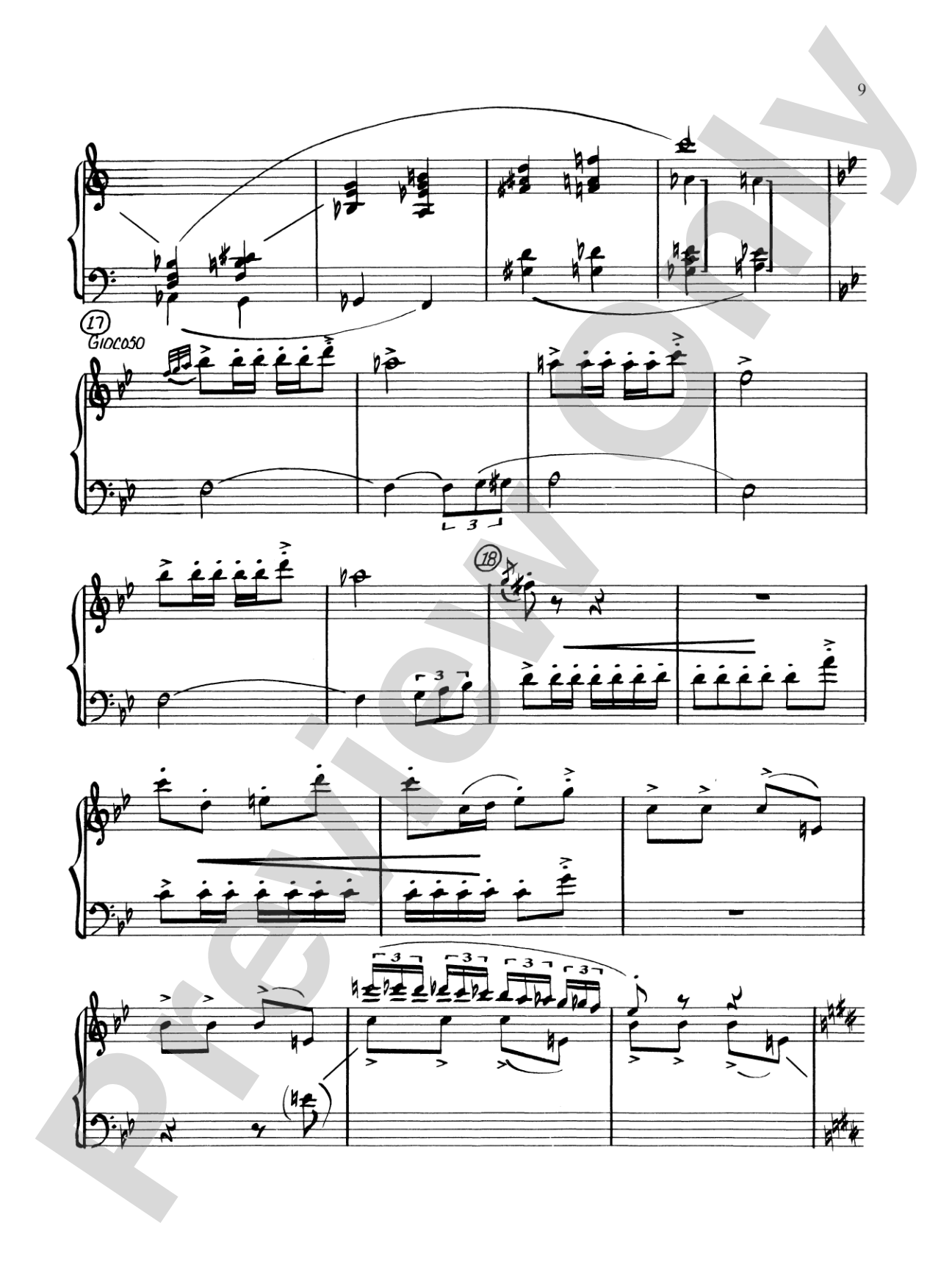
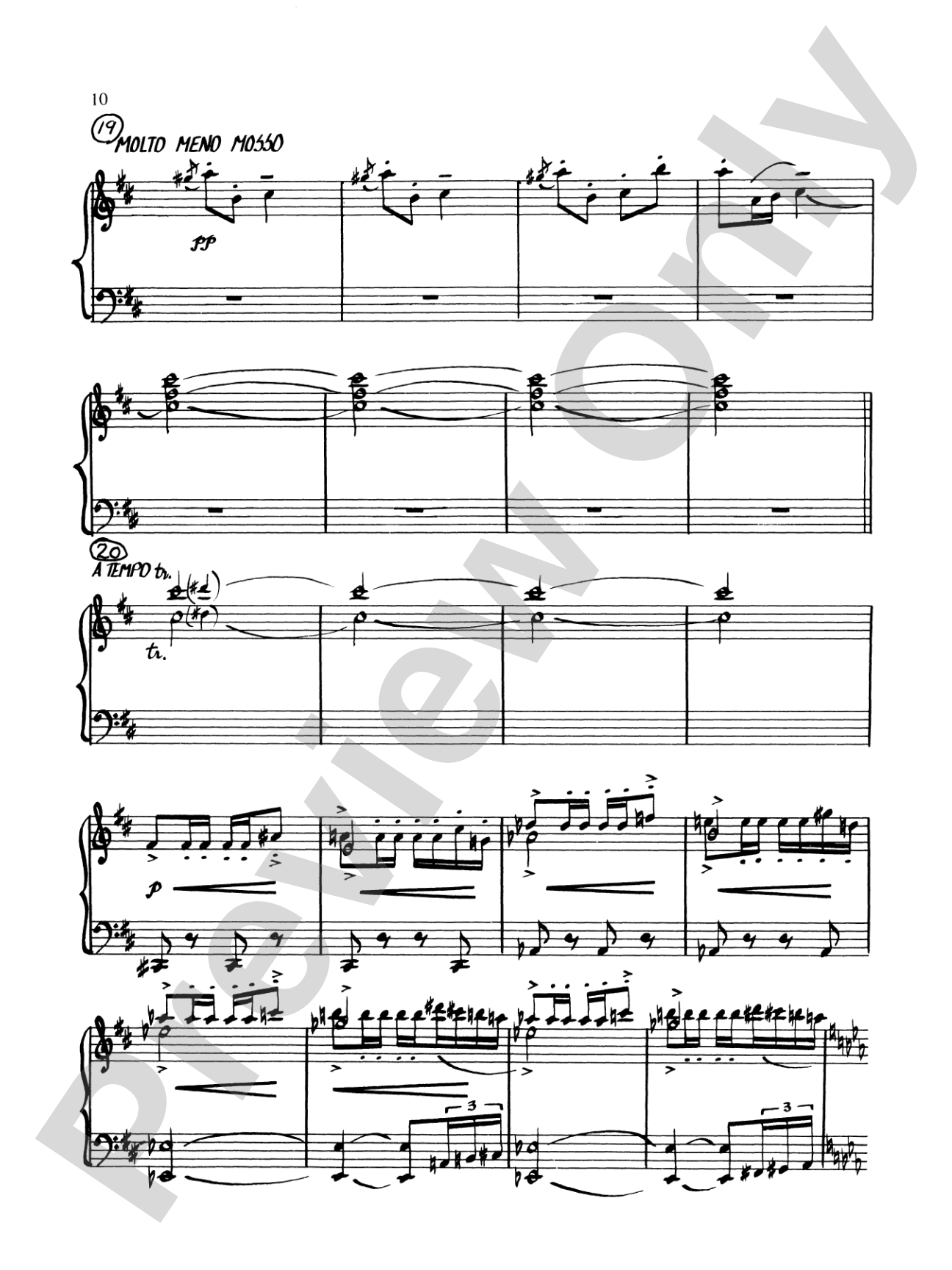
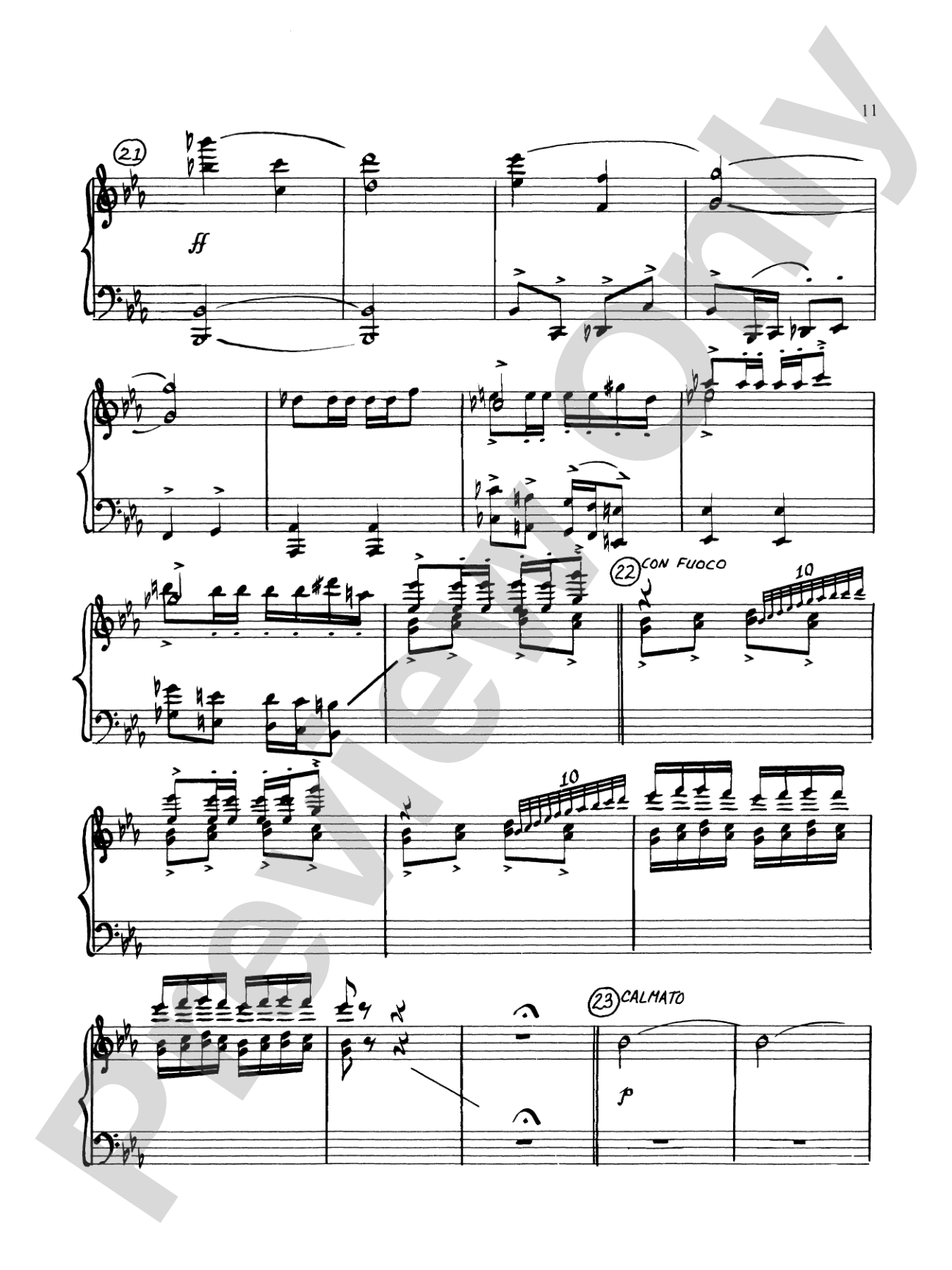
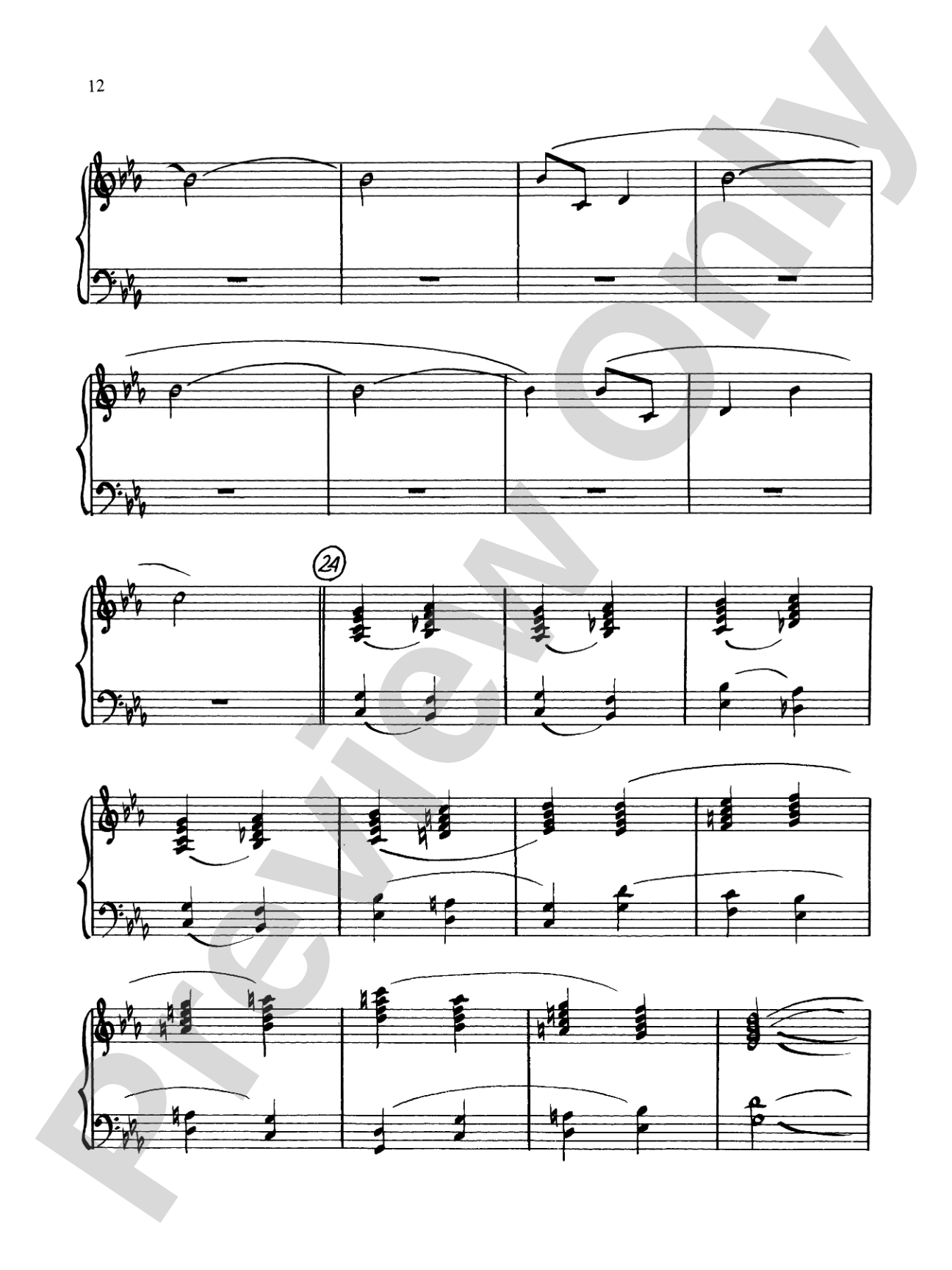
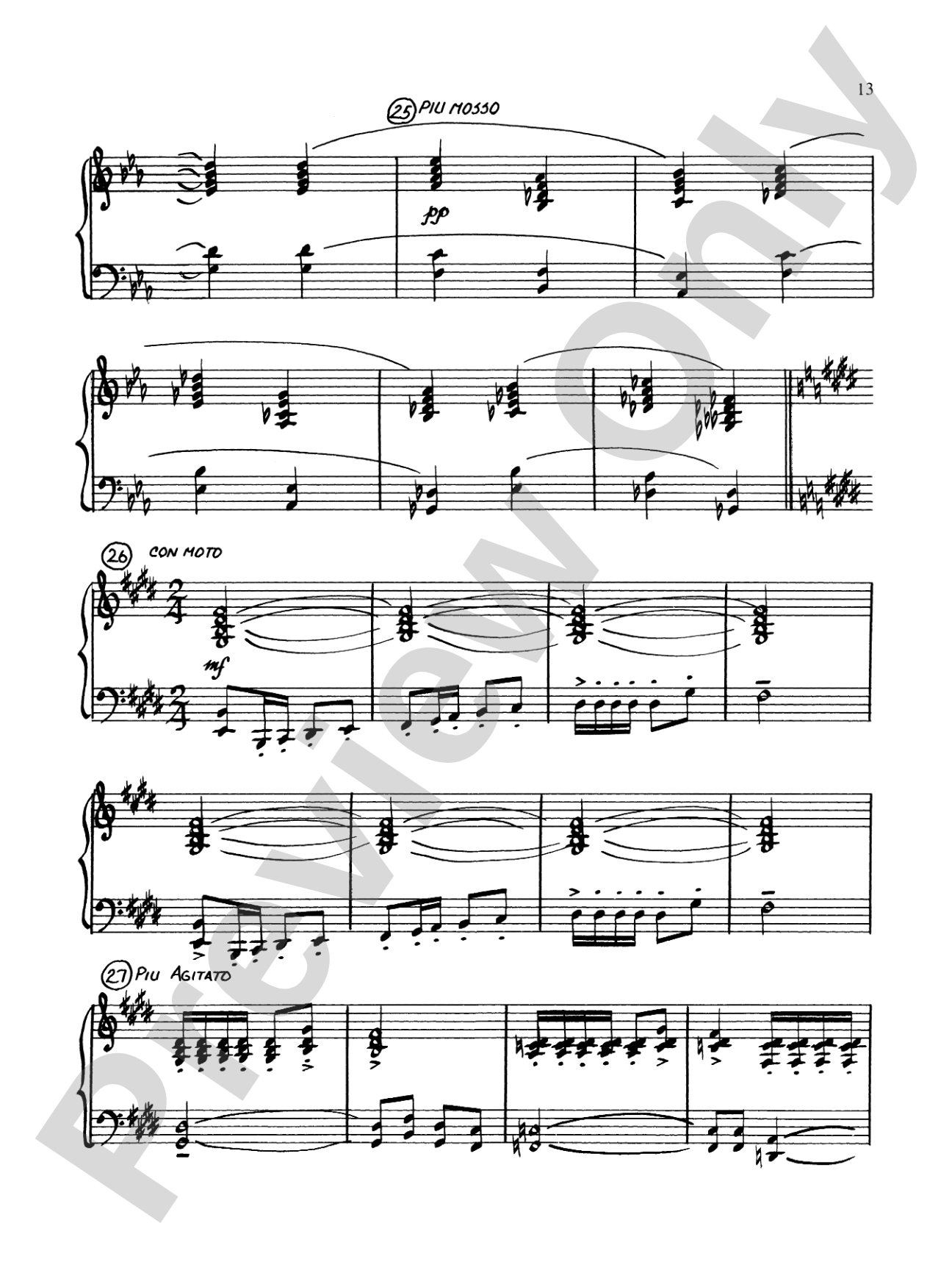
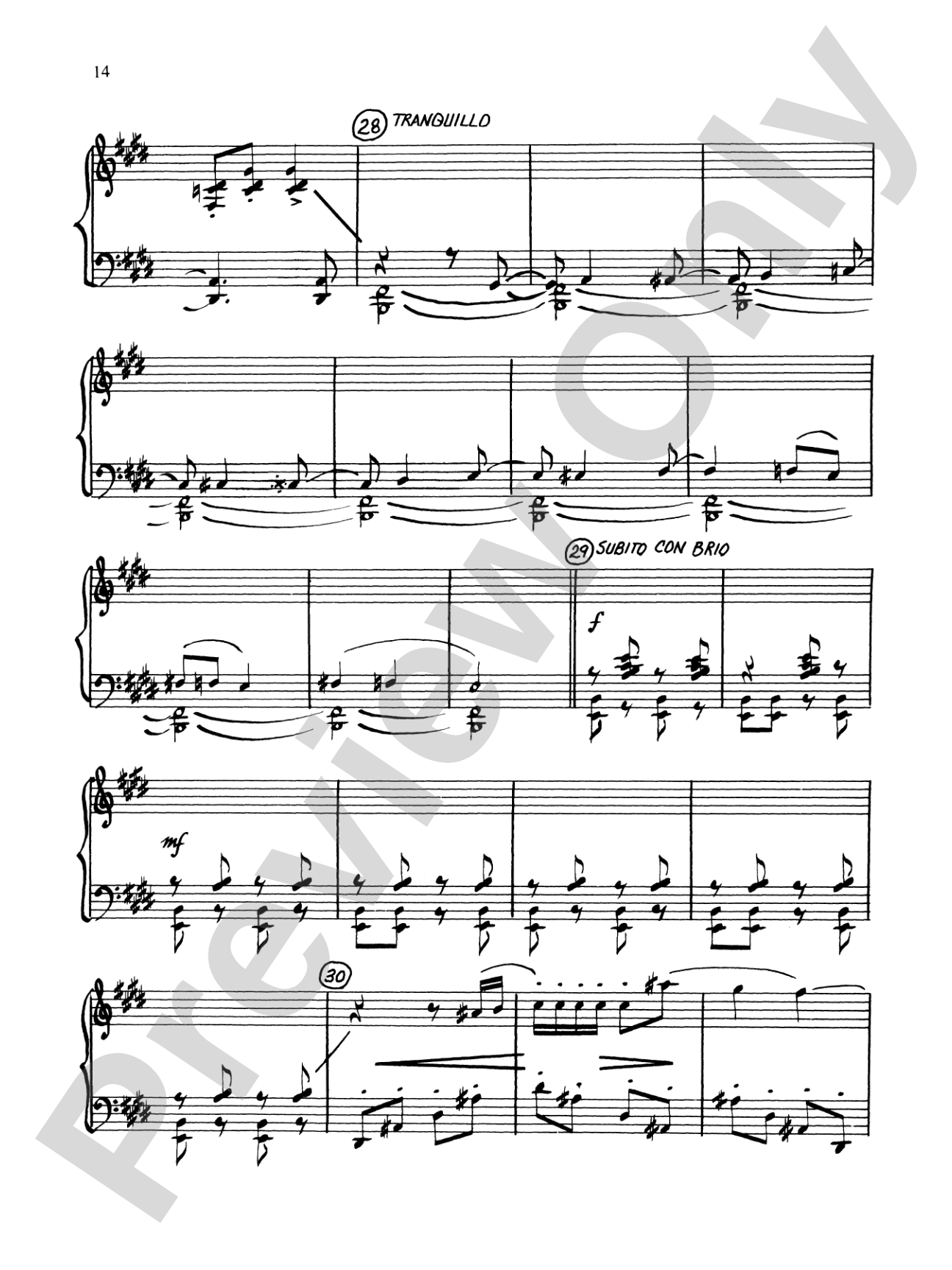
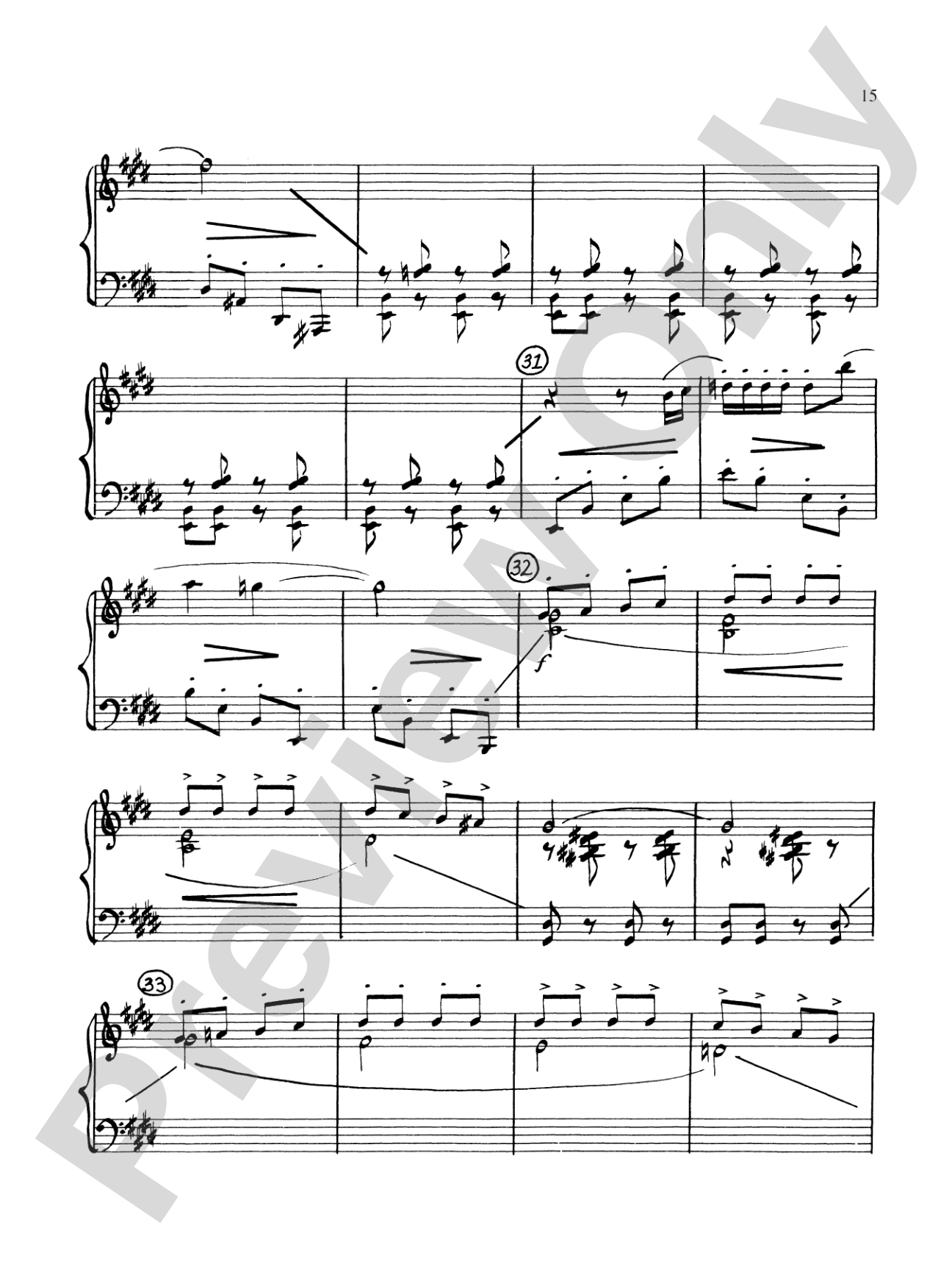
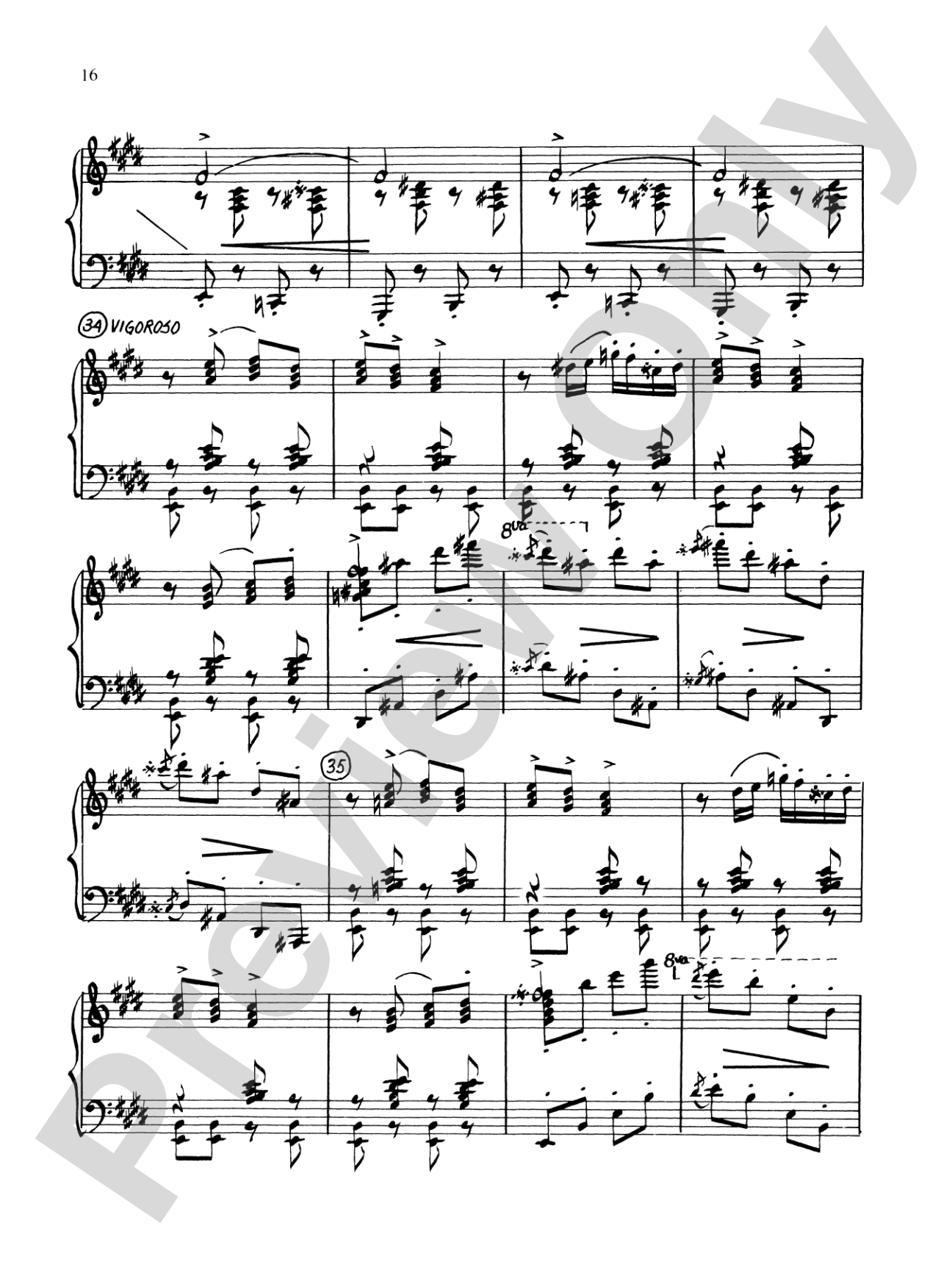
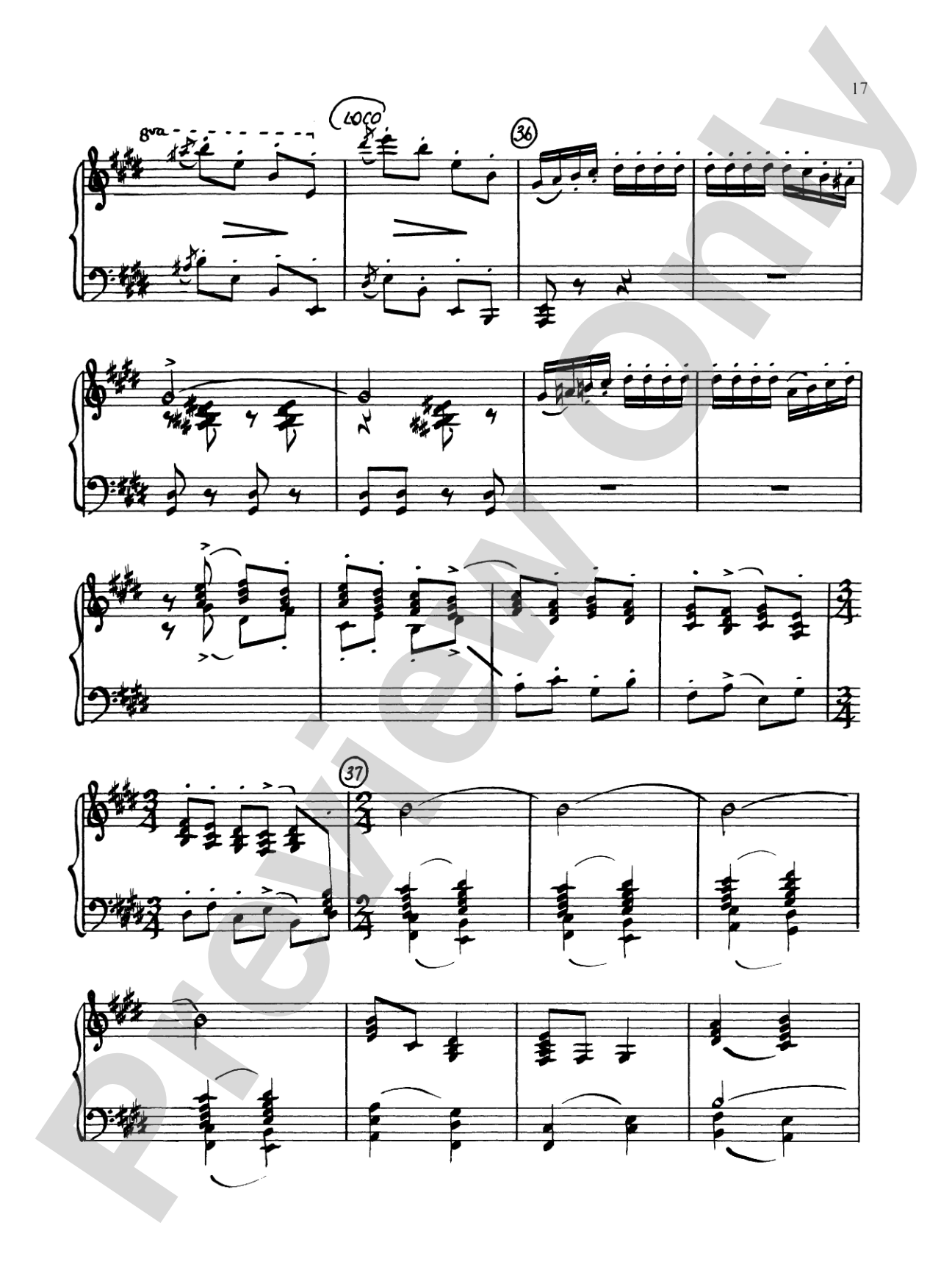
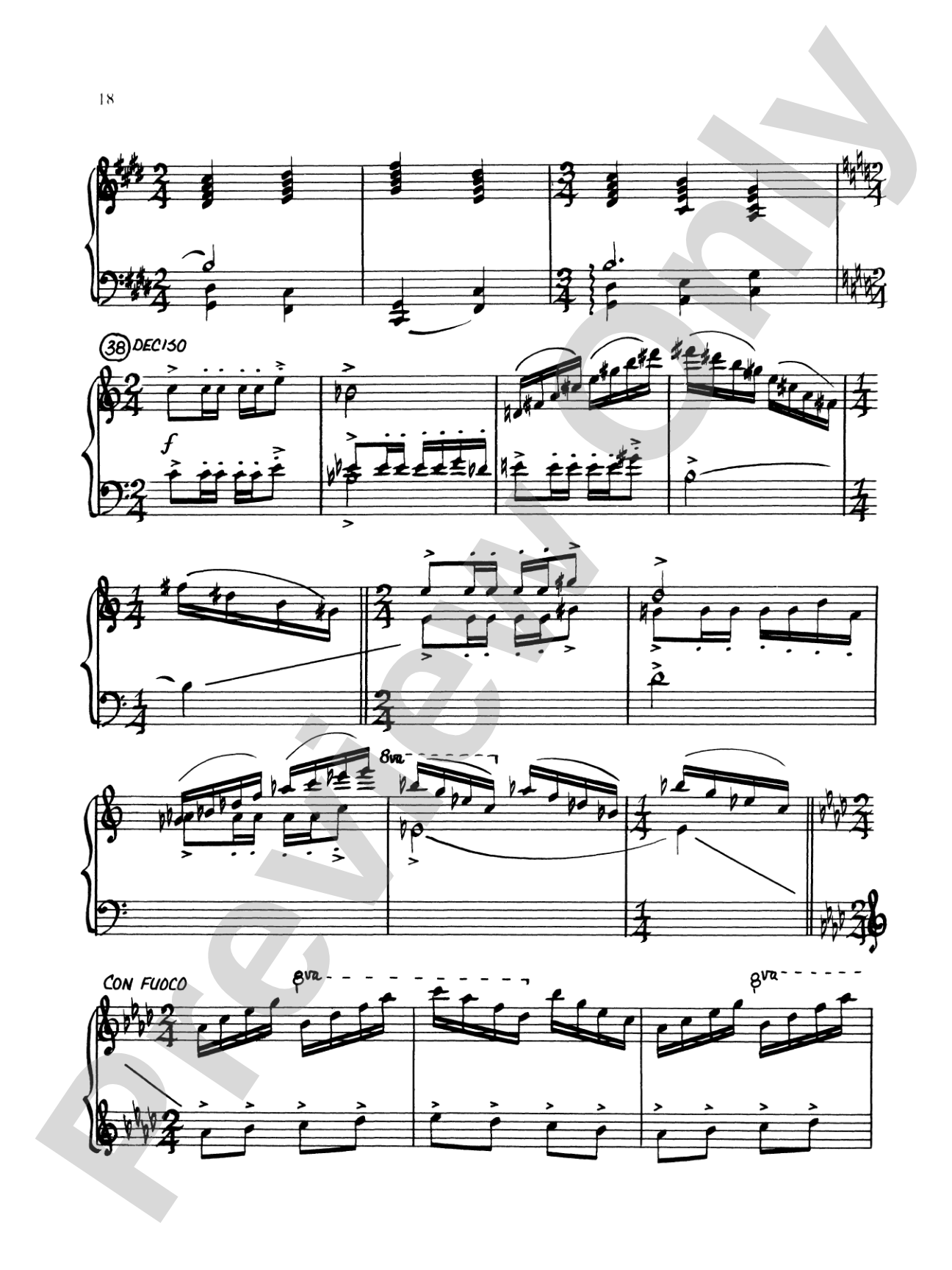
This is Gershwin's original two pianos, four hands reduction of the orchestral score An American in Paris. Included are sections enclosed in brackets that were deleted in the original score but were used in the world-premiere recording of this version, performed by the Labeque Sisters on EMI Records. Two copies are included. A Federation Festivals 2024-2028 selection.


An American in Paris - Piano Duo (2 Pianos, 4 Hands): Piano Duets & Four Hands isn't in MakeMusic Cloud just yet...but it could be. Let us know you'd like to see it, and you'll help shape what comes next. In the meantime, start a free trial and dive into thousands of interactive titles your students can play along with today.
Request This Title
Tell us you want it.
Start Your Free Trial
Explore everything that's ready to play right now.
Sample Audio
No sample audio found.
Sample Video
No sample videos found.
Additional Details
Series:
Belwin Edition
Publisher:
Alfred Music
Page Count:
88
SKU:
00-PB-0000638
More about this title
About the Composer: George Gershwin
George Gershwin (1898, 1937) was an American composer who bridged classical forms and jazz idioms with unprecedented fluency. His orchestral works, particularly those written for concert hall premiere, established him as a major voice in twentieth-century music and proved that vernacular American music could command the same artistic attention as European traditions.
Gershwin's gift for melody and harmonic sophistication made him a natural orchestrator as well. He understood instrumental color deeply and often prepared multiple versions of his works, tailoring them for different performance contexts without compromising their essential character. This practice reflects both his versatility and his commitment to making his music accessible to performers at various levels.
Why we love this
Gershwin's own reduction captures the work's energy and harmonic language more faithfully than many arrangement you'll encounter. Two advanced pianists will find genuine compositional substance here, not a simplified pastiche. The inclusion of bracketed sections from the Labeque Sisters' premiere recording means you're working with an authorized variant that adds depth to the interpretive possibilities.
What to expect
This piece swaggers with the energy of 1920s Paris filtered through an American jazz sensibility. The rhythms snap and syncopate, the harmonies shimmer with blues inflections, and yet the overall arc feels sophisticated and carefully composed. Moments of lyricism emerge between the bustling passages, lending the work an emotional dimension beyond surface brilliance.
Who it's for
Advanced pianists preparing for university-level repertoire, competitions, or festival performances will find this an excellent choice. Duet partnerships looking to tackle a twentieth-century American masterwork without requiring a full orchestra will discover an arrangement that respects both the score and the medium. The Federation Festivals listing makes it ideal for students pursuing recognized repertoire goals.
How to get the most out of it
- Balance the two pianos as equal partners rather than treating one as accompaniment. The dialogue between them is essential to the music's architecture.
- Lock the rhythmic subdivisions during the syncopated sections. Gershwin's jazz-inflected rhythms need precision, not looseness, to land with impact.
- Shape the melodic lines with sensitivity to the original orchestration. Listen to a full orchestral recording and ask yourselves which instrumental colors each pianist should evoke.
- The bracketed passages were purposefully included by Gershwin for the premiere version. Discuss with your co-pianist whether you'll perform them; if you do, rehearse the transitions carefully so they feel inevitable, not grafted on.
How to use it
Feature this as a centerpiece on a chamber or contemporary music concert; its stature and length (88 pages) justify a full half of a recital program. It pairs well with other Gershwin works or with other twentieth-century American piano duets that share similar idioms. Late-season programming works best, when your advanced students have had time to develop the technical and interpretive maturity the work demands.
Skills your students will build
- Coordinating independent rhythmic layers between two pianists
- Executing syncopated jazz idioms with classical precision
- Managing harmonic color across two instruments
- Navigating twentieth-century American compositional language
- Making interpretive choices about variant passages and structural editions
- Sustaining musical momentum over extended forms