Allegro from Sonata in F Cover Image

Allegro from Sonata in F: String Orchestra Conductor Score

$7.00 USD
Sale price  $7.00 USD Regular price 
Skip to product information
Allegro from Sonata in F Cover Image

Allegro from Sonata in F: String Orchestra Conductor Score

Arr. Loreta Fin

Grade: 3-3.5

Item: 76-30175S

$7.00
Shipped

One moment…

Description
This piece contains excellent lessons in baroque articulation and bowing styles. Be sure to instruct your ensemble to play detached sixteenth notes and short martelé quarter notes. The first violin part includes many string crossing sections, which all sit very well under the fingers. The lower parts are quite challenging, and should always be played with a slightly lifted feel (never heavy) to capture the correct continuo style.

Allegro from Sonata in F: String Orchestra Conductor Score isn't in MakeMusic Cloud just yet...but it could be. Let us know you'd like to see it, and you'll help shape what comes next. In the meantime, start a free trial and dive into thousands of interactive titles your students can play along with today.

Sample Pages

Sample Audio
No sample audio found.
Sample Video
Additional Details
Series: Wilfin String Orchestra: Young String Ensemble Series
Publisher: Wilfin Music
Page Count: 12
UPC: 038081327204
SKU: 76-30175S

More about this title

About the Arranger: Loreta Fin
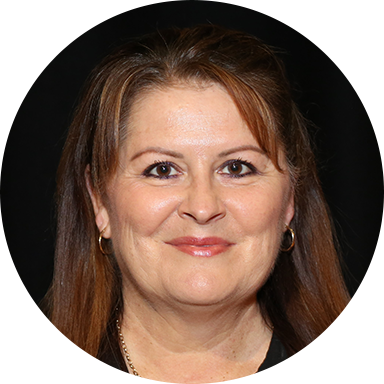
Loreta Fin

Loreta Fin is an Australian violist, string educator, and composer with deep roots in orchestral performance and music leadership. A graduate of the Sydney Conservatorium of Music, she spent years as a chamber and orchestral musician before becoming Principal Viola with the Queensland Pops Orchestra, a role she held for over 25 years. Her work as Director of Strings at Somerville House School in Brisbane since 1993 shaped her approach to accessible, pedagogically sound string writing.

Fin's leadership in the Australian strings community spans decades: she served as both State and National President of the Australian Strings Association, adjudicated at major competitions across Australia, and has been a State Advisor for Strings with the Australian Music Examinations Board. Her compositional output exceeds 100 works published internationally by Alfred Music, and her Beginner String Ensemble Series (2017) reflects her commitment to writing music that serves young ensembles. In recognition of her contributions, she received the National Award for Services to Music and String Teaching in Australia. Since 2015, she has regularly conducted state and national honours ensembles in Brisbane and has worked internationally, including conducting the Miri Music Project in Malaysia.

Why we love this

Fin's background as a string principal and seasoned educator shines through in every detail of this arrangement. The writing sits perfectly under young fingers while introducing authentic baroque articulation and bowing techniques that feel neither forced nor overwhelming at Grade 3. The balance between clear pedagogical intent and genuine musical substance makes this a conductor score that teaches as it performs.

What to expect

Elegant and buoyant, with the refined articulation of a chamber ensemble. The piece moves with baroque grace, anchored by a lifted continuo texture that sits beneath sparkling violin passages, creating a sense of lightness and clarity throughout.

Who it's for

String orchestras at Grade 3 to 3.5 ready to explore baroque style with authentic articulation and bowing. The first violin part welcomes advancing players comfortable with rapid string crossings, while the lower parts offer a realistic but manageable challenge that builds continuo awareness and rhythmic independence.

How to get the most out of it

  • Shape the detached sixteenth notes with clarity and space; they should sparkle without sounding rushed or muddy. Use consistent bow speed and pressure to ensure each note speaks cleanly.
  • Keep the short martelé quarter notes light and precisely bounced, never heavy or aggressive. This articulation supports the baroque character while building bow control across your section.
  • Lift the lower string parts throughout, treating them as continuo accompaniment rather than harmonic padding. A slightly buoyant feel in the viola and cello lines will brighten the overall texture without losing support for the first violins.
  • Address the string crossings in the first violin part during sectional rehearsals; Fin has positioned them idiomatically, so once players understand the hand position shifts, these passages will move smoothly under the fingers.

How to use it

Pair this with other baroque-influenced repertoire to build a short thematic program around period style and ornamentation. Its 12-page score makes it ideal for a festival or school concert where you want to showcase ensemble clarity and articulation without demanding an extended time commitment.

Skills your students will build

  • Baroque articulation and bow control (detached sixteenths, martelé quarter notes)
  • String crossings in idiomatic positions
  • Continuo style and the role of lower voices as accompaniment
  • Ensemble balance and clarity at faster tempos
  • Rhythmic precision and lift in baroque contexts

You May Also Like