Album of Negro Spirituals Cover Image

Album of Negro Spirituals: Low Voice Book

$15.99 USD
Sale price  $15.99 USD Regular price 
Skip to product information
Album of Negro Spirituals Cover Image

Album of Negro Spirituals: Low Voice Book

Arr. for Solo Voice by Harry T. Burleigh

Item: 00-FC01433

$15.99
Shipped

One moment…

Description
One dozen spirituals arranged for solo voice with accompaniment. Preserved in Burleigh's arrangements are the essential characteristics of these songs that generally derived from spontaneous outbursts of intense religious fervor. Titles: Couldn't Hear Nobody Pray * Were You There * Deep River and more.

Album of Negro Spirituals: Low Voice Book isn't in MakeMusic Cloud just yet...but it could be. Let us know you'd like to see it, and you'll help shape what comes next. In the meantime, start a free trial and dive into thousands of interactive titles your students can play along with today.

Sample Pages

Sample Audio
0:00
0:00
Sample Video
Additional Details
Publisher: Alfred Music
Page Count: 48
ISBN10: 0-7692-5021-1
ISBN13: 978-0-7692-5021-2
UPC: 029156156850
SKU: 00-FC01433

More about this title

About the Arranger: Harry T. Burleigh
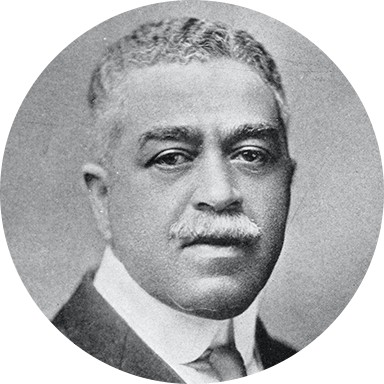
Harry T. Burleigh

Harry Thacker Burleigh (1866–1949) was a singer, arranger, and composer whose work fundamentally shaped how African American spirituals entered the concert music repertoire. A student of Antonín Dvořák at the National Conservatory of Music in New York, Burleigh introduced the Czech master to the depth and artistry of Black American vocal traditions, an encounter that influenced Dvořák's own compositional voice.

For over fifty years, Burleigh maintained a distinguished singing career as a soloist in New York's most prominent churches while composing more than 200 songs. His arrangements of African American spirituals became the gold standard for concert performance, preserving the emotional authenticity and spiritual essence of these songs while making them accessible to trained singers across all backgrounds.

Why we love this

Burleigh's spirituals remain the definitive concert arrangements because they honor the music's roots without diluting its power. These low voice arrangements open this repertoire to baritones and basses who might otherwise have limited access to literature of this caliber and cultural significance.

What to expect

These arrangements inhabit the space between spiritual fervor and formal concert song. There is both restraint and intensity in Burleigh's writing—the music speaks with quiet dignity about profound suffering and unshakeable faith, letting the spirituals' original power resonate within a refined harmonic language.

Who it's for

Solo vocalists seeking substantial concert material with deep cultural resonance, including baritones and basses for whom Burleigh's low voice arrangements are essential. Voice teachers building recital programs that explore African American musical traditions. Singers preparing auditions or degree recitals who want literature that combines technical demands with artistic weight.

How to get the most out of it

  • Approach the text with the same attention you'd give a lieder cycle. These are complete narratives of faith and struggle that demand emotional transparency.
  • Let the piano part guide your phrasing rather than resist it. Burleigh's accompaniments are carefully composed to support the voice's dramatic arc.
  • Sustain the spiritual dimension throughout. The spontaneity Burleigh mentions in his program notes comes from genuine conviction, not from rushing or oversinging.
  • Work phrase by phrase to understand how Burleigh balances traditional material with classical song structure. This clarity will inform your interpretation.

How to use it

A Burleigh spiritual or two can anchor a recital devoted to American song, or serve as the cultural and emotional centerpiece of a program exploring sacred music across traditions. These arrangements also work beautifully in concert series devoted to Black music history and culture, where they demonstrate the artistry required to sustain these traditions in concert settings.

Skills your students will build

  • Singing spirituals with concert propriety and historical awareness
  • Partnering with piano accompaniment that is compositionally complex, not merely supportive
  • Navigating harmonic language that blends traditional spiritual melody with art song techniques
  • Building stamina and emotional consistency across a full twelve-song recital cycle

You May Also Like