Album of Negro Spirituals Cover Image

Album of Negro Spirituals: High Voice Book

$15.99 USD
Sale price  $15.99 USD Regular price 
Skip to product information
Album of Negro Spirituals Cover Image

Album of Negro Spirituals: High Voice Book

Arr. Harry T. Burleigh

Item: 00-FC01432

$15.99
Shipped

One moment…

Description
One dozen spirituals arranged for solo voice with accompaniment. Preserved in Burleigh's arrangements are the essential characteristics of these songs that generally derived from spontaneous outbursts of intense religious fervor. Titles: Couldn't Hear Nobody Pray * Were You There * Deep River * and more.

Album of Negro Spirituals: High Voice Book isn't in MakeMusic Cloud just yet...but it could be. Let us know you'd like to see it, and you'll help shape what comes next. In the meantime, start a free trial and dive into thousands of interactive titles your students can play along with today.

Sample Pages

Sample Audio
0:00
0:00
Sample Video
Additional Details
Publisher: Alfred Music
Page Count: 48
ISBN10: 0-7692-6709-2
ISBN13: 978-0-7692-6709-8
UPC: 029156156867
SKU: 00-FC01432

More about this title

About the Arranger: Harry T. Burleigh
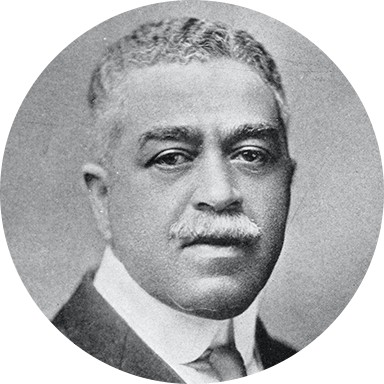
Harry T. Burleigh

Harry Thacker Burleigh (1866–1949) was a classically trained singer and composer whose arrangements of African American spirituals became foundational to the concert spiritual tradition. A student of Antonín Dvořák at the National Conservatory of Music in New York, Burleigh introduced the composer to the depth and complexity of Black American vocal music, profoundly influencing Dvořák's own artistic development.

Burleigh maintained a distinguished career as a soloist in New York's most prominent churches, singing at St. George's Church for over fifty years and at Temple Emanuel. His prolific output included more than 200 songs, but his legacy rests primarily on his meticulous, respectful arrangements of spirituals. These works preserved the emotional authenticity and spiritual power of these songs while making them accessible to concert audiences and trained singers.

Why we love this

Burleigh's arrangements honor the spiritual as a serious art form without stripping away its emotional core. Each song retains the spontaneous fervor and deep religious conviction that define the genre, making these works both musically substantial and spiritually moving for singers and audiences alike. This collection gives soloists access to repertoire that demands vocal maturity and interpretive depth.

What to expect

These arrangements unfold with quiet dignity and emotional honesty. The piano writing cradles each melody with harmonic warmth and occasional unexpected turns that deepen the spiritual and psychological texture. Singing these pieces requires both technical control and vulnerability, inviting performers to connect with the profound humanity at the spiritual's heart.

Who it's for

High voice soloists (soprano, mezzo-soprano, tenor) seeking mature sacred repertoire with genuine artistic substance. This collection suits advanced singers preparing for recitals, auditions, or church performances, as well as educators teaching the spiritual repertoire in voice studios or vocal ensembles.

How to get the most out of it

  • Honor the lyrical phrasing and text naturally; let the words guide your breath rather than imposing formal phrasing patterns onto the spiritual's conversational, deeply personal character.
  • Balance the accompaniment with your voice so the piano emerges as a supportive partner, not an ornamental backdrop. These arrangements deserve a collaborative dynamic.
  • Explore the emotional arc within each piece. Spirituals often move from lamentation to resilience or from questioning to affirmation; shape the arc through dynamic and tempo nuance.
  • Attend to the harmonic language Burleigh uses. His accompaniments are rich and sometimes unexpected; clarity in the vocal line allows listeners to appreciate the sophisticated harmonic support beneath.

How to use it

Program one or two spirituals from this collection in a recital to acknowledge the spiritual as concert art, or build an entire program around these arrangements to explore the breadth of the genre. They also work well in liturgical contexts where the congregation expects music of substance and beauty.

Skills your students will build

  • Legit solo singing with mature phrasing and breath control
  • Navigating Burleigh's sophisticated harmonic language and piano accompaniment
  • Emotional storytelling and interpretive depth within a sacred vocal tradition
  • Collaboration between vocalist and accompanist
  • Understanding the spiritual as both folk tradition and concert art form

You May Also Like