Album of Negro Spirituals Cover Image

Album of Negro Spirituals: Low Voice Book & Online Audio

$26.99 USD
Sale price  $26.99 USD Regular price 
Skip to product information
Album of Negro Spirituals Cover Image

Album of Negro Spirituals: Low Voice Book & Online Audio

Arr. for Solo Voice by Harry T. Burleigh

Item: 00-27270

$26.99
Shipped

One moment…

Description
One dozen spirituals arranged for solo voice with accompaniment. Preserved in Burleigh's arrangements are the essential characteristics of these songs that generally derived from spontaneous outbursts of intense religious fervor. Titles: Couldn't Hear Nobody Pray * Were You There * Deep River and more.

Album of Negro Spirituals: Low Voice Book & Online Audio isn't in MakeMusic Cloud just yet...but it could be. Let us know you'd like to see it, and you'll help shape what comes next. In the meantime, start a free trial and dive into thousands of interactive titles your students can play along with today.

Sample Pages

Sample Audio
0:00
0:00
Sample Video
Additional Details
Publisher: Alfred Music
Page Count: 48
ISBN10: 0-7390-4532-6
ISBN13: 978-0-7390-4532-9
UPC: 038081295305
SKU: 00-27270

More about this title

About the Arranger: Harry T. Burleigh
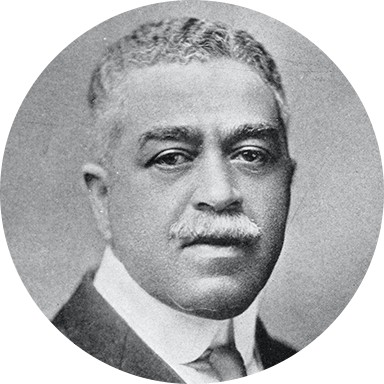
Harry T. Burleigh

Harry Thacker Burleigh (1866–1949) was a groundbreaking arranger and vocalist whose work shaped how American spirituals entered the concert hall. A student of Antonín Dvořák at the National Conservatory of Music in New York, Burleigh introduced the composer to the depth and sophistication of African American sacred music through his own singing, an exchange that influenced Dvořák's own compositional voice.

Burleigh's legacy rests on his dual mastery: he was both a performing artist and a musical architect. As soloist at St. George's Church and Temple Emanuel in New York City for decades, he brought spirituals to concert stages with authority and authenticity. His arrangements of more than 200 spirituals preserve the emotional core of these songs while making them accessible to trained singers across genres and traditions.

Why we love this

Burleigh's arrangements honor the spiritual as a serious vocal form without divorcing it from its roots in expressive, spontaneous joy. These settings work equally well in a recital, concert series, or devotional program because they balance musical sophistication with emotional directness. The low voice transpositions make this literature available to baritones and bass singers who might otherwise find spirituals written primarily for higher voices.

What to expect

These spirituals carry the weight of survival, resilience, and transcendence. Burleigh's arrangements strip away excess ornamentation to reveal the core of each song: the way a melody can carry both lament and hope, how a simple harmonic shift can open a window to the divine. Singing these songs creates an intimate dialogue between performer and listener.

Who it's for

This collection serves baritones and bass singers building a recital repertoire rooted in American traditions, as well as singers in faith communities seeking arrangements that honor the spiritual's sacred origins while meeting concert performance standards. Teachers working with lower-voiced students will find this an invaluable source for solo development.

How to get the most out of it

  • Approach the text as a conversation rather than a declaration; these arrangements reward singers who listen to their own voice and respond to what the words are asking.
  • Shape the melodic phrases to breathe naturally with the emotional arc of each spiritual, resisting the urge to impose uniform phrasing across verses.
  • Use the online audio accompaniment to hear how Burleigh's piano writing frames and supports the vocal line, then consider what the accompaniment reveals about interpretive choices.
  • Pay attention to Burleigh's dynamic markings and tempo indications; they reflect his understanding of how these songs moved congregations and audiences alike.

How to use it

Program individual spirituals throughout a recital season to create continuity across classical, contemporary, and American art song contexts. A subset of these arrangements works well as a thematic concert alongside spirituals by other arrangers or composers, creating a deeper conversation about how these sacred songs have been preserved and transformed. Faith-based institutions can draw on this collection for concert worship or musical education programs.

Skills your students will build

  • Singing with authentic interpretation of African American sacred music traditions
  • Balancing technical vocal demands with emotional accessibility
  • Reading and responding to Burleigh's specific dynamic and tempo markings
  • Connecting historical context to interpretive choices
  • Sustaining expressive singing across an extended solo collection

You May Also Like