

Ain't No Windin' in the Road: SSAA, a cappella Choral Octavo
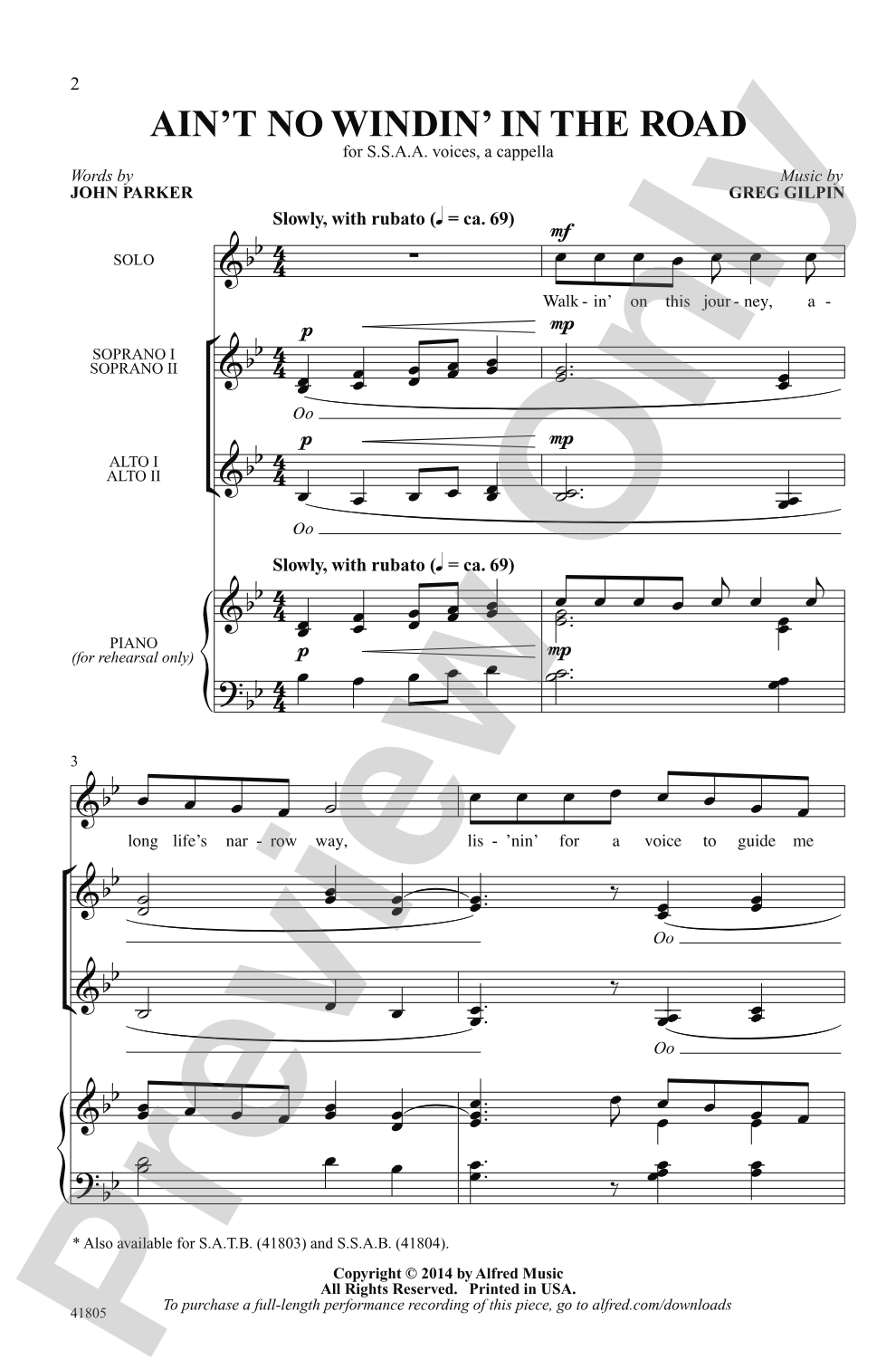
Words by John Parker, music by Greg Gilpin
Item: 00-PO-0001914
$1.85
Minimum order quantity: 20 copies
Pickup currently not available
Related Items
Ain't No Windin' in the Road: SATB divisi, a cappella Choral Octavo |
$1.85
|
View | |
Ain't No Windin' in the Road: SSAB, a cappella Choral Octavo |
$1.85
|
View | |
Ain't No Windin' in the Road: SATB divisi, a cappella Choral Octavo |
$1.85
|
View | |
Ain't No Windin' in the Road: SSAB, a cappella Choral Octavo |
$1.85
|
View | |
Ain't No Windin' in the Road: SSAA, a cappella Choral Octavo |
$1.85
|
View |
Description
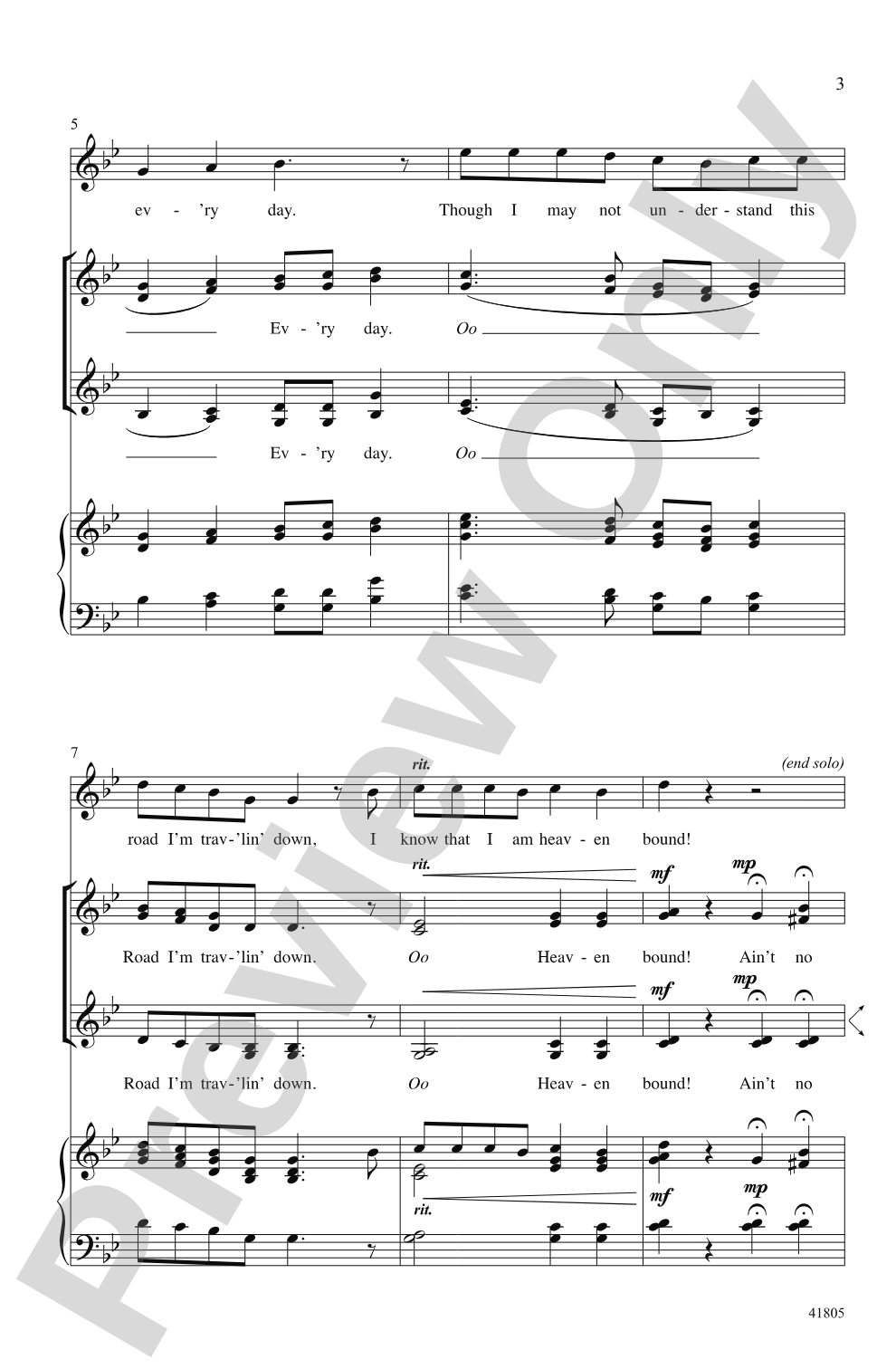
An earnest soloist is accompanied by the soulful "oo"s of an a cappella choir during the expressive introduction to this spirited original. Soon we take a turn as the piece bursts into an exciting, rhythmic, and polyphonic tour de force. Thrilling in all voicings!


Ain't No Windin' in the Road: SSAA, a cappella Choral Octavo isn't in MakeMusic Cloud just yet...but it could be. Let us know you'd like to see it, and you'll help shape what comes next. In the meantime, start a free trial and dive into thousands of interactive titles your students can play along with today.
Request This Title
Tell us you want it.
Start Your Free Trial
Explore everything that's ready to play right now.
Sample Audio
1
Audio File
--:--
0:00
0:00
Sample Video
No sample videos found.
Additional Details
Series:
Alfred Choral Designs
Publisher:
Alfred Music
Page Count:
12
SKU:
00-PO-0001914
More about this title
About the Composer: Greg Gilpin

Greg Gilpin brings decades of experience as both a choral composer and conductor, with performances spanning Carnegie Hall, Lincoln Center, and venues across Europe and Australia. His work has earned ASCAP recognition, and he serves as Director of Educational Choral Publications for Shawnee Press, where he shapes the choral landscape for educators and ensembles nationwide.
Beyond the concert hall, Gilpin has expanded his creative reach into film scoring, earning Best Score recognition for the short film "Rosie's Rescue." He holds leadership roles in ACDA and NAfME, and his collaborative spirit has led to world premieres with accomplished artists like soprano Angela Brown and the Indianapolis Symphonic Choir.
Why we love this
Gilpin knows exactly how to build energy without complexity. The opening draws listeners in with that hushed, hypnotic "oo" texture, then shifts into genuine excitement through rhythmic invention and layered voices. It's the kind of piece that sounds effortless to audiences but gives singers real satisfaction in execution.
What to expect
The piece begins in shadow and whisper, with voices moving in slow, contemplative waves. Then, suddenly, it ignites. The polyphonic section pulls you forward with momentum and complexity, layering rhythms until the whole ensemble feels like it's moving as one organism, powerful and purposeful.
Who it's for
SSAA choirs seeking repertoire that builds from intimate vulnerability into jubilant energy. This works equally well for concert choirs, church ensembles, and competitive groups looking for a spiritual that goes beyond traditional arrangements.
How to get the most out of it
- Shape the opening soulfully by asking sopranos and altos to listen inward rather than project outward; the intimacy of the introduction will make the rhythmic shift that follows feel even more powerful.
- Lock the rhythmic precision of the polyphonic section through rhythm syllables and body percussion in rehearsal; clarity in the middle voices often determines whether this section lands with impact.
- Balance the soloists against the background voices so both remain audible; many directors find this works best when the choir sits or stands slightly back from the featured voice.
- Emphasize the spiritual foundation of the text throughout; even in the exciting passages, the music should breathe with intention and not collapse into mere rhythmic fun.
How to use it
Use this as a centerpiece in a concert exploring spirituals and original sacred music. It pairs naturally with both traditional and contemporary repertoire, and its arc from quiet introspection to exultant drive makes it an effective closer or an impactful transition between contrasting sections.
Skills your students will build
- Sustaining vowel sounds and vocal independence in a cappella contexts
- Reading and executing layered rhythmic patterns across multiple voice parts
- Balancing texture between soloist and ensemble
- Maintaining forward momentum while managing dynamic contrast
- Interpreting spiritual tradition through contemporary compositional language