Agnus Dei Cover Image

Agnus Dei: SATB, <I>a cappella</I> Choral Octavo

$2.25 USD
Sale price  $2.25 USD Regular price 
Skip to product information
Agnus Dei Cover Image

Agnus Dei: SATB, a cappella Choral Octavo

Music by Sherri Porterfield

Item: 00-7735

makemusic Cloud badge

Need it now?

Buy Digital Version
$2.25
Shipped

One moment…

Description
Breathtaking! This gorgeous setting of the Agnus Dei text begins with piano and gradually crescendos to a mezzo forte before ending in a pure, hushed final major chord. Easy to teach, this ABA-form piece will show off your choir in concerts, festivals and adjudications. It's a winner! This title is available in MakeMusic Cloud.

Don't just read it, hear it, play along with it, and watch your students grow with it. In MakeMusic Cloud, Agnus Dei: SATB, a cappella Choral Octavo comes alive with professional accompaniment, adjustable tempo, and built-in practice tools that turn solo practice into real progress.

Sample Pages

Sample Audio
0:00
0:00
Sample Video
Additional Details
Series: Alfred Archive Edition: Alfred Choral Designs
Publisher: Alfred Music
Page Count: 8
UPC: 038081015187
SKU: 00-7735

More about this title

About the Composer: Sherri Porterfield
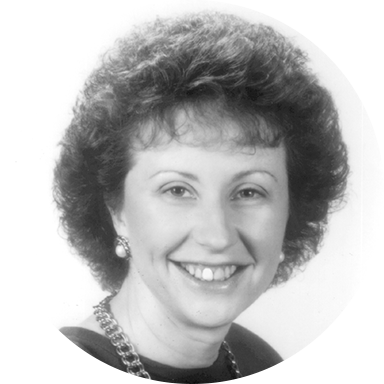
Sherri Porterfield

Sherri Porterfield directs choirs at Cedar Park Middle School in Cedar Park, Texas, following teaching positions in Missouri and Kansas where her ensembles consistently earned first place and sweepstakes honors at competitions and state conventions appearances. She has mentored hundreds of students and teachers across the country as a clinician and guest conductor, and previously served as an adjunct assistant professor of music education at the University of Missouri-Kansas City Conservatory of Music.

With over 175 published choral compositions to her name, Porterfield has maintained an active creative voice since earning consecutive ASCAP awards yearly since 1997. Her degrees include a B.S.E. in music education from the University of Memphis and a Master of Music in choral conducting from the University of Missouri-Kansas City. She holds memberships in the American Choral Directors Association, Music Educators National Conference, Texas Music Educators Association, and Pi Kappa Lambda national music honor society.

Why we love this

Porterfield's setting achieves something difficult: it balances architectural clarity with genuine emotional depth. The ABA form gives students a tangible learning map, while the strategic use of silence and the final major chord resolution create moments that audiences genuinely remember. This piece works equally well as a festival highlight or as part of a broader concert narrative.

What to expect

The music opens with crystalline simplicity before gradually accumulating weight and color, creating a journey from introspection to affirmation. The final hushed major chord settles over the audience like a moment of quiet grace, leaving space for the words to resonate.

Who it's for

This octavo works for SATB choirs at the middle school and high school levels seeking repertoire that balances accessibility with genuine artistry. Directors will appreciate the straightforward form and teachable vocal lines; singers will feel invested in a piece that builds to a meaningful climax and leaves audiences moved.

How to get the most out of it

  • Shape the opening piano-like texture with careful attention to each voice's independence; the piece gains its power from clarity, not thickness
  • Reserve your full dynamic weight for the crescendo section, then dial back considerably for the return to the opening material
  • Approach the final major chord as an arrival, not an afterthought; this resolution is the payoff for everything that came before

How to use it

Program this as a centerpiece of a sacred or contemplative concert set, or use it to close a festival performance where you want to leave the audience in reflection rather than applause. The piece's modest page count makes it an efficient choice for building a cohesive concert around complementary shorter works.

Skills your students will build

  • Singing unaccompanied SATB writing with independent voice lines
  • Dynamic control and phrasing across a crescendo and diminuendo arc
  • Intonation stability in sustained four-part harmony
  • Musical interpretation of sacred text through structural and harmonic design
  • Balance and blend across a gradual textural shift from transparent to full

You May Also Like
