Afrika Kyrie na Sanctus Cover Image

Afrika Kyrie na Sanctus: 3-Part Mixed Choral Octavo

$1.85 USD
Sale price  $1.85 USD Regular price 
Skip to product information
Afrika Kyrie na Sanctus Cover Image

Afrika Kyrie na Sanctus: 3-Part Mixed Choral Octavo

Music by Patsy Ford Simms and Andy Beck

Item: 00-23591

$1.85
Shipped

One moment…

Description
Perform two traditional mass settings in a whole new way with this exciting original which means "African Kyrie and Sanctus." Your singers will be inspired by the tribal rhythms and sonorous harmonies, and your audience (or adjudicators) impressed by the juxtaposition of Latin, English, and Swahili texts in both contrasting movements. Accentuate the multicultural flavor by adding the SoundPax drum ensemble, or using the SoundTrax CD. SoundPax includes parts for African Percussion Ensemble, bass.

Afrika Kyrie na Sanctus: 3-Part Mixed Choral Octavo isn't in MakeMusic Cloud just yet...but it could be. Let us know you'd like to see it, and you'll help shape what comes next. In the meantime, start a free trial and dive into thousands of interactive titles your students can play along with today.

Sample Pages

Sample Audio
0:00
0:00
Sample Video
Additional Details
Series: Alfred Choral Designs
Publisher: Alfred Music
Page Count: 16
UPC: 038081239149
SKU: 00-23591

More about this title

About the Composer: Andy Beck
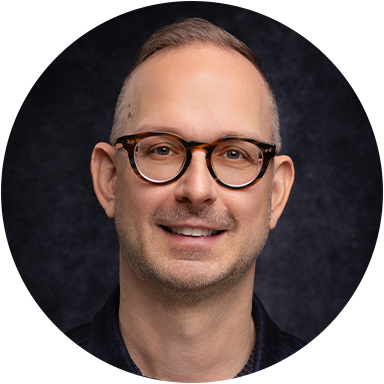
Andy Beck

Andy Beck directs choral publications at Alfred Music and has composed and arranged over 450 choral works for singers of all ages. His output spans sacred and secular genres, children's musicals, and pedagogical resources including Sing at First Sight, Foundations in Choral Sight Singing, and Vocalize! 45 Vocal Warm-Ups That Teach Technique. His compositions circulate globally, as evidenced by frequent YouTube performances from choirs worldwide.

Beyond the page, Beck maintains an active presence in the choral field as a guest conductor, adjudicator, and clinician. He has served as a commissioned composer and guest conductor for honor choirs throughout the Southeast, including all-state ensembles. A trained tenor with degrees from Ithaca College (Bachelor's in Music Education) and Northwest Missouri State University (Master's in Music Education), he sings with the North Carolina Master Chorale Chamber Choir and directs musical theatre. His work as an Alfred Music studio singer since 1992 reflects his commitment to both performance excellence and the cultivation of high-quality choral literature.

Why we love this

The collision of Latin mass movements with Swahili and English text creates genuine musical surprise without sacrificing liturgical reverence. SAB writing sits comfortably for developing choirs while the rhythmic vitality and harmonic color keep the music engaging for singers and listeners alike. Adding the African percussion ensemble transforms this from a standard octavo into a conversation between traditions.

What to expect

The piece breathes with communal energy, grounded in percussive momentum and warm, layered harmonies. Moving between languages feels natural rather than choppy, creating the sense of one prayer expressed through multiple voices and cultures. The result is both meditative and celebratory.

Who it's for

Three-part mixed choirs at the intermediate level who are ready to engage multicultural repertoire with depth and authenticity. This works equally well for concert choirs seeking programming that reflects diverse traditions and for choirs interested in sacred music beyond the Western European canon.

How to get the most out of it

  • Establish the tribal rhythms as the foundation of the piece. Have singers internalize the drum patterns before layering melody and harmony, so the percussion feels integral rather than decorative.
  • Differentiate the three texts clearly through diction and phrasing. The shift from Latin to English to Swahili should be audible and intentional, not blurred together.
  • If using the SoundPax drum ensemble, schedule rehearsals with percussionists present so choir and drums develop rhythmic cohesion early. If using recorded accompaniment, listen together in rehearsal to familiarize your singers with the timbral colors they'll be matching.
  • Shape the sonorous harmonies by balancing blend against clarity. These chords reward generous vowels and clean part independence.

How to use it

Program this alongside other sacred or multicultural selections to build a thematic concert that explores how different traditions approach similar spiritual texts. The contrast between movements gives it flexibility; use the Kyrie as an opener and the Sanctus later in the program to create architectural interest. It also serves well in interfaith or community celebration contexts where multicultural representation matters.

Skills your students will build

  • Singing in multiple languages with authentic pronunciation and musical style
  • Responding to rhythmic syncopation and non-Western meters while maintaining alignment with Latin mass structure
  • Part independence and blend in SAB voicing with unexpected harmonic movement
  • Ensemble coordination with instrumental percussion
  • Cultural awareness of African musical traditions and their relationship to sacred expression

You May Also Like