Afrika Kyrie na Sanctus Cover Image

Afrika Kyrie na Sanctus: SATB Choral Octavo

$2.95 USD
Sale price  $2.95 USD Regular price 
Skip to product information
Afrika Kyrie na Sanctus Cover Image

Afrika Kyrie na Sanctus: SATB Choral Octavo

Music by Patsy Ford Simms and Andy Beck

Item: 00-23590

makemusic Cloud badge

Need it now?

Buy Digital Version
$2.95
Shipped

One moment…

Description
Perform two traditional mass settings in a whole new way with this exciting original which means "African Kyrie and Sanctus." Your singers will be inspired by the tribal rhythms and sonorous harmonies, and your audience (or adjudicators) impressed by the juxtaposition of Latin, English, and Swahili texts in both contrasting movements. Accentuate the multicultural flavor by adding the SoundPax drum ensemble, or using the SoundTrax CD. SoundPax includes parts for African Percussion Ensemble, bass.

Don't just read it, hear it, play along with it, and watch your students grow with it. In MakeMusic Cloud, Afrika Kyrie na Sanctus: SATB Choral Octavo comes alive with professional accompaniment, adjustable tempo, and built-in practice tools that turn solo practice into real progress.

Sample Pages

Sample Audio
0:00
0:00
Sample Video
Additional Details
Series: Alfred Archive Edition: Alfred Choral Designs
Publisher: Alfred Music
Page Count: 16
UPC: 038081239132
SKU: 00-23590

More about this title

About the Composer: Andy Beck
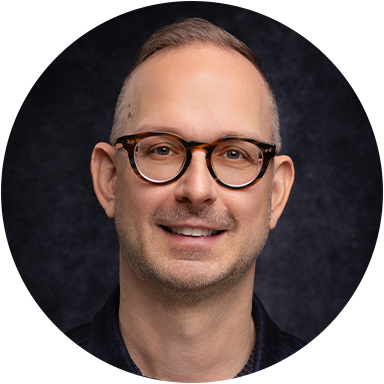
Andy Beck

Andy Beck serves as Director of Choral Publications at Alfred Music and has established himself as one of the most prolific voices in contemporary choral writing, with more than 450 works currently in print across choral literature, vocal resources, and musical theatre for young performers. His pedagogical resources, including Sing at First Sight, Foundations in Choral Sight Singing, and Vocalize! 45 Vocal Warm-Ups That Teach Technique, have become standards in choral classrooms nationwide.

Beyond the page, Beck remains deeply engaged with the choral community as a guest conductor, clinician, and adjudicator working with honor choirs and all-state ensembles across the United States and beyond. A trained tenor with degrees from Ithaca College and Northwest Missouri State University, he continues to perform with the North Carolina Master Chorale Chamber Choir and has contributed as a studio singer for Alfred Music since 1992. His work reflects an unwavering commitment to music literacy, choral artistry, and arts education.

Why we love this

Beck and Simms craft a genuinely fresh take on the mass by weaving together Latin, English, and Swahili texts within driving tribal rhythms and rich harmonic colors. The contrast between the two movements gives you real programming flexibility, and the optional African percussion integration (with SoundPax or the accompaniment recording) transforms what could be a standard sacred piece into something your audience will remember.

What to expect

A joyous collision of sacred tradition and world music energy. The sonorous harmonies ground you in liturgical dignity, while the insistent tribal rhythms and polyglot texts pull you forward into something celebratory and wholly contemporary. Performing this piece feels both reverent and alive.

Who it's for

Choirs with secure musicianship and rhythm reading skills who want to move beyond traditional Latin mass settings. This works well for advanced high school ensembles, college choirs, and community groups ready to engage with world music idioms while performing sacred literature.

How to get the most out of it

  • Emphasize the rhythmic precision of the tribal patterns; these aren't incidental to the piece but central to its identity. Isolate rhythm sections in rehearsal to lock the ensemble's pulse before layering text.
  • Balance the sonorous harmonies carefully so the lush chords don't obscure the text clarity, particularly when switching between languages. Ask your singers to shape phrases with the rhythmic drive in mind rather than pure legit singing.
  • If using SoundPax, schedule early rehearsals with the drum ensemble to establish independence; your singers need to feel confident in their own parts before adding the percussion layer.
  • Let the multicultural texture breathe. Avoid over-polishing the sound; some of the piece's power comes from its rhythmic vitality and the celebration of different musical traditions.

How to use it

Open a concert that explores sacred music across cultures, or use it as a showpiece finale where you can demonstrate your ensemble's rhythmic sophistication and textural control. The two contrasting movements allow you to program them separately if needed, and the optional percussion makes it a natural centerpiece for a concert celebrating multicultural repertoire.

Skills your students will build

  • Reading rhythmic figures tied to non-Western musical traditions
  • Switching between Latin, English, and Swahili text with clarity and cultural sensitivity
  • Maintaining harmonic blend while executing rhythmic precision
  • Coordinating with optional percussion ensemble
  • Understanding mass movement structure through a contemporary, global lens

You May Also Like
