

A-Wassailing!: TTBB Choral Octavo
Traditional English Carol / arr. Chad Weirick
Item: 00-PO-0006402
$2.30
Minimum order quantity: 20 copies
Pickup currently not available
Description
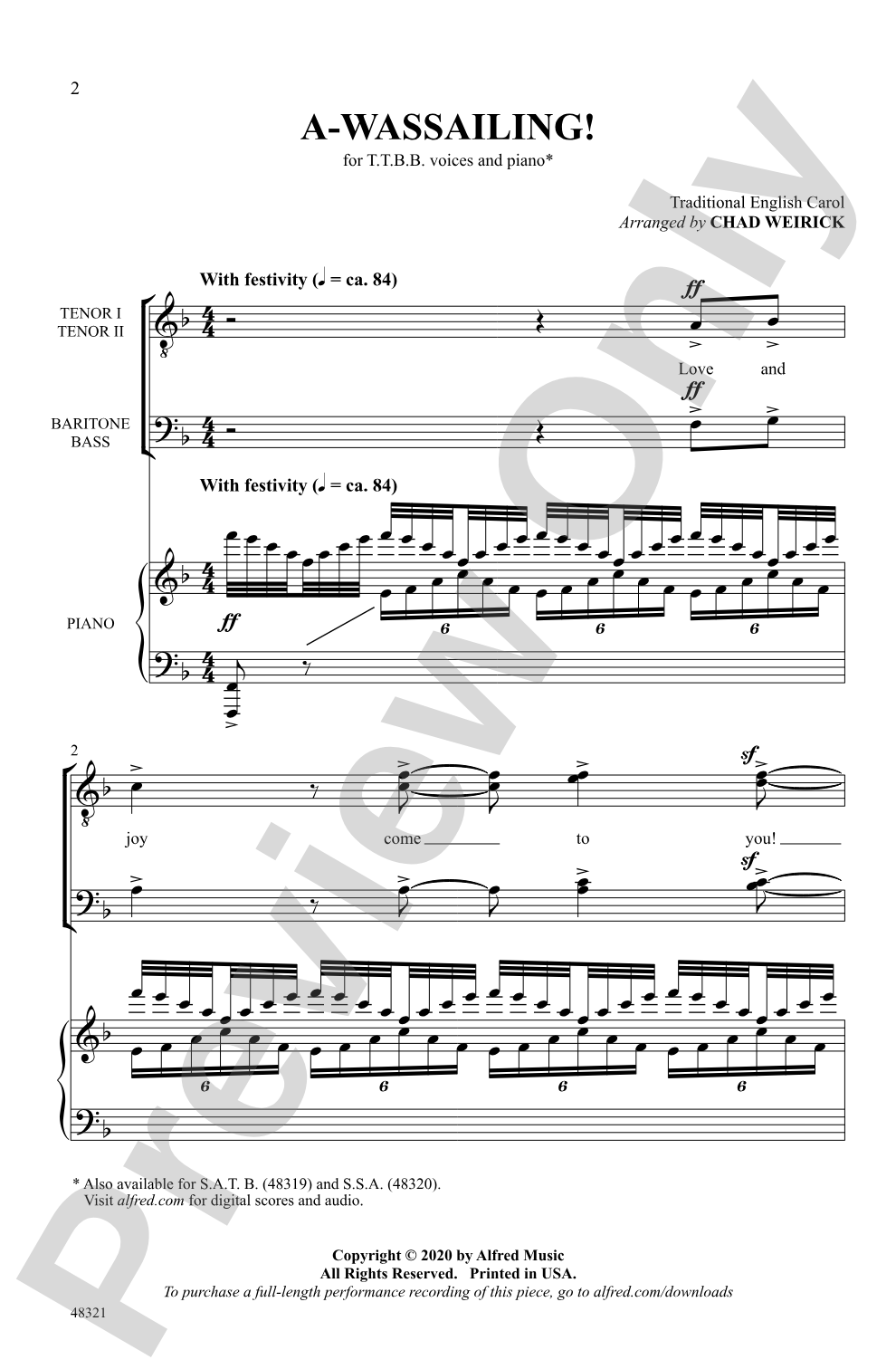
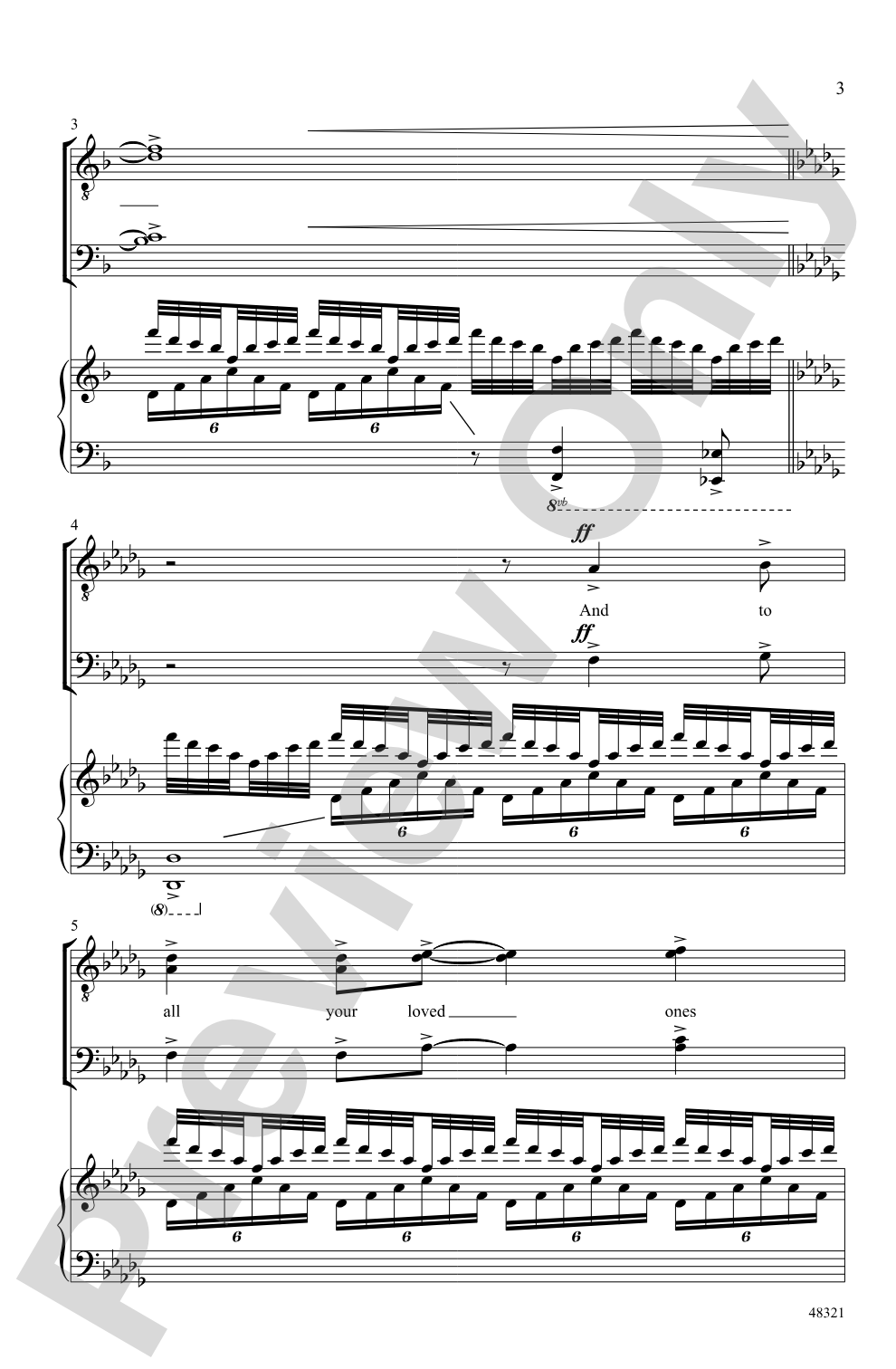
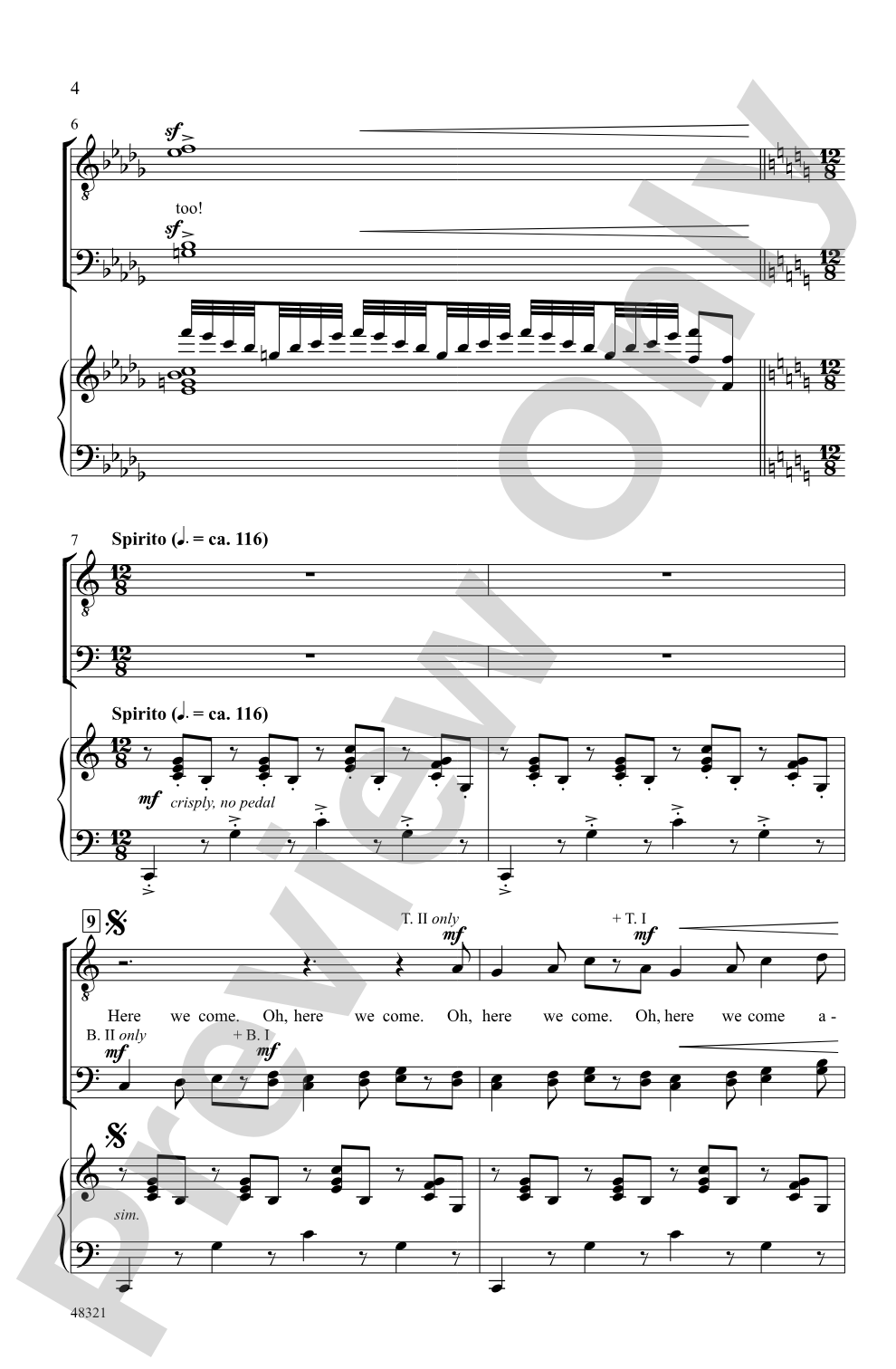
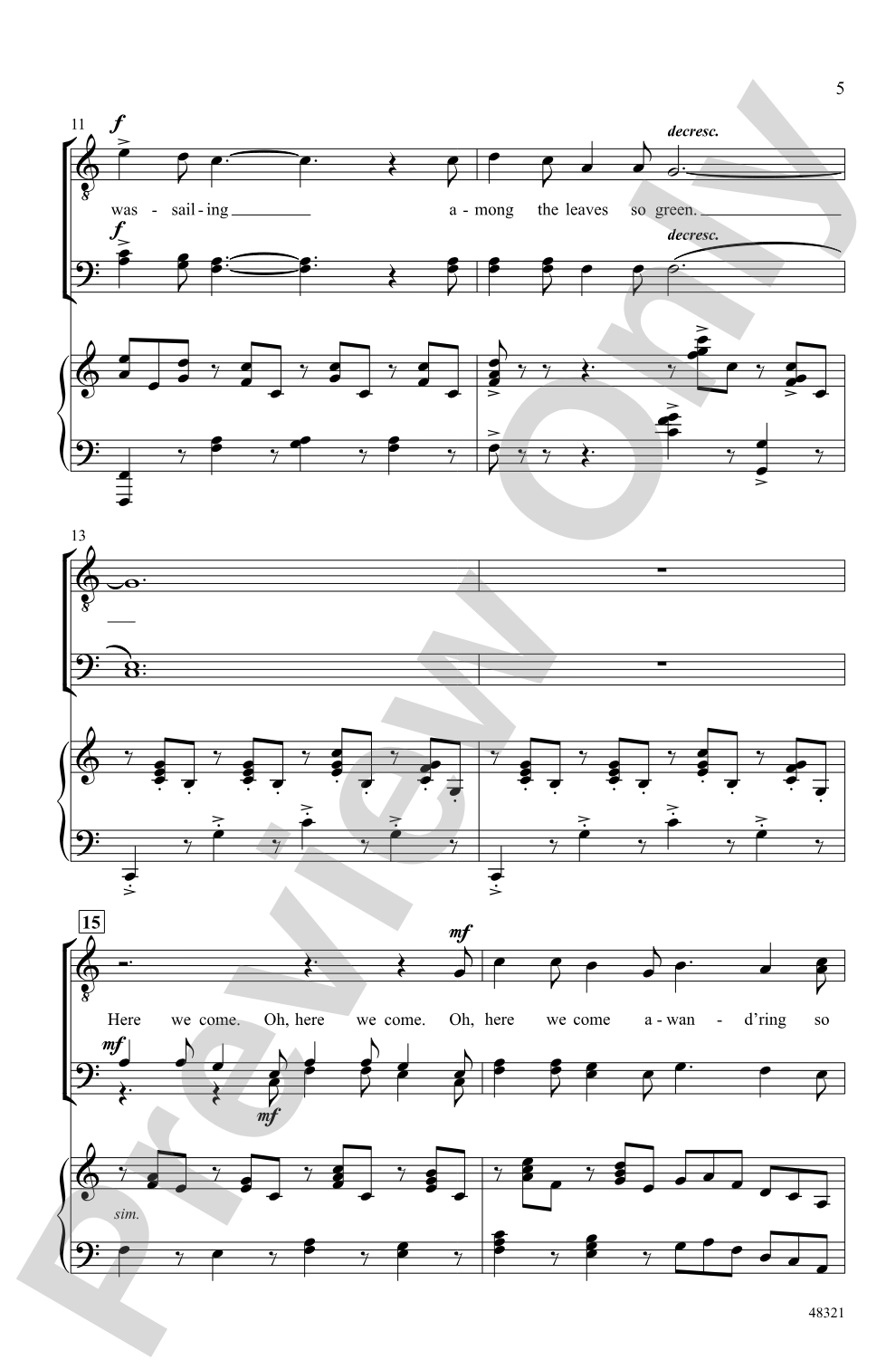
Here's a wildly inventive reimagining of the traditional English carol that will be a highlight on holiday concerts. The dazzling piano introduction ushers in a rush of crystal-clear chords in bright contemporary harmony, while frequent shifts of meter and style conjure an assortment of moods, from celebratory to reflective. A stunning concert setting that is worth the extra rehearsal.


A-Wassailing!: TTBB Choral Octavo isn't in MakeMusic Cloud just yet...but it could be. Let us know you'd like to see it, and you'll help shape what comes next. In the meantime, start a free trial and dive into thousands of interactive titles your students can play along with today.
Request This Title
Tell us you want it.
Start Your Free Trial
Explore everything that's ready to play right now.
Sample Audio
1
Audio File
--:--
0:00
0:00
Sample Video
No sample videos found.
Additional Details
Series:
Lawson-Gould
Publisher:
Alfred Music
Page Count:
20
SKU:
00-PO-0006402
More about this title
About the Arranger: Chad Weirick

Chad Weirick began his music career at Radio City Music Hall as organist and rehearsal pianist for the Rockettes, a role that made him the youngest full-time Broadway musician ever recognized by Ripley's Believe It Or Not! He went on to accompany multiple Broadway productions including A Chorus Line, Shenandoah, and The Act before pursuing formal composition training at the New England Conservatory of Music, where he earned a master's degree under Malcolm Peyton.
Weirick has established himself as a prolific choral arranger whose work has been performed and recorded by choruses across the United States and internationally. He currently serves as Assistant Music Director and accompanist for the Boston Gay Mens Chorus, teaches in the choral department at Wellesley High School, and holds the position of Minister of Music at the First Congregational Church in Hanover, Massachusetts.
Why we love this
Weirick transforms a familiar carol into something genuinely fresh without losing its essential character. The constant meter shifts and harmonic invention demand real musicianship from your singers, yet the voicing remains singable and the emotional payoff generous enough to justify the rehearsal investment.
What to expect
The piece radiates brightness and modern elegance from its glittering piano opening through passages of crystalline harmony, then deepens into moments of genuine introspection. The frequent mood shifts create a sense of discovery, as though the carol itself is being reimagined in real time.
Who it's for
Men's choruses and mixed ensembles seeking a holiday closer that surprises audiences with its artistry and sophistication. This arrangement suits groups comfortable with contemporary harmonic language and metric flexibility, and willing to invest focused rehearsal time in something genuinely memorable.
How to get the most out of it
- Shape the dazzling piano introduction with absolute clarity; let it establish the contemporary harmonic language before the men enter, setting expectations for what follows.
- Mark the meter changes clearly in rehearsal by conducting the new pulse for one or two measures before the choir comes in, so singers internalize the shift rather than fighting it.
- Balance the brightness of the chords against moments of reflection by adjusting vowel placement; forward vowels in the celebratory sections, warmer resonance when the texture turns inward.
- Secure the harmonic movement in your TTBB voicing by having each section lock chords vertically before singing them in context; contemporary harmony demands precision.
How to use it
Close your holiday concert with this piece; its combination of shimmer, structural sophistication, and emotional range makes it a showstopper that sends audiences out thinking about what they just heard. It pairs well with more traditional carols earlier in the program, creating dynamic contrast and programming balance.
Skills your students will build
- Reading and executing frequent meter changes (shift between 4/4, 3/4, and other signatures)
- Navigating contemporary harmonic language with clear voice leading
- Balancing brightness and restraint in vowel production across shifting emotional contexts
- Maintaining harmonic precision in TTBB voicing without relying on familiar chord progressions
- Responding to dynamic and stylistic shifts within a single piece