A Playful Polka Cover Image

A Playful Polka: String Orchestra Conductor Score

$6.00 USD
Sale price  $6.00 USD Regular price 
Skip to product information
A Playful Polka Cover Image

A Playful Polka: String Orchestra Conductor Score

By Edmund J. Siennicki

Grade: 2

Item: 00-31578S

$6.00
Shipped

One moment…

Description
Always lively and often loud dance music, a polka is truly fun for students to play! Though this setting is perfect for a concert, the boisterous feel of an evening of dancing remains! Correlates with Strictly Strings Book 2, Page 26.

A Playful Polka: String Orchestra Conductor Score isn't in MakeMusic Cloud just yet...but it could be. Let us know you'd like to see it, and you'll help shape what comes next. In the meantime, start a free trial and dive into thousands of interactive titles your students can play along with today.

Sample Pages

Sample Audio
No sample audio found.
Sample Video
Additional Details
Series: Highland/Etling Strictly Strings
Publisher: Alfred Music
Page Count: 8
UPC: 038081348735
SKU: 00-31578S

More about this title

About the Composer: Edmund J. Siennicki
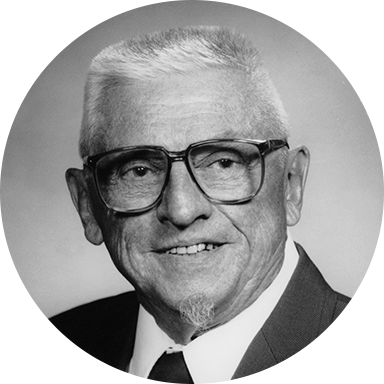
Edmund J. Siennicki

Edmund J. Siennicki grew up in Cleveland, Ohio, where at age 12 he had a formative conversation with the legendary pianist Ignacy Jan Paderewski that shaped his musical direction. He earned his Bachelor's degree from Kent State University, where he composed Fight on for KSU, a piece still performed at university football games, and later received the Distinguished Alumnus Award from the School of Music in 1994.

Siennicki studied composition with Herbert Elwell and electronic music with Sergio Barroso at Teachers College, Columbia University, where he earned his MA, and consulted with Vincent Persichetti on his work. A skilled performer on bassoon and piano, he spent most of his teaching career in Cleveland junior high schools while also serving on the faculties at Michigan and Kent State University. His prolific output includes approximately 200 published compositions, many of which have won prizes in the National School Orchestra composition contests, and he received residencies at the MacDowell Colony on two separate occasions. His work has earned consistent recognition from ASCAP for the past two decades, and he continues to compose, visit schools, and lead clinics.

Why we love this

Siennicki brings a composer's deep understanding of student orchestras to this piece; it captures the genuine exuberance of a polka without asking for technical gymnastics beyond Grade 2 capability. The writing keeps all sections engaged and moving forward, making rehearsals feel productive rather than tedious, and the concert-ready polish means students leave the rehearsal room with a finished product they're proud to perform.

What to expect

This polka bounces with infectious energy and rollicking good humor, the kind of music that makes an audience smile before the first phrase ends. Students feel the joy of coordinated ensemble playing without drowning in complexity; the straightforward rhythms and tuneful writing let them experience the pure fun of making music together.

Who it's for

Grade 2 string orchestras ready to tackle a concert-ready showpiece that builds confidence and ensemble cohesion. Directors programming pops concerts, festival selections, or end-of-year performances will find this pairs well with more serious repertoire as a mood-lifting finale.

How to get the most out of it

  • Keep the tempo brisk and consistent; polkas lose their character when conductors slow down for accuracy. A steady pulse will actually help the ensemble lock in.
  • Balance the rhythmic emphasis across all sections so the dance-like forward motion comes from the entire ensemble, not just the violins. The "boisterous feel" lives in collective energy.
  • Lean into the articulation markings to define the dance character. Clear, snappy bowing and pizzicato passages will brighten the overall sound and give the piece its intended liveliness.

How to use it

Program this as a concert closer to send audiences out energized, or use it midway through a set to shift the mood and reset audience attention. It pairs particularly well with the Strictly Strings curriculum if your group is working through Book 2, making it a natural reinforcement of skills students are already developing.

Skills your students will build

  • Rhythmic precision and ensemble coordination at a lively tempo
  • Stylistic interpretation of dance music articulation and phrasing
  • Balanced, full-ensemble sound across all four string parts
  • Quick bow changes and clear staccato articulation

You May Also Like