A Playful Polka Cover Image

A Playful Polka: String Orchestra Conductor Score & Parts

$42.00 USD
Sale price  $42.00 USD Regular price 
Skip to product information
A Playful Polka Cover Image

A Playful Polka: String Orchestra Conductor Score & Parts

By Edmund J. Siennicki

Grade: 2

Item: 00-31578

makemusic Cloud badge

Need it now?

Buy Digital Version
$42.00
Shipped

One moment…

Description
Always lively and often loud dance music, a polka is truly fun for students to play! Though this setting is perfect for a concert, the boisterous feel of an evening of dancing remains! Correlates with Strictly Strings Book 2, Page 26.

Don't just read it, hear it, play along with it, and watch your students grow with it. In MakeMusic Cloud, A Playful Polka: String Orchestra Conductor Score & Parts comes alive with professional accompaniment, adjustable tempo, and built-in practice tools that turn solo practice into real progress.

Sample Pages

Sample Audio
0:00
0:00
Sample Video
Additional Details
Series: Highland/Etling Strictly Strings
Publisher: Alfred Music
Page Count: 72
UPC: 038081348728
SKU: 00-31578

More about this title

About the Composer: Edmund J. Siennicki
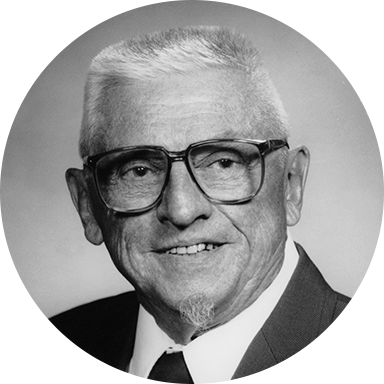
Edmund J. Siennicki

Edmund J. Siennicki grew up in Cleveland and had a formative encounter with pianist Ignacy Jan Paderewski at age twelve, a meeting that shaped his artistic direction. He earned his Bachelor's degree from Kent State University, where he composed the fight song still performed at football games, and later completed his MA at Teachers College, Columbia University while studying composition with Herbert Elwell and electronic music with Sergio Barroso.

Siennicki has maintained a prolific career as both composer and educator, with roughly 200 published works and numerous prizes from national school orchestra composition contests. His compositions have been recognized with consecutive ASCAP awards over two decades, and he spent two separate residencies at the MacDowell Colony. Beyond composing, he served on the music faculty at Michigan and Kent State University and spent much of his teaching career in Cleveland junior high schools, where he worked directly with student musicians. He remains active in composition and continues to visit schools and lead clinics.

Why we love this

Siennicki writes with genuine understanding of what makes young string players eager to come to rehearsal. This polka captures the infectious energy of the form while staying within the technical grasp of grade 2 ensembles, letting students experience genuine style and character without drowning in fingering challenges. The boisterous spirit translates beautifully to the concert setting, giving your program a moment of pure joy that resonates with audiences just as much as it energizes your orchestra.

What to expect

A ballroom in motion. The polka pulses with infectious rhythm and unrestrained joy, the kind of music that makes audiences tap their feet and musicians feel the pleasure of playing together. There's lightness and lift even in the louder passages, a sense that everyone is in on the fun.

Who it's for

String orchestras at the grade 2 level who are ready for music that feels completely genuine and concert-worthy rather than merely instructional. This works equally well for ensembles building technique through the Strictly Strings curriculum and for experienced young orchestras looking for a spirited showpiece that respects their growing abilities.

How to get the most out of it

  • Lean into the rhythmic drive of the polka without letting it become sloppy. Precision and bounce work together here, not against each other.
  • Bring out the melodic lines in the first violins while keeping the lower strings crisp and supportive. The dance character depends on hearing both the tune and the propulsive accompaniment.
  • Keep the dynamic contrasts clear and exaggerated. The marking 'often loud' in a polka means embracing the full sound without apology, then pulling back sharply for softer moments.
  • Use the conductor's beat to establish the character from the downbeat. A lilting, dance-like conducting gesture sets the tone better than any verbal description.

How to use it

Place this as a bright contrast on a concert of more lyrical or serious repertoire, or use it to open a pops concert or spring concert where the mood is celebratory. It pairs especially well on programs where you want to showcase the orchestra's technical growth while reminding the audience (and yourselves) why ensemble playing matters: it's deeply fun.

Skills your students will build

  • Playing with stylistic awareness and rhythmic character in a dance form
  • Balancing melody and accompaniment within a section
  • Dynamic contrast and articulation control
  • Maintaining rhythmic precision at a lively tempo
  • Reading and executing the score correlations with Strictly Strings Book 2

You May Also Like
