
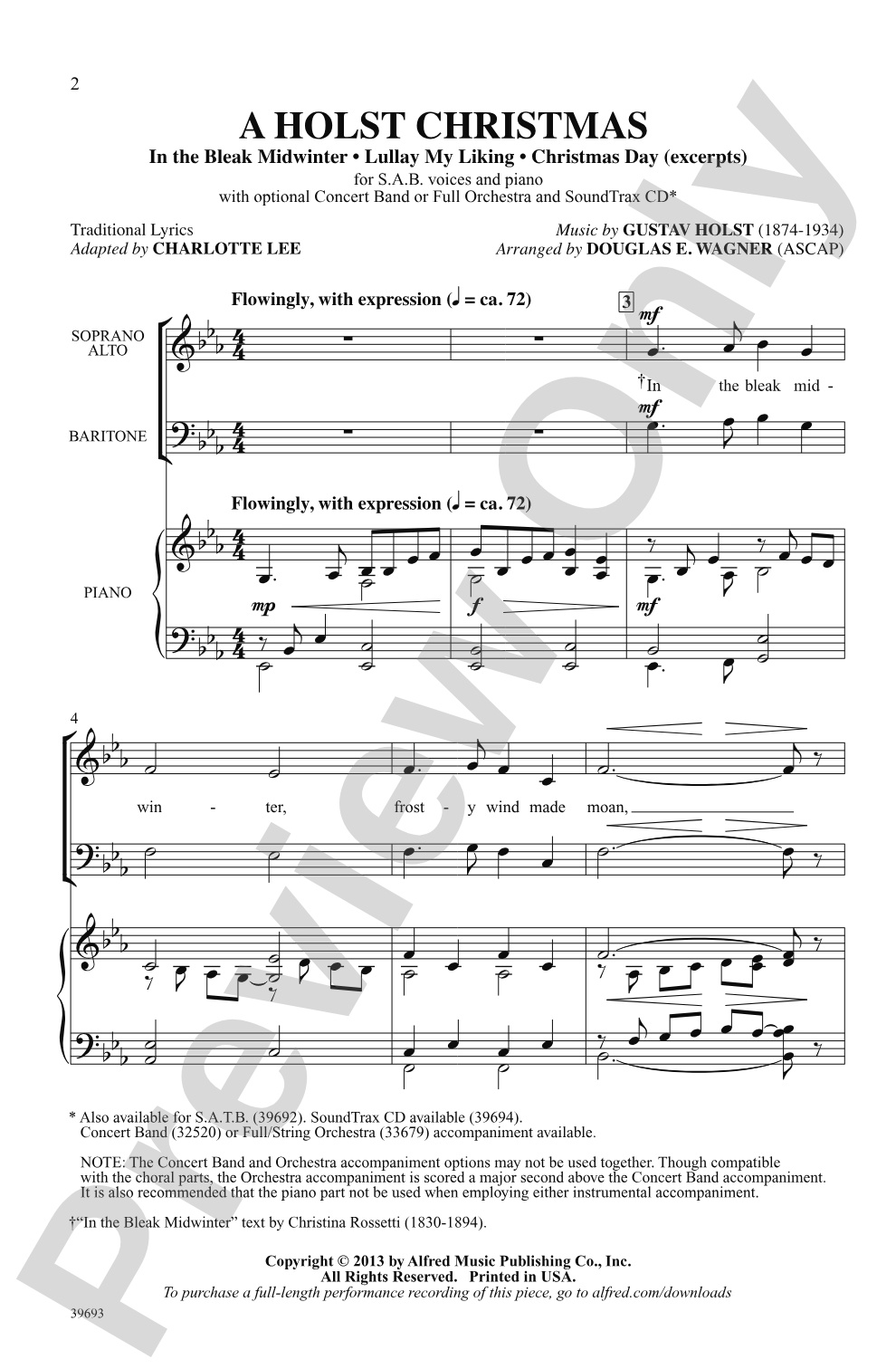

A Holst Christmas: SAB Choral Octavo
Featuring: In the Bleak Midwinter / Lullay My Liking / Excerpts from "Christmas Day"
Traditional lyrics adapted by Charlotte Lee, music by Gustav Holst / arr. Douglas E. Wagner
Item: 00-PO-0001542
$1.95
Minimum order quantity: 20 copies
Pickup currently not available
Related Items
A Holst Christmas: Concert Band Conductor Score & Parts |
$72.00
|
View | |
A Holst Christmas: Full Orchestra Conductor Score & Parts |
$65.00
|
View | |
A Holst Christmas: SATB Choral Octavo |
$1.95
|
View | |
A Holst Christmas: Concert Band Conductor Score & Parts |
$72.00
|
View | |
A Holst Christmas: Concert Band Conductor Score |
$10.00
|
View | |
A Holst Christmas: Full Orchestra Conductor Score & Parts |
$65.00
|
View | |
A Holst Christmas: Full Orchestra Conductor Score |
$7.00
|
View | |
A Holst Christmas: SATB Choral Octavo |
$1.95
|
View | |
A Holst Christmas: SAB Choral Octavo |
$1.95
|
View | |
A Holst Christmas: Choral Octavo SoundTrax CD |
$29.99
|
View |
Description
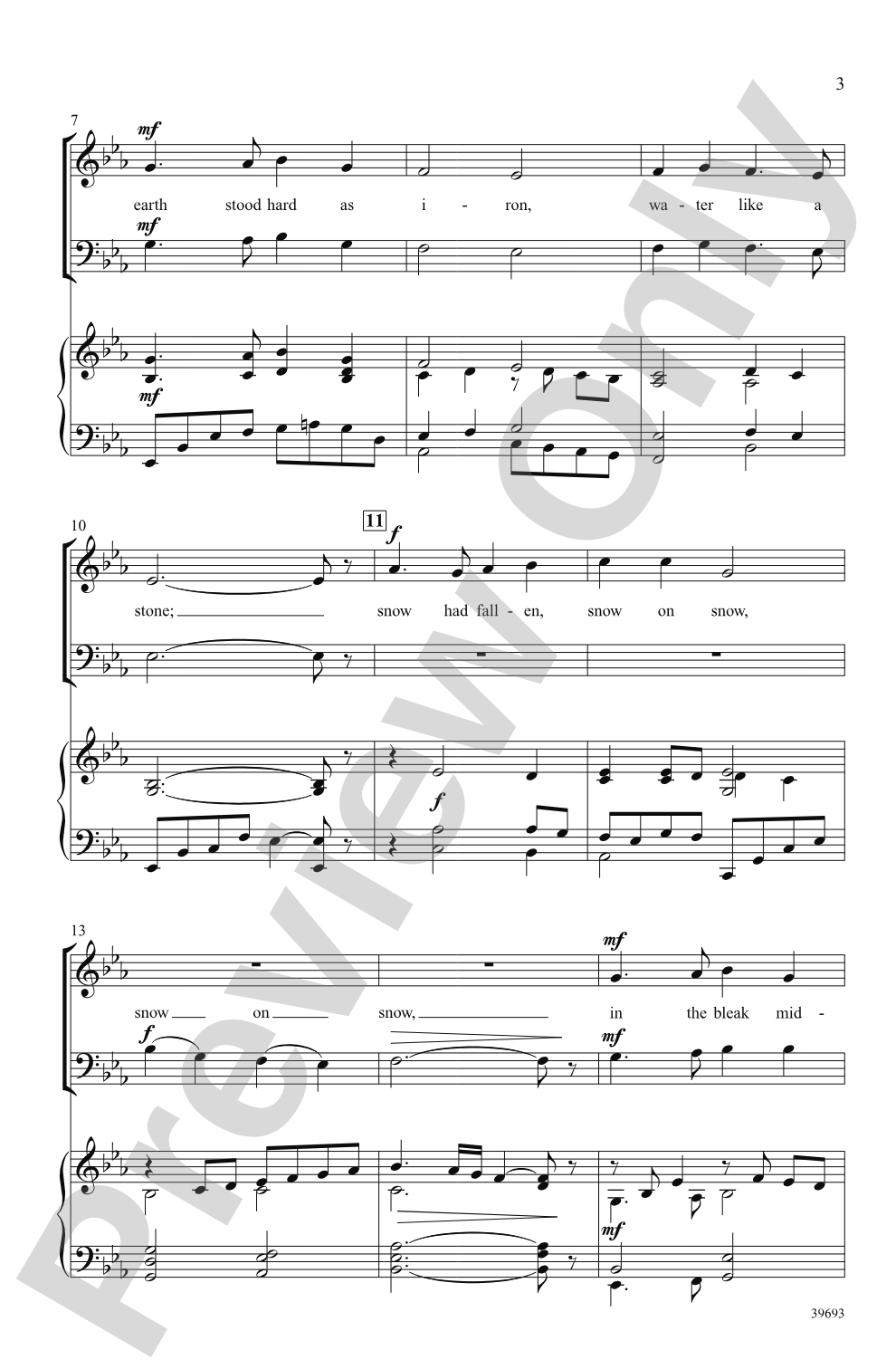
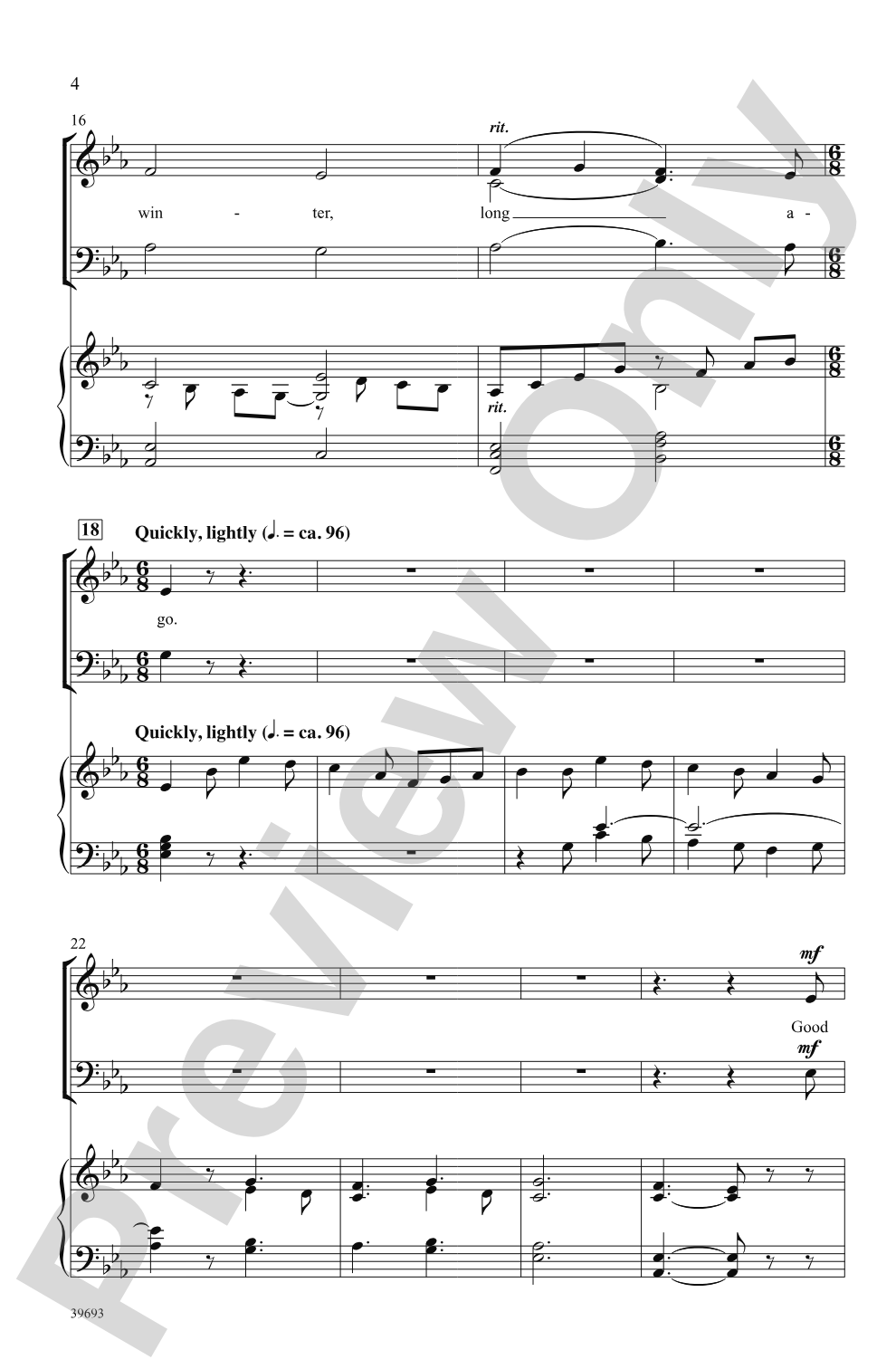
This artfully-crafted medley brings together several of Holst's best known and loved Christmas titles in just under four minutes. Sing with the provided piano part, the richly scored concert band accompaniment, or a step higher with a full or string orchestra.


A Holst Christmas: SAB Choral Octavo isn't in MakeMusic Cloud just yet...but it could be. Let us know you'd like to see it, and you'll help shape what comes next. In the meantime, start a free trial and dive into thousands of interactive titles your students can play along with today.
Request This Title
Tell us you want it.
Start Your Free Trial
Explore everything that's ready to play right now.
Sample Audio
1
Audio File
--:--
0:00
0:00
Sample Video
No sample videos found.
Additional Details
Series:
Alfred Choral Designs
Publisher:
Alfred Music
Page Count:
16
SKU:
00-PO-0001542
More about this title
About the Composer: Gustav Holst
Gustav Holst (1874-1934) stands among the most significant British composers of the twentieth century, creating works that bridged late Romantic idiom with modernist sensibilities. His gift for orchestration and memorable melodic writing secured his place in the concert hall, while his deep commitment to music education shaped how generations of students encountered classical music. Holst's Christmas music reflects the same craftsmanship that defines his larger works, combining harmonic sophistication with accessibility.
Holst served as director of music at St. Paul's Girls' School in London for many decades, a position that profoundly influenced his compositional philosophy. He believed that music education should expose students to genuine artistry, not simplified substitutes. His choral works, including his Christmas compositions, embody this conviction: they demand musicianship while remaining within reach of capable school ensembles.
Why we love this
Wagner's arrangement honors Holst's melodic gift while respecting the practical demands of school choirs. The medley structure gives you genuine concert literature without requiring two extended separate rehearsals, and the orchestration options (piano, concert band, or string orchestra) let you program this piece at whatever production level fits your resources and calendar.
What to expect
The music glows with the warmth of Holst's harmonic language, moving between contemplative passages and moments of quiet jubilation. Under four minutes, the medley feels intimate rather than sprawling, inviting singers and listeners into a space where tradition meets genuine artistry.
Who it's for
This octavo works for choirs with solid sight-reading skills and three-part voicing experience. School choirs, church ensembles, and community groups benefit equally from the flexible accompaniment options and the chance to perform arranged masterworks that feel both familiar and fresh.
How to get the most out of it
- Balance the SAB voicing by considering your section sizes; if your altos are thin, redistribute the alto line or double it with sopranos in passages where the inner part sits comfortably in their range.
- Let the recorded accompaniment guide your tempo if you're new to the medley's pacing, but don't lock to it mechanically. Find the tempo that lets your singers phrase naturally across the transitions between Holst's original melodies.
- Mark the registration changes and key areas in rehearsal so singers understand how each section connects narratively. This helps them shape dynamics and tone color rather than delivering isolated fragments.
- Attend to the text projection during faster passages; diction clarity here prevents the medley from sounding rushed or mushy.
How to use it
Nest this piece in a winter concert where you want to honor classical repertoire without abandoning festive spirit. Pair it with a longer Christmas work or use it as a palate-cleansing anchor between contemporary holiday arrangements and secular programming.
Skills your students will build
- Reading SAB voicing and managing inner-part independence
- Singing sustained harmonic progressions with clear tuning
- Interpreting dynamic and tonal contrast across a medley structure
- Maintaining consistent text projection during tempo shifts