A Call for Peace Cover Image

A Call for Peace: Concert Band Conductor Score

$11.00 USD
Sale price  $11.00 USD Regular price 
Skip to product information
A Call for Peace Cover Image

A Call for Peace: Concert Band Conductor Score

By Brad Ciechomski

Grade: 2.5

Item: 98-B1396S

$11.00
Shipped

One moment…

Description
Change the pace of your next concert with this wonderfully lyrical work based on a world without conflict. Beautiful sweeping lines and soaring countermelodies build to an intense key change before the work returns to the gentle orchestration found at the beginning. Wonderful music that is quite achievable for bands at this level while providing exceptional opportunities for music making.

A Call for Peace: Concert Band Conductor Score isn't in MakeMusic Cloud just yet...but it could be. Let us know you'd like to see it, and you'll help shape what comes next. In the meantime, start a free trial and dive into thousands of interactive titles your students can play along with today.

Sample Pages

Sample Audio
No sample audio found.
Sample Video
Additional Details
Series: FJH Young Band
Publisher: The FJH Music Company, Inc.
UPC: 241444489628
SKU: 98-B1396S

More about this title

About the Composer: Brad Ciechomski
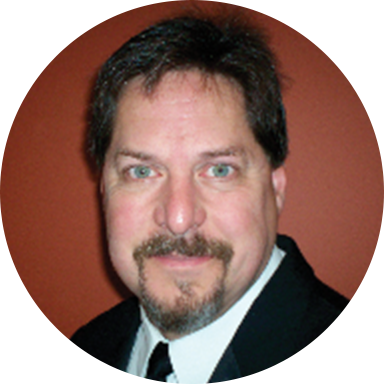
Brad Ciechomski

Brad Ciechomski directs the band program at Harrison Middle School in Yarmouth, Maine, where his teaching earned him recognition as the 2005-2006 Teacher of the Year and selection as one of 51 American Star of Teaching recipients in 2008. He leads four concert bands and three jazz ensembles there while maintaining an active presence as a clinician, adjudicator, and guest conductor throughout New England festivals and competitions.

Composition study with Andrew Boysen Jr. at the University of New Hampshire shaped Ciechomski's voice as a writer for bands at all levels, from elementary through college. Beyond the podium, he remains a working drummer with regional and national artists, having shared stages with jazz luminaries including Clark Terry, Mel Torme, and Bob Mintzer, as well as rock history in the form of David Crosby. He lives in Portland with his bassist wife and two daughters.

Why we love this

Ciechomski builds genuine emotional weight without asking more of your band than they can deliver. The architecture here is smart: he establishes an intimate, accessible soundscape in the opening, develops it through countermelodic writing that rewards careful sectional balancing, then uses key change not as a gimmick but as a structural turning point that justifies its intensity. Your students get to make something that feels substantial.

What to expect

The work unfolds like a conversation held in a quiet space, building through layered voices and expanded harmonic territory before reaching a moment of urgency and resolution. You return to where you began, but changed by what happened in between.

Who it's for

Bands solidifying their fundamentals at the 2.5 level will find repertoire that respects their abilities while offering musical challenges worth pursuing. Directors seeking concert material that programs alongside more abstract or energetic works benefit from this piece's meditative quality and clear narrative arc.

How to get the most out of it

  • Shape the initial lyrical phrases with attention to breath and line rather than metronomic precision; this opening establishes the work's reflective character and asks for musical maturity from your players.
  • Balance the sweeping lines against the countermelodies by assigning them to different sections early in rehearsal, then gradually blend them as players understand their interdependence.
  • Prepare the key change by rehearsing it several times in isolation, treating it as a watershed moment both dynamically and in terms of articulation clarity rather than rushing into it.

How to use it

This works as a centerpiece in a concert exploring themes of hope and resolution, pairing effectively with more activist-minded pieces or serving as a calming midsection that contrasts with marchlike openers or rhythmically driven closers. Consider programming it early in the concert season when your ensemble is still building technical confidence but ready for interpretive work.

Skills your students will build

  • Balancing countermelodic lines without losing the primary melodic line
  • Shaping extended phrases across dynamic and harmonic shifts
  • Executing key modulations with clarity and intentional character change
  • Responding to subtle variations in orchestration and sectional texture
  • Sustaining soft, focused dynamics across longer passages

You May Also Like