A Bach Alleluia Cover Image

A Bach Alleluia: SAB Choral Octavo

$2.25 USD
Sale price  $2.25 USD Regular price 
Skip to product information
A Bach Alleluia Cover Image

A Bach Alleluia: SAB Choral Octavo

By J. S. Bach and Charles Gounod / arr. Donald Moore

Item: 00-22927

makemusic Cloud badge

Need it now?

Buy Digital Version
$2.25
Shipped

One moment…

Description
A new classic from Donald Moore: a skillfully arranged version of the famous Bach/Gounod "Ave Maria." Your choir will sound impressive singing these lyric lines and rich harmonies set to an "Alleluia" text with a flowing piano accompaniment. Sensitive dynamics rise and fall in every stunning phrase of this must-have work for your choral library.

Don't just read it, hear it, play along with it, and watch your students grow with it. In MakeMusic Cloud, A Bach Alleluia: SAB Choral Octavo comes alive with professional accompaniment, adjustable tempo, and built-in practice tools that turn solo practice into real progress.

Sample Pages

Sample Audio
0:00
0:00
Sample Video
Additional Details
Series: Alfred Archive Edition: Alfred Choral Designs
Publisher: Alfred Music
Page Count: 8
UPC: 038081221106
SKU: 00-22927

More about this title

About the Arranger: Donald Moore
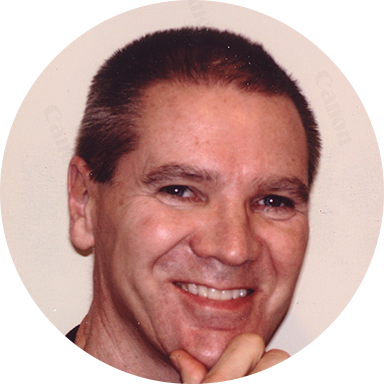
Donald Moore

Donald Moore earned his Bachelor of Music in organ performance and Master of Arts in Teaching from Kent State University. He has served as Organist-Choirmaster at Pilgrim United Church of Christ in Cuyahoga Falls, Ohio, and maintains an active presence as a composer and arranger across multiple genres and publishers including Alfred Music, Hal Leonard, and Heritage Music Press.

With over 500 published works to his name, Moore has established himself as a significant voice in American choral music. His compositions regularly appear at state and national festivals, and he is a seventeen-time recipient of the ASCAP Composers Standard Award. The American Choral Directors Association recognized him among 400 elite composers whose impact has shaped American choral literature.

Why we love this

Moore's arrangement captures what makes the Bach/Gounod "Ave Maria" so enduring while reimagining it through an "Alleluia" text that feels freshly celebratory. The SAB voicing opens this masterwork to choirs that couldn't otherwise access it, and the flowing piano part provides both technical sophistication and singerly support. Directors will appreciate how Moore shapes the dynamics to let each phrase breathe, making a familiar melody feel newly discovered.

What to expect

Lyrical and luminous, this piece unfolds with the grace of a beloved hymn elevated by rich harmonic color. The flowing piano accompaniment and sensitive dynamic shaping create an atmosphere of quiet reverence that builds to moments of genuine warmth without ever losing its contemplative quality.

Who it's for

This arrangement works for intermediate to advanced choirs with solid SAB blend and musicality. It suits programs seeking to program a sacred work with classical roots that still feels accessible and rewarding, and it's ideal for choirs wanting to build confidence with familiar material that sounds polished.

How to get the most out of it

  • Balance the SAB voicing so soprano and alto lines can both project the primary melody; avoid letting soprano dominate at the expense of the lower voices' harmonic support.
  • Shape each phrase according to the marked dynamics, allowing the music to swell and recede naturally rather than maintaining steady volume throughout.
  • Work closely with your pianist on the flowing accompaniment; it's not merely supportive but essential to the piece's lyric character and must breathe with the choir.

How to use it

Program this as a centerpiece in a sacred choral concert or use it to frame a longer set of liturgical works. Its eight-page length makes it substantial enough to stand alone as a significant selection while remaining concise enough to balance a mixed program that includes lighter fare or contemporary pieces.

Skills your students will build

  • Shaping lyric melodic lines with dynamic control
  • Balancing three-part mixed voicing with equal harmonic presence
  • Coordinating with piano accompaniment in flowing, sustained textures
  • Interpreting familiar material through fresh textual and harmonic contexts

You May Also Like
