Zoom! Cover Image

Zoom!: String Orchestra Conductor Score

$10.00 USD
Sale price  $10.00 USD Regular price 
Skip to product information
Zoom! Cover Image

Zoom!: String Orchestra Conductor Score

By Richard Meyer

Grade: 3

Item: 00-47475S

$10.00
Shipped

One moment…

Description
Vivid imagery, colorful orchestrations, and a variety of styles all combine to make this one-of-a-kind selection a journey that your students and audience will never forget! In the form of a five-part rondo with changing tempos, this piece will let creativity fly!

Zoom!: String Orchestra Conductor Score isn't in MakeMusic Cloud just yet...but it could be. Let us know you'd like to see it, and you'll help shape what comes next. In the meantime, start a free trial and dive into thousands of interactive titles your students can play along with today.

Sample Pages

Sample Audio
0:00
0:00
Sample Video
Additional Details
Series: Highland/Etling String Orchestra
Publisher: Alfred Music
Page Count: 28
UPC: 038081547602
SKU: 00-47475S

More about this title

About the Composer: Richard Meyer
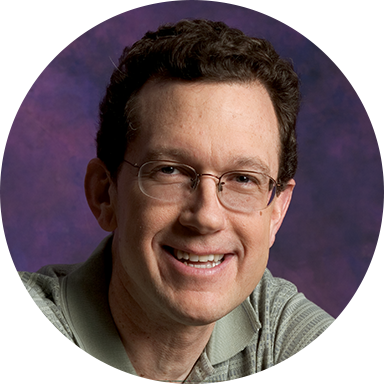
Richard Meyer

Richard Meyer spent 35 years teaching strings at elementary, middle, and high school levels in public schools, most notably at Oak Avenue Intermediate School in Temple City, California, where he grew the program from 29 to 200 students over 22 years. He also directed the Pasadena Youth Symphony Orchestra for 16 years, leading ensembles in performances across North America, Europe, and Australia.

Beyond the classroom and podium, Meyer has established himself as a prolific composer with over 190 works published, served as string editor for Alfred Publishing Company for 16 years, and co-authored influential string methods including the String Explorer Series and Sight-read It for Strings. In 2009, he created the "Giving Bach" program at his school, an initiative that has gained national recognition for using interactive concerts to serve students with special needs and those in underserved communities throughout Southern California.

Why we love this

Meyer understands what energizes a rehearsal room. The rondo structure with shifting tempos and styles keeps players engaged across five distinct sections, and the orchestrations give every stand something meaningful to play. This is the kind of piece that builds ensemble confidence without requiring technical feats beyond Grade 3 capabilities.

What to expect

Colorful and imaginative, with enough structural clarity that young players feel the architecture unfold. The rondo design creates a satisfying sense of journey, moving through contrasting moods while returning to familiar terrain, all at a pace that keeps energy alive without overwhelming the ensemble.

Who it's for

String orchestras at the intermediate to early high school level looking for repertoire that combines concert appeal with genuine musical substance. This works equally well for programs seeking a festival selection, a concert centerpiece, or a piece that demonstrates stylistic range to an audience.

How to get the most out of it

  • Identify the character of each rondo section in rehearsal before tackling tempo transitions. Meyer's variety means your ensemble needs clear mental anchors for each return.
  • Balance the colorful orchestrations by mapping voice independence during early rehearsals. With five contrasting sections, some students will carry thematic material while others provide harmonic support.
  • Lock ensemble precision on the tempo changes themselves, not just within sections. These shifts are structural moments that need conductor clarity and group confidence.

How to use it

Program this as a standalone feature on a concert where you want to showcase your ensemble's stylistic versatility and versatility within a single piece. The five-part rondo structure and varying tempos make it an ideal bridge between traditional classical repertoire and more contemporary concert selections.

Skills your students will build

  • Navigating tempo changes and meter shifts while maintaining ensemble cohesion
  • Executing contrasting articulations and styles within a single work
  • Supporting thematic material through harmonic clarity and precise voice independence
  • Understanding rondo form through performance rather than analysis alone

You May Also Like