
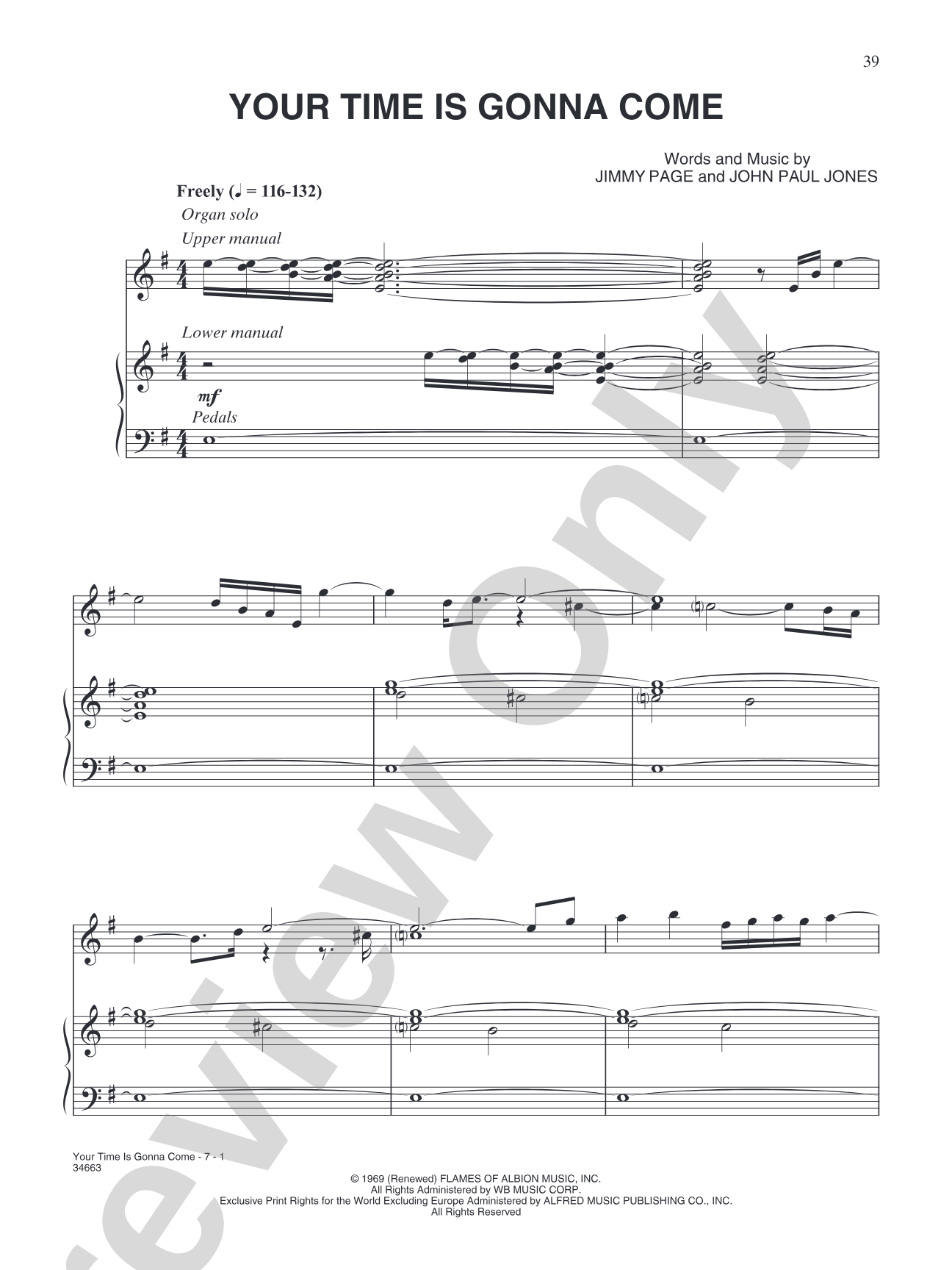
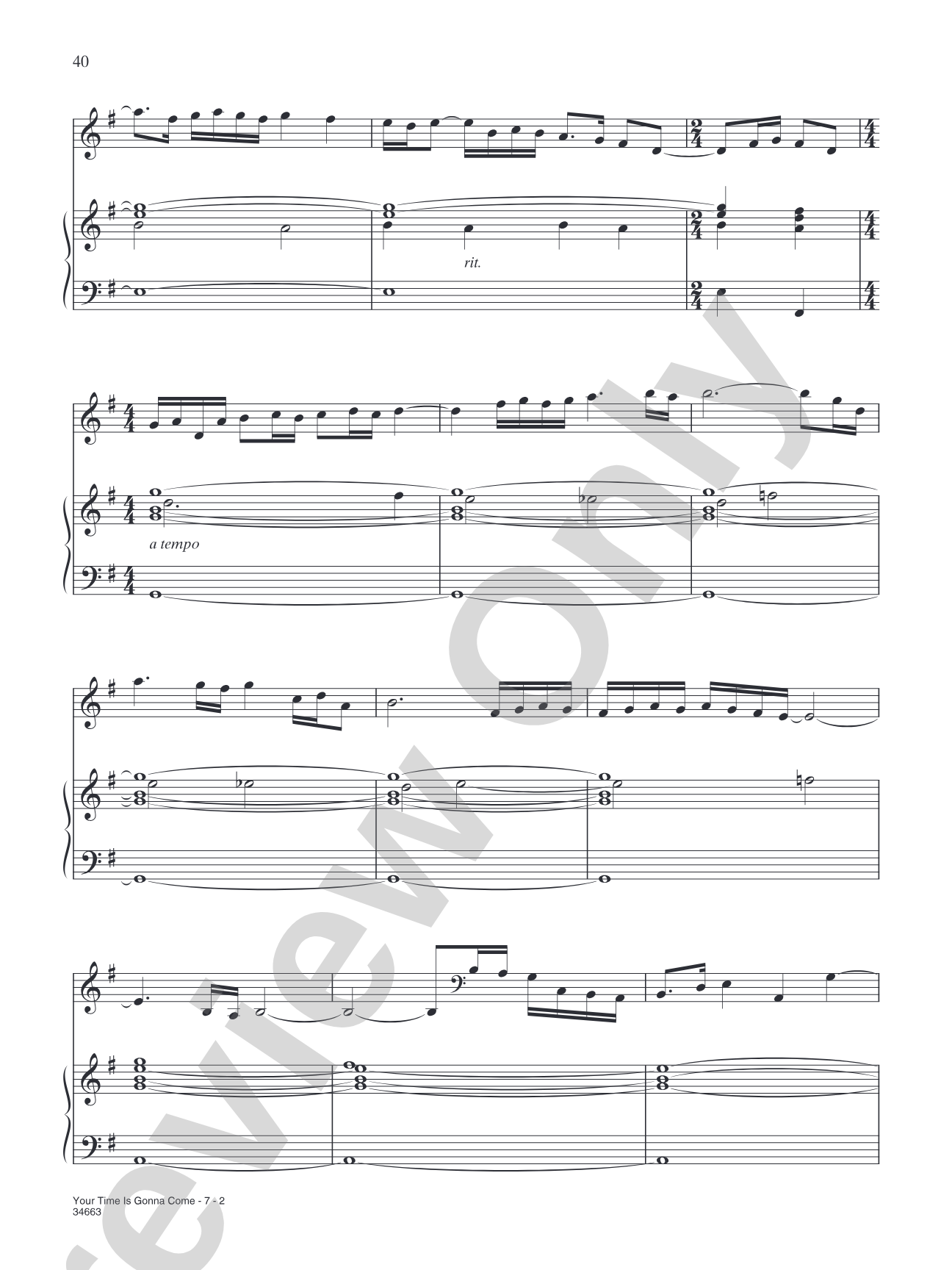

Your Time is Gonna Come: Piano/Vocal/Chords
Led Zeppelin
Item: 00-XS-0000095
$5.99
Pickup currently not available
Related Items
Babe I'm Gonna Leave You: Authentic Guitar TAB |
$9.99
|
View | |
Communication Breakdown: Authentic Guitar TAB |
$5.99
|
View | |
Good Times, Bad Times: Authentic Guitar TAB |
$5.99
|
View | |
Black Mountain Side: Authentic Guitar TAB |
$4.99
|
View | |
Your Time Is Gonna Come: Authentic Guitar TAB |
$5.99
|
View | |
How Many More Times: Authentic Guitar TAB |
$9.99
|
View | |
Dazed And Confused: Authentic Guitar TAB |
$9.99
|
View | |
Communication Breakdown: Piano/Vocal/Chords |
$4.99
|
View | |
Led Zeppelin: I Platinum Album Edition: Authentic Guitar TAB Book |
$24.99
|
View | |
Led Zeppelin: I Platinum Album Edition: Drum Transcriptions Book |
$19.99
|
View | |
Led Zeppelin: I Platinum Album Edition: Piano/Vocal/Chords Book |
$19.99
|
View | |
Led Zeppelin: I Platinum Album Edition: Authentic Bass TAB Book |
$16.99
|
View |
Description
This matching piano/vocal/guitar songbook to Led Zeppelin's explosive debut album features detailed arrangements that capture all of the record's nuances, including the intense bass lines and organ solos of John Paul Jones, and keyboard renditions of the essential guitar parts. Guitar World editor Brad Tolenski provides an insightful historical foreword, and Robert Plant has officially certified the accuracy of the lyrics. Basic guitar chords are also included. While note-for-note guitar, bass, and drum transcription folios are available separately, this collectible piano/vocal edition is the ideal one that every keyboardist should own. Titles: Good Times Bad Times * Babe I'm Gonna Leave You * You Shook Me * Dazed and Confused * Your Time Is Gonna Come * Black Mountain Side * Communication Breakdown * I Can't Quit You Baby * How Many More Times.


Your Time is Gonna Come: Piano/Vocal/Chords isn't in MakeMusic Cloud just yet...but it could be. Let us know you'd like to see it, and you'll help shape what comes next. In the meantime, start a free trial and dive into thousands of interactive titles your students can play along with today.
Request This Title
Tell us you want it.
Start Your Free Trial
Explore everything that's ready to play right now.
Sample Audio
No sample audio found.
Sample Video
No sample videos found.
Additional Details
Series:
Alfred's Platinum Album Editions
Publisher:
Alfred Music
Page Count:
68
SKU:
00-XS-0000095
More about this title
About the Composer: Jimmy Page
Jimmy Page stands as one of rock music's most innovative and technically demanding composers and guitarists. His work with Led Zeppelin across the 1970s redefined what popular music could accomplish in the studio, combining blues traditions with experimental production, Eastern influences, and orchestral thinking. Page's arrangements and compositions on the band's debut album established a blueprint for rock music that remains influential in music education contexts today, particularly for students exploring how popular music intersects with classical compositional techniques.
Why we love this
This edition gives pianists and singers direct access to the album's architectural complexity, which reveals itself fully when you separate the layers. The keyboard arrangements faithfully represent John Paul Jones's orchestral contributions and essential bass movement, allowing keyboardists to understand how this album was constructed from the inside. For ensemble programs mixing popular music with classical repertoire, these arrangements serve as legitimate compositional studies in texture, dynamics, and arrangement craft.
What to expect
Raw, electric, and meticulously crafted. The arrangements capture the album's swagger and experimental edge while making space for the keyboard to sing. These are songs that feel simultaneously heavy and intricate, with quiet passages that demand total focus and climactic moments that demand total commitment.
Who it's for
Pianists and keyboardists who want to understand how early 1970s rock was arranged and composed, particularly those exploring the intersection of blues, classical music, and studio production. Singers performing these songs benefit from having the vocal melody with full harmonic context and chord symbols. Ensemble directors interested in programming popular music alongside traditional repertoire will find these arrangements musically substantive.
How to get the most out of it
- Honor the dynamic range on tracks like "Dazed and Confused." The quiet passages demand precision and control; rushing these sections undermines the tension that makes the loud moments effective.
- Pay close attention to the bass line transcriptions in the keyboard part. These lines often drive the harmonic motion and groove, so lock into their rhythm and articulation rather than treating them as accompaniment.
- Use the guitar chords as reference for harmonic color and voicing choices on the keyboard, especially in the blues-based material. Your comping should complement rather than duplicate the notated guitar parts.
- Approach the organ solos with the full dynamic intensity of the original recordings. These aren't subtle background textures; they're lead voices that demand confidence and presence.
How to use it
Consider pairing individual selections with classical or jazz programming to demonstrate compositional sophistication in popular music. The arrangement complexity makes these pieces suitable for upper-level piano or jazz keyboard students. A vocalist performing this material gains credibility by working from a publication that Robert Plant himself certified for lyrical accuracy.
Skills your students will build
- Reading and performing complex keyboard arrangements with independent bass lines
- Balancing melody, harmony, and accompaniment texture in popular music contexts
- Interpreting guitar chords and translating them to keyboard voicings
- Managing dramatic dynamic contrast and articulation control
- Understanding blues harmonic language and its adaptation in rock composition