



You Raise Me Up: Choral SoundPax
Words and music by Rolf Løvland and Brendan Graham / arr. Mark Hayes
Item: 00-PK-0005126

$60.00
Pickup currently not available
Buy Extra Parts (Digital PDF Download)
Parts Added to Cart!
Related Items
You Raise Me Up: SoundTrax Digital Audio Download |
$29.99
|
View | |
You Raise Me Up: SATB Choral Octavo |
$2.10
|
View | |
You Raise Me Up: SAB Choral Octavo |
$2.25
|
View | |
You Raise Me Up: SSA Choral Octavo |
$2.10
|
View | |
You Raise Me Up: TTBB Choral Octavo |
$2.10
|
View | |
You Raise Me Up: SATB Choral Octavo |
$2.10
|
View | |
You Raise Me Up: SAB Choral Octavo |
$2.25
|
View | |
You Raise Me Up: SSA Choral Octavo |
$2.10
|
View | |
You Raise Me Up: TTBB Choral Octavo |
$2.10
|
View | |
You Raise Me Up: Choral Octavo SoundTrax CD |
$29.99
|
View |
Description
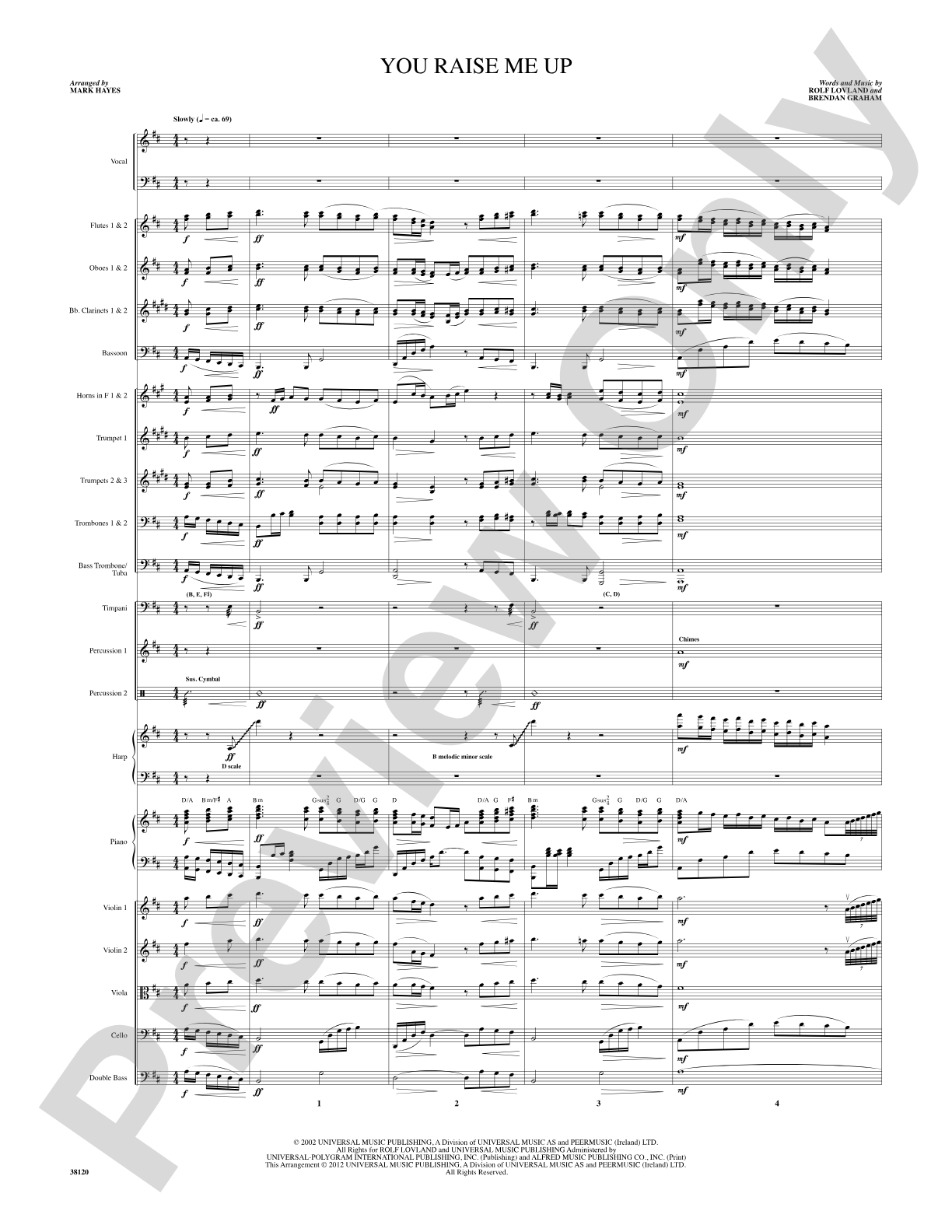
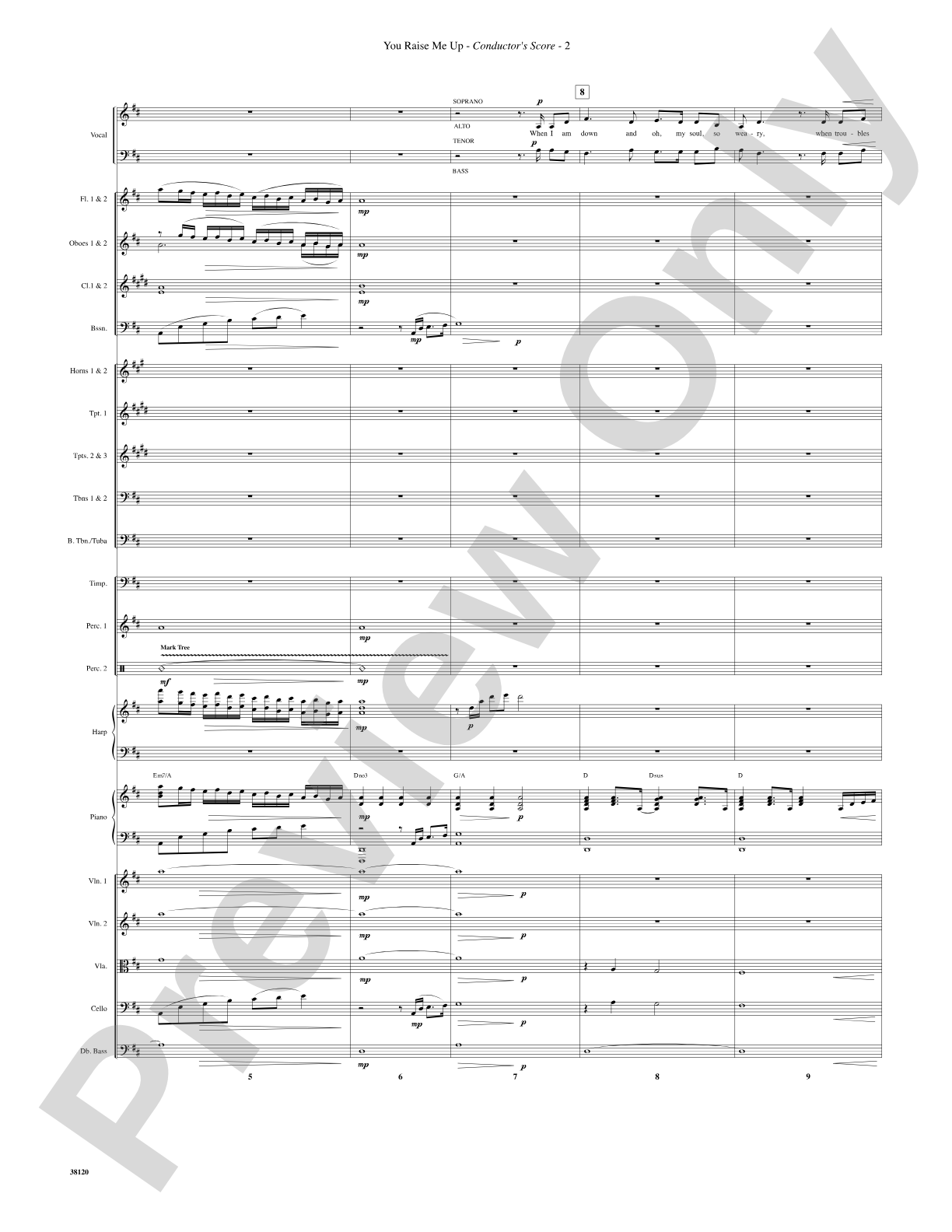
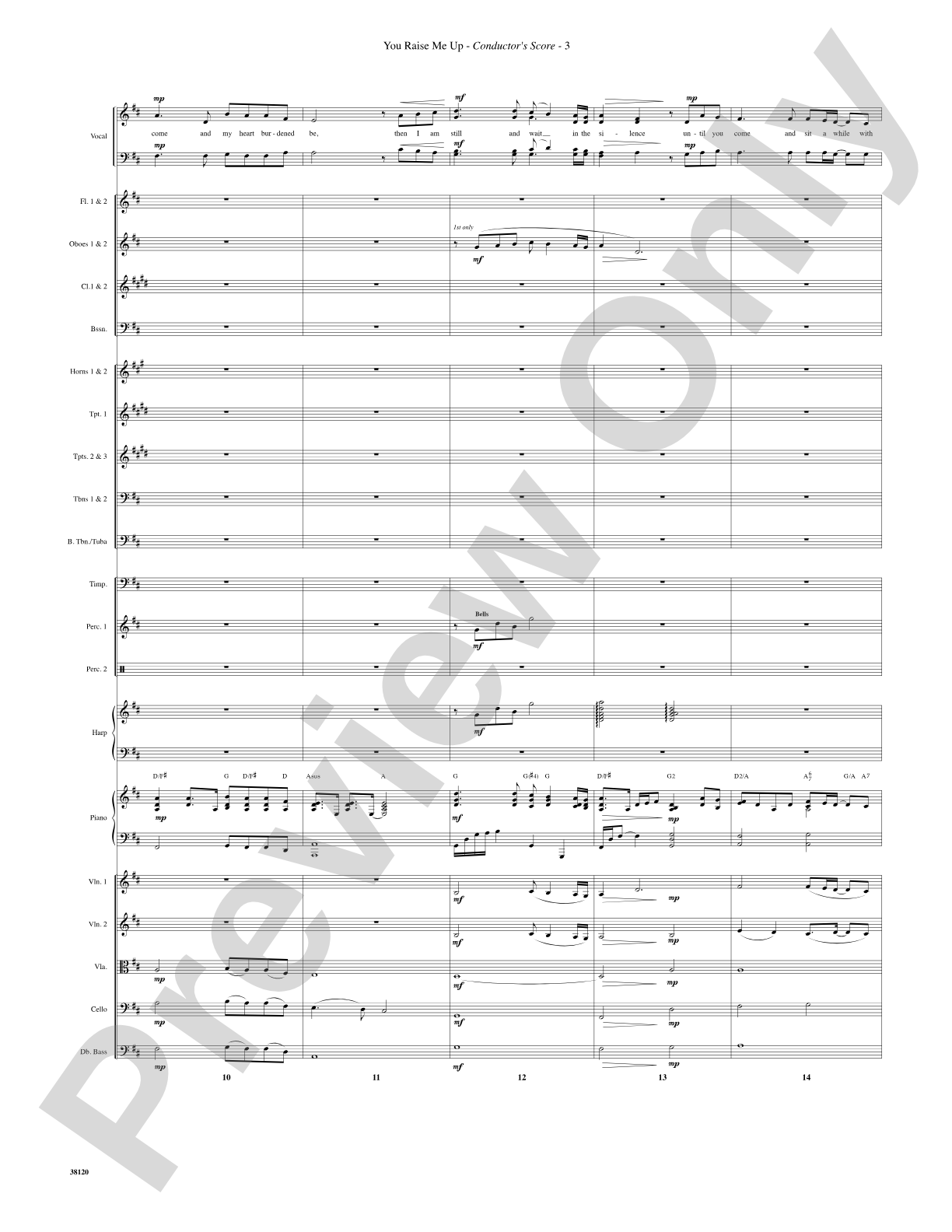
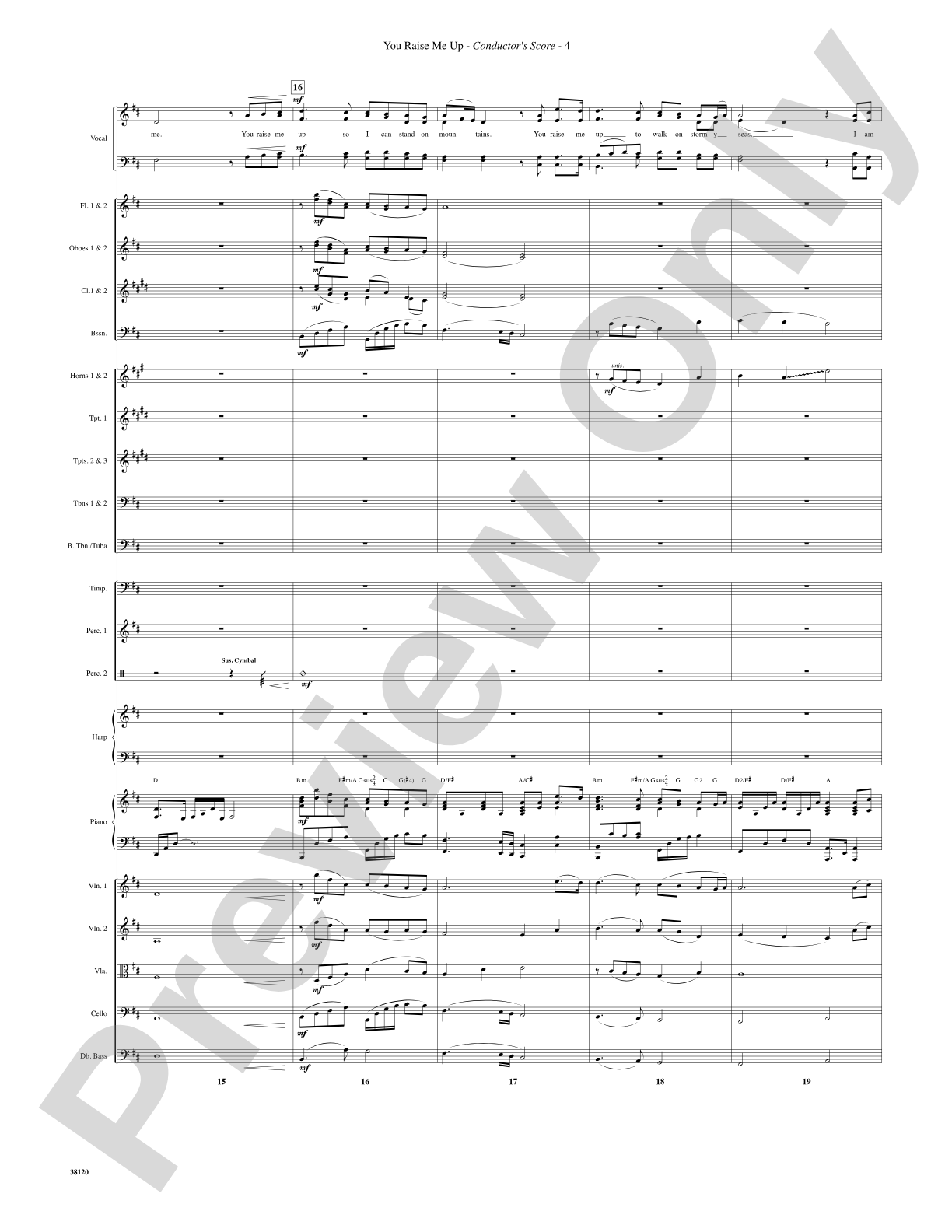
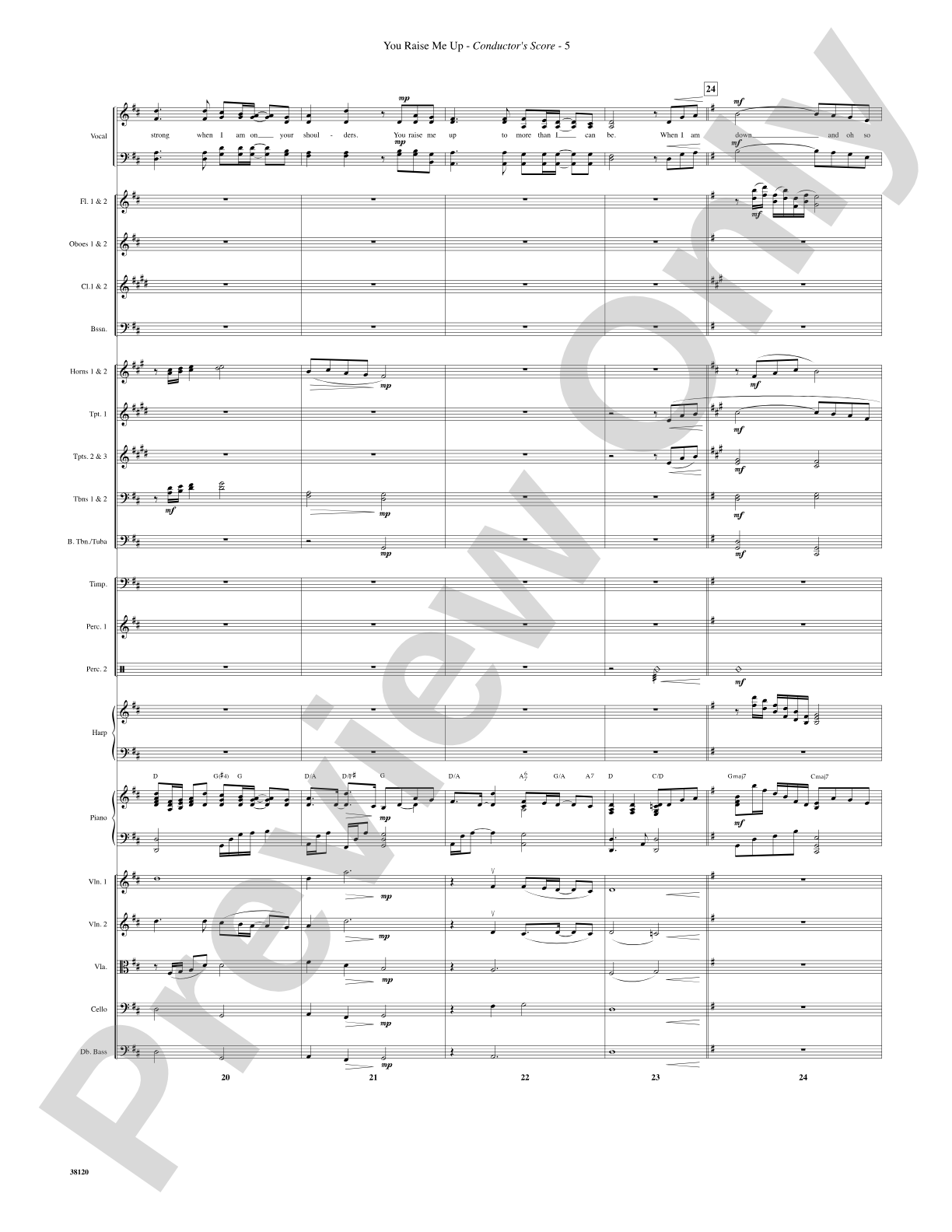
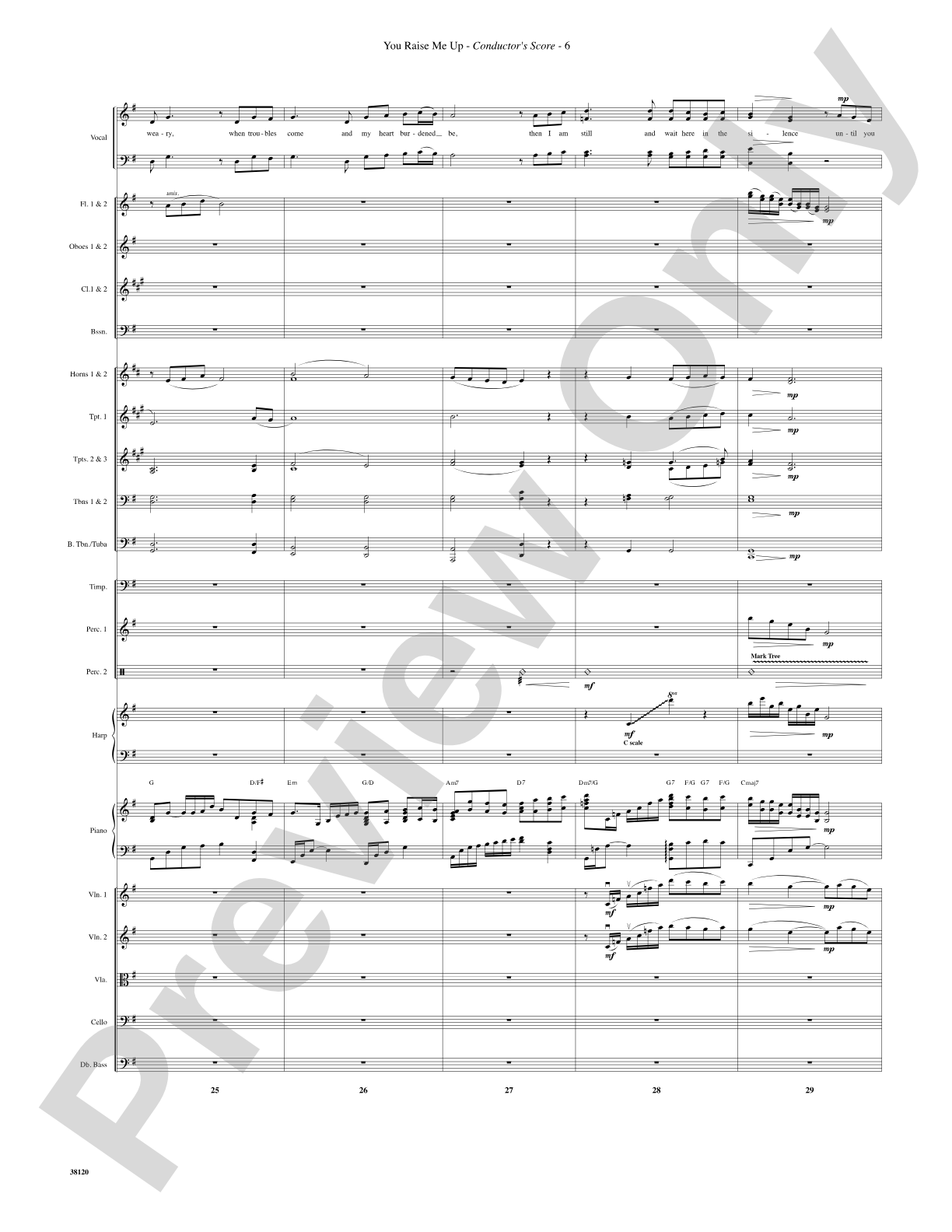
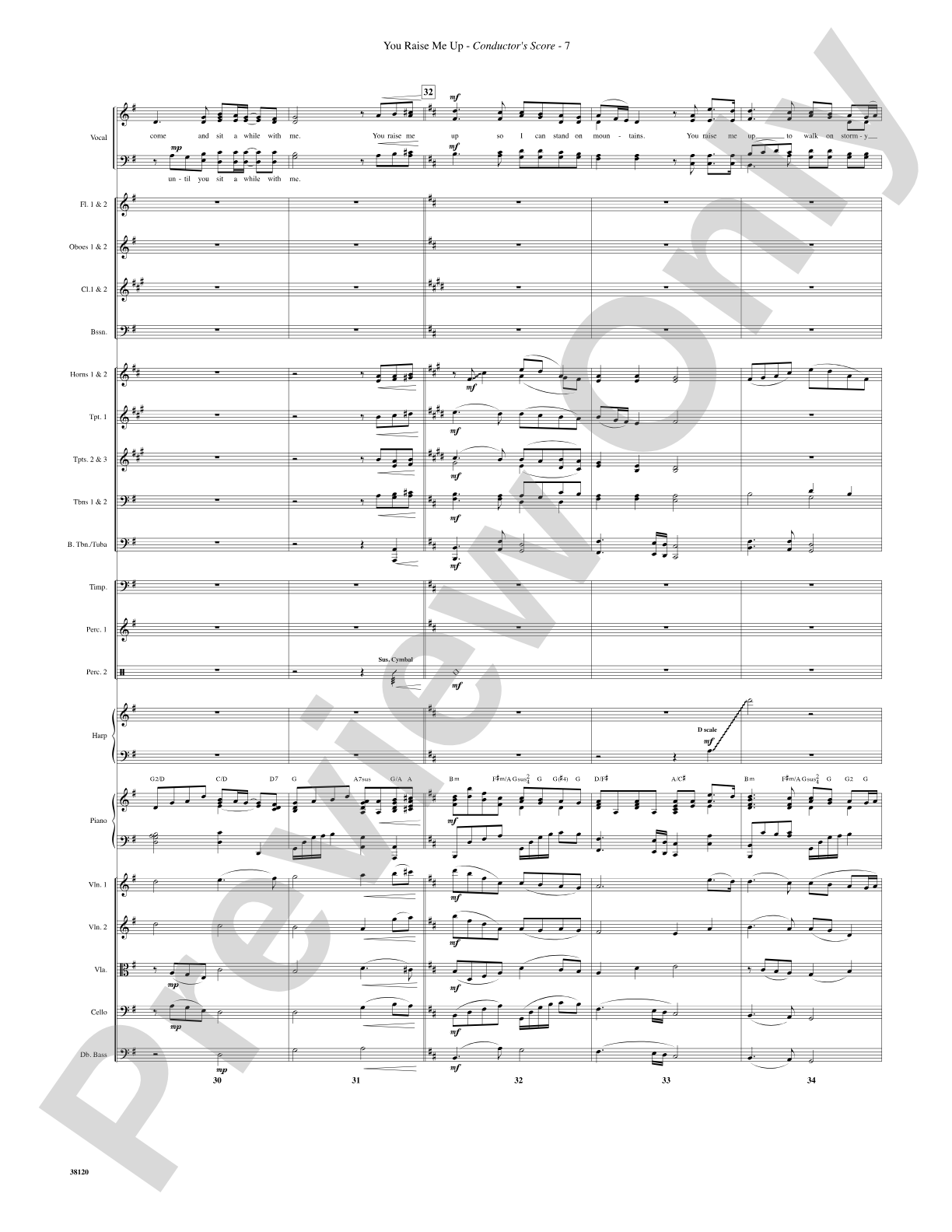
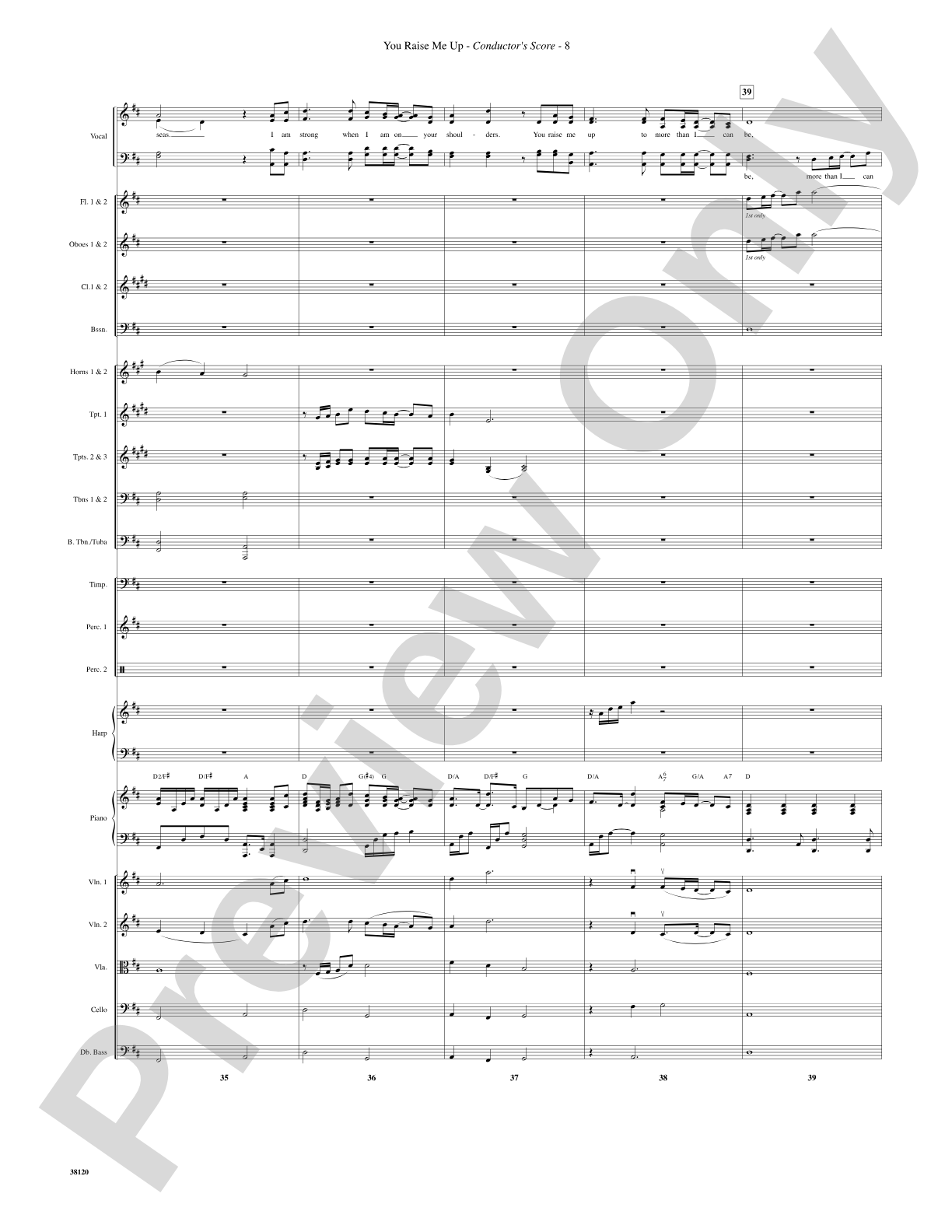
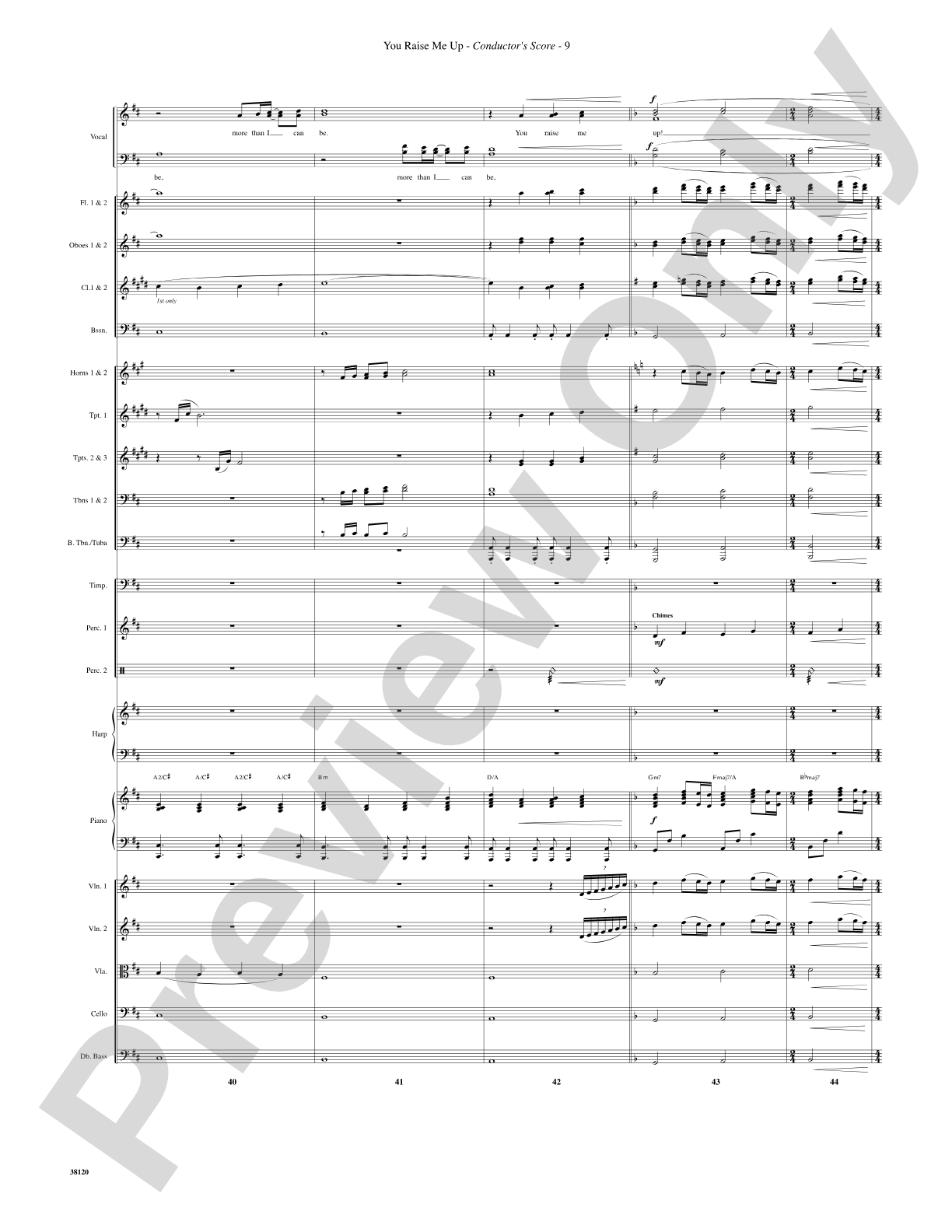
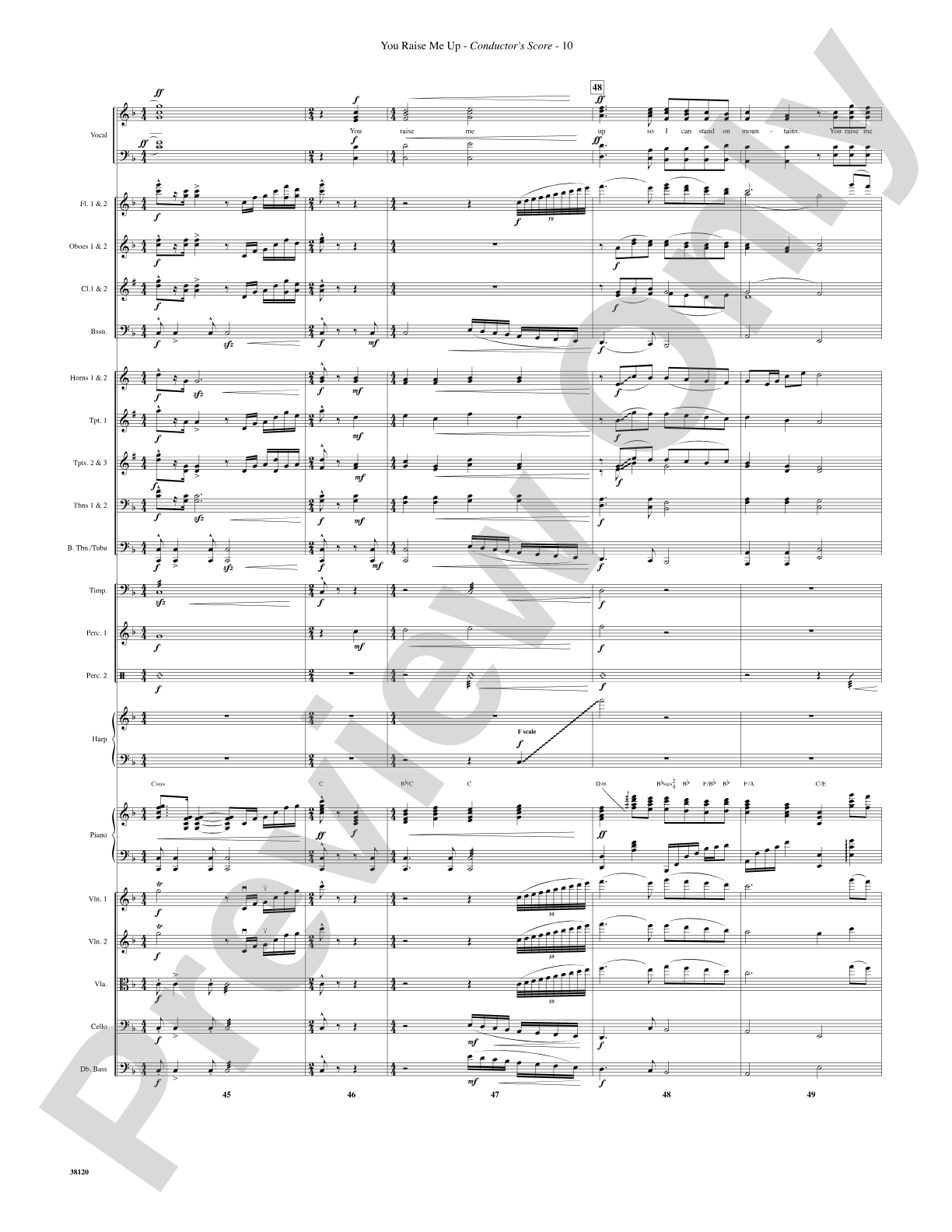
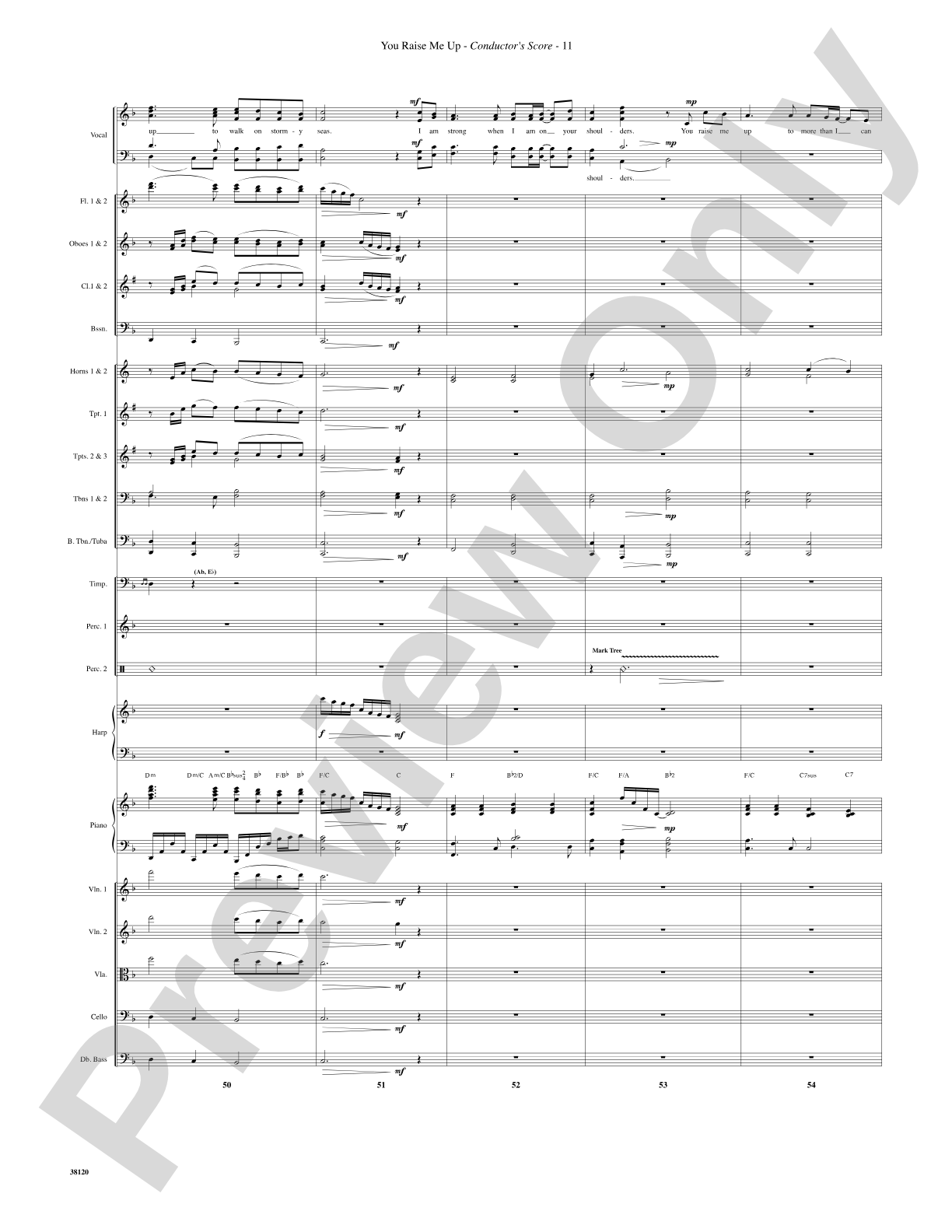
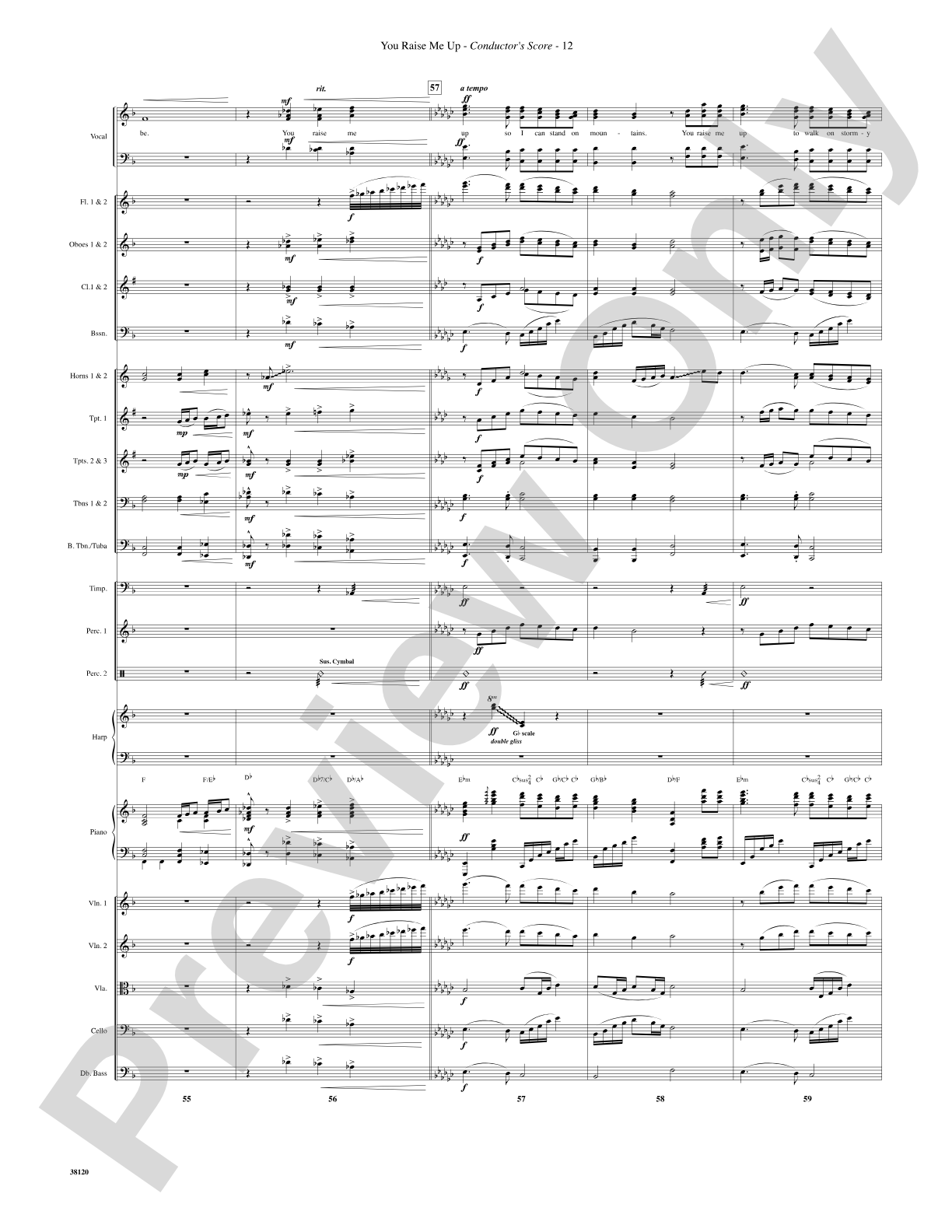
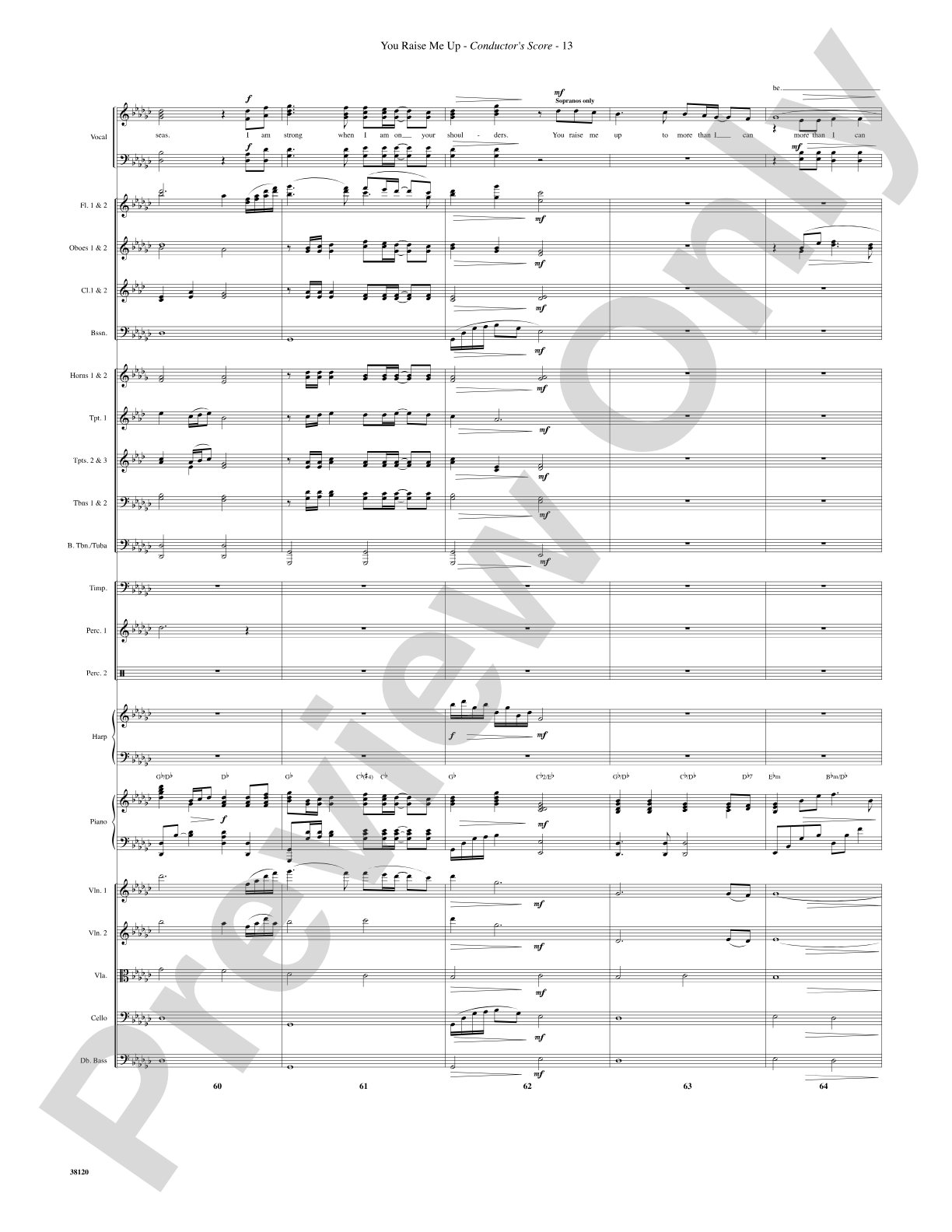
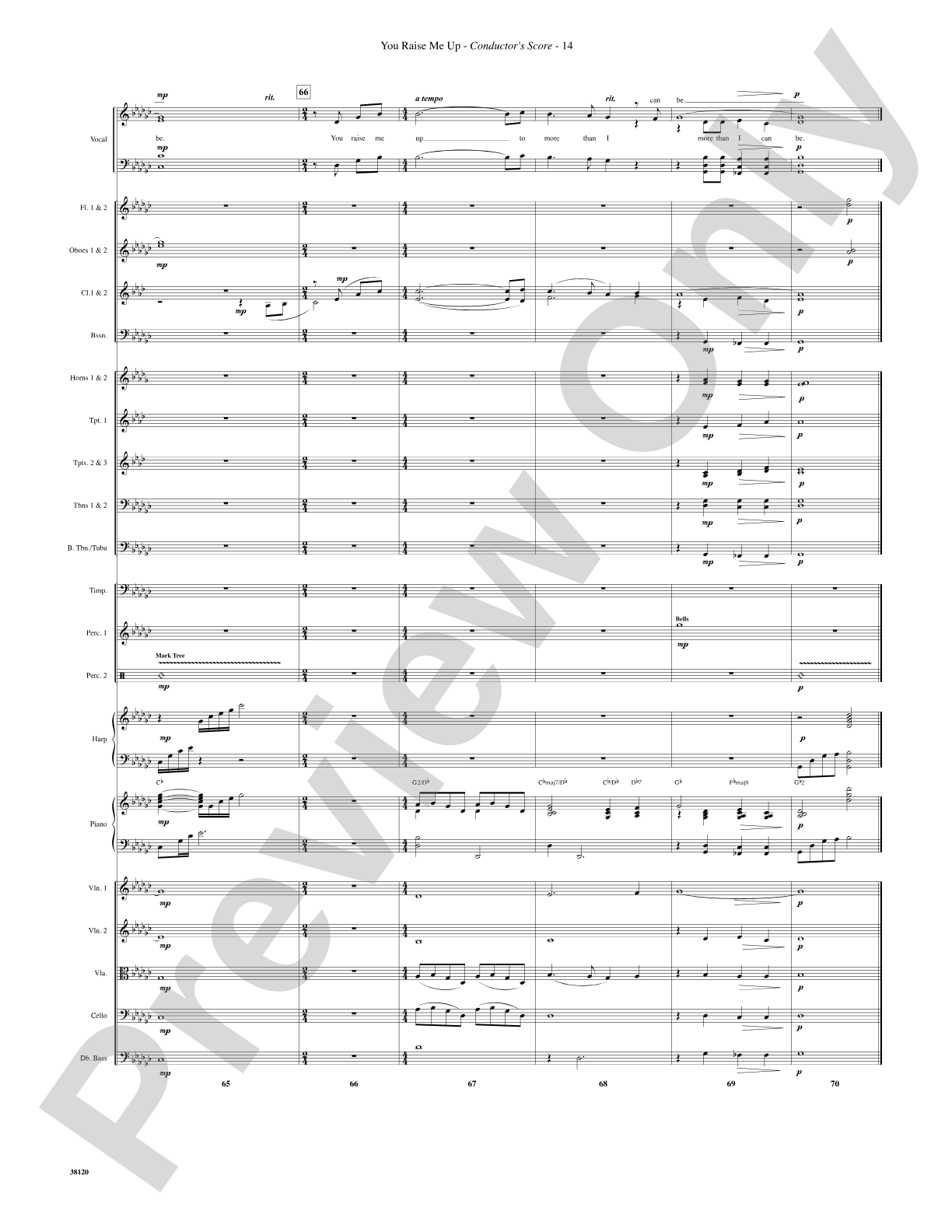
Josh Groban's blockbuster hit has received the most powerful and moving choral treatment to date. The song, based on a traditional Irish tune, has been recorded by dozens of pop and Christian artists. Enjoy Mark's stunning, lush treatment, with optional orchestra.


Don't just read it, hear it, play along with it, and watch your students grow with it. In MakeMusic Cloud, You Raise Me Up: Choral SoundPax comes alive with professional accompaniment, adjustable tempo, and built-in practice tools that turn solo practice into real progress.
Open in the Player
Jump straight in and assign it today.
Start Your Free Trial
Open this title and explore the full library in minutes.
Sample Audio
1
Audio File
--:--
0:00
0:00
Sample Video
No sample videos found.
Additional Details
Series:
Alfred Pop Choral Series
Publisher:
Alfred Music
Page Count:
148
SKU:
00-PK-0005126
Instrumentation:
SoundPax
More about this title
About the Composer: Rolf Lovland
Rolf Lovland is a Norwegian composer whose gift for melody has reached audiences worldwide through film, television, and concert music. His collaboration with lyricist Brendan Graham on "You Raise Me Up" created one of the most recorded songs of the 21st century, a testament to the universal emotional power of his compositional voice.
Lovland's work spans classical, pop, and sacred idioms, and his pieces are known for their accessibility without sacrificing musical depth. Educators value his arrangements and compositions for their ability to move performers and audiences alike while remaining performable by a wide range of skill levels.
Why we love this
Mark Hayes's arrangement captures everything that makes this song resonate: the soaring melody, the emotional arc, and the ability to inspire both singers and listeners. The optional orchestra parts elevate the piece from intimate to truly majestic, giving your choir flexibility in how they want to present it. This is the kind of repertoire that reminds singers why they joined the choir in the first place.
What to expect
The piece unfolds with quiet dignity and builds toward moments of profound uplift. Hayes's harmonies add lush color to the simple, haunting melody without overwhelming it, creating an arrangement that feels both modern and timeless.
Who it's for
This arrangement suits choirs of intermediate to advanced ability who want to tackle a piece with genuine emotional weight and contemporary appeal. Directors programming mixed repertoire will find this valuable for reaching audiences beyond traditional concert-goers, especially those familiar with the song from Josh Groban's recording or other pop and Christian versions.
How to get the most out of it
- Build the dynamic shape gradually across the entire piece. Resist the urge to sing at full volume early; let the arrangement's harmonic richness accumulate power as it progresses.
- Pay attention to the lyrical phrasing in Hayes's arrangement. Even though the melody is singable, the most moving performances treat it as a musical phrase first and a pop song second.
- If you include the optional orchestra, balance your choir sound so the ensemble feels integrated rather than overshadowed. A warm, supported tone works better than a bright, pushed sound.
- Use the recorded accompaniment to help sections lock in their parts, particularly where voice lines move together or in close harmony.
How to use it
This works beautifully as a closer on a pops concert or as a reflective piece alongside sacred repertoire. Its emotional accessibility also makes it an excellent choice for fundraising galas or community events where you want to connect with listeners who might not attend traditional choral concerts.
Skills your students will build
- Singing sustained, lyrical lines with expressive control
- Blending in close-harmony passages
- Interpreting contemporary arrangements of familiar melodies
- Responding to dynamic and harmonic complexity while maintaining clarity