

You'd Be So Nice to Come Home To: Choral SoundPax
Words and music by Cole Porter / arr. Jay Althouse
Item: 00-PK-0004682

$10.00
One moment…
Related Items
You'd Be So Nice to Come Home To: SoundTrax Digital Audio Download |
$26.99
|
View | |
You'd Be So Nice to Come Home To: SATB Choral Octavo |
$2.10
|
View | |
You'd Be So Nice to Come Home To: SSA Choral Octavo |
$1.90
|
View | |
You'd Be So Nice to Come Home To: SSA Choral Octavo |
$1.90
|
View | |
You'd Be So Nice to Come Home To: Choral Octavo SoundTrax CD |
$26.99
|
View | |
You'd Be So Nice to Come Home To: Choral SoundPax |
$10.00
|
View |
Description
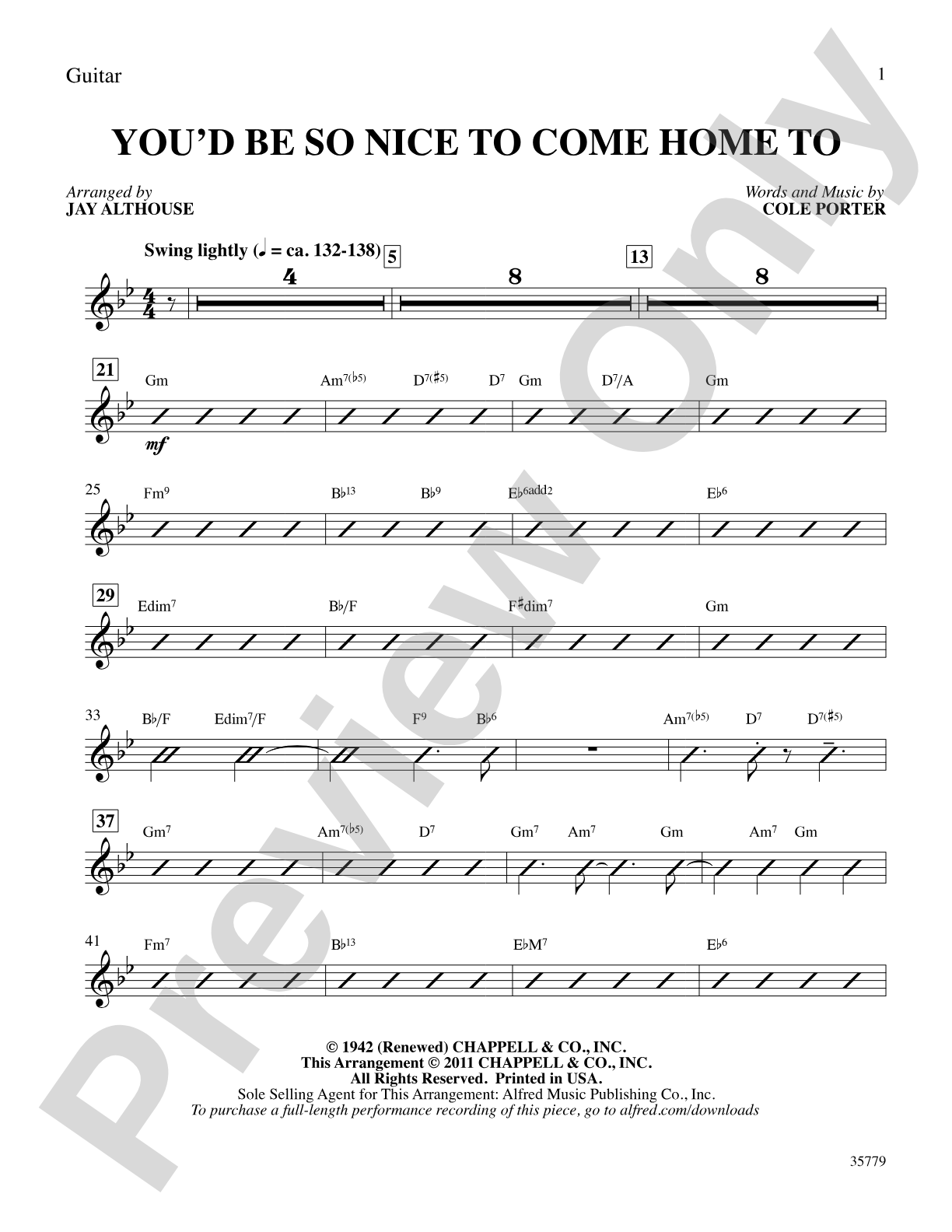
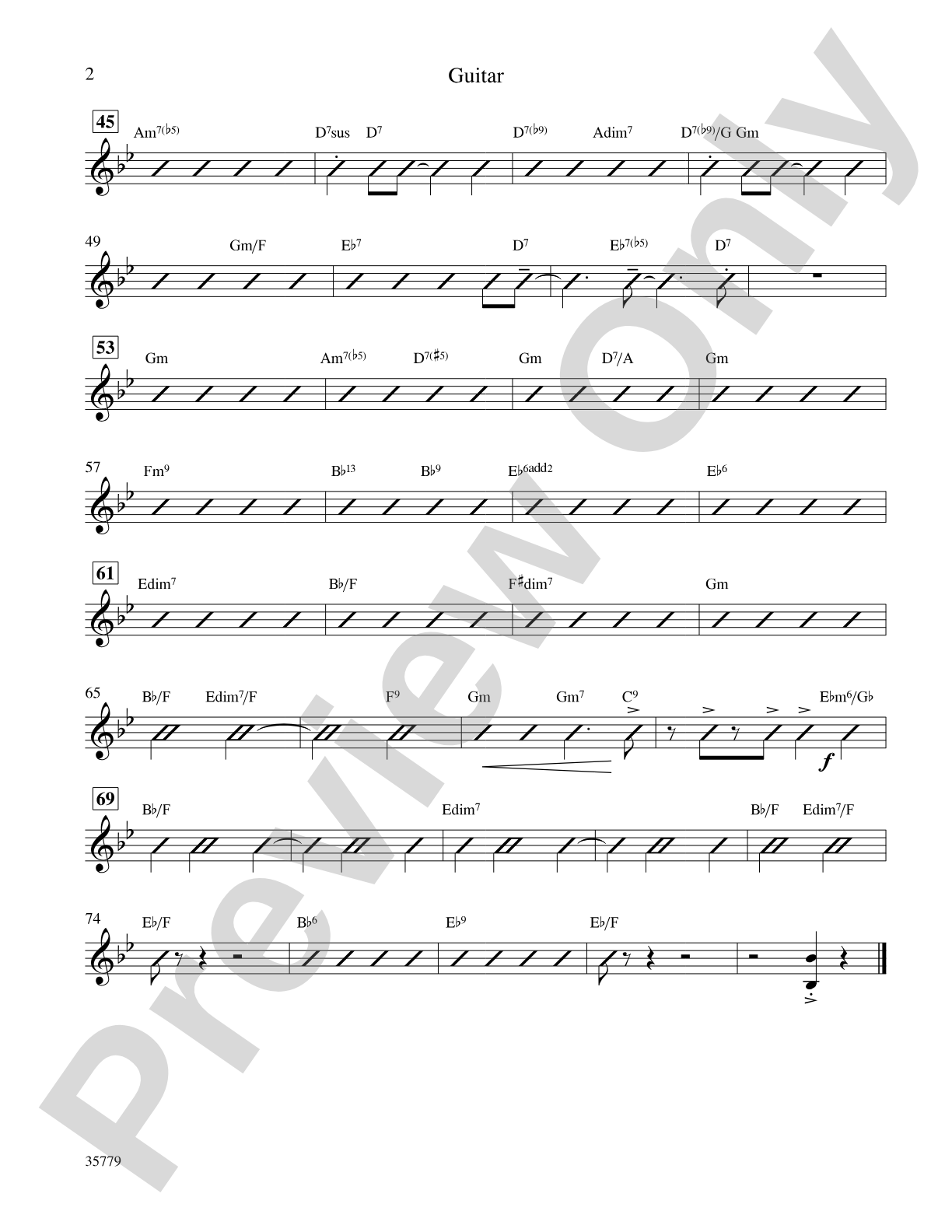
Jay offers a light swing approach to this Cole Porter favorite from the 1943 film Something to Shout About. Sung by jazz artists across the board, such as Ella Fitzgerald, Frank Sinatra, and Mel Tormé. Opens with two brief solos.


Don't just read it, hear it, play along with it, and watch your students grow with it. In MakeMusic Cloud, You'd Be So Nice to Come Home To: Choral SoundPax comes alive with professional accompaniment, adjustable tempo, and built-in practice tools that turn solo practice into real progress.
Open in the Player
Jump straight in and assign it today.
Start Your Free Trial
Open this title and explore the full library in minutes.
Sample Audio
1
Audio File
--:--
0:00
0:00
Sample Video
No sample videos found.
Additional Details
Series:
Alfred Pop Choral Series
Publisher:
Alfred Music
Page Count:
12
SKU:
00-PK-0004682
Instrumentation:
SoundPax
More about this title
About the Composer: Cole Porter
Cole Porter (1891-1964) was an American composer and lyricist who dominated Broadway and Hollywood musical theater during the Golden Age. Born into wealth in Indiana, Porter studied music at Yale and Paris before establishing himself as a sophisticated voice in American song, known for witty, urbane lyrics paired with complex harmonies and memorable melodies. His catalog includes standards like "Night and Day," "I Get a Kick Out of You," and "Begin the Beguine," songs that have become central to jazz repertoire and remain essential to music education across all levels.
Why we love this
Jay Althouse's arrangement captures the sophisticated ease of Porter's writing while keeping the harmonic language accessible for mixed choirs. The brief solo openings give soloists a moment to shine before the ensemble enters, and the swing feel allows singers to experience jazz articulation and phrasing without overwhelming difficulty. This is the kind of standard that teaches both musical style and American cultural literacy in one elegant package.
What to expect
Warm and inviting, with the sophisticated charm of a jazz club rather than a concert hall. The piece glides along on a light swing rhythm, balancing playful elegance with genuine tenderness. It feels like a well-crafted evening out, something to savor rather than rush through.
Who it's for
Choirs of mixed voices looking for an accessible jazz standard that bridges classical training and popular music repertoire. This works well for groups with one or two soloists who can handle the opening passages with style and confidence.
How to get the most out of it
- Let the two opening solos breathe; they set the tone for the entire piece and should feel conversational rather than formal.
- Shape the swing rhythm with a subtle lilt in the eighth notes, maintaining clarity rather than exaggerating the swing feel.
- Balance the ensemble parts so the melody stays prominent; this song's appeal lies in its singable tune, and supporting harmonies should enhance rather than obscure it.
- Use the recorded accompaniment to anchor the ensemble's rhythmic security, especially during the swing sections where precise timing matters.
How to use it
Pair this with other Porter standards or American songbook classics for a mid-concert reprieve that audiences will recognize and enjoy. It works particularly well in pops concerts, variety shows, or holiday programs where a touch of vintage swing appeal adds personality to the set. The 12-page format means it won't demand excessive rehearsal time, freeing your attention for more demanding repertoire elsewhere on the program.
Skills your students will build
- Swing rhythm interpretation and feel
- Jazz articulation and phrasing
- Vocal solo performance with ensemble support
- Balancing lyrical melody with harmonic depth
- Interpreting Porter's sophisticated harmonic language