Yamaha Band Student, Book 3 Cover Image

Yamaha Band Student, Book 3: Oboe Book

$7.99 USD
Sale price  $7.99 USD Regular price 
Skip to product information
Yamaha Band Student, Book 3 Cover Image

Yamaha Band Student, Book 3: Oboe Book

A Band Method for Group or Individual Instruction

By John Kinyon and John O'Reilly

Level: Intermediate

Item: 00-5214

$7.99
Shipped

One moment…

Description
Yamaha Band Student will appeal to teachers looking for a well-paced lesson sequence that keeps students motivated to continue past the first critical year. It is affordably priced, attractively presented and meets the needs of today's students and educators. Each level includes numerous songs, duets, trios and four full-band arrangements right in the method itself---perfect for first-year concerts.

Yamaha Band Student, Book 3: Oboe Book isn't in MakeMusic Cloud just yet...but it could be. Let us know you'd like to see it, and you'll help shape what comes next. In the meantime, start a free trial and dive into thousands of interactive titles your students can play along with today.

Sample Pages

No sample pages found.

Sample Audio
No sample audio found.
Sample Video
Additional Details
Series: Yamaha Band Method
Publisher: Alfred Music
Page Count: 32
ISBN10: 0-7390-2104-4
ISBN13: 978-0-7390-2104-0
UPC: 038081026053
SKU: 00-5214
Instrumentation: Oboe

More about this title

About the Author: John Kinyon
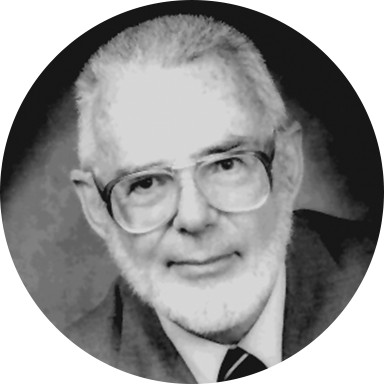
John Kinyon

John Kinyon earned degrees from Ithaca College and the Eastman School of Music, followed by an honorary doctorate from Limestone College. Throughout his career, he served as an instrumental director and music department head in several school districts, held the position of educational director for Warner Brothers Music in New York, and taught music education at the University of Miami before transitioning to semi-retirement in Tuckasegee in 1982.

As a composer, Kinyon has written over 250 works for educational ensembles, spanning from Grade 1 to Grade 3 difficulty levels. His catalog includes original marches, ballads, and overtures across multiple musical styles, establishing him as a central voice in accessible band repertoire for developing musicians.

Why we love this

Yamaha Band Student Book 3 maintains the methodical pacing that hooks intermediate players without overwhelming them, a critical asset when students are deciding whether to commit to the ensemble past year one. The integrated full-band arrangements mean you can build ensemble experiences directly into your lesson sequence rather than scrambling for supplementary concert material. The mix of solo work, duets, trios, and full-band writing gives every student ownership while you develop confidence across your section.

What to expect

The material balances technical challenge with genuine musical moments, so students experience progress without frustration. Songs and arrangements sit comfortably in the oboe's sweet spot and allow room for expressive playing, which makes the difference between students who practice out of obligation and those who play because they want to.

Who it's for

Oboe students in their second or third year of band study who have mastered foundational fingering and tone production and are ready to tackle longer phrases and more varied rhythmic material. Teachers building a sustainable ensemble curriculum need a method that keeps intermediate students engaged through repertoire that feels rewarding rather than remedial.

How to get the most out of it

  • Use duet and trio passages to isolate the oboe line with just one or two colleagues; this builds accuracy in your intonation and rhythm before you blend into the full band sound.
  • Lock into the written accompaniment patterns in the four full-band arrangements to understand how the oboe voice interacts with harmony; this clarity carries over to your reading of any ensemble music.
  • Work the single-line exercises slowly enough that you can hear the shape of each phrase; rushing through to "finish" the page teaches muscle memory but not musicianship.

How to use it

Integrate the full-band arrangements into your fall and winter concert planning; having four ready-made ensemble pieces built into your method removes the pressure to hunt for supplementary material while your band is still stabilizing. Use the duets and trios as a bridge between solo preparation and full ensemble responsibility, particularly helpful when you're rotating players through sectional time.

Skills your students will build

  • Reading in multiple clefs and transpositions appropriate to oboe range
  • Sustaining longer melodic phrases with control over tone and dynamics
  • Counting complex rhythmic figures including syncopation and tied notes across bar lines
  • Balancing solo responsibility with accompaniment roles in duet, trio, and full-band textures
  • Responding to dynamic and tempo markings within an ensemble context

You May Also Like