Wildwind Overture Cover Image

Wildwind Overture: Concert Band Conductor Score & Parts

$45.00 USD
Sale price  $45.00 USD Regular price 
Skip to product information
Wildwind Overture Cover Image

Wildwind Overture: Concert Band Conductor Score & Parts

By John Kinyon

Grade: 1 (Very Easy)

Item: 00-5105

makemusic Cloud badge

Need it now?

Buy Digital Version
$45.00
Shipped

One moment…

Description
This sensitive work introduces the young concert band to the classic overture form. A Maestoso introduction sets the mood for a soft and simple flute and clarinet melody. It then segues to a smooth Moderato 3/4 section accented with bells and a cornet counterline. (Grade 1) This title is available in MakeMusic Cloud.

Don't just read it, hear it, play along with it, and watch your students grow with it. In MakeMusic Cloud, Wildwind Overture: Concert Band Conductor Score & Parts comes alive with professional accompaniment, adjustable tempo, and built-in practice tools that turn solo practice into real progress.

Sample Pages

Sample Audio
0:00
0:00
Sample Video
Additional Details
Series: Mini Score Series
Publisher: Alfred Music
Page Count: 110
UPC: 038081049960
SKU: 00-5105

More about this title

About the Composer: John Kinyon
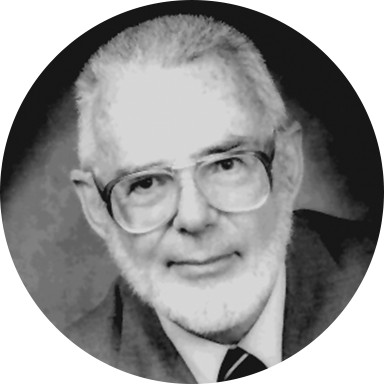
John Kinyon

John Kinyon studied at Ithaca College and the Eastman School of Music, later earning an honorary doctorate from Limestone College in Gaffney, South Carolina. His career spanned instrumental music direction in several school districts, educational leadership at Warner Brothers Music in New York, and a faculty position in music education at the University of Miami, Florida.

Kinyon has composed more than 250 original works for educational ensembles, including marches, ballads, and overtures published by Alfred Music. His catalog spans Grade 1 through Grade 3, reflecting a commitment to accessible writing across varied musical styles. Since 1982, he has worked as a semi-retired composer based in Tuckasegee.

Why we love this

Kinyon builds overture form instruction directly into the music rather than requiring students to understand structure abstractly first. The piece moves through distinct sections with clear harmonic and textural logic, so young musicians hear what an overture actually does instead of reading about it. The orchestration keeps every section accessible, letting brass players contribute colorful counterlines without technical demands that would overshadow the learning objective.

What to expect

The opening carries quiet dignity, drawing listeners into an intimate sound world before the melodic line unfolds softly in the woodwinds. When the tempo shifts to Moderato, the change feels natural rather than abrupt, as if the band is settling into a gentle conversation featuring the cornet's graceful countermelody over bells that twinkle like deliberate musical punctuation.

Who it's for

Young concert bands encountering structured forms for the first time will benefit from playing music that teaches overture architecture through direct experience. Directors building repertoire that doubles as music theory application will find this work bridges the gap between simple pieces and pieces with real compositional design.

How to get the most out of it

  • Shape the Maestoso introduction with unhurried phrasing in the low brass; let the quiet dynamic establish atmosphere rather than rushing toward the melody entrance.
  • Balance the flute and clarinet melody so it carries clearly over the soft accompaniment; have those sections mark their parts lightly in rehearsal to check they're not covering the tune.
  • Use the Moderato section's 3/4 meter as an opportunity to refresh the band's sense of subdivision after the opening; independent counting will pay off when the cornet line adds rhythmic interest.
  • Shape the bell accents as musical punctuation, not mechanical taps; ask students to listen for how these moments signal phrase endings or transitions.

How to use it

Open a concert with this piece to establish a sophisticated tone without overwhelming a young band technically. Position it early in your rehearsal year when students are still building ensemble listening skills; the clear sectional contrast and accessible voicing reward attentive playing without exhaustion.

Skills your students will build

  • recognizing and performing overture form (introduction, primary theme, secondary section)
  • balancing melody and accompaniment in soft dynamics
  • maintaining pulse in compound meter (3/4) with independence from the conductor
  • listening for bell and percussion accents as structural markers
  • executing smooth dynamic transitions between tempos

You May Also Like
