
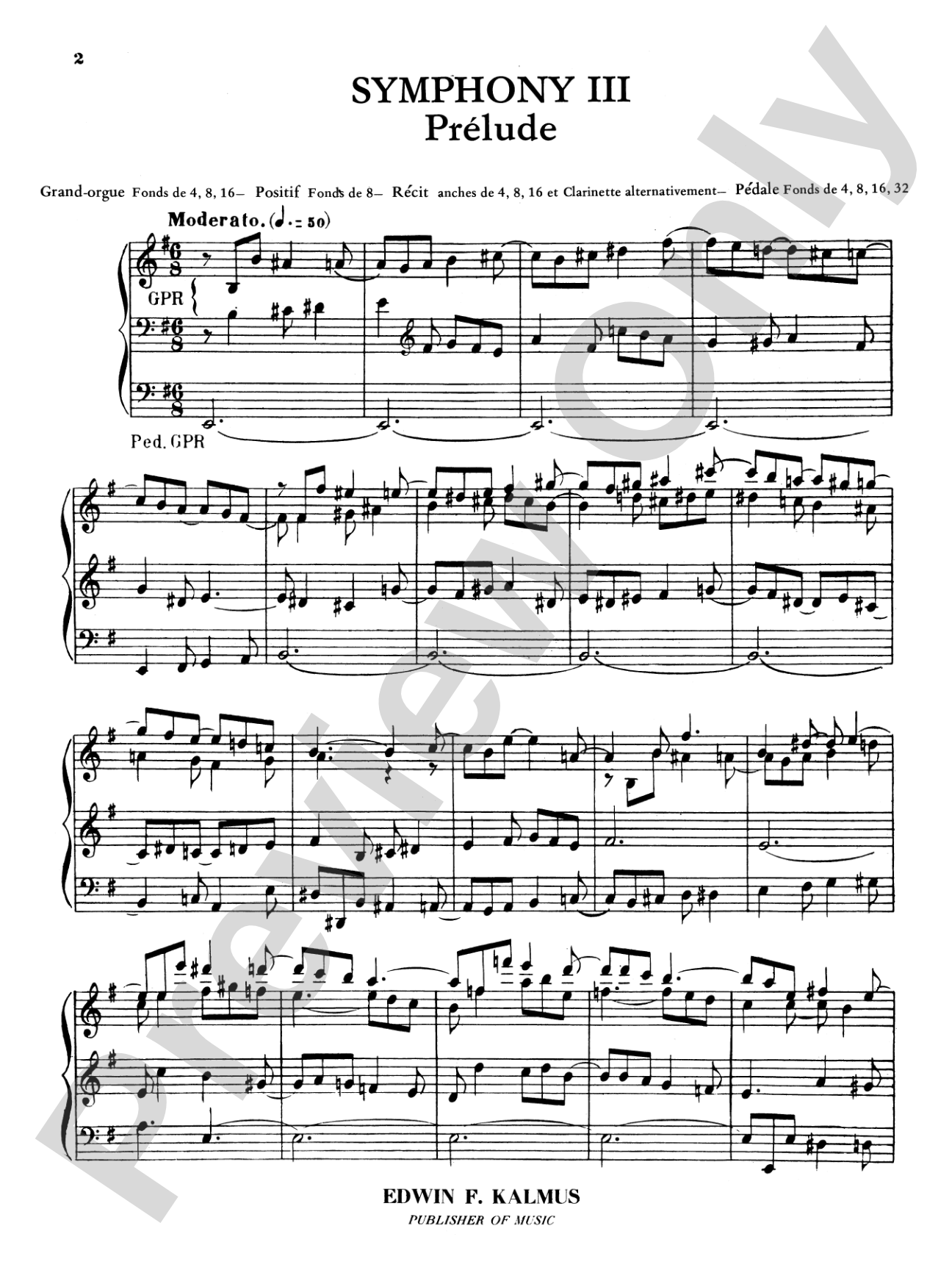
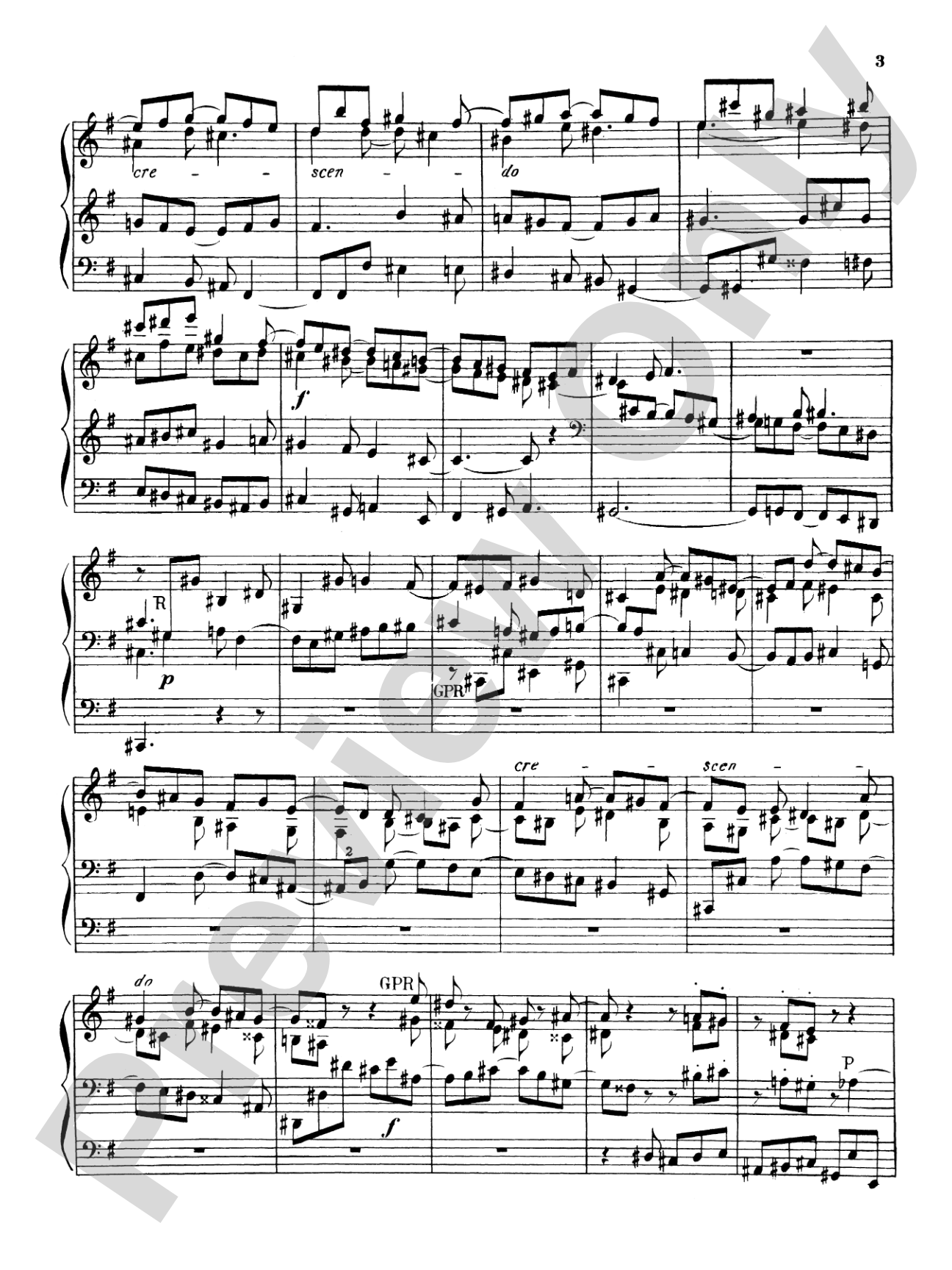
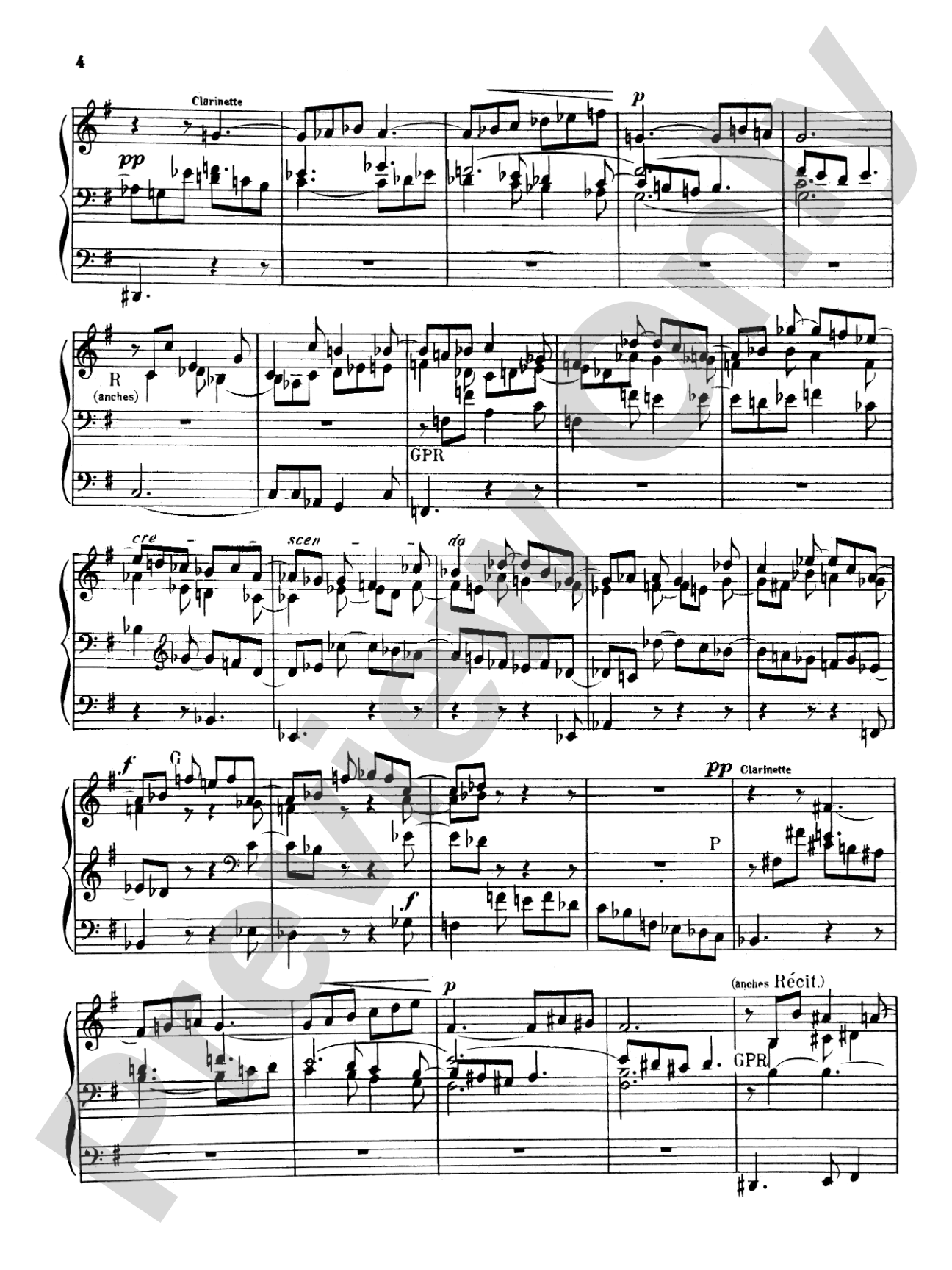
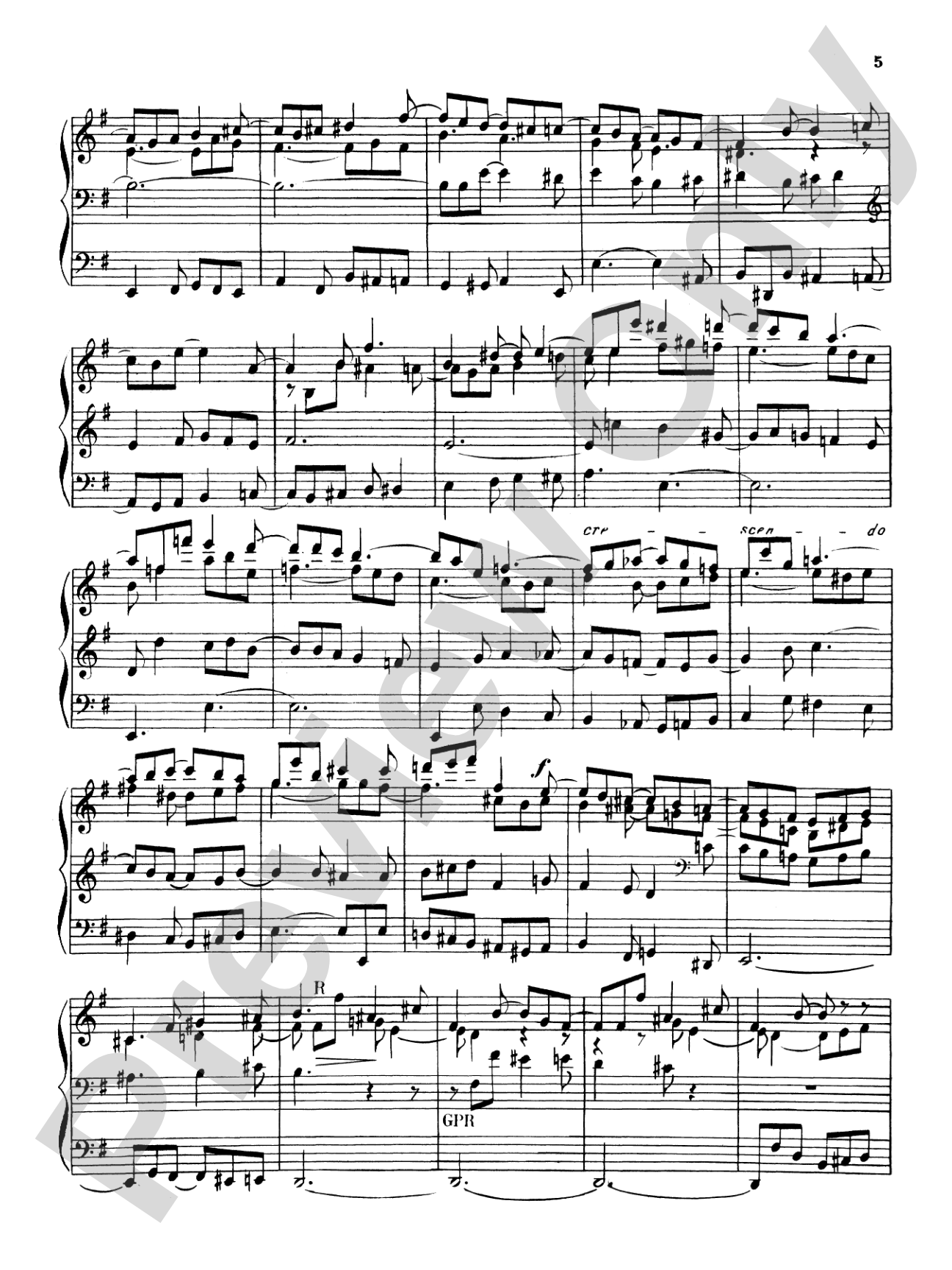
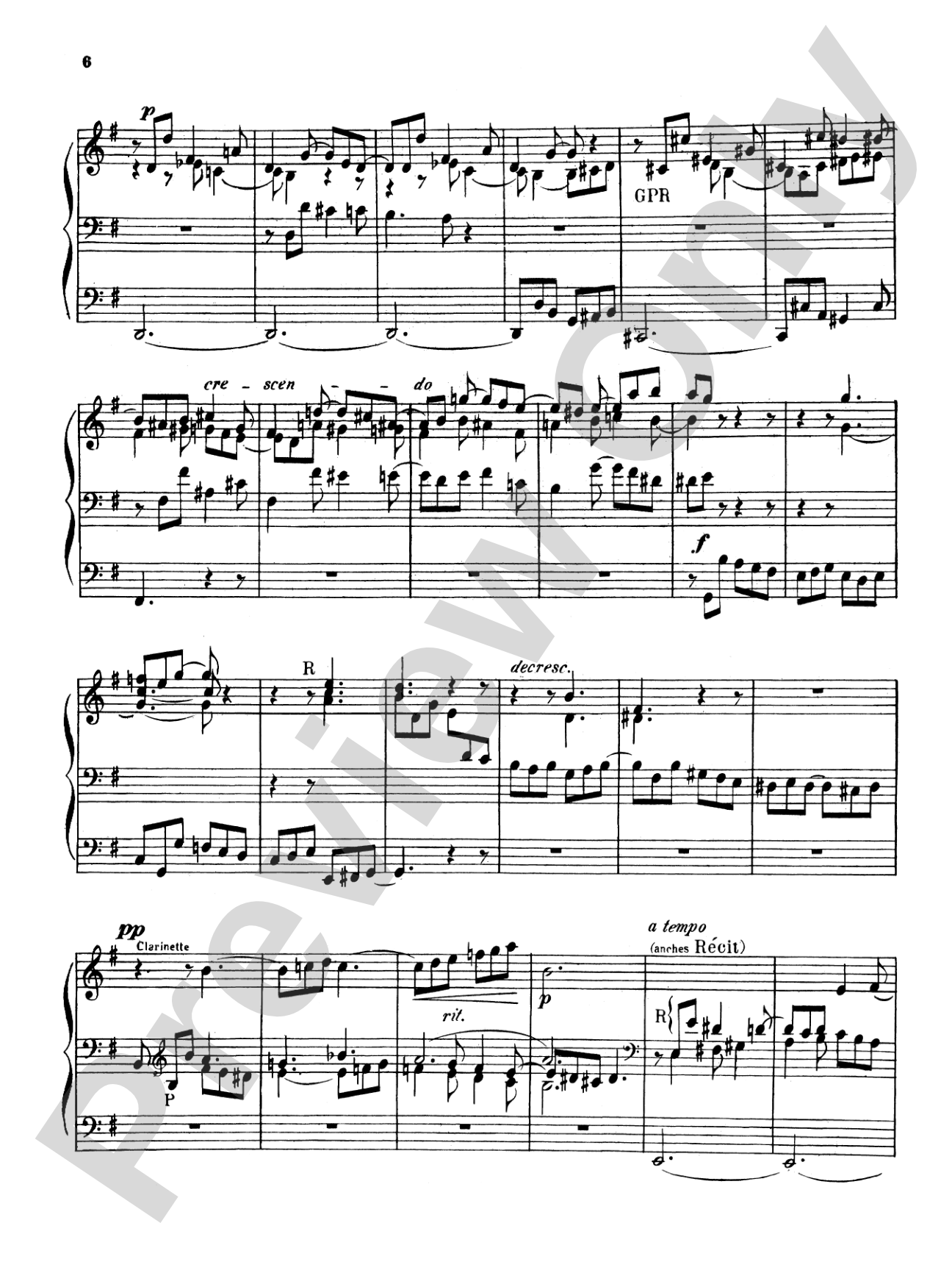
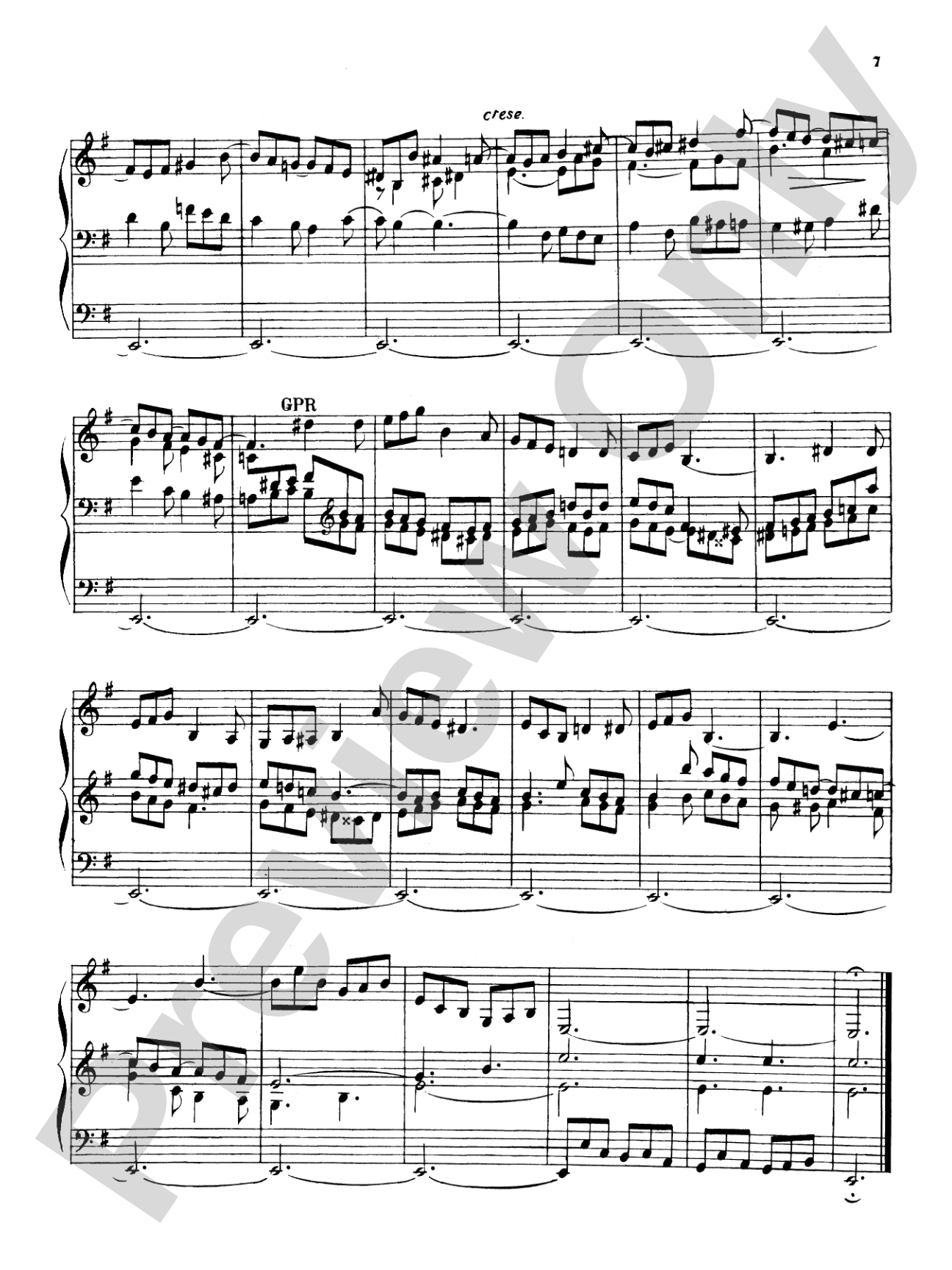

Widor: Symphony No. 3 in E Minor, Op. 13: Organ Sheet
By Charles-Marie Widor
Item: 00-PK-0003379

$9.99
Pickup currently not available
Buy Extra Parts (Digital PDF Download)
| Product | Price | Quantity |
|---|---|---|
| Widor: Symphony No. 3 in E Minor, Op. 13 | $0.99 | |
| Widor: Symphony No. 3 in E Minor, Op. 13 | $0.99 | |
| Widor: Symphony No. 3 in E Minor, Op. 13 | $0.99 | |
| Widor: Symphony No. 3 in E Minor, Op. 13 | $0.99 | |
| Widor: Symphony No. 3 in E Minor, Op. 13 | $0.99 |
Parts Added to Cart!
Related Items
Symphony No. 3 in E Minor, Opus 13: Organ Sheet |
$9.95
|
View |
Description
An Organ solo composed by Charles-Marie Widor.


Don't just read it, hear it, play along with it, and watch your students grow with it. In MakeMusic Cloud, Widor: Symphony No. 3 in E Minor, Op. 13: Organ Sheet comes alive with professional accompaniment, adjustable tempo, and built-in practice tools that turn solo practice into real progress.
Open in the Player
Jump straight in and assign it today.
Start Your Free Trial
Open this title and explore the full library in minutes.
Sample Audio
No sample audio found.
Sample Video
No sample videos found.
Additional Details
Series:
Kalmus Edition
Publisher:
Alfred Music
Page Count:
36
SKU:
00-PK-0003379
More about this title
About the Composer: Charles-Marie Widor
Charles-Marie Widor (1844-1937) was a dominant figure in French organ music and a towering presence at the Trocadéro organ in Paris for over 60 years. His ten symphonies for organ established the genre as a vehicle for large-scale architectural thinking, combining Bach's contrapuntal rigor with Romantic harmonic language and orchestral color.
Widor's influence on organ pedagogy and repertoire cannot be overstated. He taught at the Paris Conservatoire and shaped generations of organists through both his compositions and his mentorship. His symphonies remain cornerstones of the professional organ repertoire, demanding technical mastery and interpretive depth from performers.
Why we love this
The Third Symphony stands as one of the most rewarding Romantic-era organ works to program. Its scale, harmonic sophistication, and range of character make it a centerpiece that draws audiences into the full capabilities of the instrument rather than a showpiece that exhausts them.
What to expect
A richly colored meditation that unfolds with Romantic yearning and architectural balance. The E minor tonality gives the symphony a searching, introspective quality, while Widor's command of contrast and pacing ensures that technical display never overwhelms the underlying lyrical voice.
Who it's for
Advanced organists preparing recital or liturgical music; cathedral and concert hall musicians who have secured substantial practice time on a tracker or semi-mechanical organ. This work demands secure command of manual and pedal coordination and a mature understanding of registration and interpretation.
How to get the most out of it
- Map the manual and pedal divisions early in your preparation. Widor's orchestration across keyboards demands clarity about which voices live where, especially in dense contrapuntal passages.
- Attend closely to registration markings as architectural choices. Changes in stop selection define formal sections and harmonic color as much as thematic material does.
- Shape long melodic lines with subtle dynamic shaping and articulation rather than sudden stop changes. The Romantic sensibility here requires singing phrasing from the organ.
- Test the balance between manual and pedal in your venue. The pedal writing is substantial and often carries thematic weight; it must never disappear into the foundation.
How to use it
Position this as a centerpiece recital work where the organ itself becomes the subject of the concert. Its 36-page span and four-movement scope demand a program built around it, either as a full symphonic cycle or as a substantial single movement paired with smaller character pieces.
Skills your students will build
- Pedal independence in rapid figurations and sustained bass lines
- Manual registration and tonal blending across multiple keyboards
- Romantic-era phrasing and dynamic shaping on a mechanical instrument
- Reading complex score layouts with multiple staves and manual designations
- Structural navigation of four-movement large-scale form