Where Can We Find Peace? Cover Image

Where Can We Find Peace?: 2-Part (with Opt. Sign Language) Choral Octavo

$2.25 USD
Sale price  $2.25 USD Regular price 
Skip to product information
Where Can We Find Peace? Cover Image

Where Can We Find Peace?: 2-Part (with Opt. Sign Language) Choral Octavo

Music by Sally K. Albrecht and Jay Althouse

Item: 00-20170

makemusic Cloud badge

Need it now?

Buy Digital Version
$2.25
Shipped

One moment…

Description
The beautiful melody could certainly stand alone, but when the optional flute or recorder enters, playing Amazing Grace in counterpoint to the melody, well, it's the icing on the cake. And the text is profound in its grace: we find peace and joy "in the smile of a stranger, in the face of a girl and boy." Simple and touching, this choral work will allow your choir to make music, not just sing the notes. Add the sign language (included in the publication) and the SoundTrax CD for a truly moving performance. Included on "Put On a Show!" DVD #27433.

Don't just read it, hear it, play along with it, and watch your students grow with it. In MakeMusic Cloud, Where Can We Find Peace?: 2-Part (with Opt. Sign Language) Choral Octavo comes alive with professional accompaniment, adjustable tempo, and built-in practice tools that turn solo practice into real progress.

Sample Pages

Sample Audio
0:00
0:00
Sample Video
Additional Details
Series: Alfred Archive Edition: Alfred Choral Designs
Publisher: Alfred Music
Page Count: 12
UPC: 038081187341
SKU: 00-20170

More about this title

About the Composer: Sally K. Albrecht
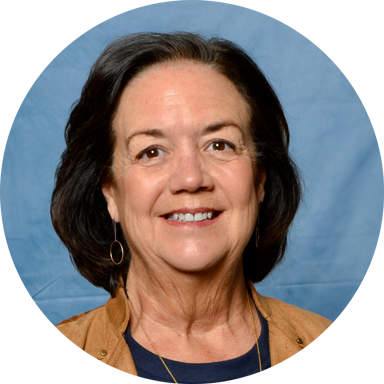
Sally K. Albrecht

Sally K. Albrecht has shaped American choral music for over three decades as a composer, conductor, clinician, and publishing executive. Recognized annually by ASCAP since 1987, she has placed more than 600 choral works in print alongside 75 larger musicals and songbooks. Her leadership in choral movement and her tenure directing school choral and vocal publications at major educational music houses have made her a trusted voice in music education. She has conducted festival choirs at Lincoln Center, Carnegie Hall, and The Kennedy Center, and taught at Oakland University, Jersey City State College, and Meredith College.

Albrecht holds degrees from Rollins College (B.A. in Music and Theater, 1976), the University of Miami (M.A. in Drama and M.M. in Accompanying), and has been honored with the Distinguished Alumna Award from both institutions. She served as Chair of the Board of Trustees for the Omicron Delta Kappa National Leadership Honor Society and received their "Pillar of Leadership" award. She resides in Wake Forest, North Carolina, with her husband, composer and arranger Jay Althouse.

Why we love this

The counterpoint between your choir's melody and the optional flute or recorder playing Amazing Grace creates a sophisticated musical moment that feels earned, not gimmicky. The text about finding peace in everyday human connection resonates with young singers and adults alike, grounding the piece in something meaningful rather than abstract. Adding sign language transforms this from a beautiful choral moment into an inclusive performance that communicates across languages and reaches your entire audience.

What to expect

Gentle and reflective, with a sense of discovery. The melody carries warmth without sentimentality, and when the flute or recorder enters with Amazing Grace, there's a moment of quiet illumination—like recognizing a familiar friend in an unexpected place. The text grounds everything in specific human moments: a stranger's smile, a child's face. It feels like music made for real connection, not performance spectacle.

Who it's for

Directors of middle school, high school, and adult choirs looking for accessible sacred repertoire with real substance and performative options. The 2-part voicing and straightforward harmonic language make it achievable for many skill levels, while the optional instrumental line and sign language appeal to groups wanting to add interpretive depth.

How to get the most out of it

  • Rehearse the melody independently until it sits solidly in your singers' voices before introducing the recorder or flute counterpoint; this gives them the security to blend with the instrumental line without adjusting pitch.
  • Work the sign language and melody together gradually, starting with a few key phrases and building to the full arc; this prevents singers from becoming mechanical or losing musicality in their focus on hand shapes.
  • Let the recorded accompaniment anchor the tempo during rehearsals, then gradually move to a live pianist if possible; the shift gives your singers agency and responsiveness in their performance.
  • Balance the optional flute or recorder so it sits as true counterpoint, not an echo or background texture; it should be heard as an equal partner in the texture.

How to use it

This works well as a contemplative closing piece for a holiday concert, especially paired with more traditional sacred repertoire. Its accessibility and optional performance layers also make it suitable for assembly or community performances where inclusivity and sign language can strengthen the message. The piece's focus on peace and brotherhood makes it natural programming for winter or spring concerts that address themes of unity.

Skills your students will build

  • Singing sustained melodic lines with consistent legit tone
  • Blending treble voices in 2-part harmony
  • Coordinating melodic singing with hand movements and sign language
  • Listening to and following instrumental counterpoint without losing ensemble pitch
  • Interpreting text with emotional authenticity rather than technical precision

You May Also Like
