When the Day Comes Cover Image

When the Day Comes: SATB Choral Octavo

$1.50 USD
Sale price  $1.50 USD Regular price 
Skip to product information
When the Day Comes Cover Image

When the Day Comes: SATB Choral Octavo

Music by Sally K. Albrecht and Jay Althouse

Item: 00-20193

Need it now?

Buy Digital Version
$1.50
Shipped

One moment…

Description
It's an original spiritual with a touch of the traditional I Want to Be Ready. It's fresh and singable, with solid part writing. And just when you think the exciting original melody is about to end, the arrangement kicks into high gear with an a cappella section featuring the basses and lots of handclaps and, finally, a double-time section which drives to a brilliant finish. Includes two 8-measure solos, one for low voice and one for high voice. Great for showing off your group in contests and adjudications.

When the Day Comes: SATB Choral Octavo isn't in MakeMusic Cloud just yet...but it could be. Let us know you'd like to see it, and you'll help shape what comes next. In the meantime, start a free trial and dive into thousands of interactive titles your students can play along with today.

Sample Pages

Sample Audio
0:00
0:00
Sample Video
Additional Details
Series: Alfred Choral Designs
Publisher: Alfred Music
Page Count: 12
UPC: 038081187570
SKU: 00-20193

More about this title

About the Composer: Sally K. Albrecht
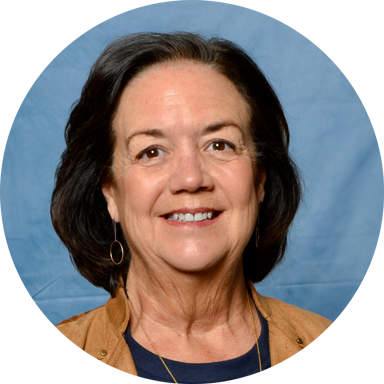
Sally K. Albrecht

Sally K. Albrecht has shaped American choral music for over three decades through her work as a composer, conductor, and clinician. A fixture at major venues including Lincoln Center, Carnegie Hall, and The Kennedy Center, she has maintained an extraordinary publishing record of more than 600 choral works alongside 75 larger stage productions and musicals. She served as Director of School Choral, Vocal, and Elementary Publications for major educational publishers, most notably Alfred Music, where she developed choral resources for thousands of teachers.

Her contributions to music education have earned consistent recognition, including annual ASCAP Special Music Awards since 1987 and the Distinguished Alumna Award from both the University of Miami Frost School of Music and Rollins College. Albrecht holds degrees from Rollins College (B.A., Music and Theater), the University of Miami (M.A., Drama, and M.M., Accompanying), and has taught at Oakland University, Jersey City State College, and Meredith College. She resides in Wake Forest, North Carolina, with her husband Jay Althouse, himself an accomplished composer and arranger.

Why we love this

This arrangement respects the spiritual's historical roots while making a bold statement that keeps audiences engaged through the final note. The design is especially effective for adjudication settings: the solo features give your strongest singers a moment to shine, while the a cappella section with handclaps and the accelerating final section demonstrate ensemble control and musicality in quick succession. It's a piece that rewards both your preparation and your singers' commitment.

What to expect

The piece unfolds like a conversation between tradition and innovation. It opens with the quiet dignity of a spiritual, then gradually builds confidence through the original melody until it erupts into an a cappella moment alive with percussive energy and call-and-response rhythms. The final double-time push carries all that building momentum toward a brilliant, driving conclusion.

Who it's for

This octavo works best for choirs with solid sight-reading skills and the vocal range to handle both solo exposure and full ensemble writing. It's particularly well suited for competitive or adjudication contexts where directors need a piece that showcases musicality, technical control, and dramatic arc within a reasonable rehearsal time frame.

How to get the most out of it

  • Shape the original melody with clarity and warmth in the opening sections; this establishes the spiritual's character before the energy shifts dramatically.
  • Ensure the a cappella basses lock their rhythmic foundation early in rehearsals, since the handclaps and surrounding texture depend on that anchor.
  • Build the double-time section gradually in rehearsal by establishing the original tempo first, then introducing the accelerated version only after the choir feels secure in the earlier material.
  • Assign handclap assignments to specific voice parts during the a cappella section so the rhythmic layers don't blur; clarity here makes the final sprint to the finish line feel more intentional.

How to use it

Program this as a closer or near-closer in adjudication rounds where you want to leave judges with energy and technical sophistication. It also pairs well in concert programs where you're moving from more introspective sacred repertoire into contemporary choral writing, creating a bridge between traditions that many audiences will feel immediately.

Skills your students will build

  • Balancing solo prominence with ensemble blend during solo passages
  • Maintaining rhythmic precision in a cappella sections with layered handclap parts
  • Executing tempo shifts and accelerations while preserving musical integrity
  • Connecting spiritual traditions to contemporary choral arrangement techniques
  • Sustaining dramatic tension and musical energy across contrasting sections

You May Also Like