

When Summer's in the Meadow: String Orchestra Conductor Score & Parts
By Robert Longfield
Grade: 4
Item: 98-DST6002
$45.00
Pickup currently not available
Buy Extra Parts (Digital PDF Download)
| Product | Price | Quantity |
|---|---|---|
| When Summer's in the Meadow: Score | $5.00 | |
| When Summer's in the Meadow: Violin 1 | $7.00 | |
| When Summer's in the Meadow: Violin 2 | $7.00 | |
| When Summer's in the Meadow: Optional Violin 3 (Viola) | $7.00 | |
| When Summer's in the Meadow: Viola | $7.00 | |
| When Summer's in the Meadow: Violoncello | $7.00 | |
| When Summer's in the Meadow: Double Bass | $7.00 |
Parts Added to Cart!
Related Items
When Summer's in the Meadow: Concert Band Conductor Score & Parts |
$55.00
|
View | |
When Summer's in the Meadow: Concert Band Conductor Score & Parts |
$55.00
|
View | |
When Summer's in the Meadow: Concert Band Conductor Score |
$8.25
|
View | |
When Summer's in the Meadow: String Orchestra Conductor Score & Parts |
$45.00
|
View | |
When Summer's in the Meadow: String Orchestra Conductor Score |
$5.00
|
View |
Description
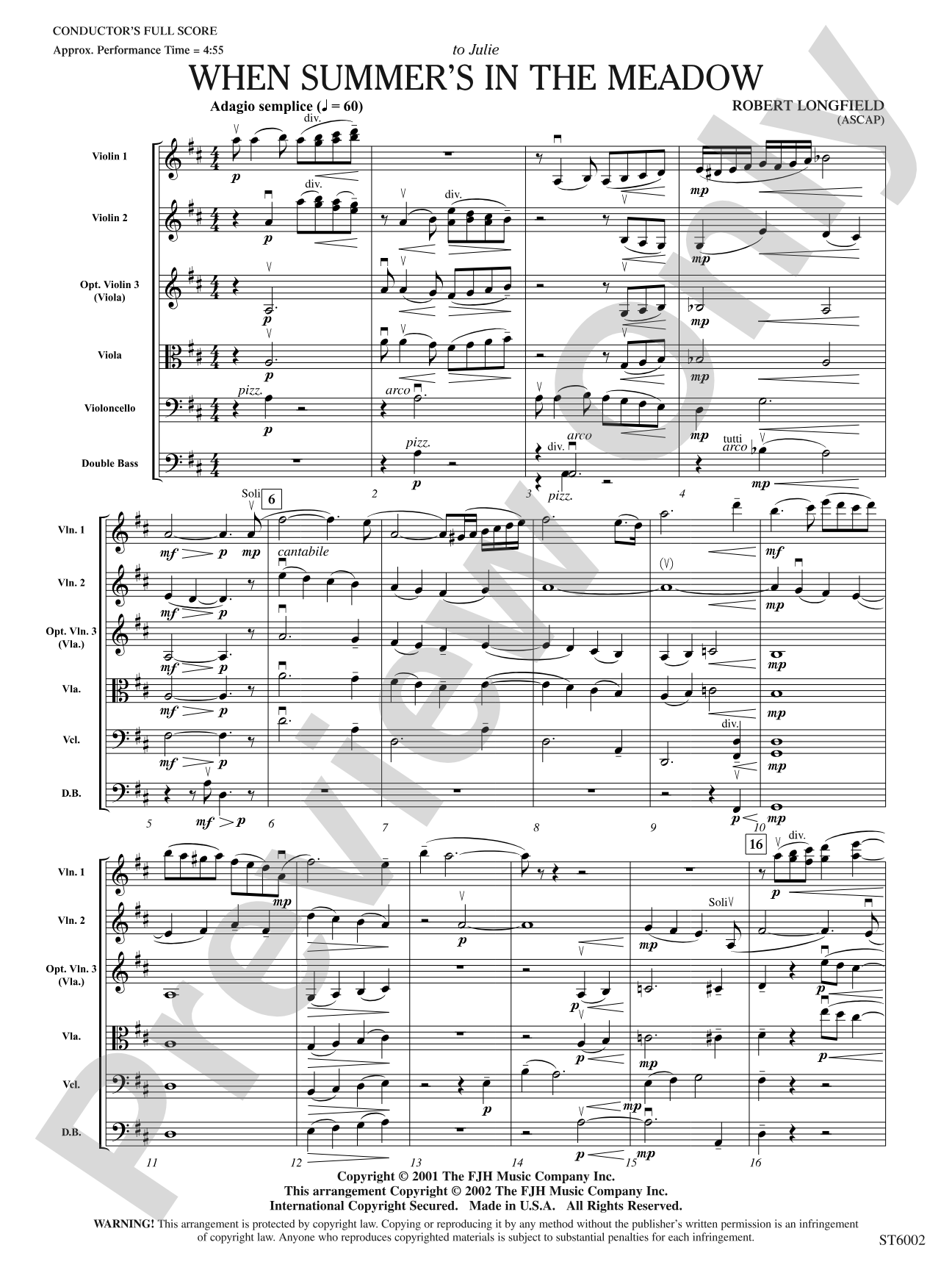
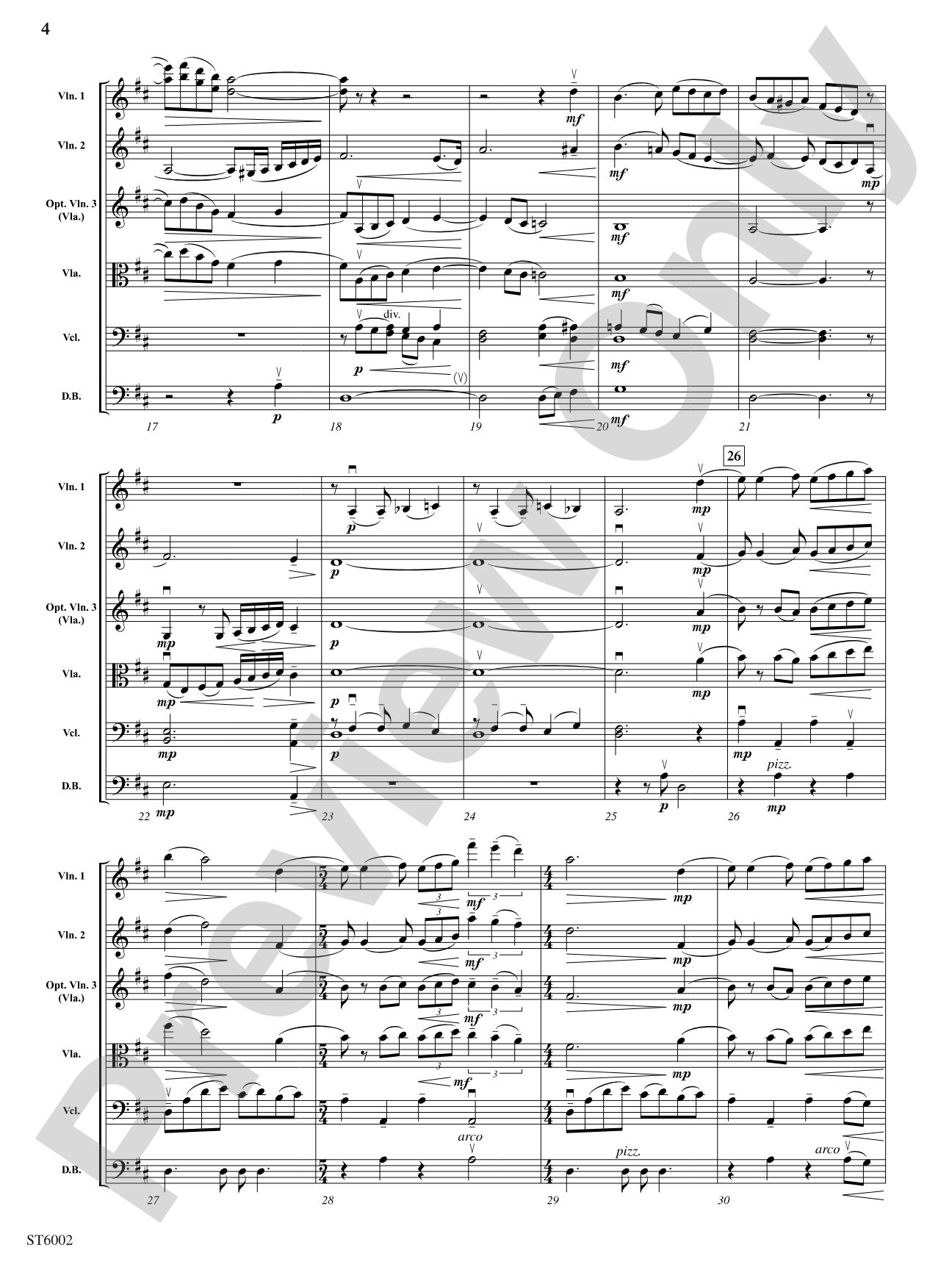
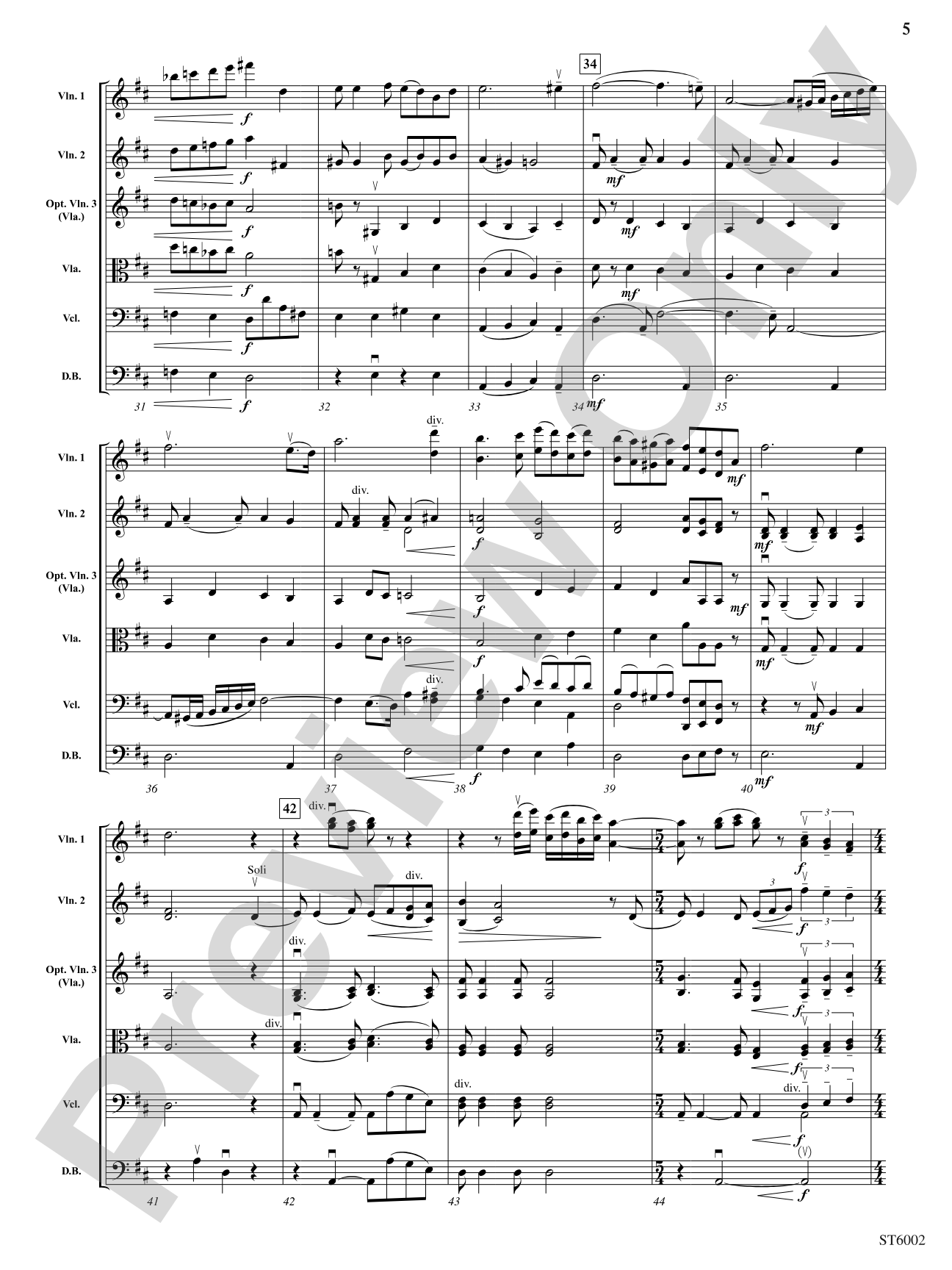
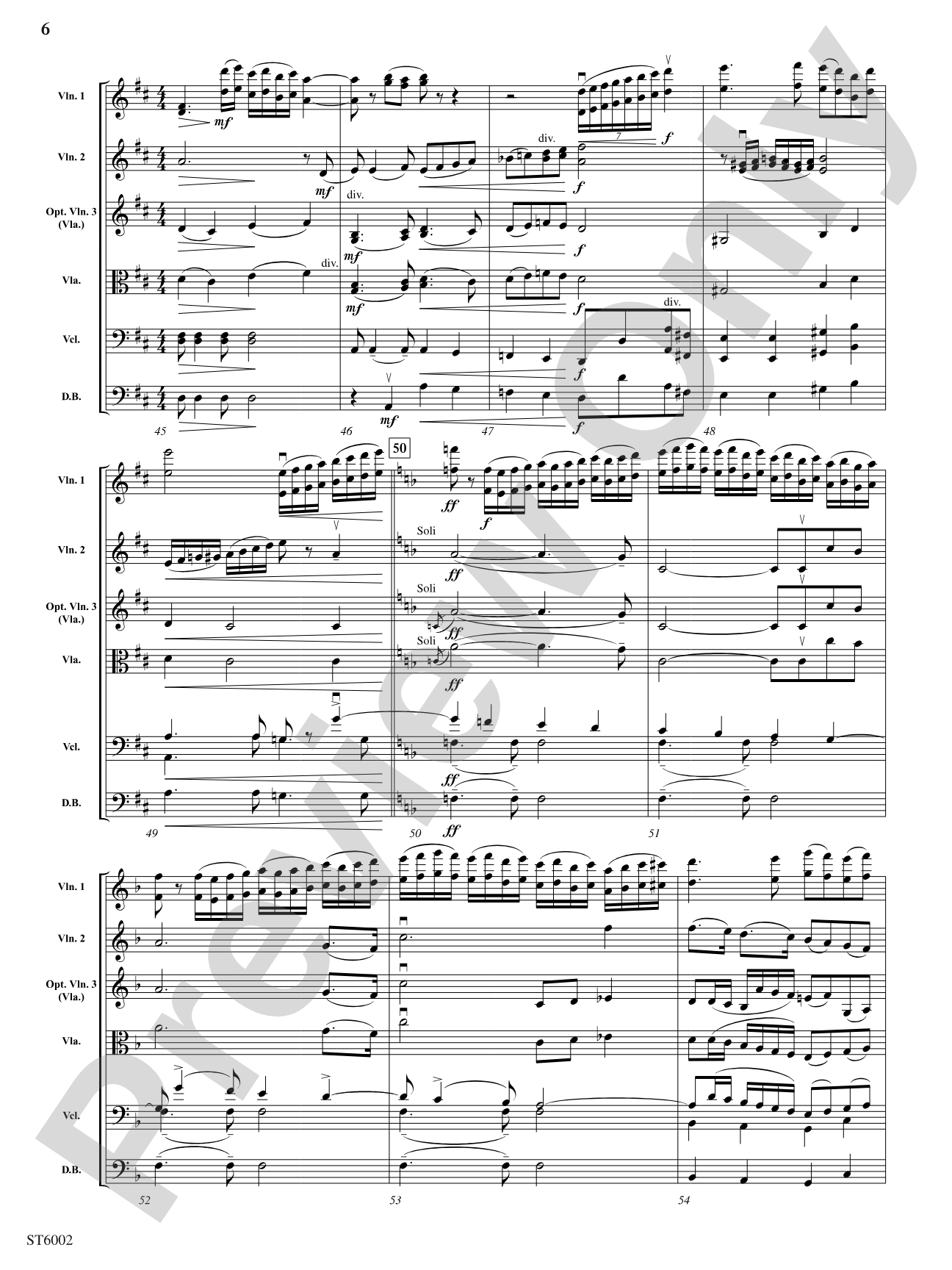
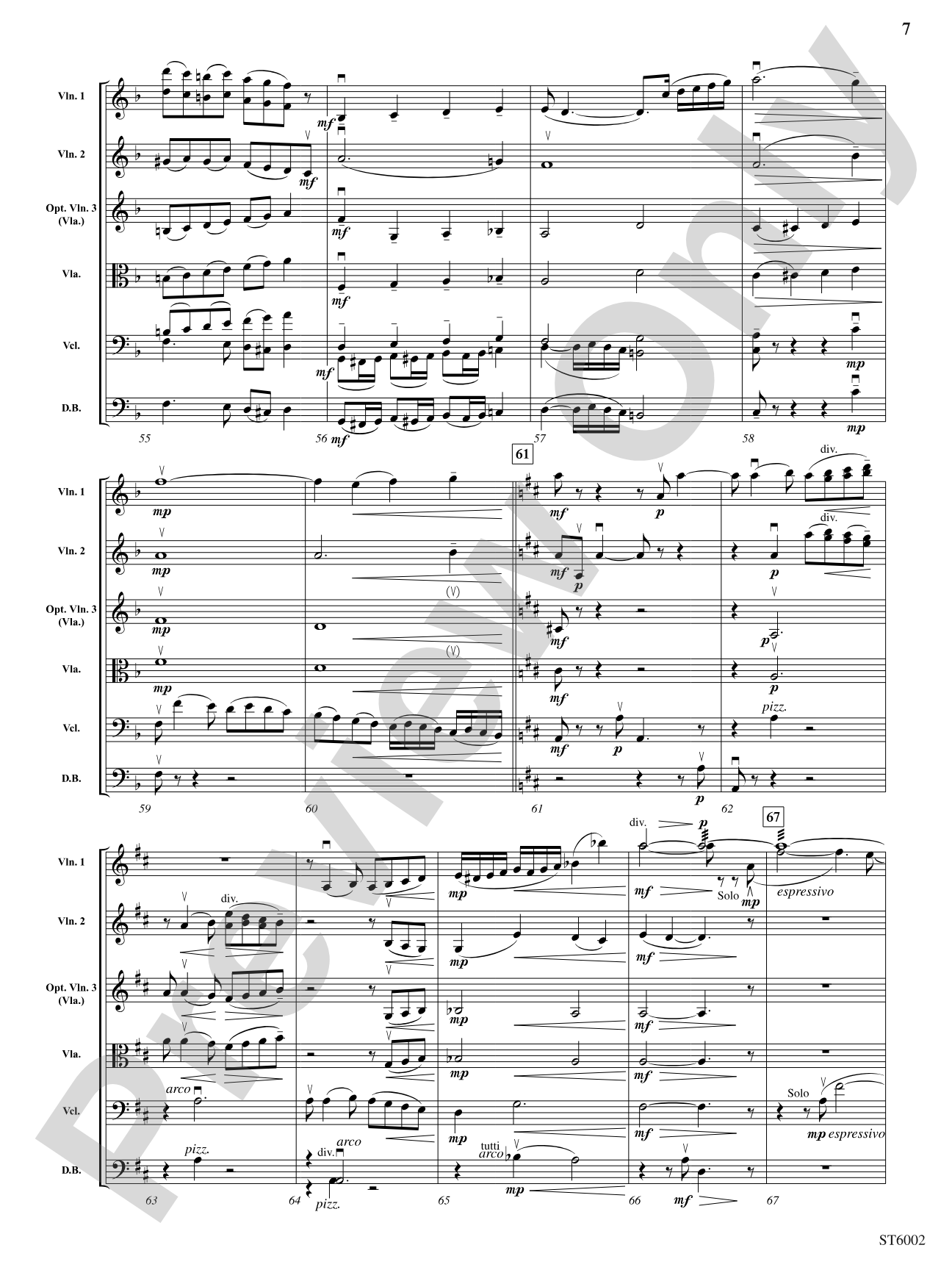
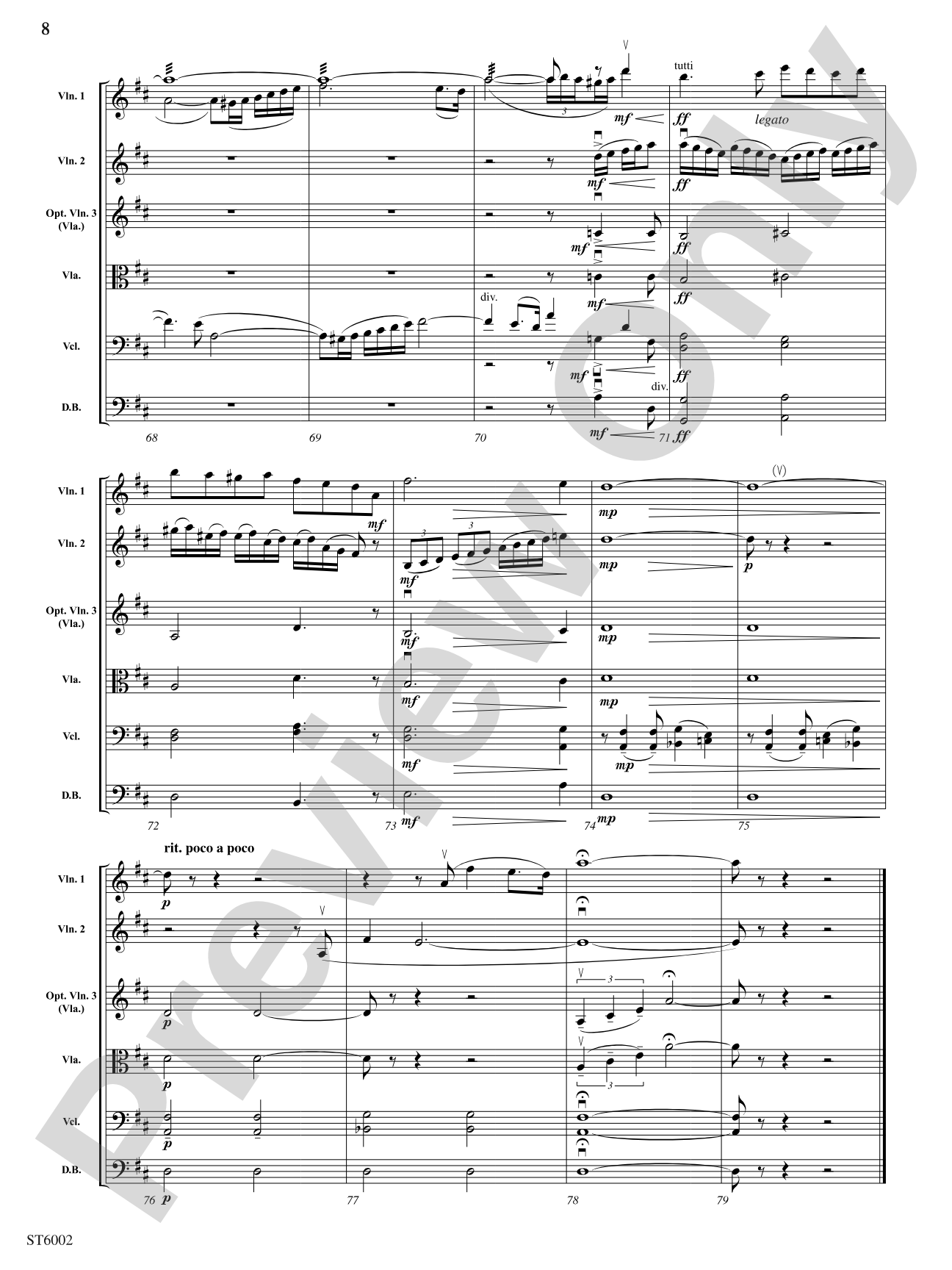
This very sensitive and lyrical work will showcase your ensemble's musical maturity. This is one of Robert's most beautiful melodies and he has skillfully scored it throughout the ensemble. An excellent way to change the pace of your concert and bring tears to many eyes.


Discover MakeMusic Cloud: thousands of interactive titles your students can play along with today.
Sample Audio
1
Audio File
--:--
0:00
0:00
Sample Video
No sample videos found.
Additional Details
Series:
FJH String Orchestra
Publisher:
The FJH Music Company, Inc.
SKU:
98-DST6002
More about this title
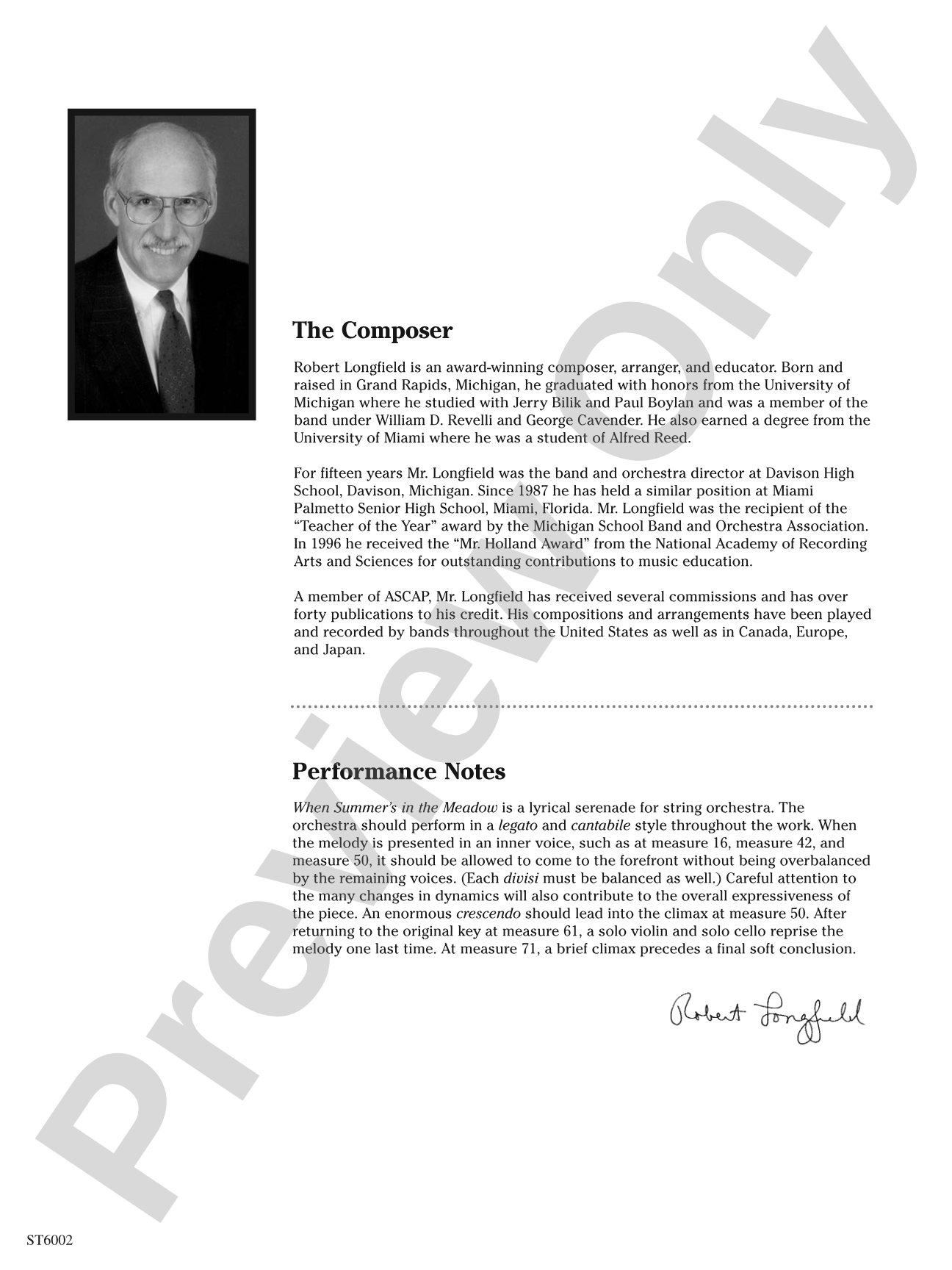
About the Composer: Robert Longfield
Robert Longfield has established himself as a thoughtful composer for school ensembles, particularly in the string orchestra idiom. His work emphasizes lyrical writing and careful orchestration that respects the developmental level of student musicians while demanding genuine musical maturity.
Why we love this
Longfield's gift for melody shines in this piece; it's the kind of music that makes audiences lean forward and actually listen. The orchestration never overshadows the lyrical core, which means your ensemble can focus on phrase shape and color rather than wrestling with dense textures. This sits perfectly in the Grade 4 repertoire sweet spot where musicality becomes the priority.
What to expect
Pastoral and introspective, like watching light move across fields in late afternoon. The writing unfolds naturally without urgency; there's space to breathe between phrases and room for genuine tenderness to emerge.
Who it's for
String orchestra directors seeking repertoire that develops musicianship and emotional range in intermediate ensembles. This works equally well for groups interested in festival or contest programming or for directors building a concert that explores contrasting moods and textures.
How to get the most out of it
- Shape the primary melody with genuine breath, resisting the urge to make every phrase sound equally important. Let some passages float while others land with purpose.
- Balance the inner voices carefully so they support rather than compete with the melody. String violas and cellos often need reminding that their role here is accompaniment, not display.
- Attend to the dynamic marking shifts; even small changes from p to pp or f to mf signal emotional movement and prevent the piece from feeling static.
- Take time in rehearsal to discuss what season imagery means musically. This shared interpretive work elevates ensemble commitment beyond note reading.
How to use it
Program this as a bridge between an energetic opening work and a grand finale to shift the emotional landscape. Its lyrical character also makes it an excellent choice for contest settings where judges reward ensemble maturity and focused tone production.
Skills your students will build
- Sustained melodic phrasing across multiple measures
- Dynamic control and terraced expression at soft volumes
- Ensemble balance with prominent melody and supporting accompaniment
- Musical interpretation based on imagery and emotional content
- Intonation stability in slower, exposed passages