
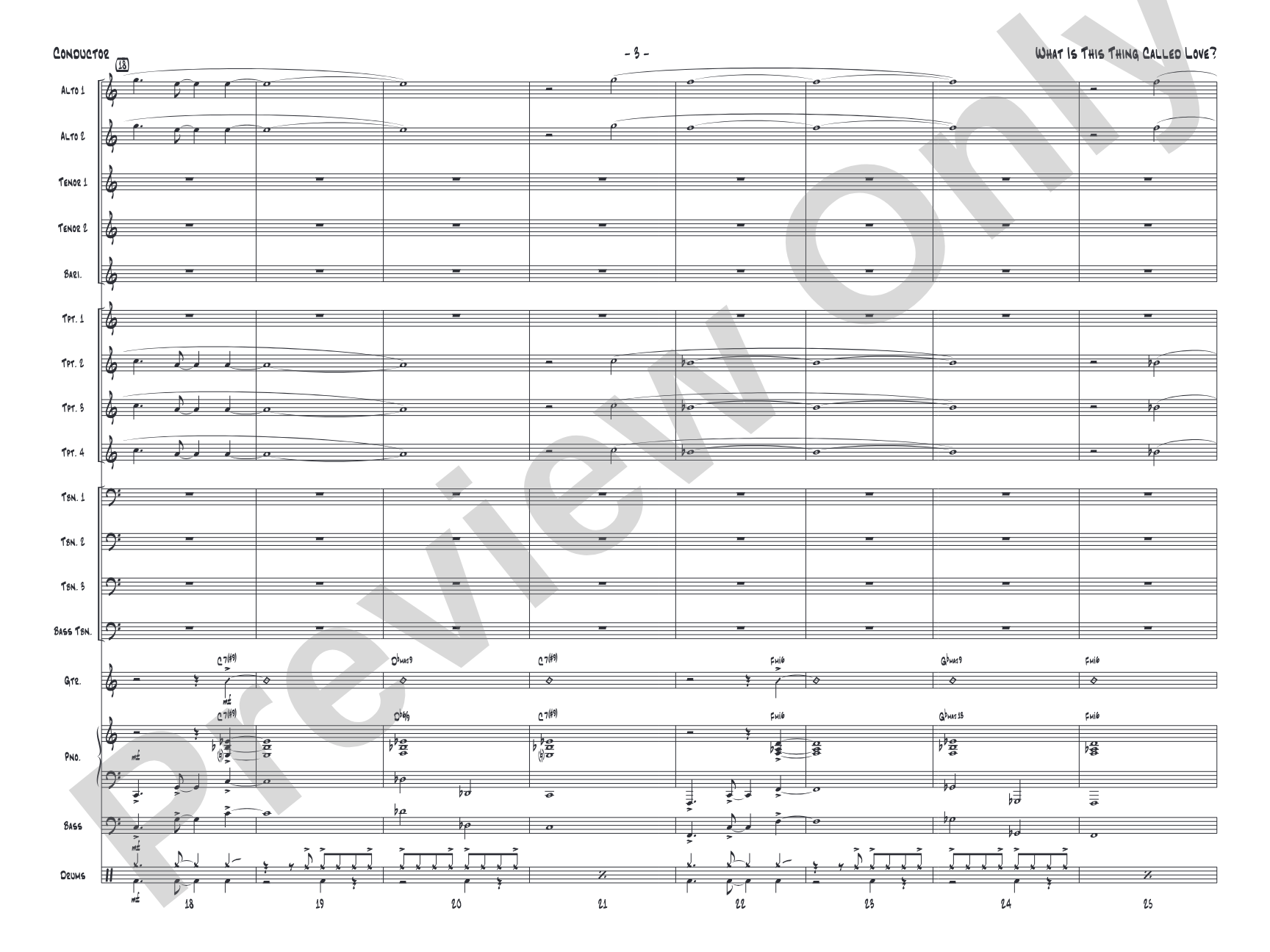
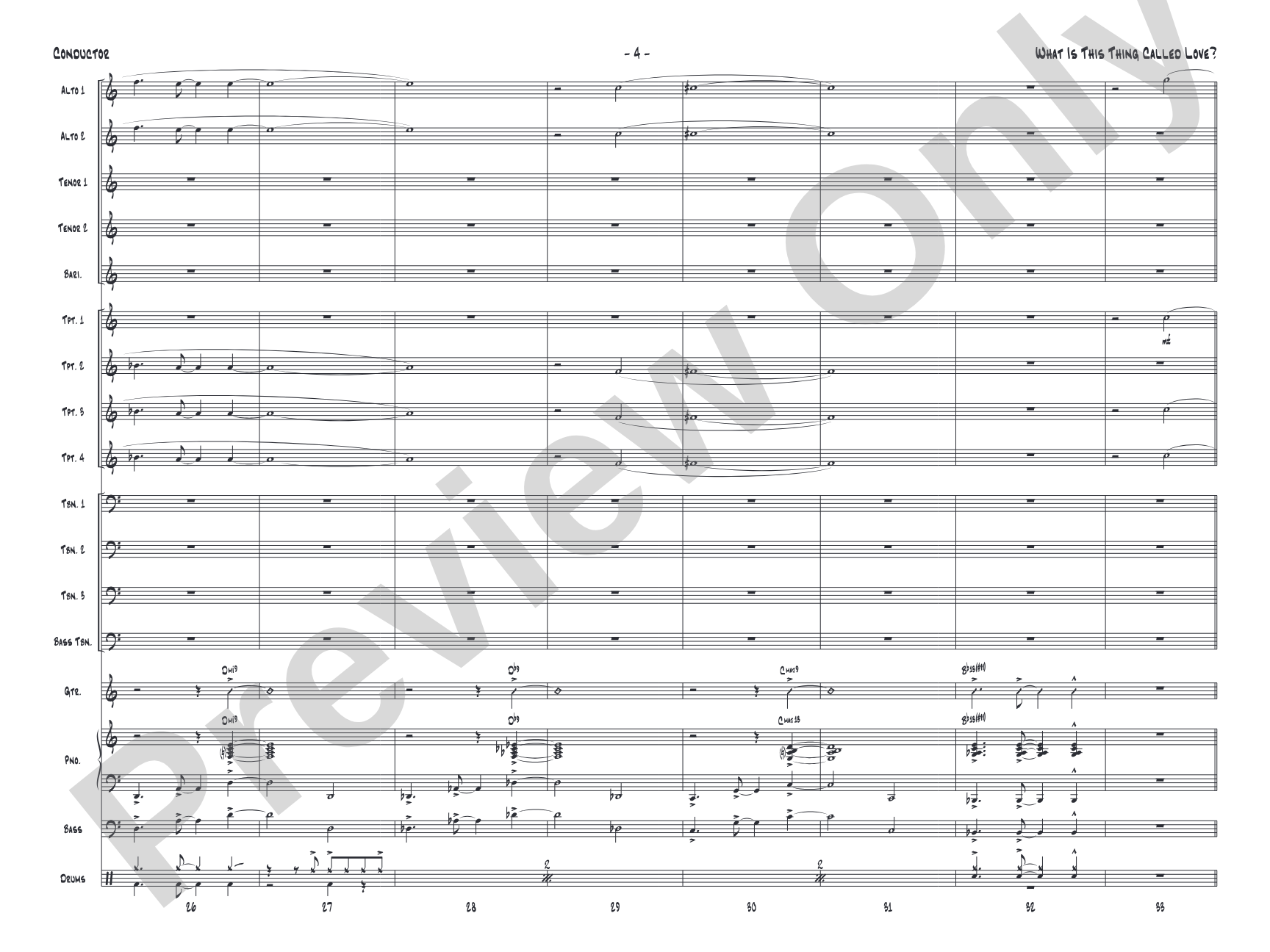
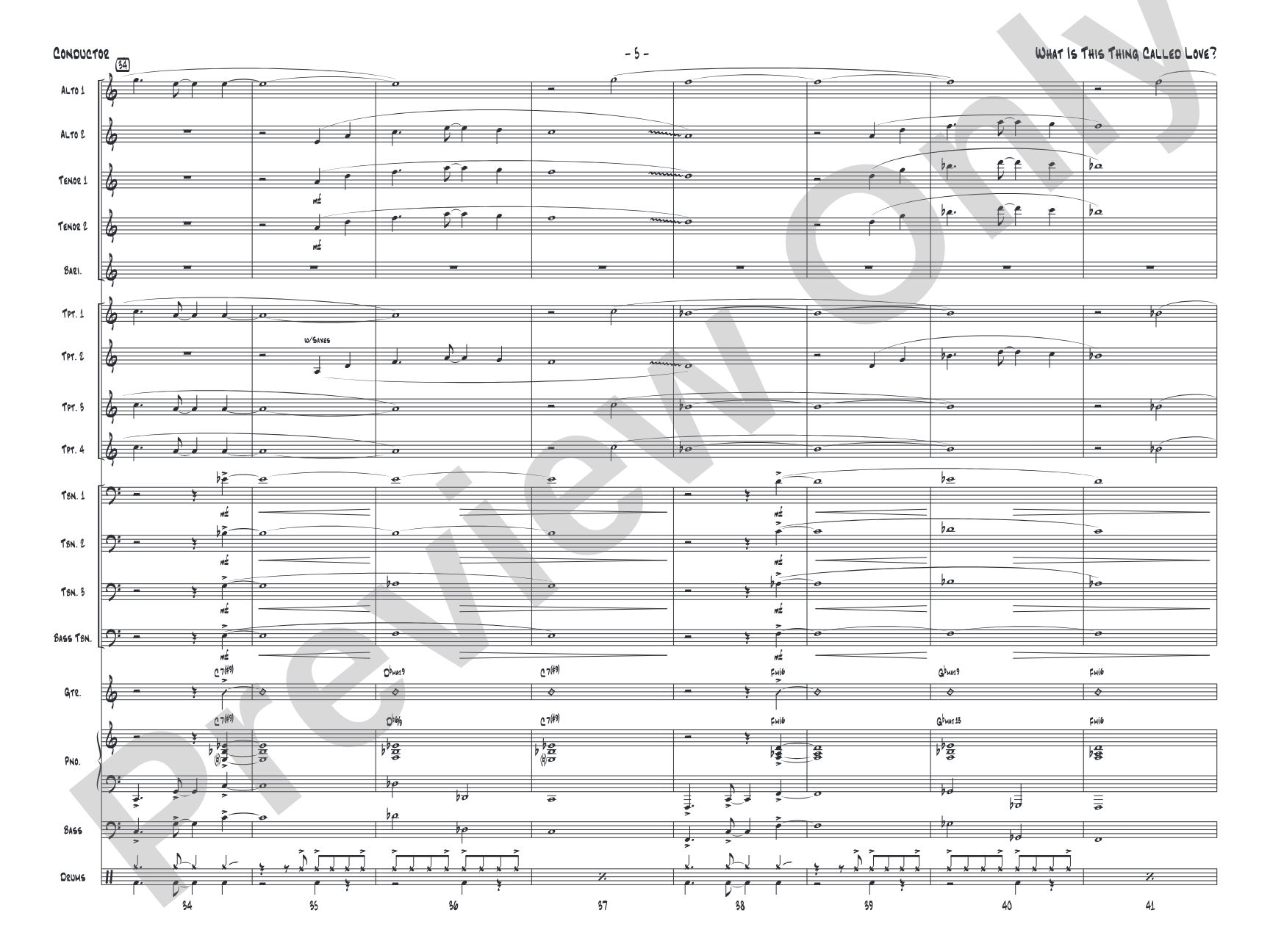
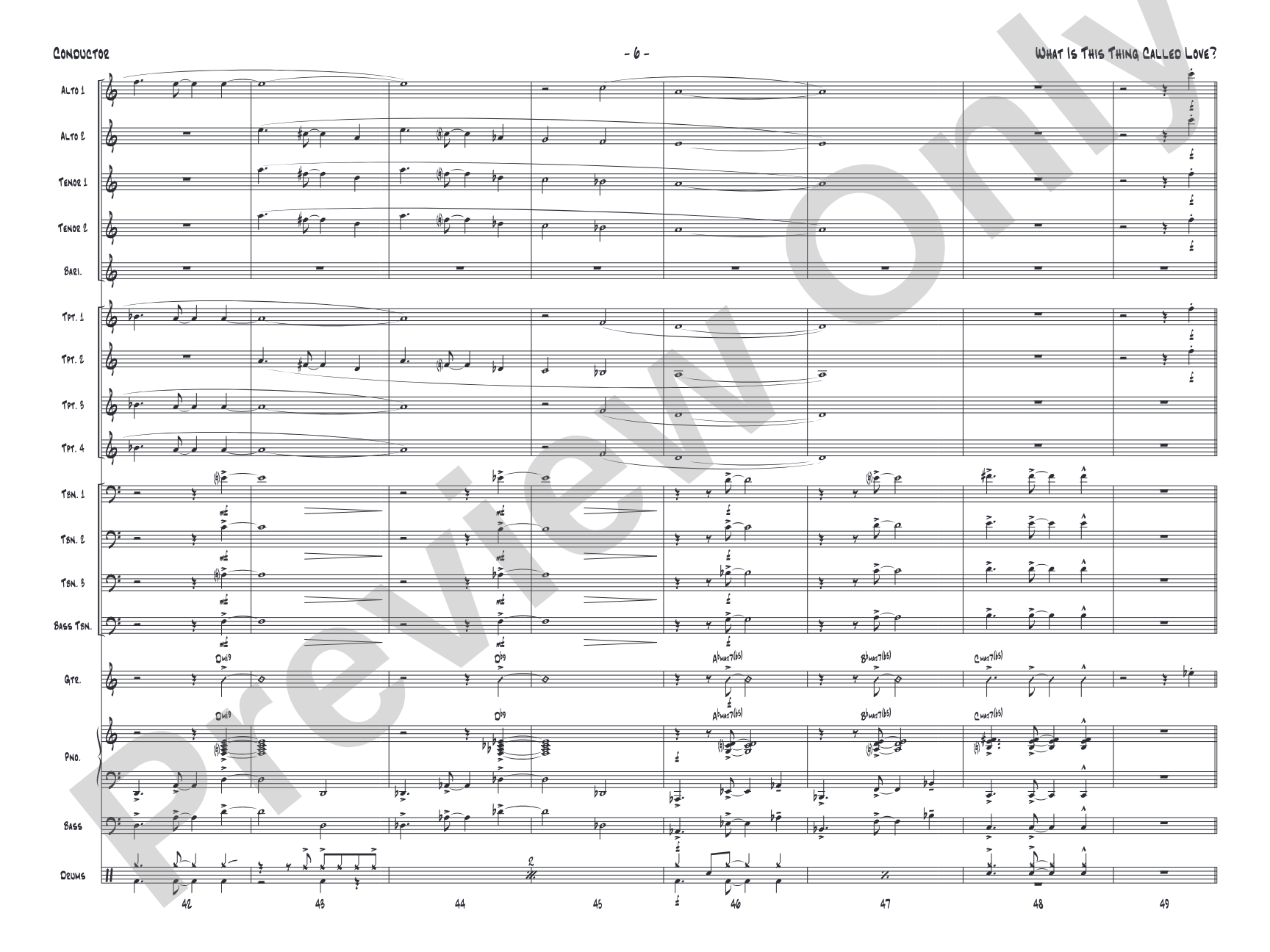
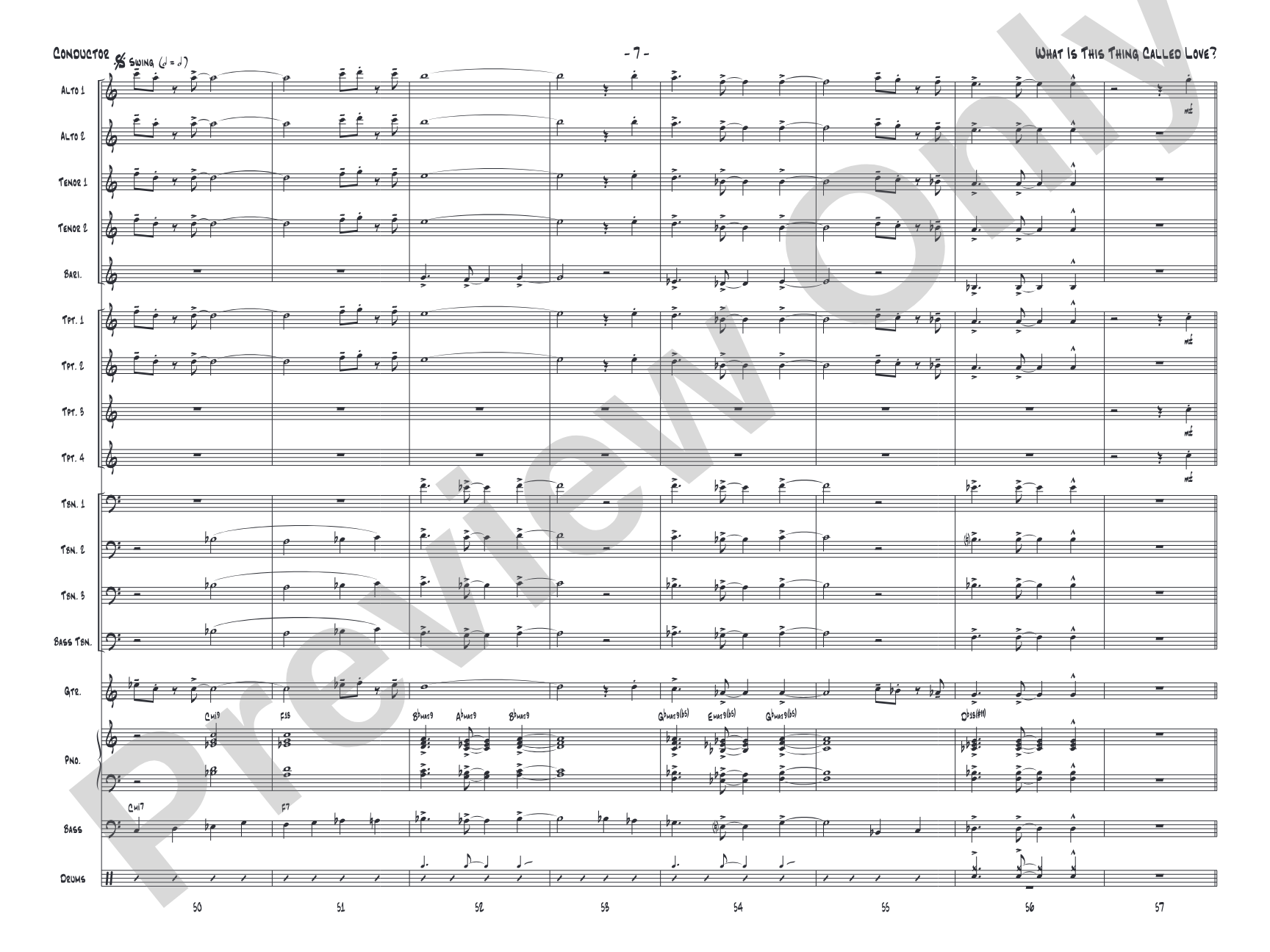
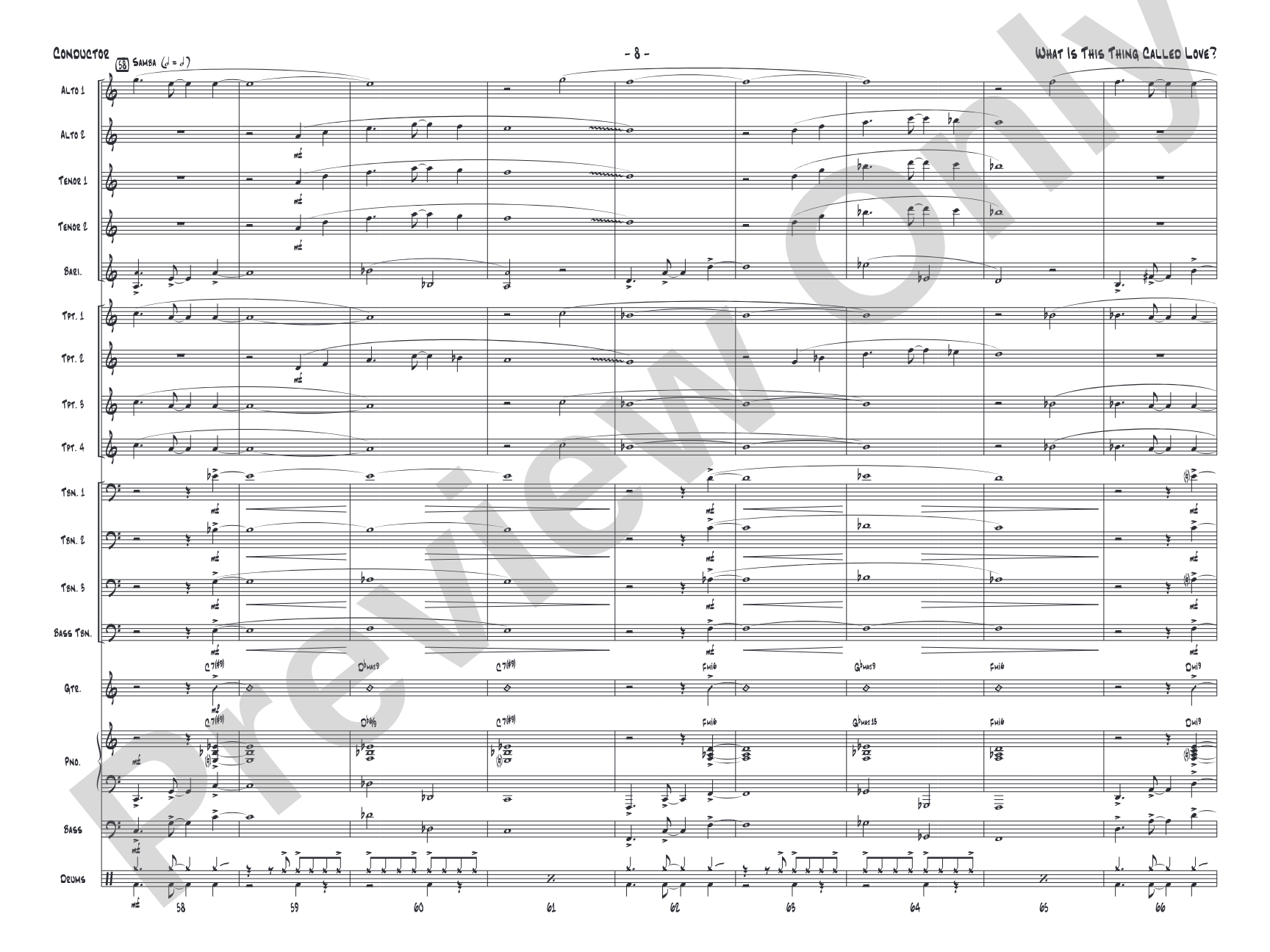
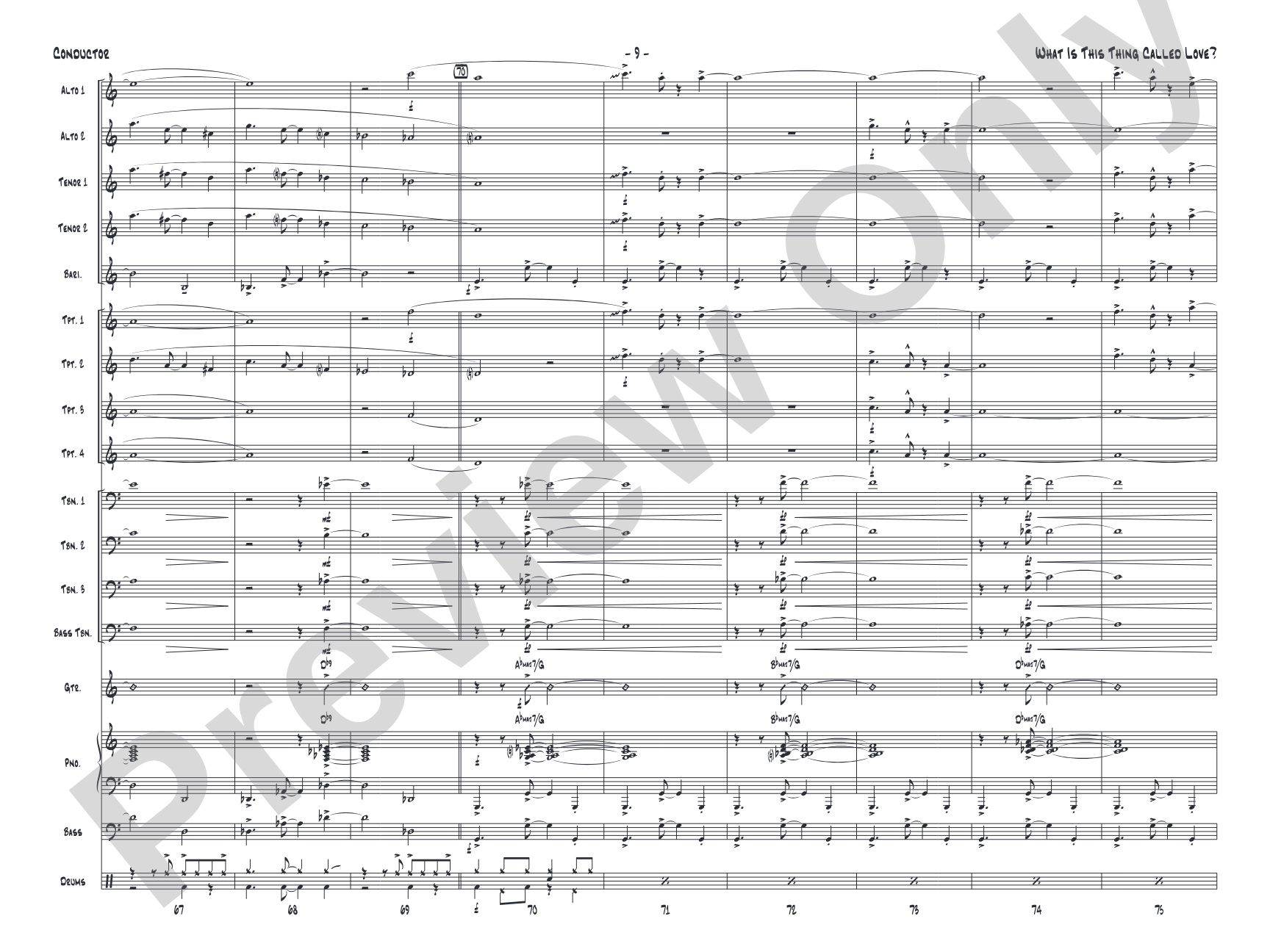
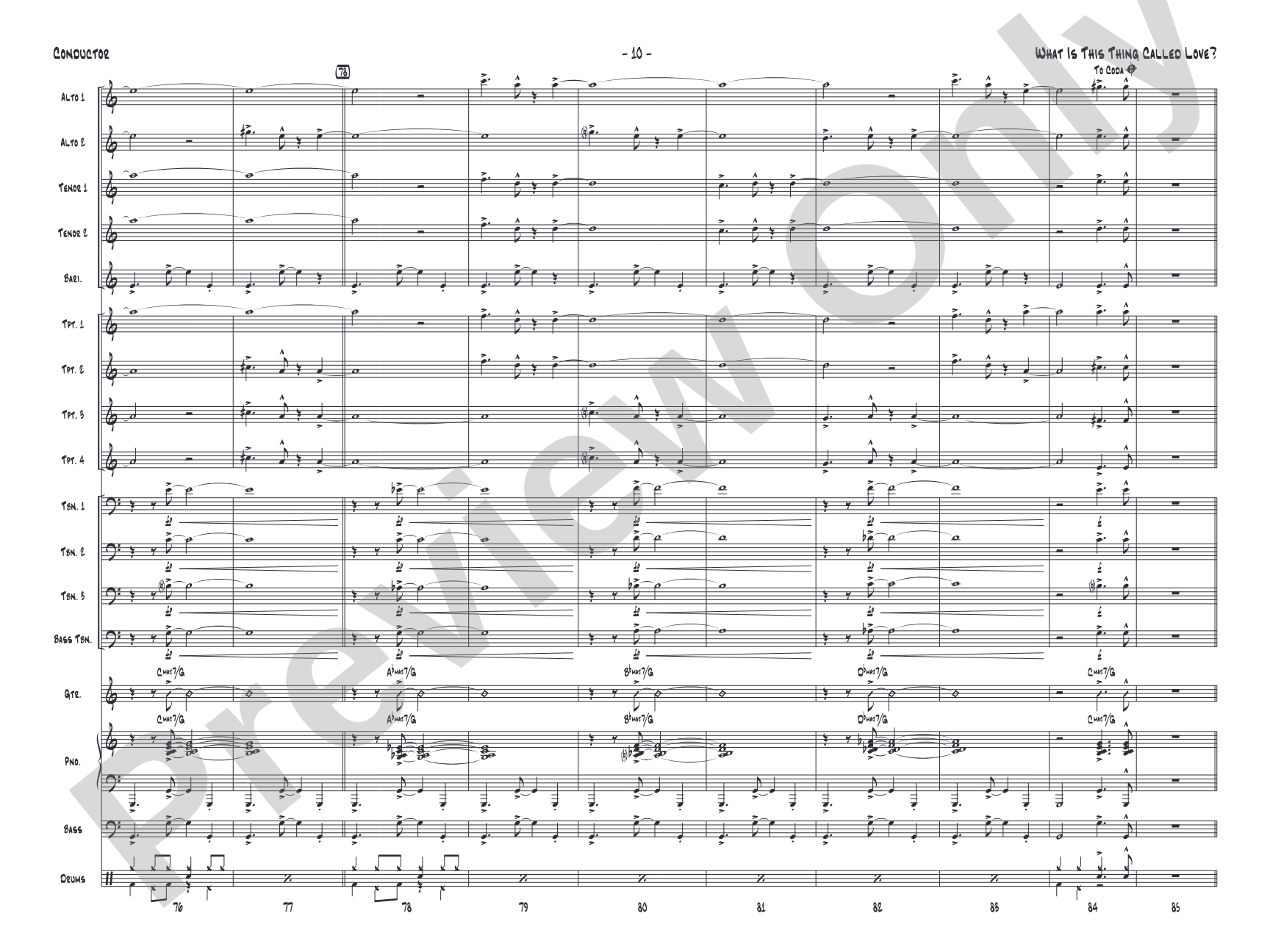
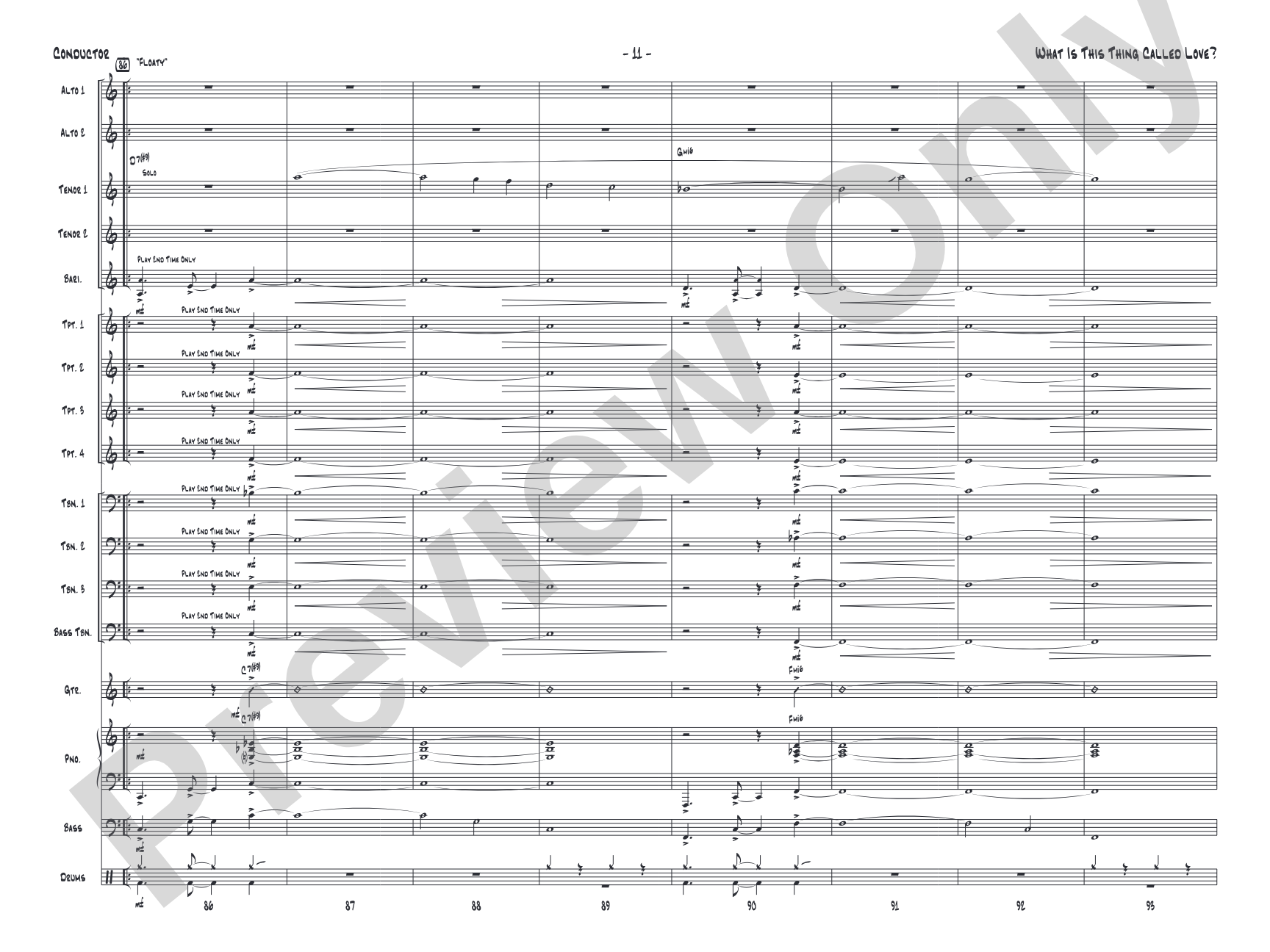
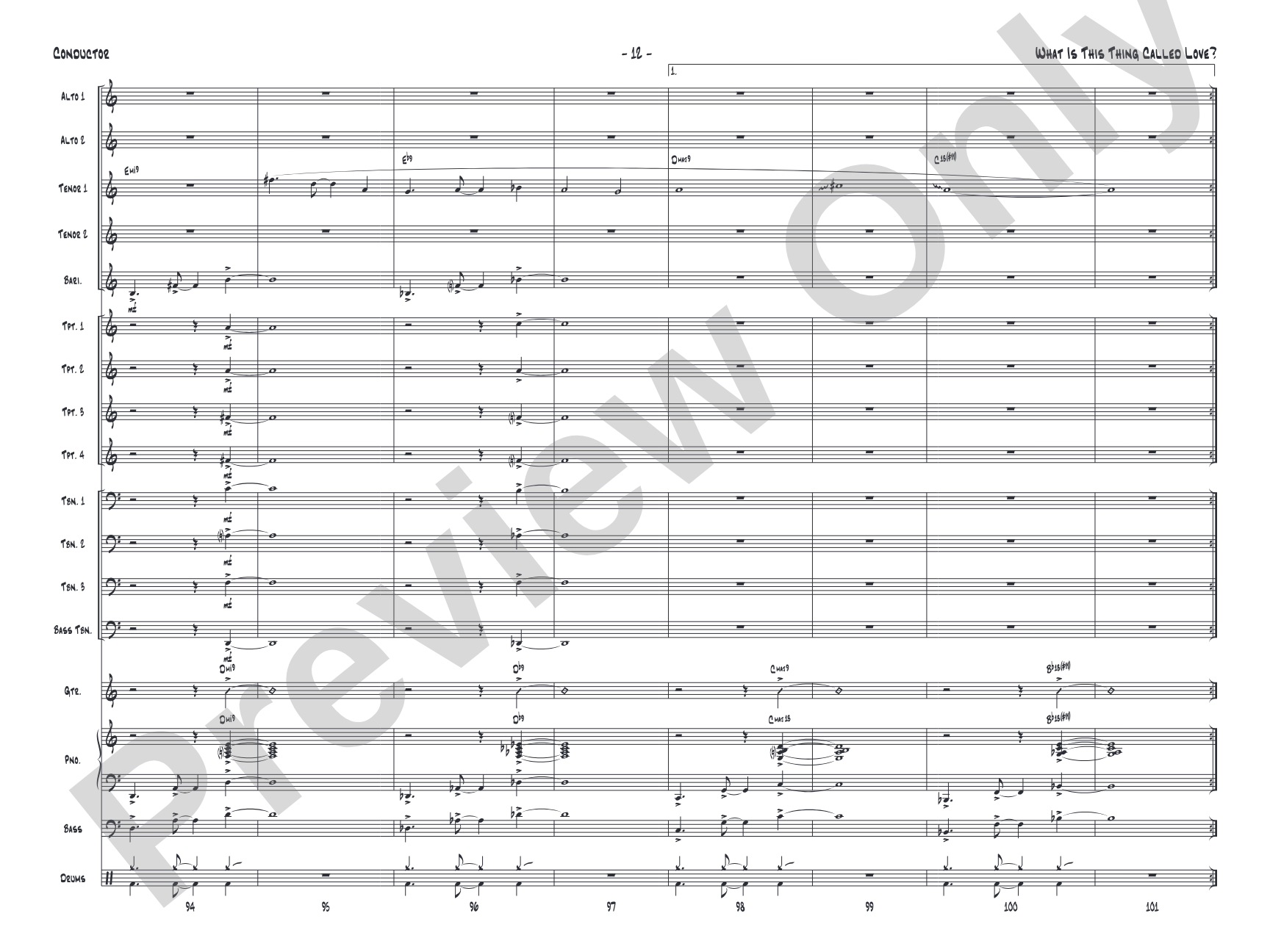
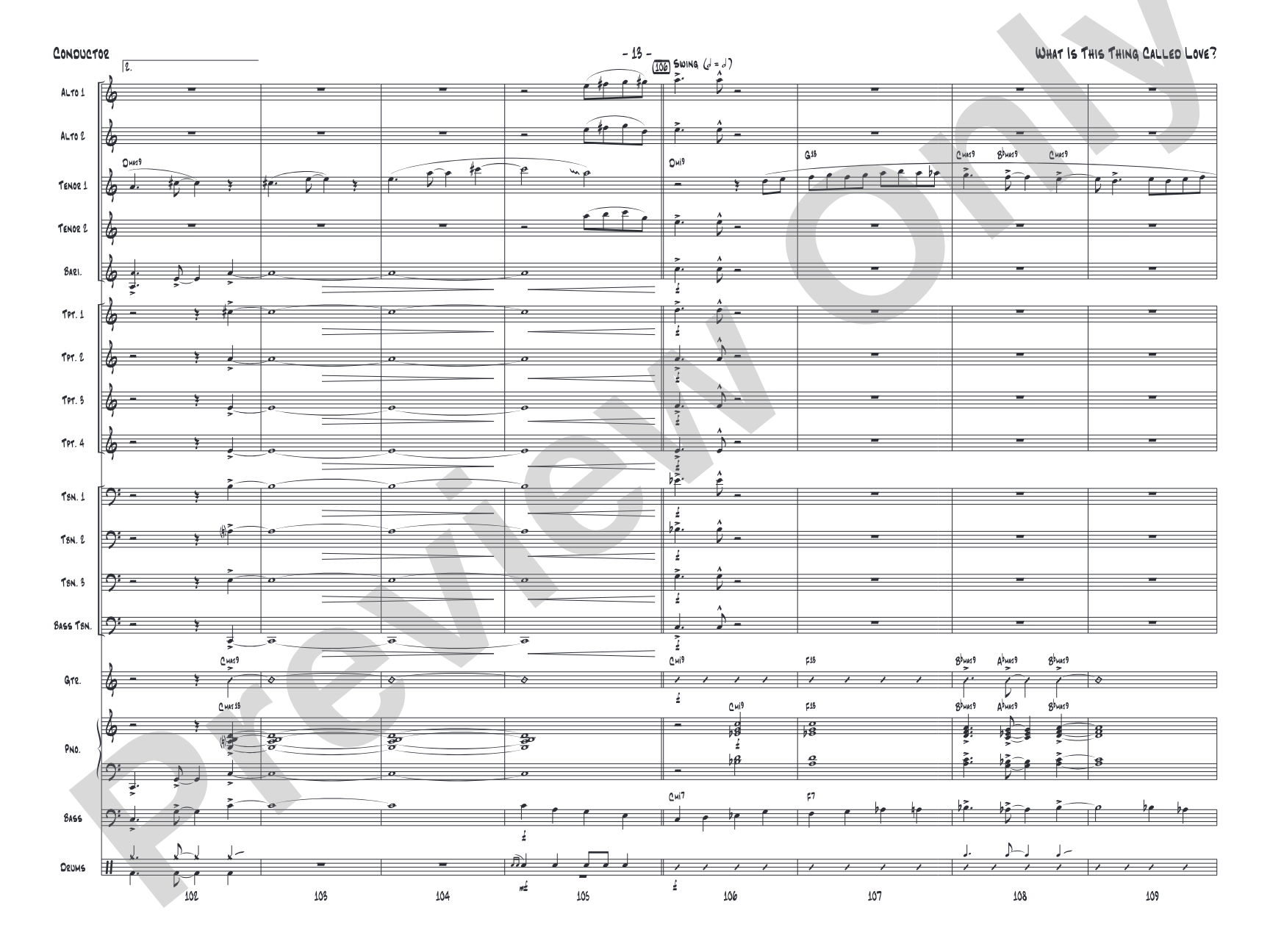
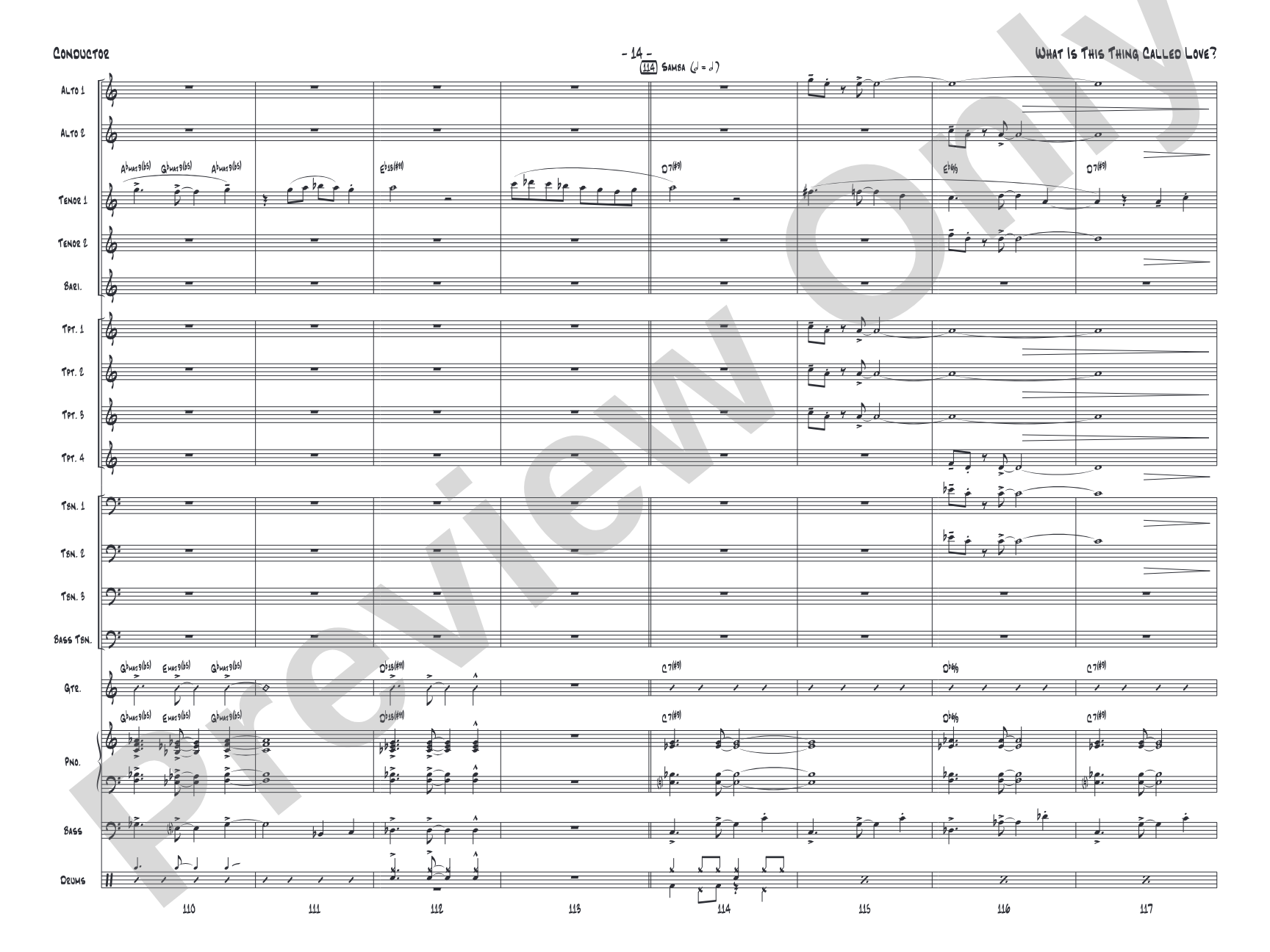
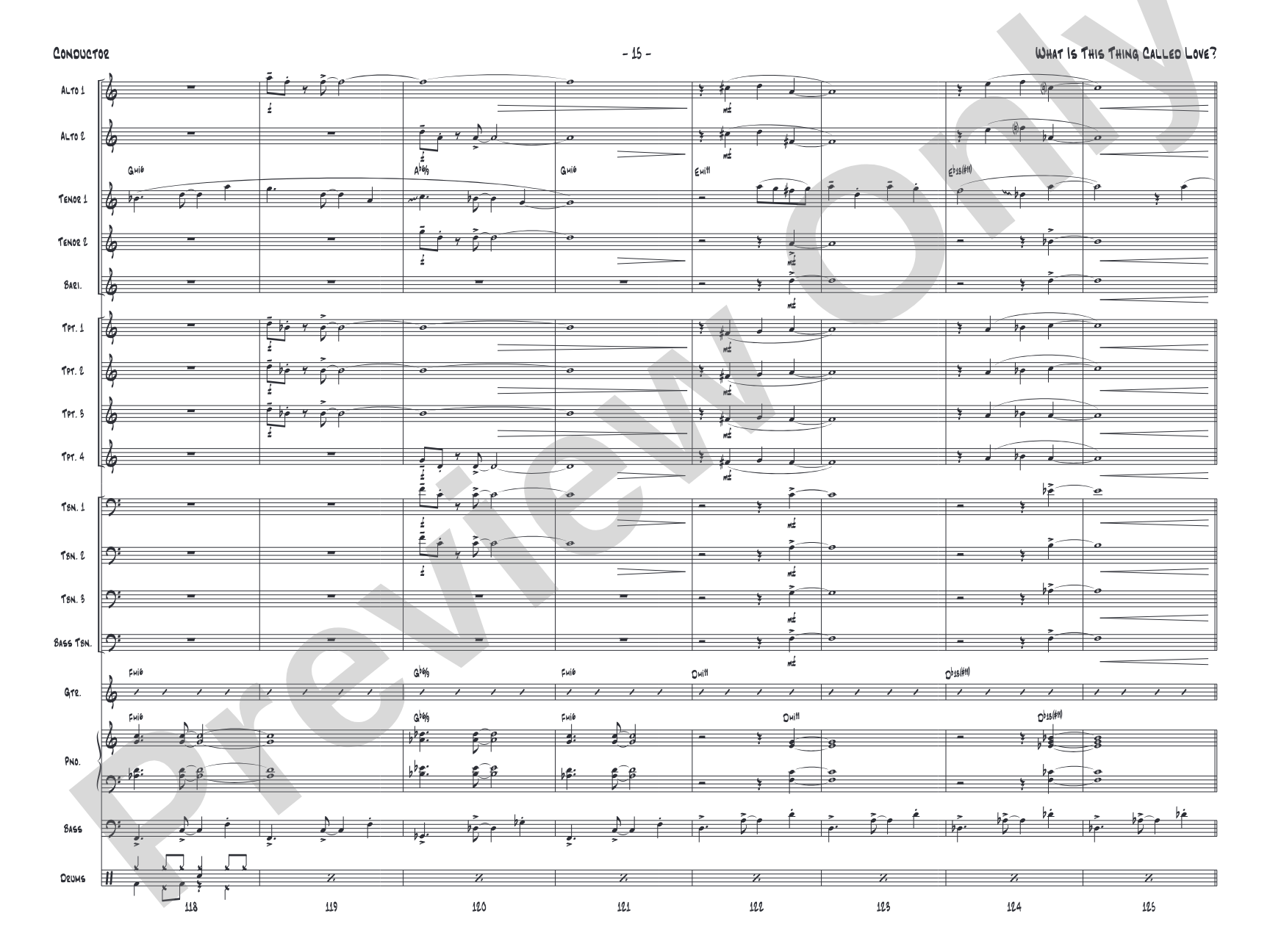
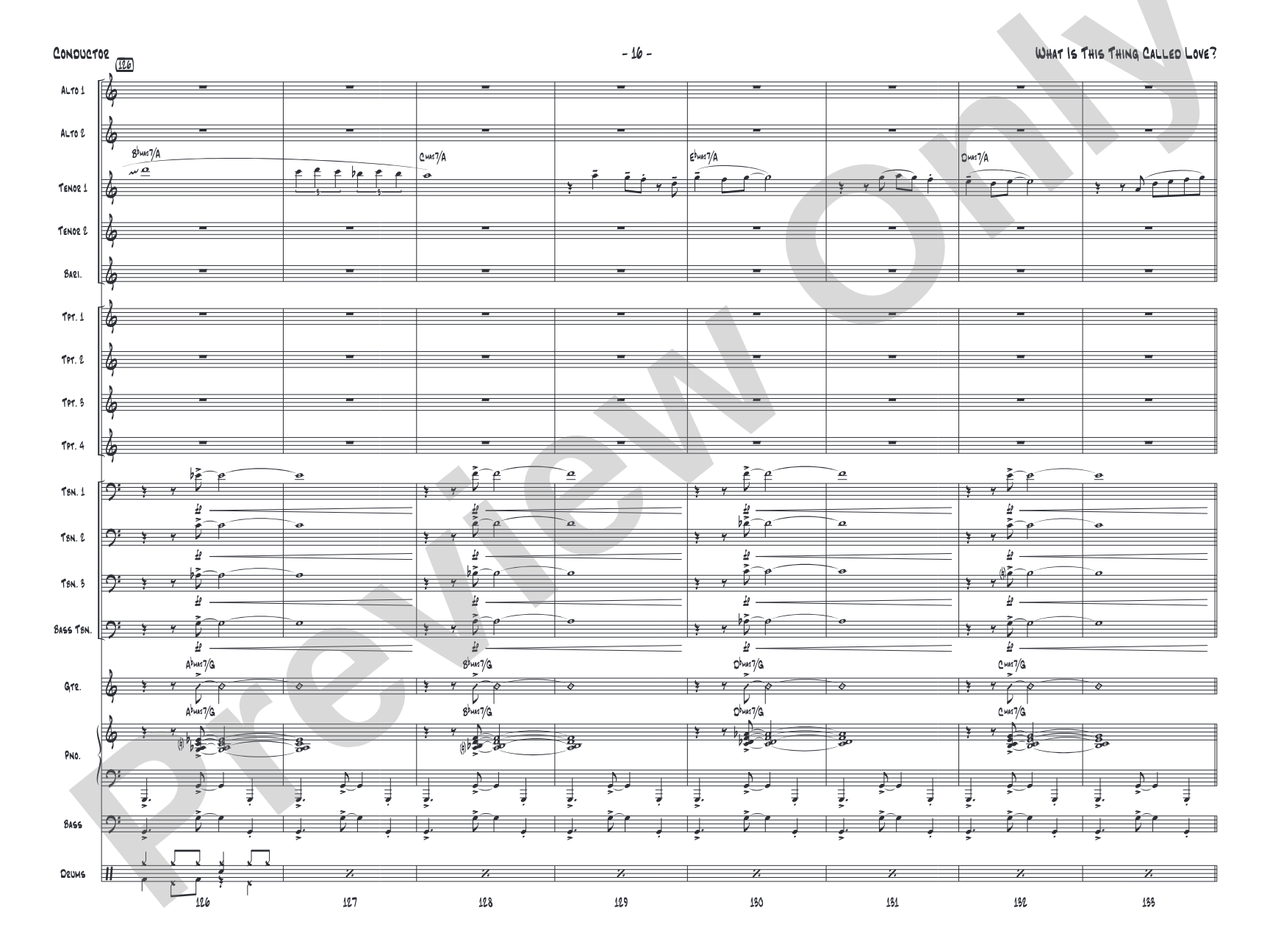
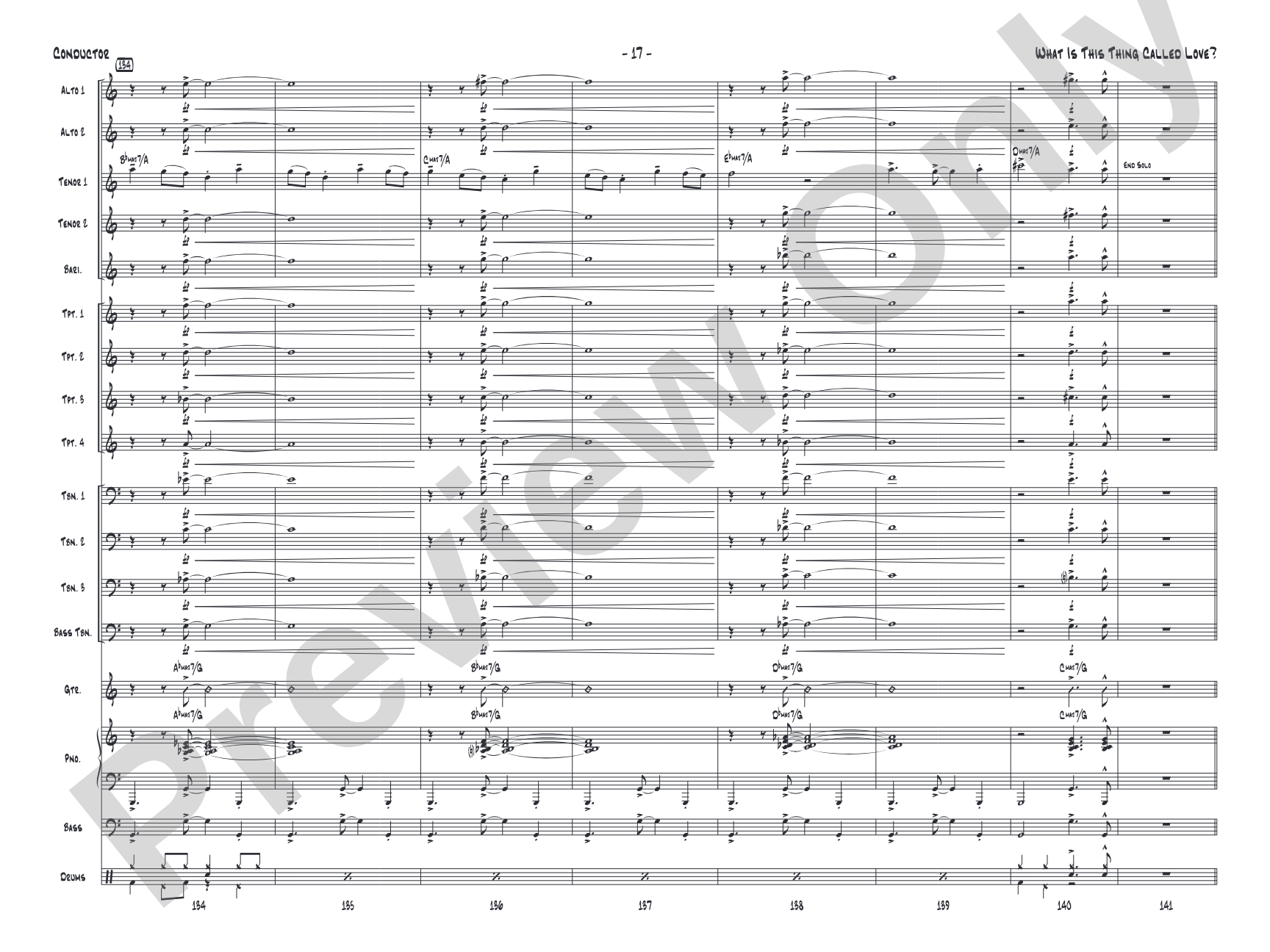
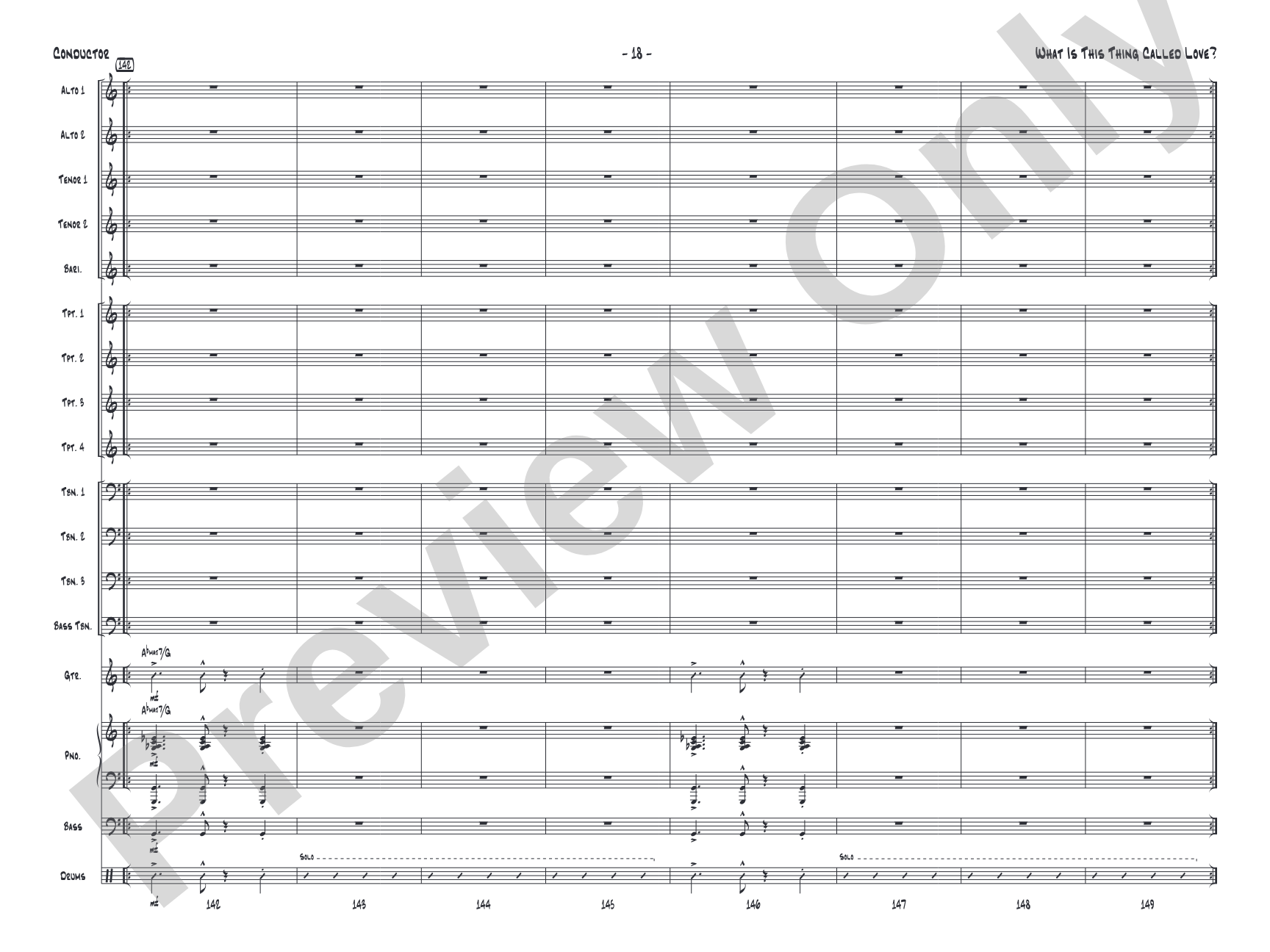

What Is This Thing Called Love?: Jazz Ensemble Conductor Score & Parts
From Wake Up and Dream
Words and music by Cole Porter / arr. Alan Baylock
Grade: 3.5 (Medium)
Item: 00-PK-0008434

$52.00
One moment…
Description
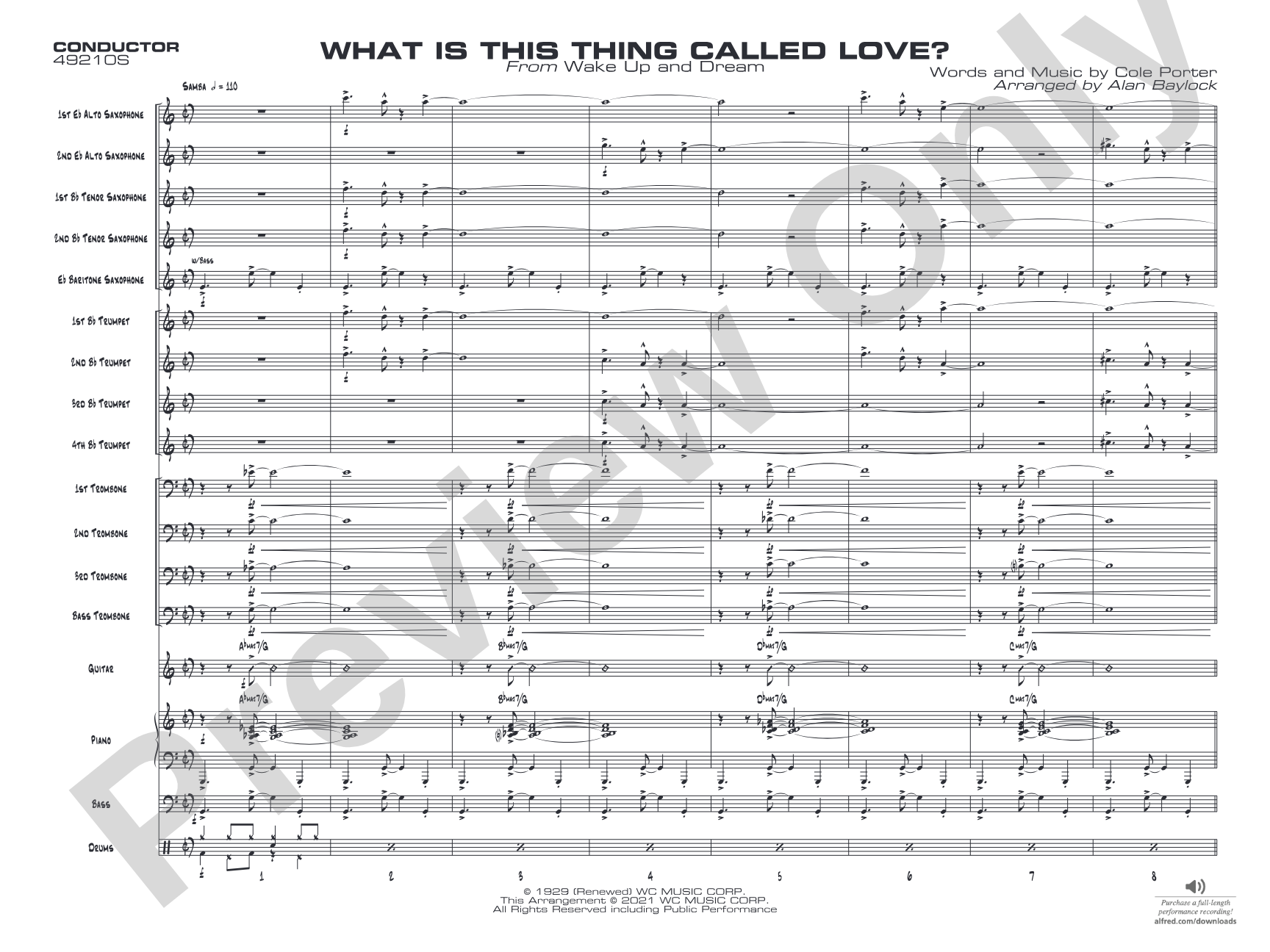
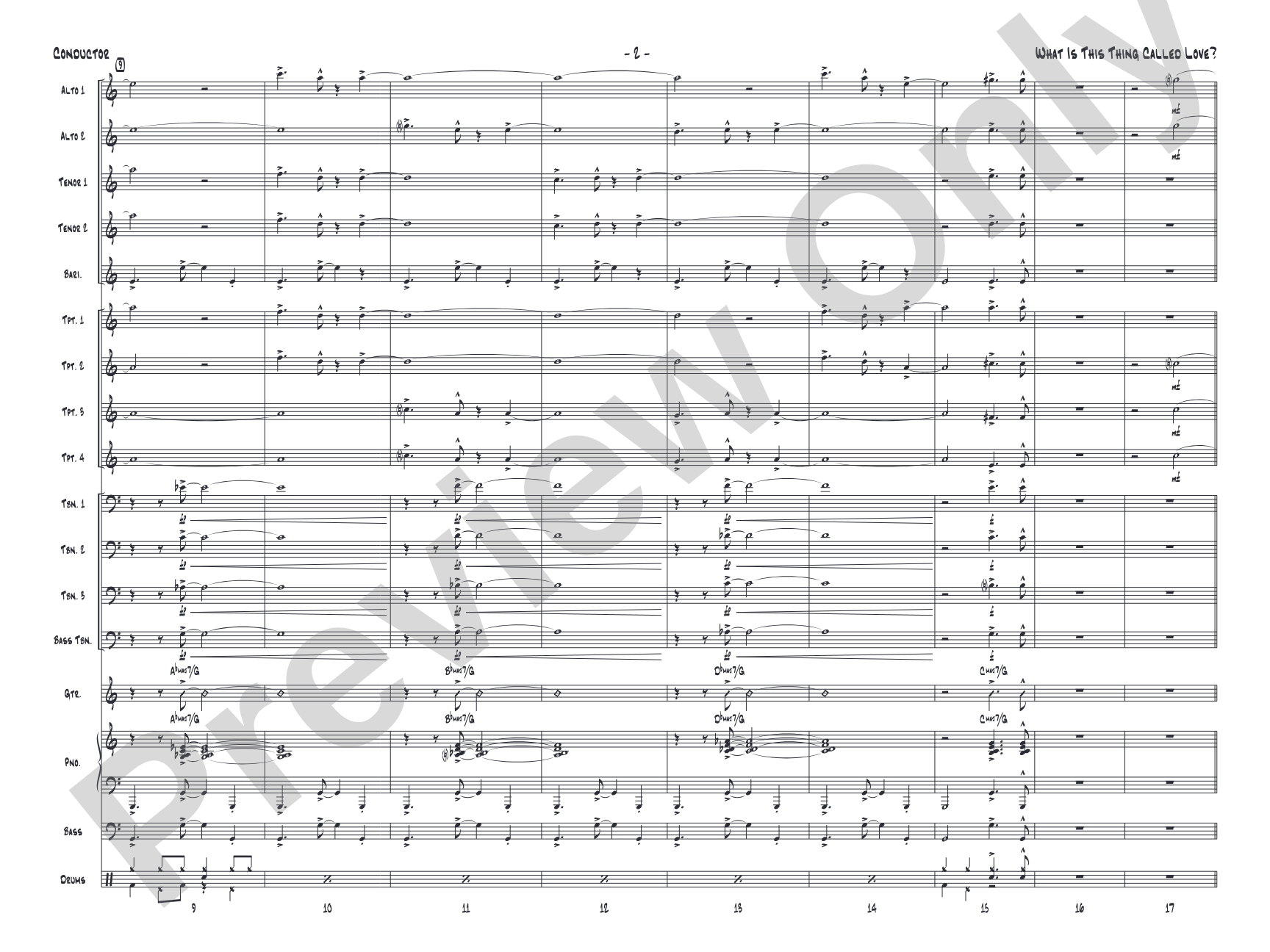
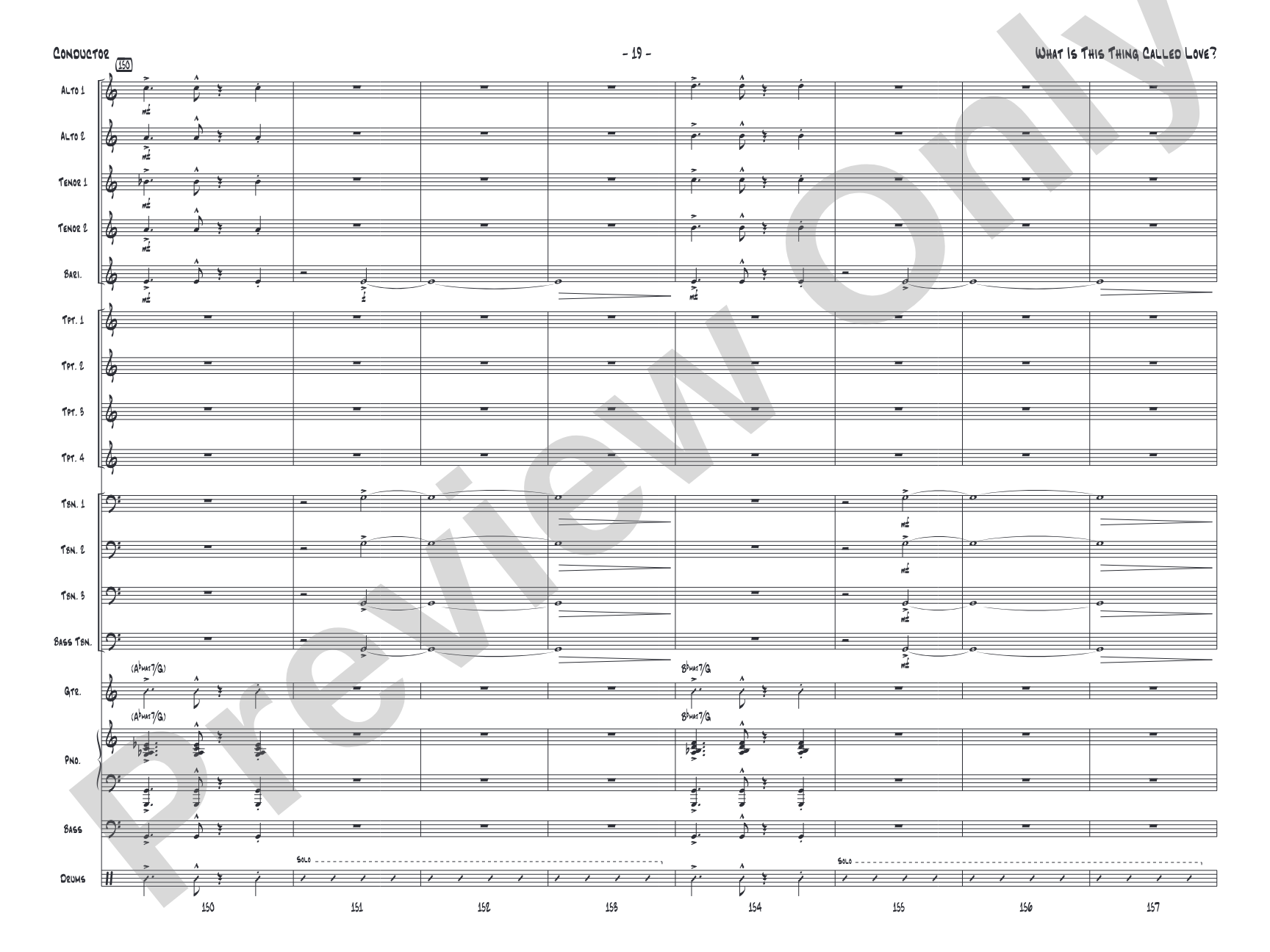
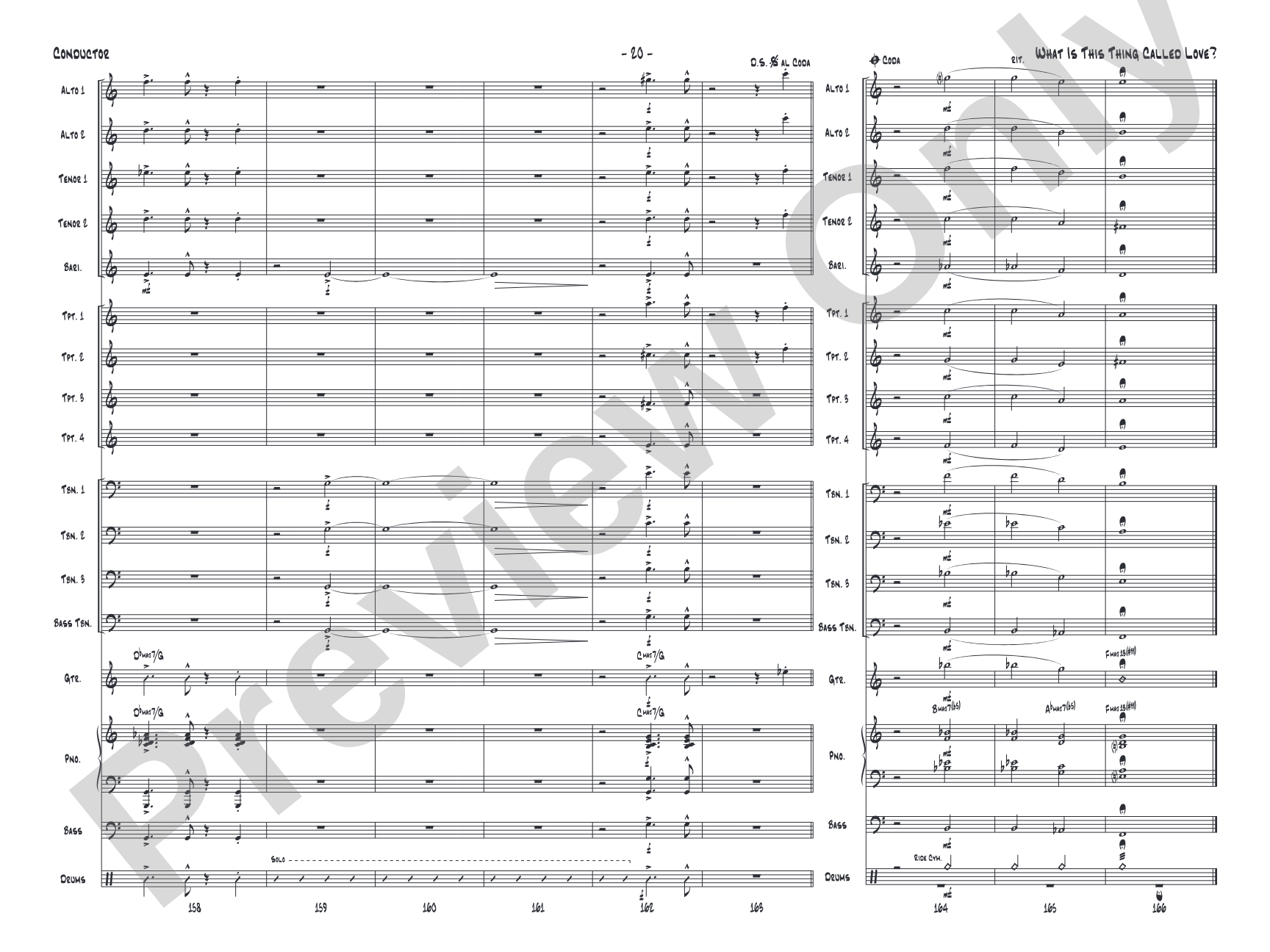
Yes! Alan Baylock's arrangement of What Is This Thing Called Love? is a hot swinger played in double time around 110 BPM that alternates with a samba groove. A terrific jazz standard that is full of energy that features solo work for tenor 1 (sample solo provided) and drum solo fills in an interlude. Lead trumpet range is to written A above the staff, optional parts include flute and vibes and more. This is your opener or closer for every performance! (4:15) This title is available in MakeMusic Cloud.


Don't just read it, hear it, play along with it, and watch your students grow with it. In MakeMusic Cloud, What Is This Thing Called Love?: Jazz Ensemble Conductor Score & Parts comes alive with professional accompaniment, adjustable tempo, and built-in practice tools that turn solo practice into real progress.
Open in the Player
Jump straight in and assign it today.
Start Your Free Trial
Open this title and explore the full library in minutes.
Sample Audio
1
Audio File
--:--
0:00
0:00
Sample Video
Additional Details
Series:
Jazz Band Series
Publisher:
Alfred Music
Page Count:
92
SKU:
00-PK-0008434
More about this title
About the Composer: Cole Porter
Cole Porter (1891-1964) composed some of the twentieth century's most enduring popular songs, blending sophisticated harmonic language with witty, singable melodies. His ability to write for both Broadway and jazz contexts made his standards natural vehicles for arrangers; his music sits equally well in a concert hall or a jazz club, and educators have drawn on his catalog for decades to teach style, phrasing, and interpretive nuance.
Why we love this
Baylock's arrangement turns a classic Porter standard into a modern big band vehicle that demands energy and precision from your ensemble while remaining accessible at Grade 3.5. The double-time swing feel paired with a samba section keeps audiences engaged, and the built-in solo opportunities (with sample tenor 1 solo included) give your soloists room to shine without requiring extensive outside preparation.
What to expect
The chart crackles with forward motion; the double-time swing drives relentlessly, and when the samba groove arrives, it resets the energy while maintaining momentum. Porter's melody stays recognizable throughout, even as Baylock's arrangement layers modern jazz scoring around it, creating a performance that feels both classic and current.
Who it's for
This arrangement works for jazz ensembles seeking a showpiece that combines accessible musicianship with audience appeal. Directors looking for an opener or closer that energizes a concert without excessive technical demands will find this a reliable choice.
How to get the most out of it
- Lock the double-time swing feel early in rehearsal; the chart lives and dies on the rhythmic clarity between the ensemble and rhythm section at 110 BPM.
- Use the provided sample tenor solo as a model for interpreting the standard, but encourage your soloist to explore their own phrasing once they internalize the changes.
- Balance the samba groove section carefully; it's easy to rush the clave feel when transitioning from straight swing, so isolate the rhythm section first.
- Shape the drum solo fills as structural moments, not afterthoughts; they deserve space and allow the ensemble to settle before re-entering with fresh energy.
How to use it
Program this as an opener to launch a concert with immediate excitement, or save it as a closer to send the audience out on a high note. The dual feel (swing and samba) makes it a natural bridge between a traditional big band set and more contemporary repertoire, and the manageable length (4:15) leaves room for additional pieces without cramping your concert arc.
Skills your students will build
- Playing double-time swing feel at tempo with rhythmic precision
- Transitioning between straight swing and samba grooves
- Solo interpretation over jazz changes
- Reading lead sheet notation and chord symbols
- Balancing ensemble texture while featuring soloists