

What Can I Play on Sunday?, Book 5: September & October Services: 10 Easily Prepared Piano Arrangements: Piano
10 Easily Prepared Piano Arrangements
Arranged by Cindy Berry
Level: Late Intermediate
Item: 00-PB-0000884
$12.99
Pickup currently not available
Related Items
What Can I Play on Sunday?, Book 5: September & October Services: Piano Book |
$12.95
|
View |
Description
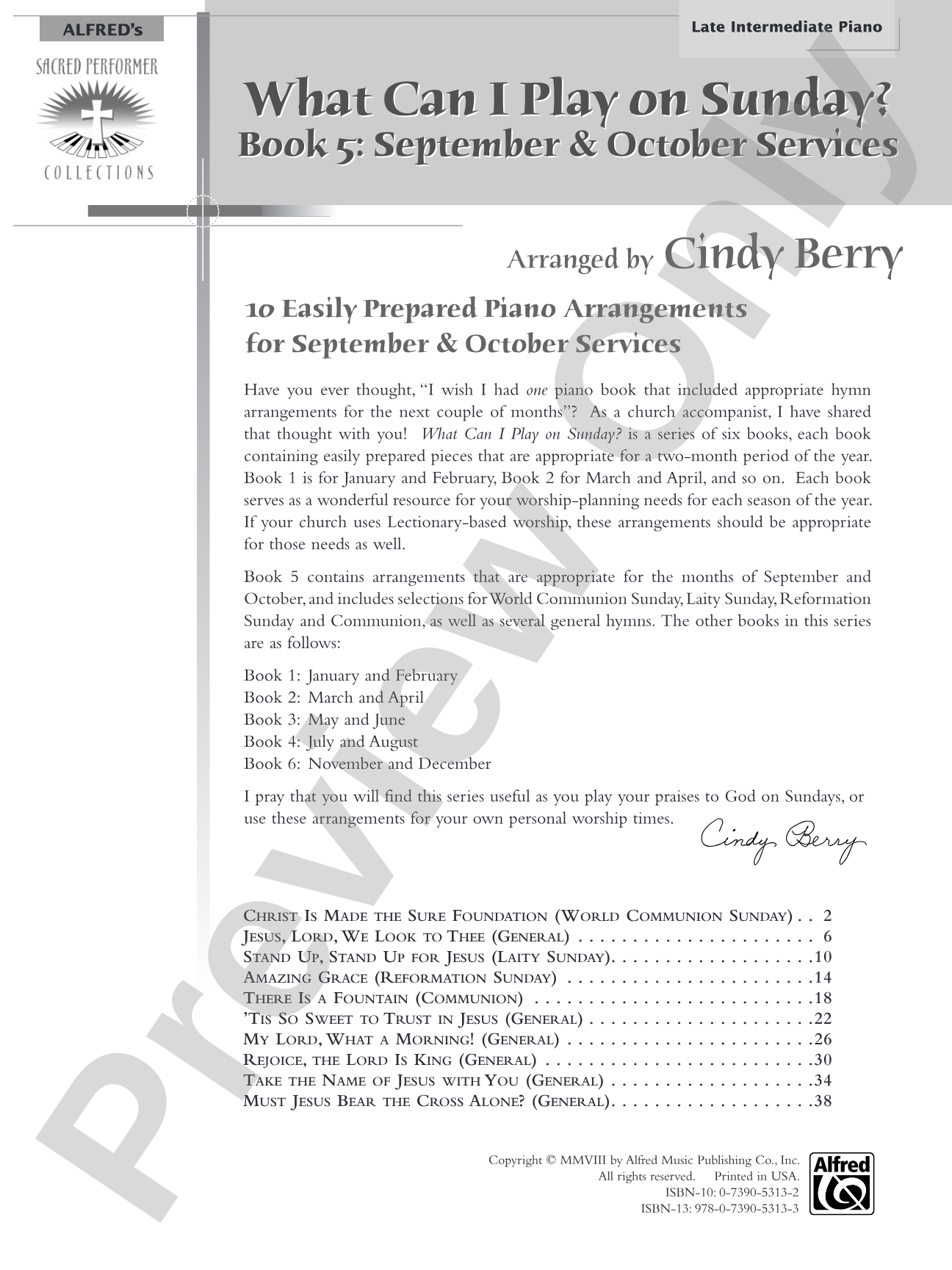
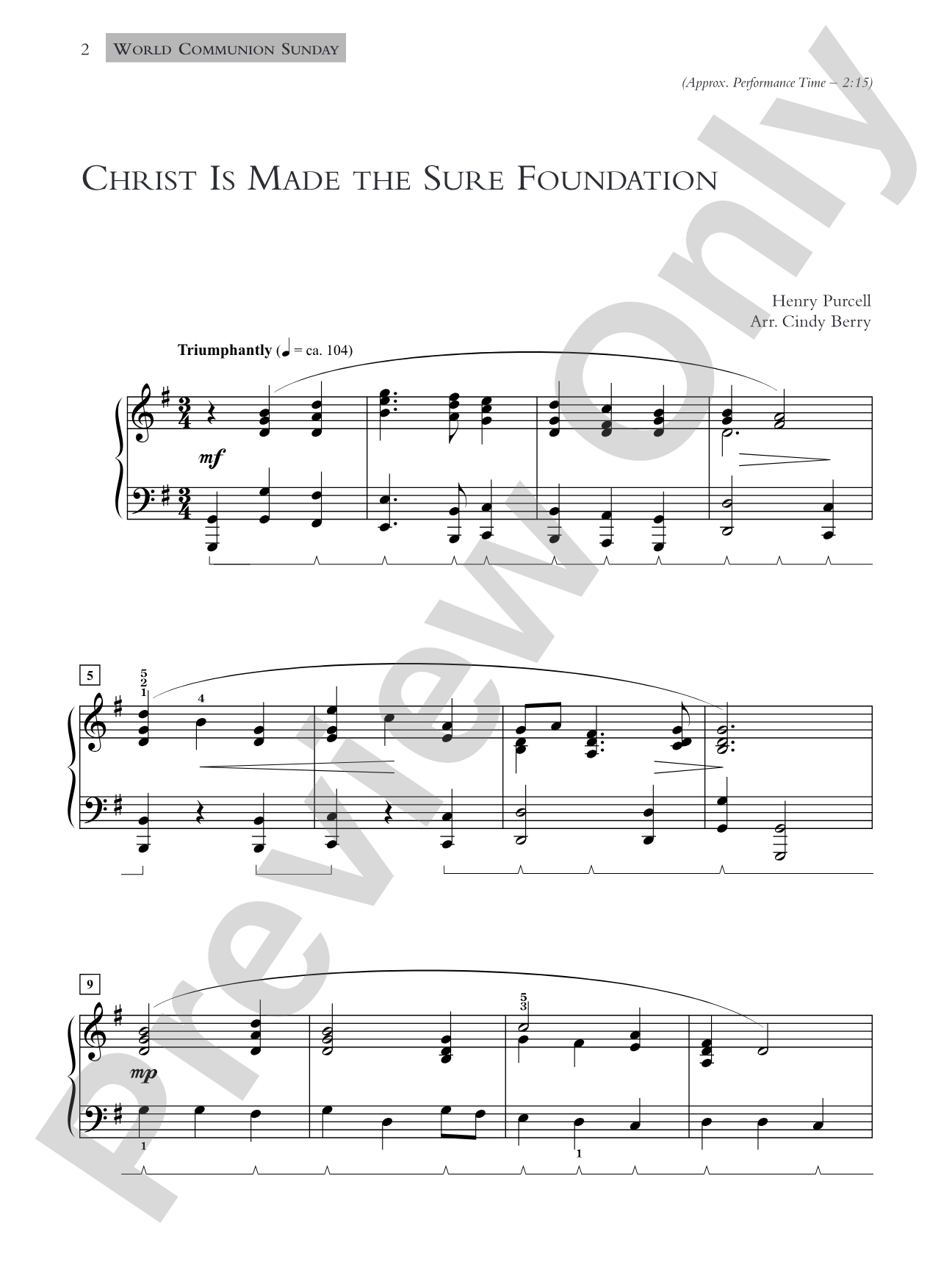
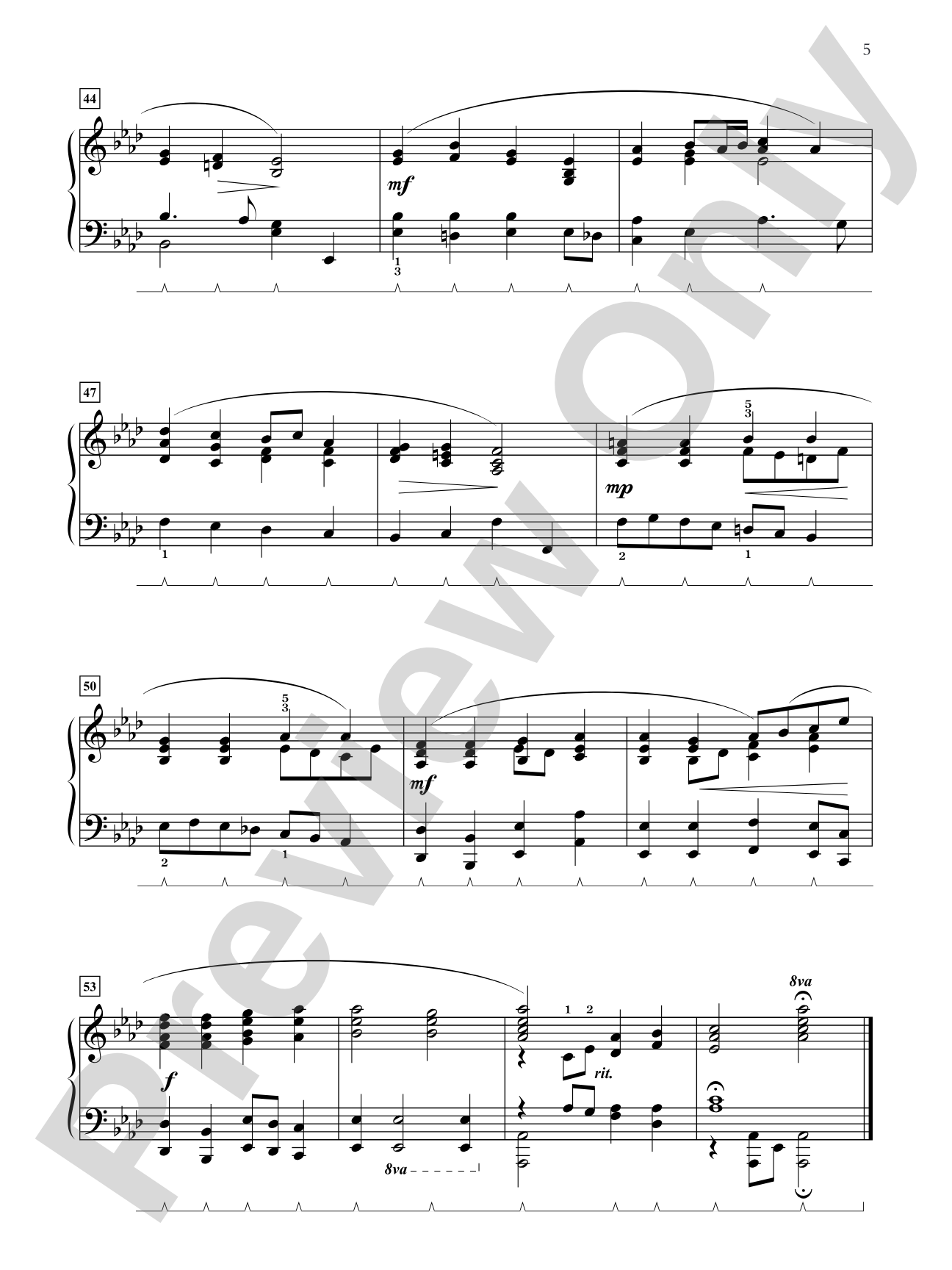
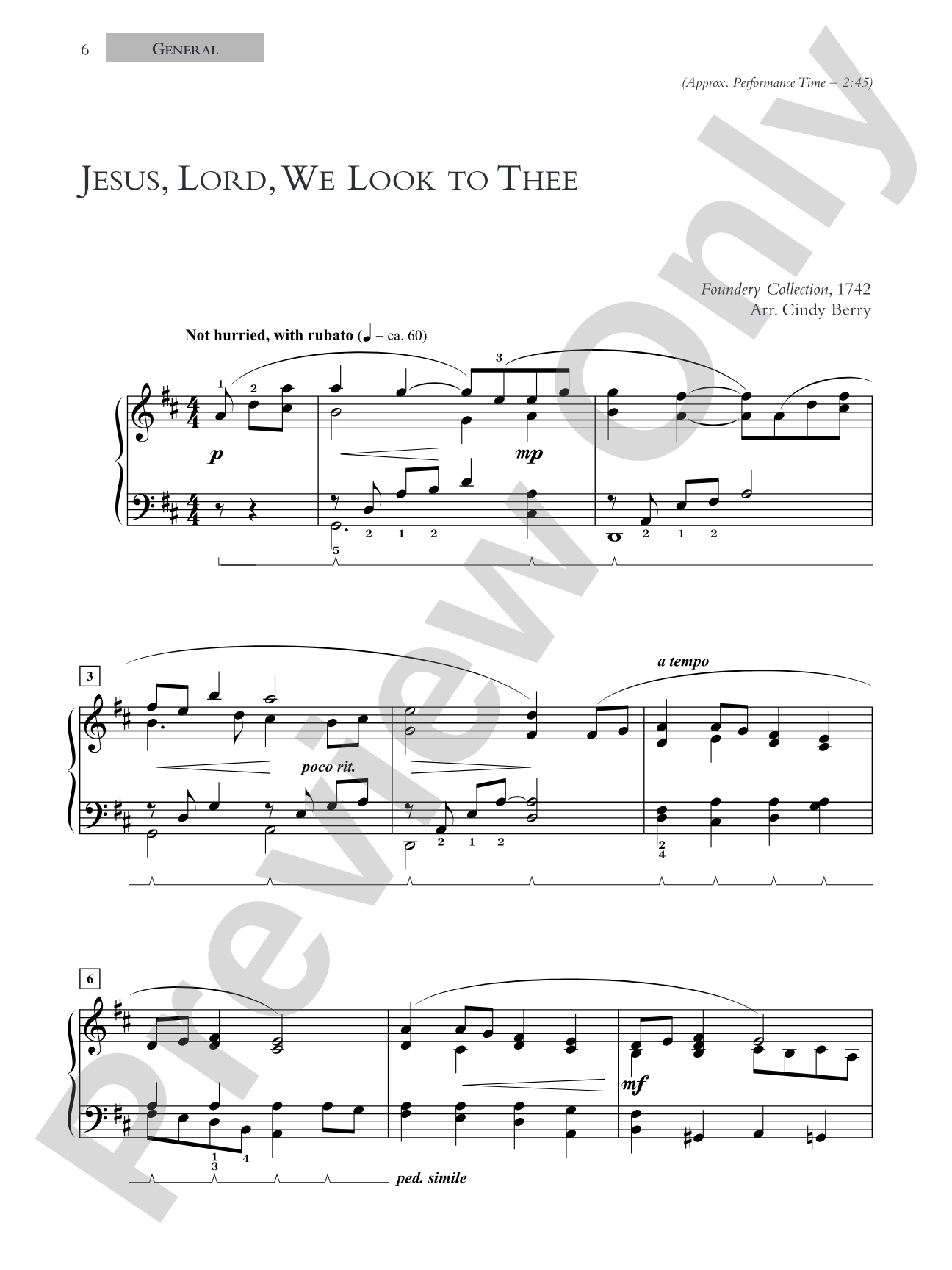
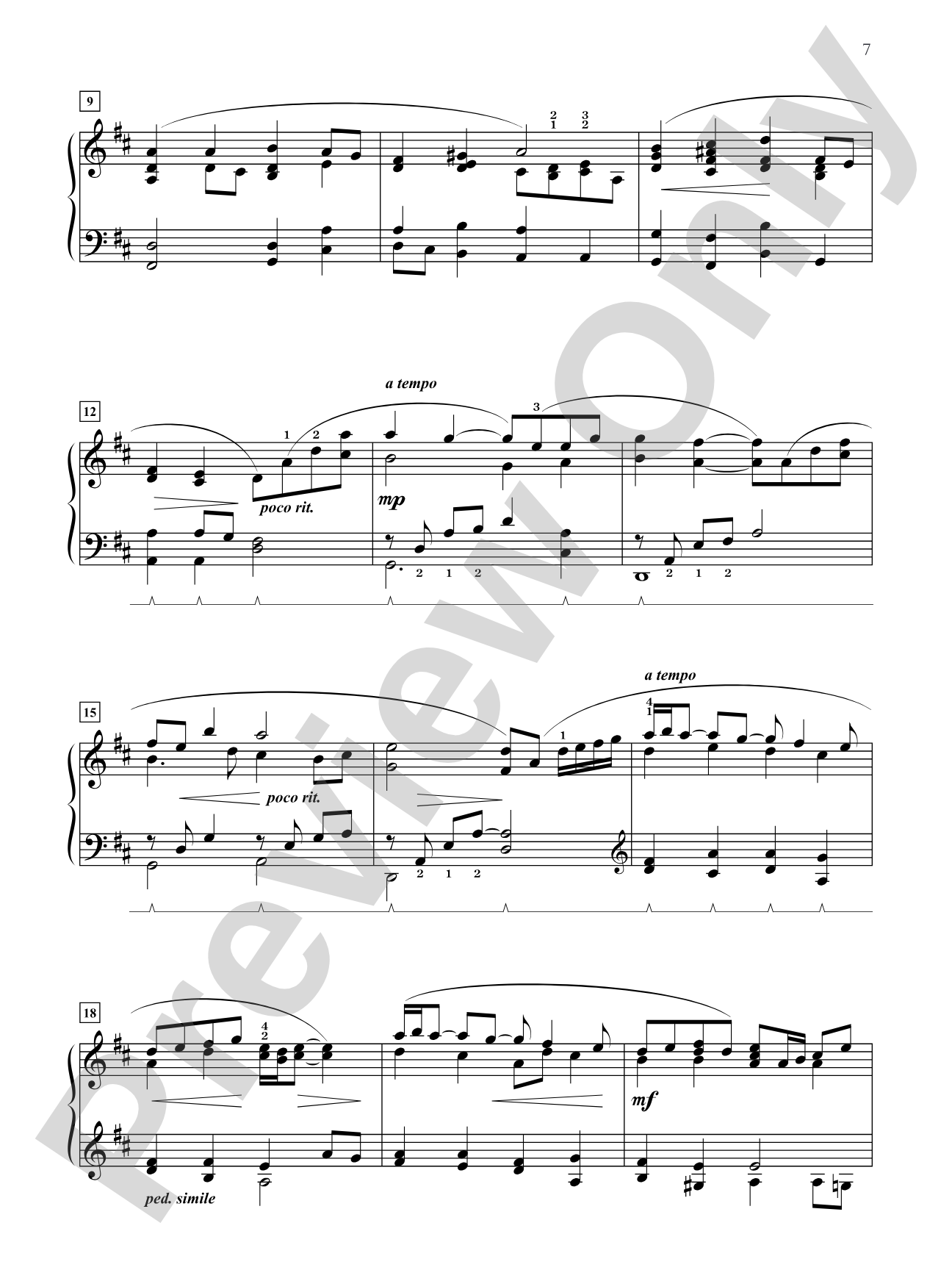
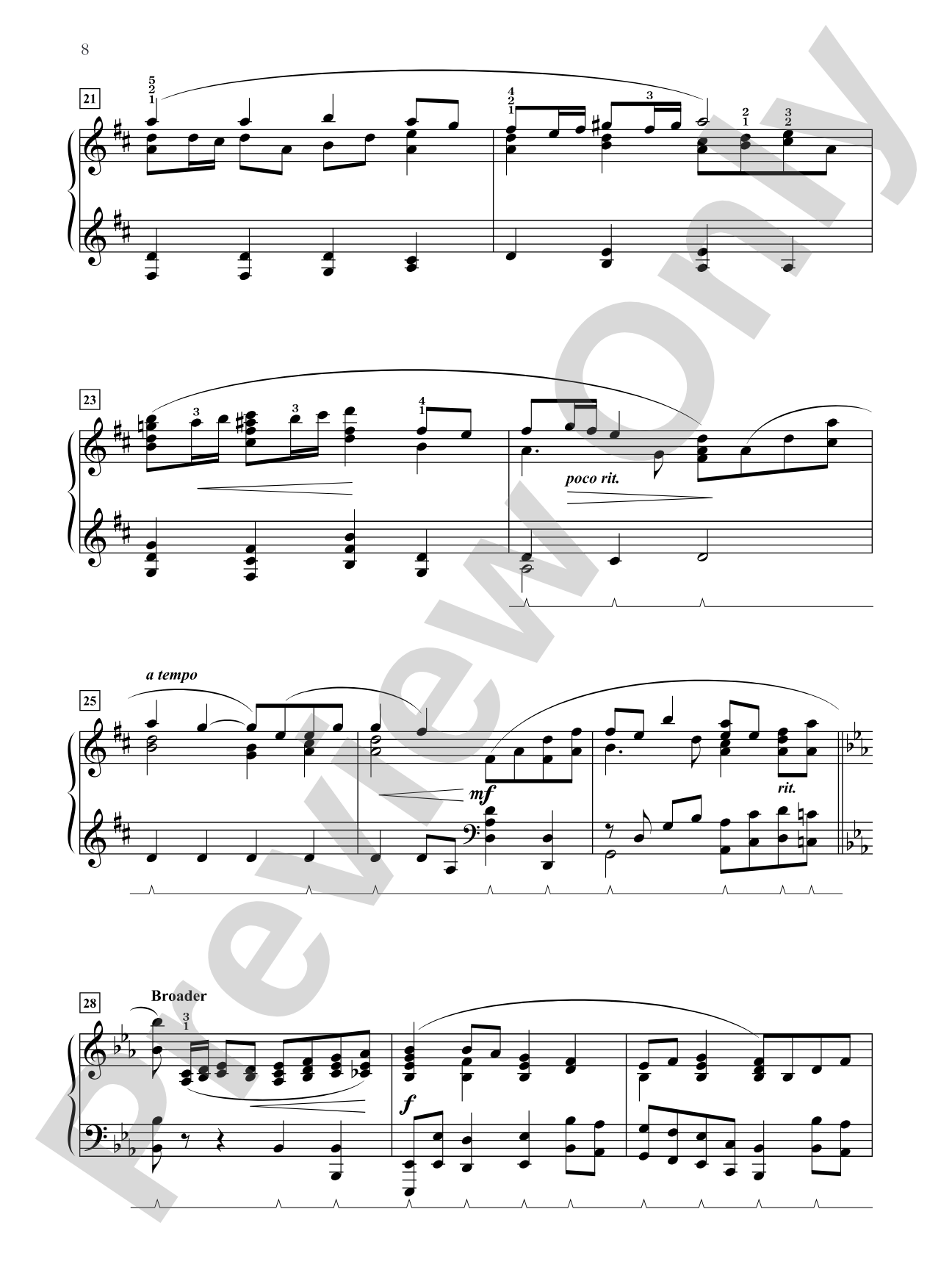
What Can I Play on Sunday? is a series of six books, each book designed for busy pianists who may have limited rehearsal time. Book 5 includes selections for holidays and holy days that occur during September and October, including World Communion Sunday, Laity Sunday, Reformation Sunday and Communion, as well as several general hymns. Titles: Amazing Grace * Christ Is Made the Sure Foundation * Jesus, Lord, We Look to Thee * Must Jesus Bear the Cross Alone * My Lord, What a Morning * Rejoice, the Lord Is King * Stand Up, Stand Up for Jesus * Take the Name of Jesus with You * There Is a Fountain * 'Tis So Sweet to Trust in Jesus. A Federation Festivals 2024-2028 selection.


What Can I Play on Sunday?, Book 5: September & October Services: 10 Easily Prepared Piano Arrangements: Piano isn't in MakeMusic Cloud just yet...but it could be. Let us know you'd like to see it, and you'll help shape what comes next. In the meantime, start a free trial and dive into thousands of interactive titles your students can play along with today.
Request This Title
Tell us you want it.
Start Your Free Trial
Explore everything that's ready to play right now.
Sample Audio
No sample audio found.
Sample Video
No sample videos found.
Additional Details
Series:
Sacred Performer Collections
Publisher:
Alfred Music
Page Count:
40
SKU:
00-PB-0000884
More about this title
About the Arranger: Cindy Berry

Cindy Berry is a composer and arranger based in Texas whose sacred works span choral literature, children's musicals, and keyboard collections. A Houston Baptist University graduate, she has built a career leading composer workshops and clinics across the country while maintaining a steady stream of ASCAP-recognized compositions. Her work as both a church pianist and children's choir director informs her understanding of what musicians actually need in real congregational and educational settings.
Why we love this
Berry's arrangements respect the hymn texts and melodic integrity that congregations know while giving pianists genuinely musical material to play. The collection's timing for fall services means you have 10 pieces already vetted and ready, eliminating the scramble that comes with September's suddenly full calendar. Late intermediate writing keeps the technical demands reasonable without sacrificing harmonic interest or liturgical appropriateness.
What to expect
These arrangements sit comfortably between congregational hymn and intimate recital music, honoring the spiritual weight of each text while offering pianists moments of musical color and independence. The writing feels conversational rather than ornate, with familiar melodies grounded in warm, supportive harmonic language.
Who it's for
Church pianists and organists juggling multiple Sunday services who need reliable, musically substantial material that doesn't demand weeks of preparation. Late intermediate players who want to expand beyond basic hymn settings without moving into advanced concert repertoire.
How to get the most out of it
- Establish a steady harmonic foundation in the left hand before adding the melodic embellishment; these arrangements reward clarity over speed.
- Listen for where Berry uses open spacing versus thicker voicing to signal emotional shifts in the text.
- Practice the hymn melody in your mind before beginning technical passages so the underlying tune remains audible throughout.
- Use the Federation Festivals standards as a reference for tempo and phrasing choices, which helps consistency across multiple services.
How to use it
Book 5 works perfectly for the fall worship calendar, with pieces aligned to specific observances (Reformation Sunday, World Communion Sunday) alongside settings of beloved general hymns for regular Sundays. Consider pairing selections from this collection with vocal arrangements or congregational singing to create cohesive service music that supports rather than competes with the liturgy.
Skills your students will build
- Harmonic accompaniment writing and voice leading
- Balancing melody with accompaniment texture
- Sight-reading moderately complex rhythmic and harmonic patterns
- Interpreting sacred text through musical choices
- Playing hymn-based music with liturgical appropriateness