
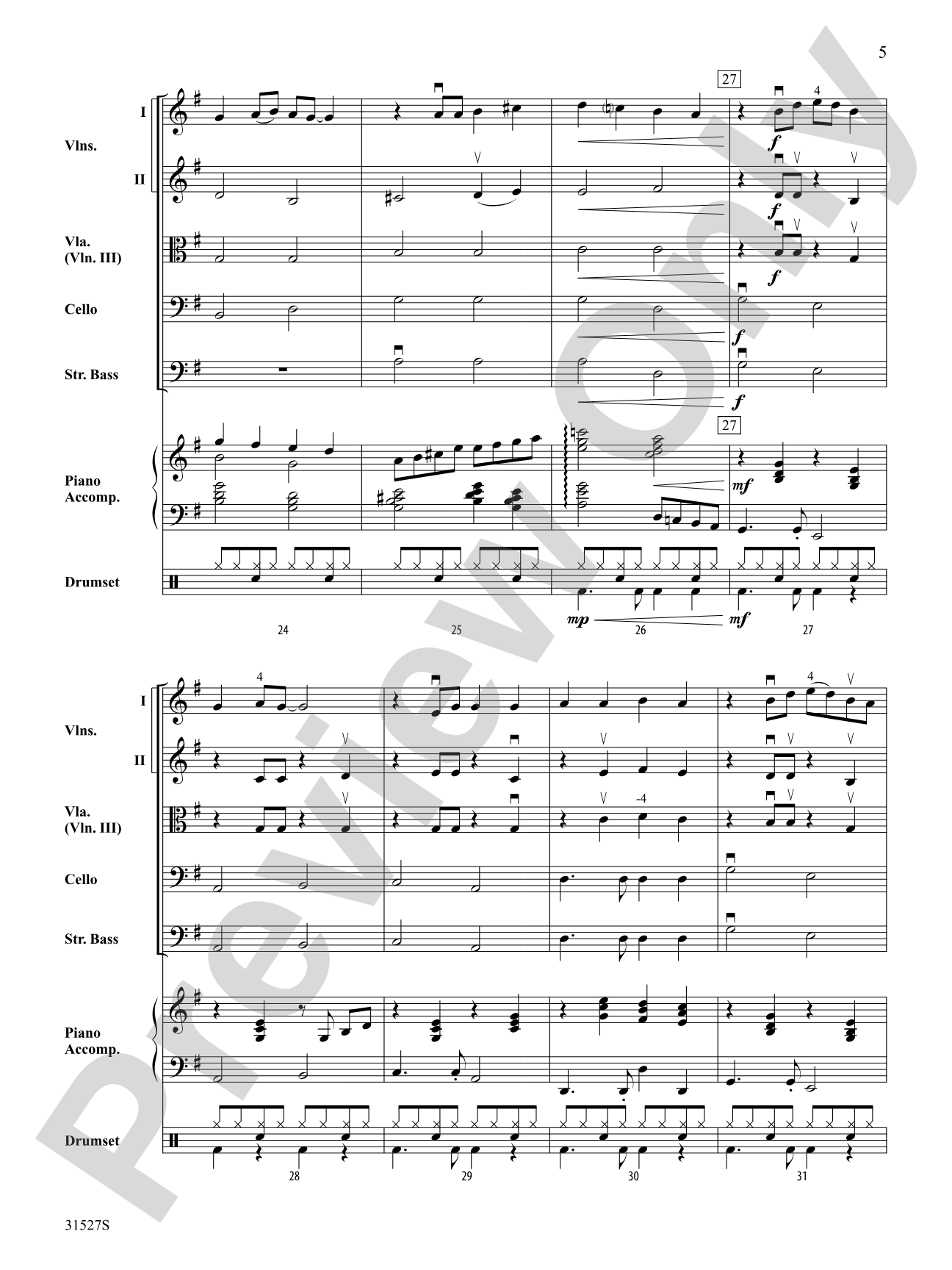
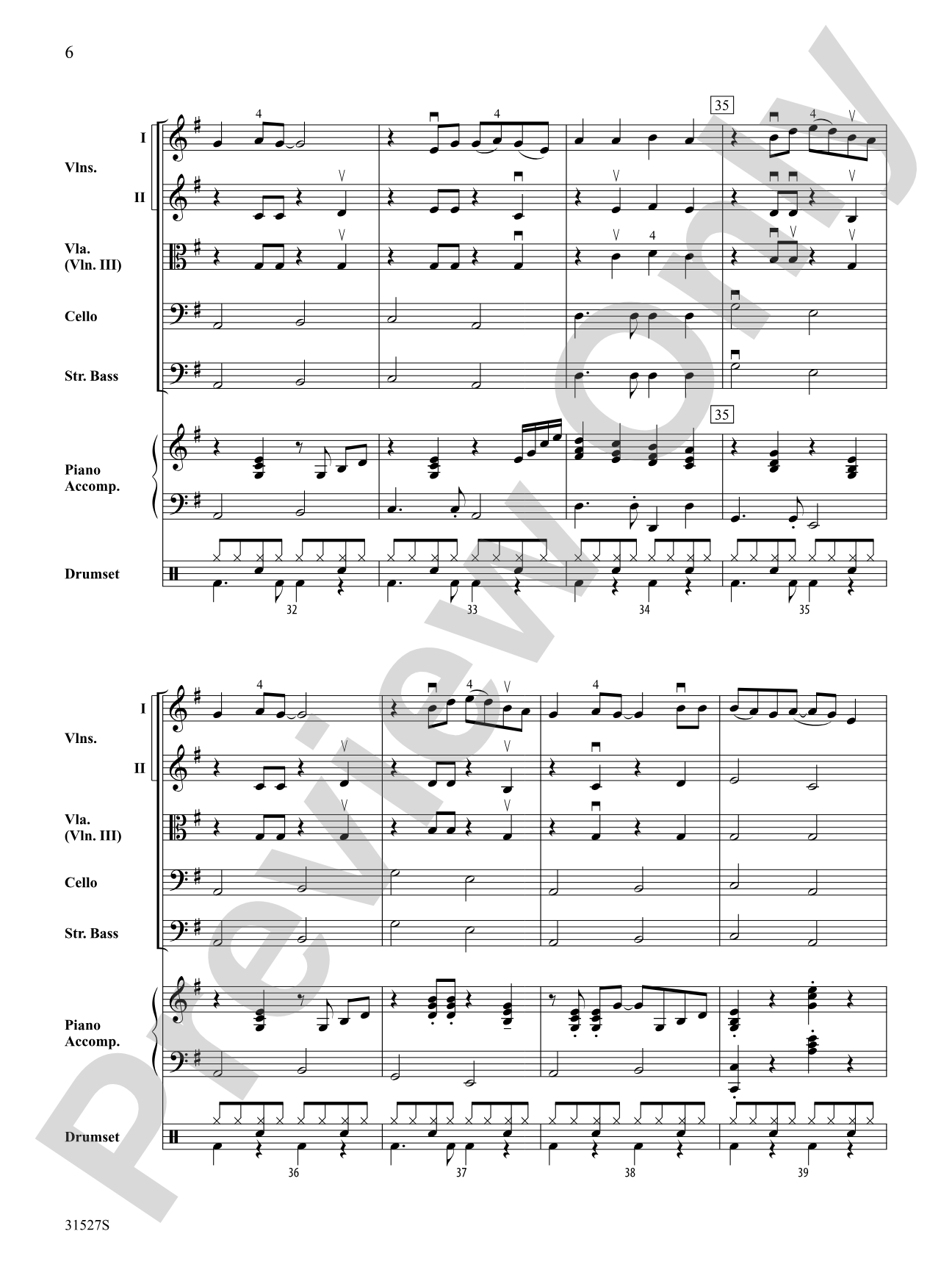
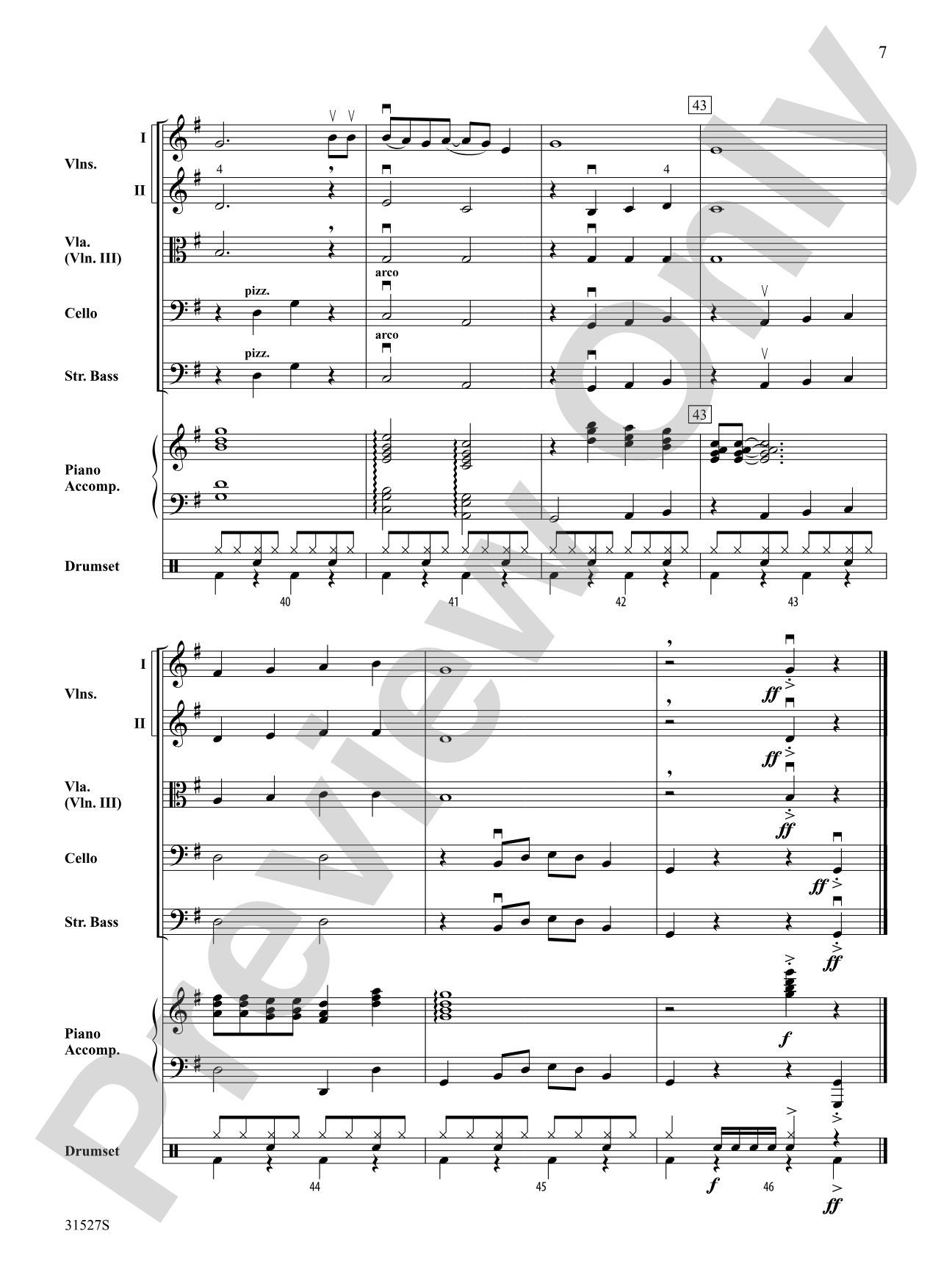


(What A) Wonderful World: String Orchestra Conductor Score & Parts
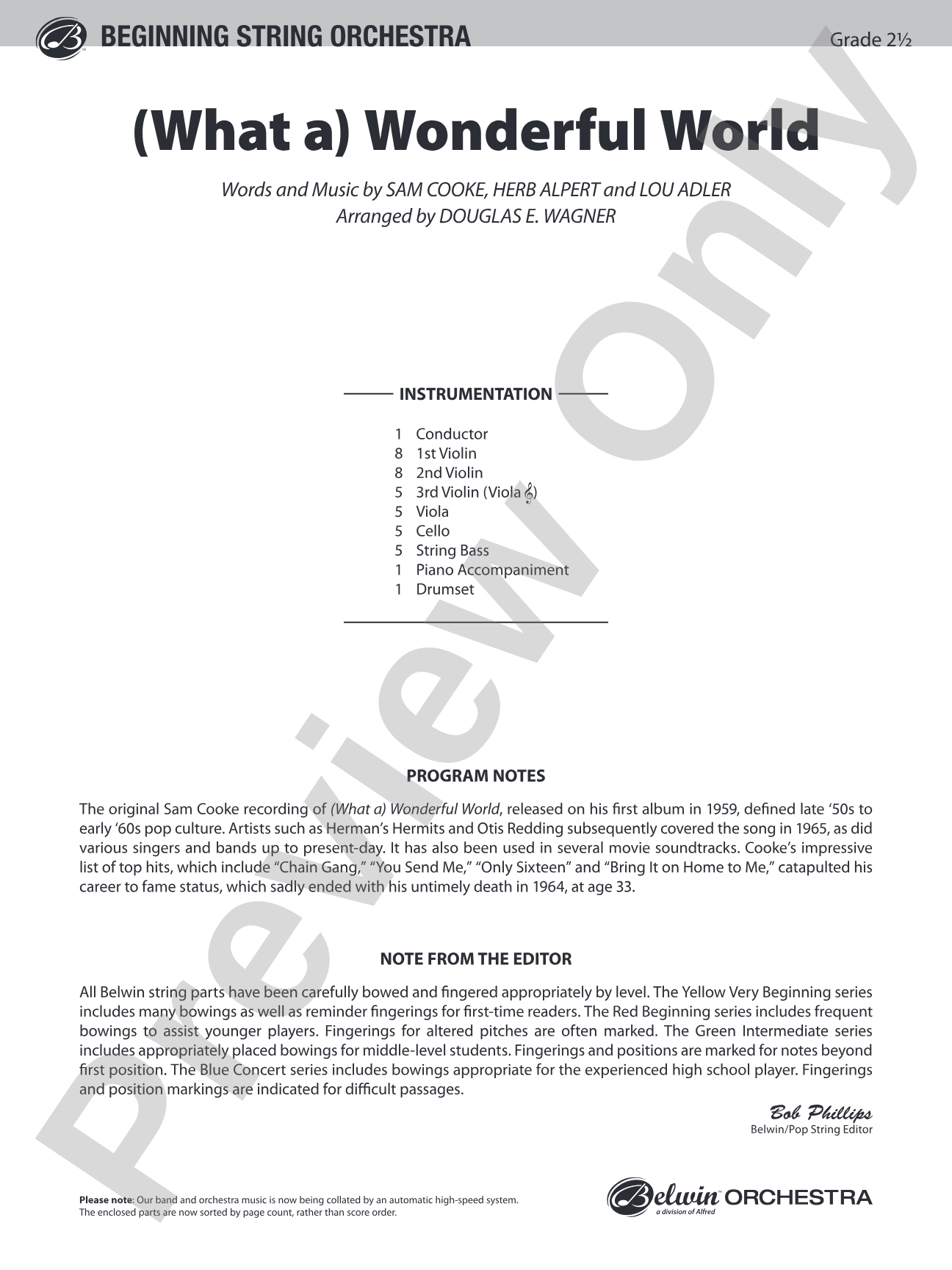
Words and music by Sam Cooke, Herb Alpert, and Lou Adler / arr. Douglas E. Wagner
Grade: 2.5
Item: 00-PK-0001726

$45.00
Pickup currently not available
Buy Extra Parts (Digital PDF Download)
| Product | Price | Quantity |
|---|---|---|
| (What A) Wonderful World: Score | $9.00 | |
| (What A) Wonderful World: 1st Violin | $7.99 | |
| (What A) Wonderful World: 2nd Violin | $7.99 | |
| (What A) Wonderful World: 3rd Violin (Viola [TC]) | $7.99 | |
| (What A) Wonderful World: Viola | $7.99 | |
| (What A) Wonderful World: Cello | $7.99 | |
| (What A) Wonderful World: String Bass | $7.99 | |
| (What A) Wonderful World: Piano Accompaniment | $7.99 | |
| (What A) Wonderful World: Drums | $7.99 |
Parts Added to Cart!
Related Items
(What a) Wonderful World: Concert Band Conductor Score & Parts |
$55.00
|
View | |
(What a) Wonderful World: Concert Band Conductor Score |
$9.00
|
View | |
(What a) Wonderful World: String Orchestra Conductor Score & Parts |
$45.00
|
View | |
(What a) Wonderful World: String Orchestra Conductor Score |
$9.00
|
View |
Description
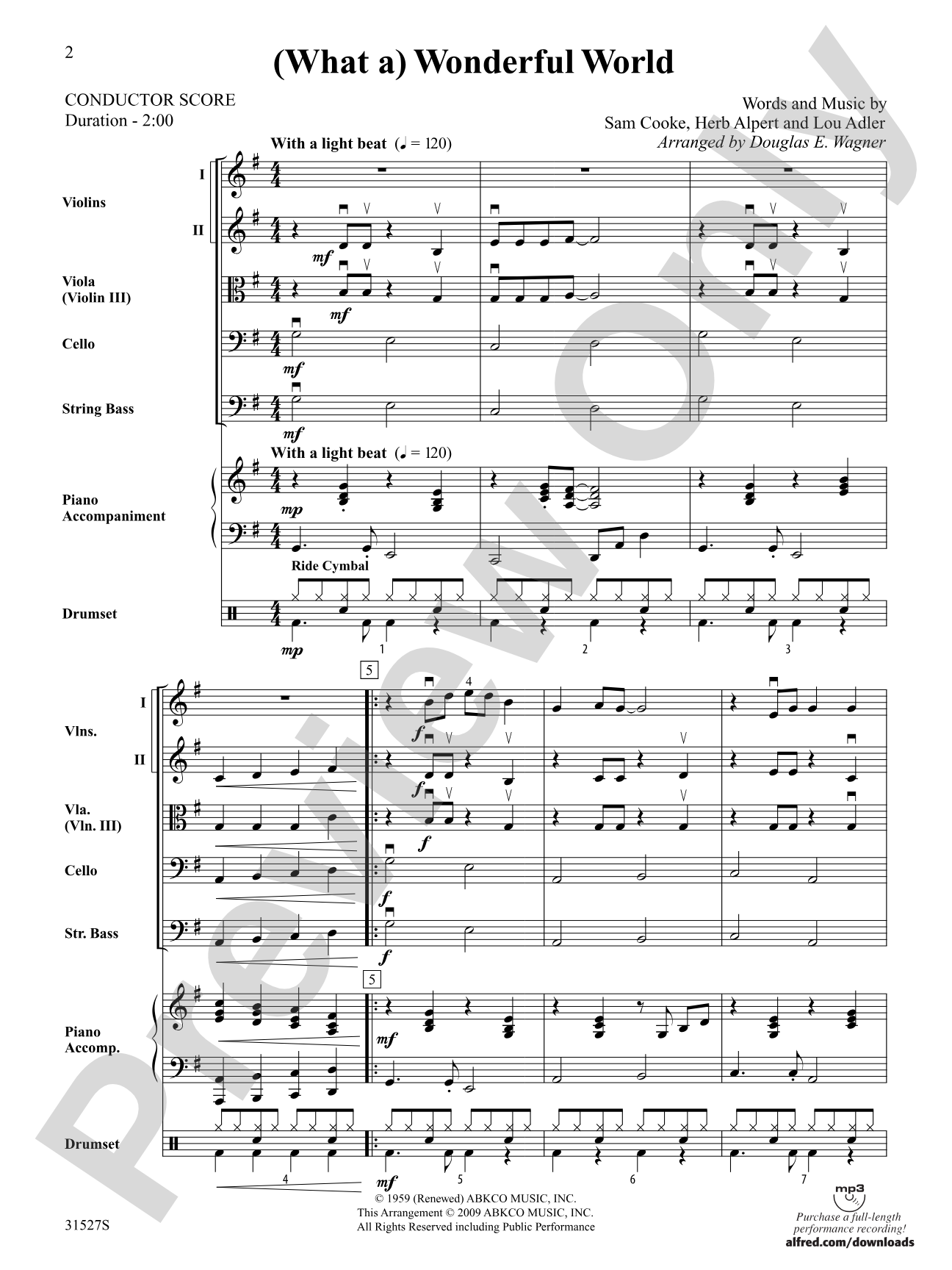
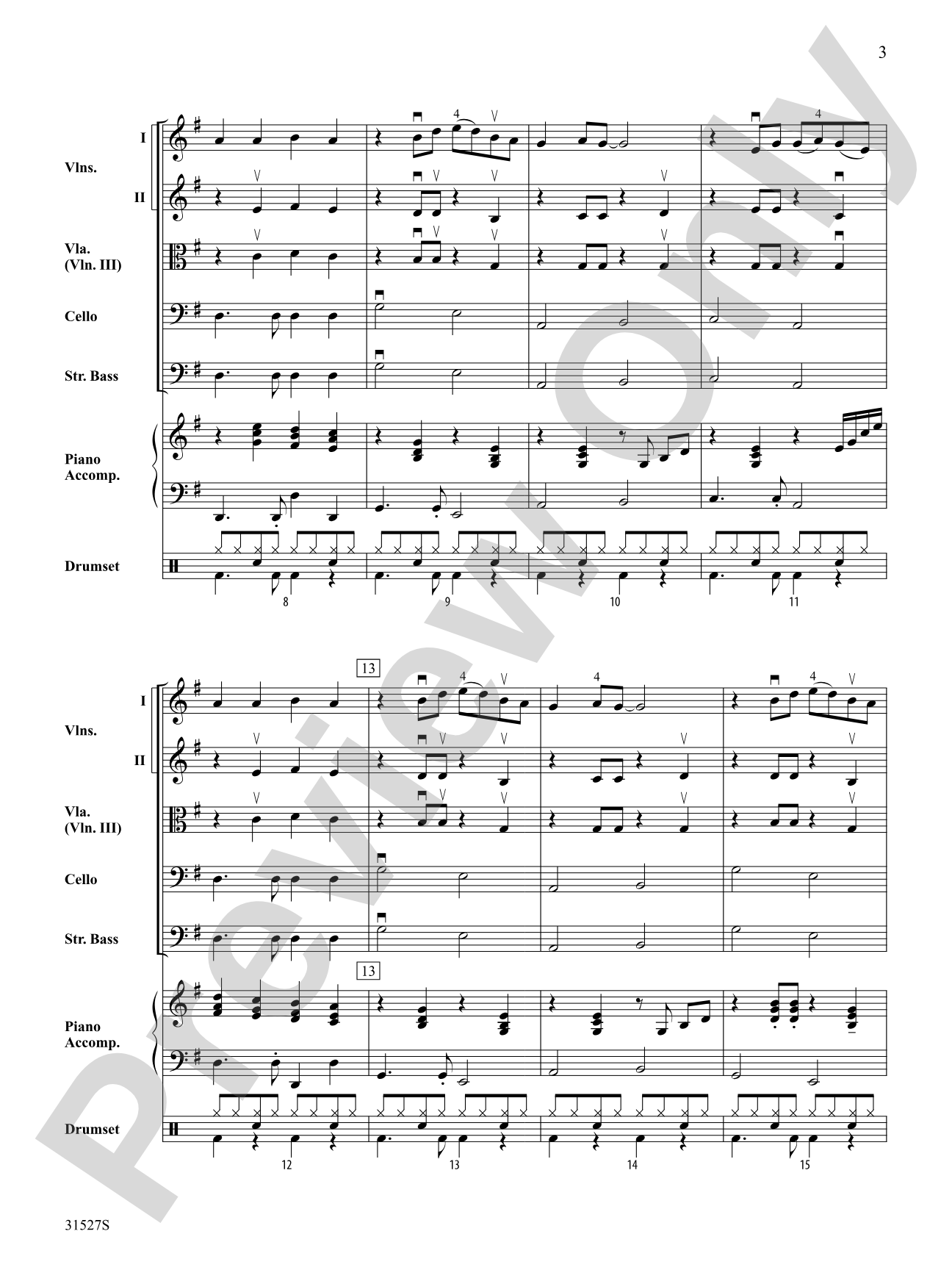
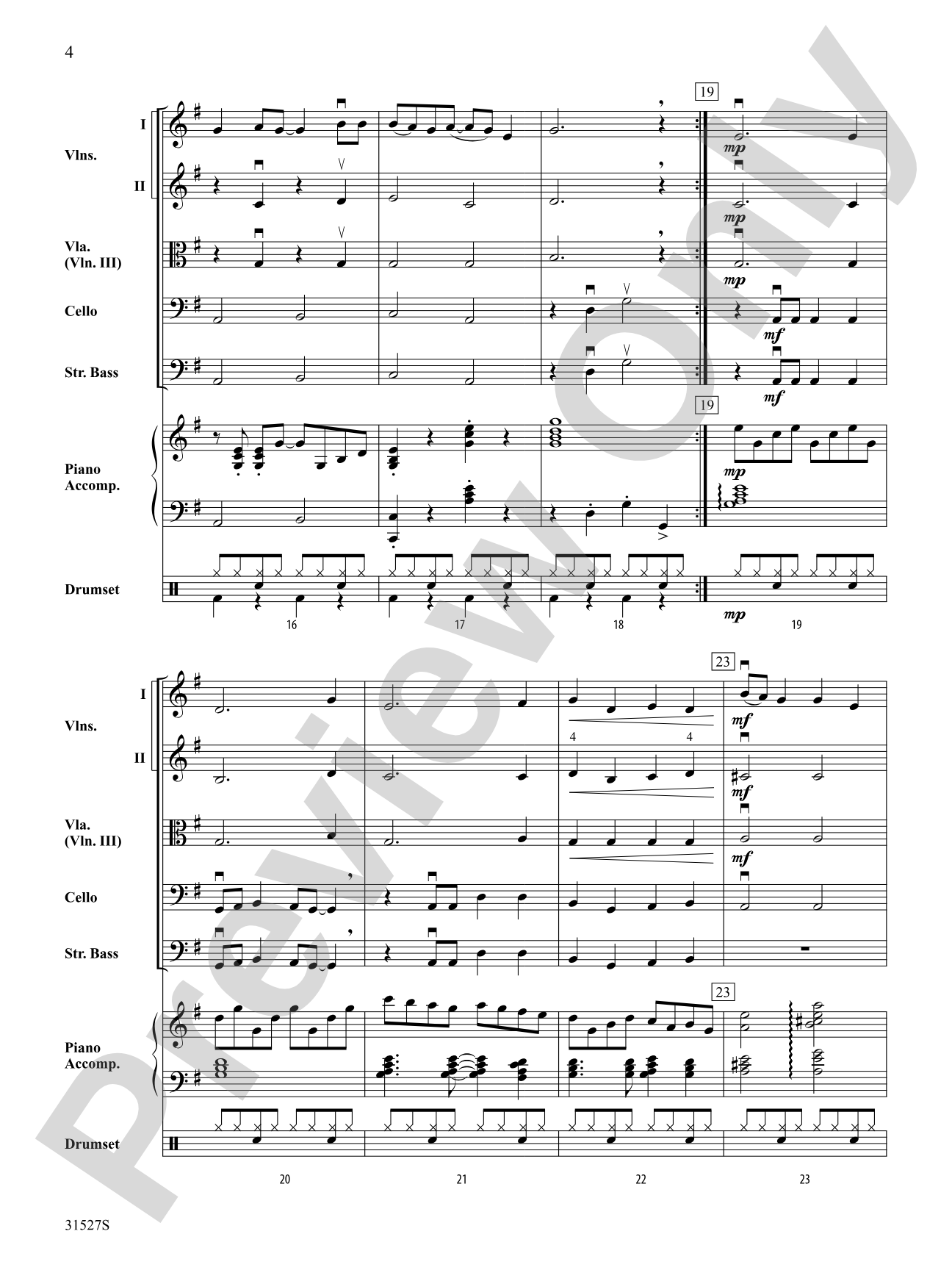
Covered by bands of all types, this "wonderful" piece has been arranged perfectly for young players. Audiences of any age will delight in this tune and, most likely, will sing along!


Don't just read it, hear it, play along with it, and watch your students grow with it. In MakeMusic Cloud, (What A) Wonderful World: String Orchestra Conductor Score & Parts comes alive with professional accompaniment, adjustable tempo, and built-in practice tools that turn solo practice into real progress.
Open in the Player
Jump straight in and assign it today.
Start Your Free Trial
Open this title and explore the full library in minutes.
Sample Audio
1
Audio File
--:--
0:00
0:00
Sample Video
No sample videos found.
Additional Details
Series:
Pop Beginning String Orchestra
Publisher:
Alfred Music
Page Count:
78
SKU:
00-PK-0001726
More about this title
About the Composer: Sam Cooke
Sam Cooke emerged as one of the most influential soul singers and songwriters of the 1960s, bringing sophistication and crossover appeal to popular music. His compositions, including "(What A) Wonderful World," demonstrated his gift for crafting melodies that transcend genre and generation, earning him recognition as a pivotal figure in American popular music history.
Why we love this
Douglas E. Wagner's arrangement captures the warmth and accessibility of this beloved standard without sacrificing musical substance. Young string players get to inhabit a piece their audiences will recognize instantly, creating an immediate emotional connection that motivates ensemble playing and builds confidence. The Grade 2.5 voicing ensures technical feasibility while preserving the song's inherent charm and melodic integrity.
What to expect
Warm, unhurried, and deeply human. The arrangement preserves the original's conversational quality, inviting listeners into a moment of reflection and gentle joy. Every player contributes to creating an embracing sound that feels both sophisticated and inviting.
Who it's for
String orchestras in Grades 2-4 seeking repertoire that connects with audiences beyond the rehearsal room. This arrangement works equally well for middle school ensembles building foundational skills and for youth orchestras looking to program accessible popular material alongside traditional repertoire.
How to get the most out of it
- Balance the melody between first violins and supporting voices so the tune remains clearly singable for audience members following along.
- Shape the phrases with gentle dynamic contours rather than playing straight; the piece thrives on rubato and expressive breathing typical of the original vocal performance.
- Attend to intonation in the lower strings during sustained harmonic passages, where slight pitch drift becomes noticeable against the melody.
- Let the cello and bass lines breathe with the melody rather than lock rigidly; conversational phrasing between voices brings out the song's soulful character.
How to use it
Position this as a closer or penultimate piece on spring or graduation concerts where you want to send audiences home feeling uplifted and connected. It pairs naturally with contemporary pop arrangements and works beautifully as a transition between more formally structured concert selections and a relaxed finale.
Skills your students will build
- Singing tone production in string instruments
- Balancing melody with harmonic accompaniment
- Ensemble phrasing and rubato in unmetered passages
- Sustaining intonation in slower harmonic contexts
- Connecting emotionally to a recognizable cultural text