Were You There? Cover Image

Were You There?: SATB, <I>a cappella</I> Choral Octavo

$2.25 USD
Sale price  $2.25 USD Regular price 
Skip to product information
Were You There? Cover Image

Were You There?: SATB, a cappella Choral Octavo

Spiritual / arr. Harry T. Burleigh

Level: Moderate

Item: 00-FCC00592

makemusic Cloud badge

Need it now?

Buy Digital Version
$2.25
Shipped

One moment…

Description

Don't just read it, hear it, play along with it, and watch your students grow with it. In MakeMusic Cloud, Were You There?: SATB, a cappella Choral Octavo comes alive with professional accompaniment, adjustable tempo, and built-in practice tools that turn solo practice into real progress.

Sample Pages

Sample Audio
No sample audio found.
Sample Video
Additional Details
Series: Alfred Archive Edition: Franco Colombo Catalog
Publisher: Alfred Music
Page Count: 8
UPC: 029156155082
SKU: 00-FCC00592

More about this title

About the Arranger: Harry T. Burleigh
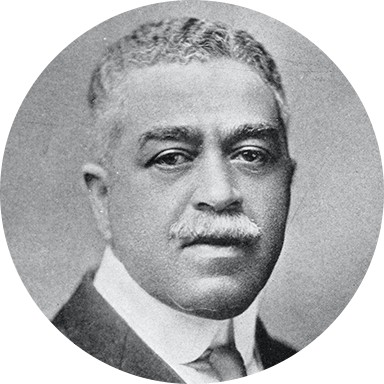
Harry T. Burleigh

Harry Thacker Burleigh (1866–1949) was an American baritone soloist, composer, and arranger whose work fundamentally shaped how African American spirituals were preserved and performed in concert settings. During his studies at the National Conservatory of Music in New York, Burleigh sang spirituals for his teacher Antonín Dvořák, introducing the Bohemian master to the depth and sophistication of Black American vocal traditions. Burleigh's long tenure as a church soloist in New York City (St. George's Church from 1894–1946 and Temple Emanuel from 1900–25) gave him a platform to elevate spirituals beyond their origins into the concert hall, securing their place in the art song tradition.

Over his lifetime, Burleigh composed more than 200 songs and created dozens of spiritual arrangements that remain standards in choral and vocal repertoire. His arrangements balance fidelity to the spiritual tradition with the formal structures of classical music, creating works accessible to trained singers while honoring the emotional and spiritual power of these essential American songs.

Why we love this

Burleigh's arrangement grounds this spiritual in close harmonies and voice-leading that requires singers to listen intently to one another, building genuine blend and tuning awareness. The four-part writing is neither oversimplified nor precious; it respects both the spiritual tradition and singers' growing musicianship at the intermediate level. Performed a cappella, it places full responsibility for shape, breath, and emotional communication on the choir itself.

What to expect

There is a hushed, contemplative quality to Burleigh's setting that invites singers and listeners into a moment of witness and reflection. The close harmonies create an intimate sound, as if the choir has gathered to pose the urgent question together, with spare textures that allow the profound theological weight of the text to emerge fully. The a cappella context removes any musical barrier between the singers' voices and the listener's direct engagement with the spiritual tradition.

Who it's for

This arrangement works well for intermediate mixed choirs (high school through community levels) who have developed basic blend and harmonic awareness but still benefit from straightforward voice-leading. Directors looking for a spiritually meaningful and historically grounded addition to Lenten or spring programming will find this highly rewarding. The moderate difficulty makes it accessible for singers still building independence in four-part writing.

How to get the most out of it

  • Shape the phrase arcs in each section deliberately; the spiritual tradition emphasizes lyrical singing even in parts marked soft, never allowing dynamics to undermine the emotional trajectory
  • Establish a clear tuning reference before rehearsal begins (use pitch pipes or a keyboard to set the key) since a cappella singing will drift without regular checks
  • Balance soprano and alto lines equally so neither dominates; the dialogue between upper voices carries the harmonic color Burleigh wrote
  • Allow time for the choir to move through the emotional content of the text; this piece demands singers understand they are witnessing and responding to a profound historical moment

How to use it

This piece is essential for Lenten programming and works equally well in spring sacred concerts or spirituals-focused programs where it can stand alongside other Burleigh arrangements. Its eight-page length and moderate difficulty make it suitable as a centerpiece of a shorter concert or as a thoughtful anchor for a program pairing spirituals with other American sacred music. The a cappella format makes it versatile: it can close a program with quiet power or open one with focused intensity.

Skills your students will build

  • Singing sustained a cappella lines without external harmonic support
  • Balancing four-part SATB voice distribution and avoiding doubling imbalances
  • Reading and interpreting text-driven phrasing in a spiritual tradition context
  • Tuning four-part harmony with minimal external reference
  • Responding to the emotional and historical weight of spirituals in performance

You May Also Like
