We're the Future of Tomorrow Cover Image

We're the Future of Tomorrow: 2-Part Choral Octavo

$2.25 USD
Sale price  $2.25 USD Regular price 
Skip to product information
We're the Future of Tomorrow Cover Image

We're the Future of Tomorrow: 2-Part Choral Octavo

Music by Patsy Ford Simms

Item: 00-5791

makemusic Cloud badge

Need it now?

Buy Digital Version
$2.25
Shipped

One moment…

Description
What a wonderful musical image: "We're the future of tomorrow; let us lift our voices high." Features strong but easy counterlines, building to a majestic finish. A favorite by Patsy Ford Simms. Perfect for spring concerts or graduation ceremonies.

Don't just read it, hear it, play along with it, and watch your students grow with it. In MakeMusic Cloud, We're the Future of Tomorrow: 2-Part Choral Octavo comes alive with professional accompaniment, adjustable tempo, and built-in practice tools that turn solo practice into real progress.

Sample Pages

Sample Audio
0:00
0:00
Sample Video
Additional Details
Series: Alfred Archive Edition: Alfred Choral Designs
Publisher: Alfred Music
Page Count: 8
UPC: 038081016566
SKU: 00-5791

More about this title

About the Composer: Patsy Ford Simms
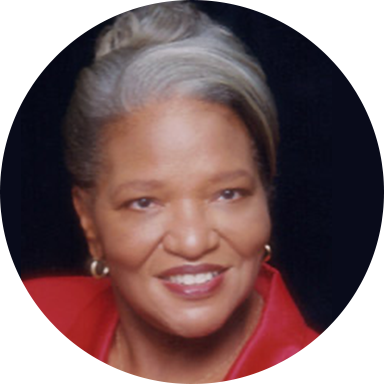
Patsy Ford Simms

Patsy Ford Simms began her composing and arranging career out of practical necessity: during her early years teaching junior high and middle school, she found few choral octavos suited to young voices. Since her first publication in 1981, she has created over 300 songs for educational and church settings, working with major publishing houses including Shawnee Press. Her work has earned multiple ASCAP Special Music Awards and two of her compositions were selected for MENC World's Largest Concerts.

Simms holds a Bachelor of Science in Music Education from Knoxville College, a Master of Education from the University of Louisville, and a doctorate in Music Education from Columbia Pacific University. Over three decades, she taught students from kindergarten through twelfth grade, including a tenure at the Youth Performing Arts School. Beyond the classroom, she has established an international reputation as a clinician and presenter, with engagements in Italy and Africa. Her commissioned works include several short musicals exploring African American history.

Why we love this

Simms writes with a clear understanding of what young singers can accomplish without strain. The counterlines move independently and remain singable, which means your choir stays engaged rather than fighting awkward intervals or range issues. The text carries real weight about voice and purpose, and when the piece builds to that majestic finish, students feel like they've accomplished something meaningful together.

What to expect

There's optimism woven throughout this piece, supported by the clear imagery of young voices lifting together in shared purpose. The easy counterline creates a sense of independence and mutual support rather than competition between parts. By the majestic finish, the piece feels celebratory without bombast, leaving singers and listeners with a sense of accomplishment.

Who it's for

This octavo works beautifully for middle school and early high school choirs, particularly ensembles with developing singers who benefit from straightforward part-writing and encouraging text. It's equally suited to community youth choirs and church programs looking for accessible but polished repertoire. Directors seeking a meaningful closer for spring or graduation concerts will find this piece both singable and emotionally resonant.

How to get the most out of it

  • Balance the two parts evenly during the opening phrases so the counterline doesn't disappear; this ensures both voices carry the melodic interest equally.
  • Shape the phrase "let us lift our voices high" with a gradual crescendo that mirrors the text's aspirational energy rather than hitting dynamics all at once.
  • Use the recorded accompaniment to establish the harmonic context during rehearsals, but gradually reduce reliance on it so singers internalize their own part security.
  • Mark breath points carefully with your singers; even in a majestic finish, natural phrasing prevents tension and keeps the tone open through longer passages.

How to use it

Program this as a spring or graduation concert closer where its message about the future lands with full impact on families and community members. It also serves well as a bridge piece between less ambitious and more challenging repertoire in a single concert, building confidence before tackling more complex works. For graduation ceremonies specifically, the piece offers polish and meaning without demanding excessive rehearsal time from singers focused on academics and other activities.

Skills your students will build

  • Singing independent melodic lines while maintaining harmonic balance
  • Shaping longer phrases with intentional dynamics and breath placement
  • Building confidence in two-part singing before advancing to three- or four-part arrangements
  • Connecting text expression to musical shape and ensemble blend

You May Also Like
