Waltz Sheet Music Preview

Waltz: Piano

By Charles Gounod / arr. Kevin Olson

Item: 98-DE1104

Digital Download
$4.95
Description
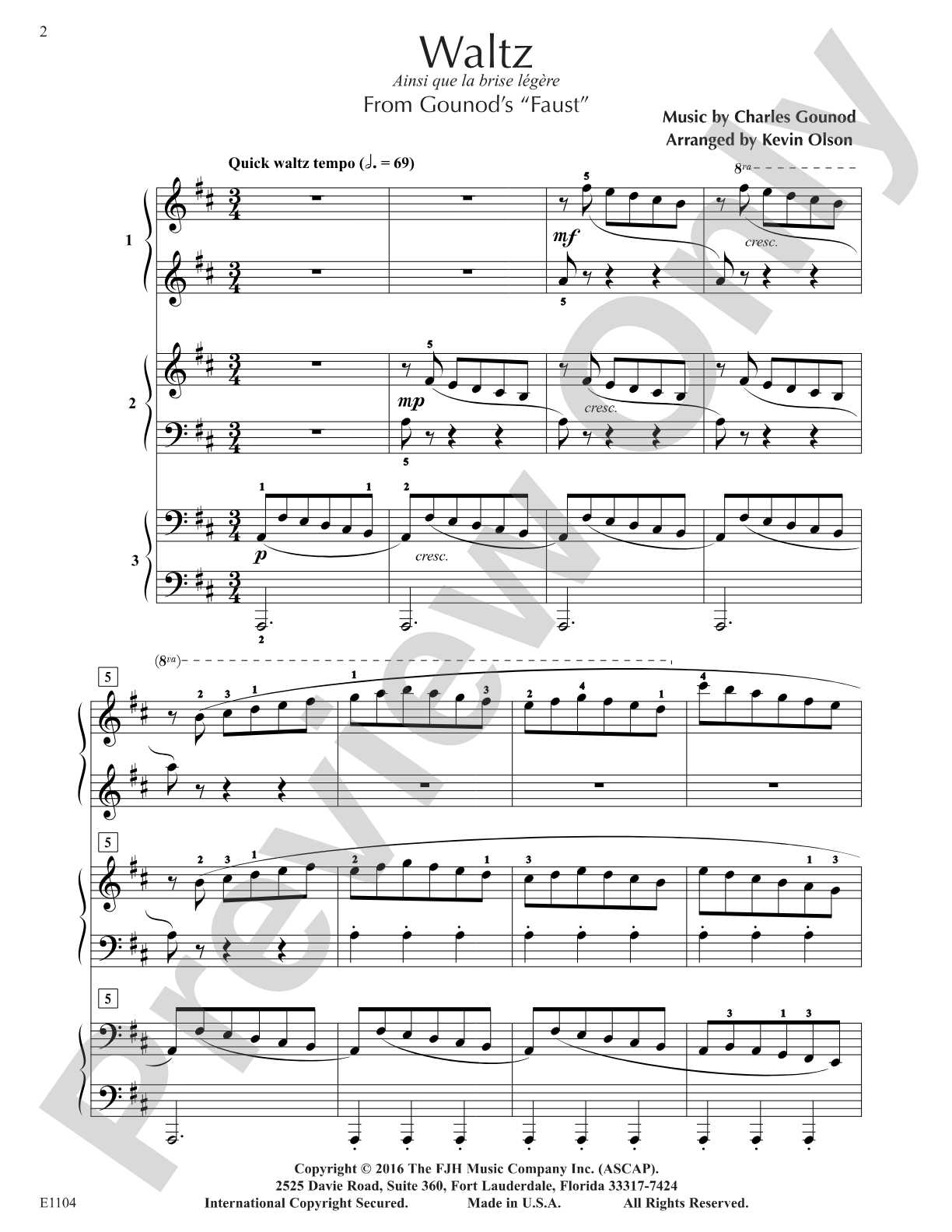
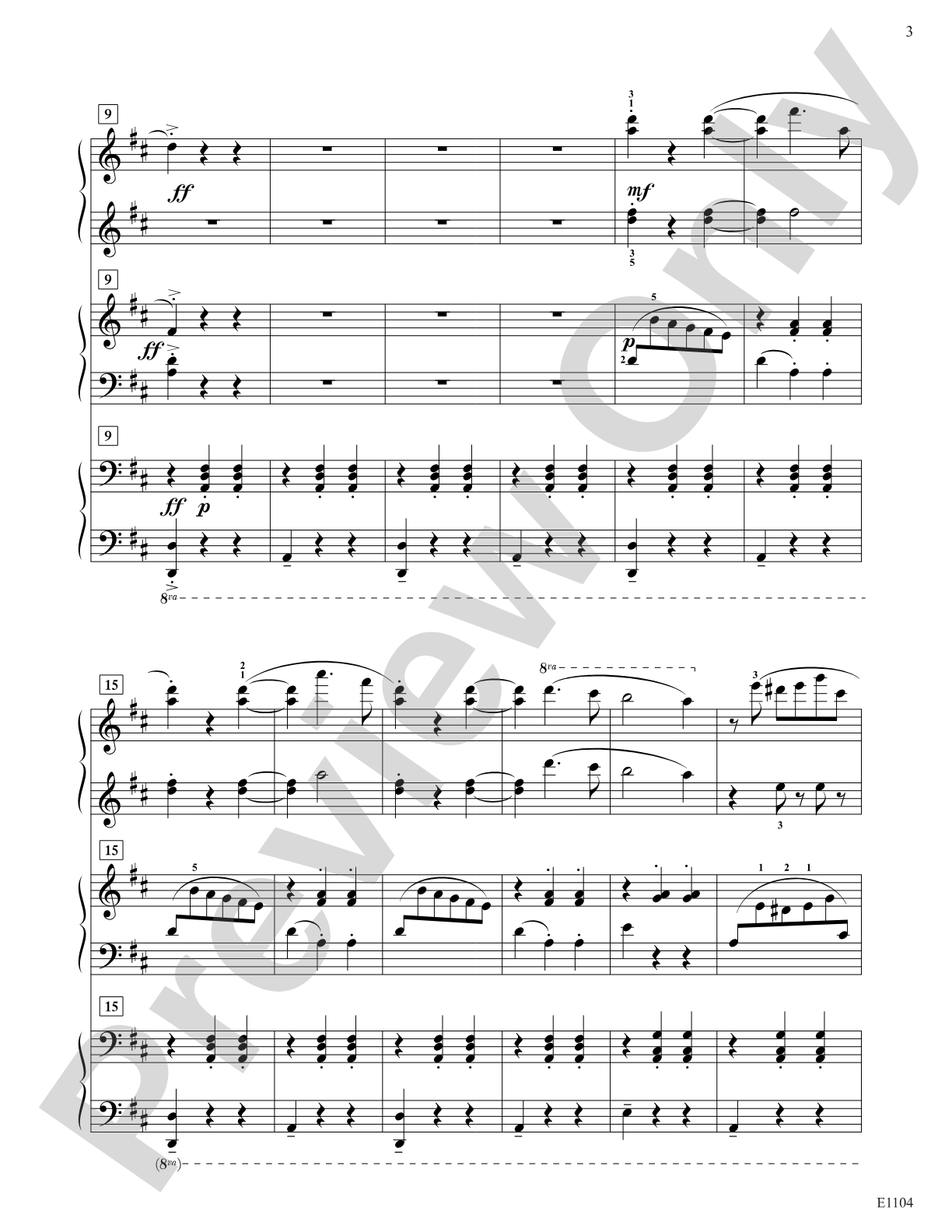
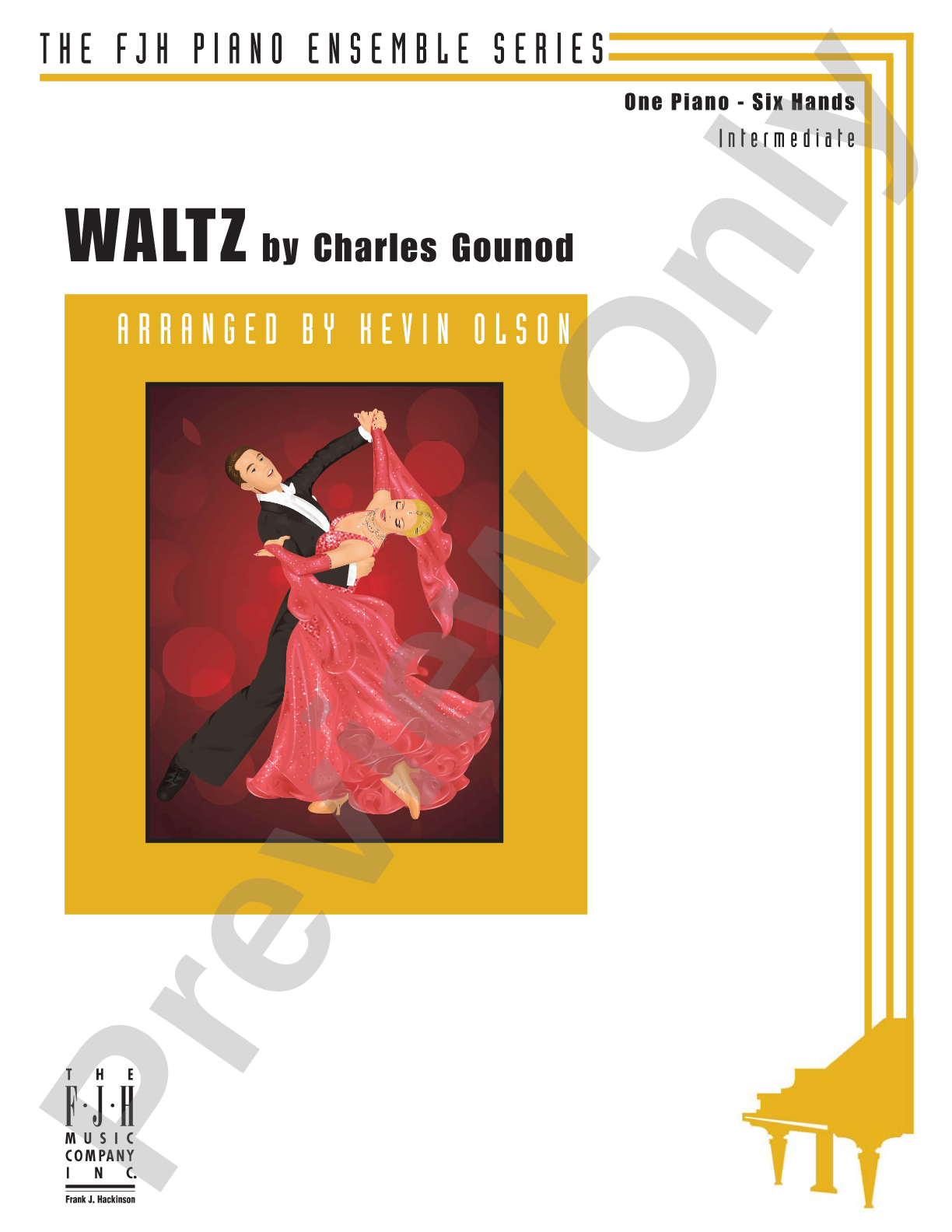
Charles Gounod’s 19th-century opera Faust had one super hit, the Waltz from the second act, also known as Ainsi que la brise légère. Three players on one piano join forces in this brilliant arrangement, where each pianist gets a chance to shine.

Waltz: Piano isn't in MakeMusic Cloud just yet...but it could be. Let us know you'd like to see it, and you'll help shape what comes next. In the meantime, start a free trial and dive into thousands of interactive titles your students can play along with today.

Sample Audio
No sample audio found.
Sample Video
Additional Details
Series: The FJH Piano Ensemble Series
Publisher: The FJH Music Company, Inc.
SKU: 98-DE1104

More about this title

About the Composer: Charles Gounod

Charles Gounod (1818, 1893) was a French composer whose gift for melody made him one of the most performed opera composers of the 19th century. His opera Faust remains a staple of international opera houses, and the Waltz from Act II has achieved a life entirely its own, transcribed and performed in concert halls, ballrooms, and now ensemble classrooms across generations.

Why we love this

This arrangement captures everything that made the original waltz so irresistible: a soaring, singable melody paired with elegant harmonic support. Having three pianists share the spotlight creates genuine ensemble responsibility without the technical ceiling that often limits intermediate repertoire. Each player matters equally, which keeps all three engaged and invested.

What to expect

Graceful and Romantic, with the kind of memorable melody that lingers after the final note. The arrangement invites you to inhabit the elegance of 19th-century ballroom culture while maintaining the musical intimacy of chamber music.

Who it's for

Intermediate pianists ready to collaborate in a trio setting. This works beautifully for students who have solid technical chops but need to develop listening skills and ensemble awareness. It's also ideal for teachers seeking concert-ready repertoire that audiences actually recognize and love.

How to get the most out of it

  • Balance the melody with the accompaniment voices so the lyrical line floats clearly without drowning out the harmonic foundation beneath it.
  • Establish a steady, graceful tempo before the first rehearsal; waltzes need rhythmic security to feel natural rather than mechanical.
  • Coordinate the pedaling across all three pianists, especially in passages where harmonic colors shift. Inconsistent pedal use fragments the sound.
  • Shape the phrases with subtle tempo flexibility at cadences without losing the waltz's inherent forward motion.

How to use it

Pair this with other Romantic-era lighter fare for a salon-style concert, or use it as a charming standalone piece that connects with audiences who may not attend classical concerts regularly. It also serves as an excellent ensemble-building experience mid-year when students need encouragement.

Skills your students will build

  • Balancing melody against accompaniment in a three-part texture
  • Maintaining steady waltz meter while shaping long lyrical phrases
  • Coordinating pedal changes across multiple pianists
  • Managing dynamic contrast within a fundamentally lyrical piece
  • Listening and responding to other ensemble members in real time

You May Also Like