Wade in the Water Cover Image

Wade in the Water: Jazz Ensemble Conductor Score

$9.00 USD
Sale price  $9.00 USD Regular price 
Skip to product information
Wade in the Water Cover Image

Wade in the Water: Jazz Ensemble Conductor Score

Spiritual / arr. Rick Hirsch

Grade: 2 (Medium Easy)

Item: 00-43674S

$9.00
Shipped

One moment…

Description
"Wade in the Water" is a gospel rock that should be played around 148 BPM featuring a slow chorale introduction and modest brass ranges. Check out the written solos for alto 1, trombone 1, and trumpet 1. A great chart for all occasions. (3:04)

Wade in the Water: Jazz Ensemble Conductor Score isn't in MakeMusic Cloud just yet...but it could be. Let us know you'd like to see it, and you'll help shape what comes next. In the meantime, start a free trial and dive into thousands of interactive titles your students can play along with today.

Sample Pages

Sample Audio
No sample audio found.
Sample Video
Additional Details
Series: Young Jazz Ensemble
Publisher: Alfred Music
Page Count: 16
ISBN10: 1-4706-7754-7
ISBN13: 978-1-4706-7754-1
UPC: 038081494753
SKU: 00-43674S

More about this title

About the Arranger: Rick Hirsch
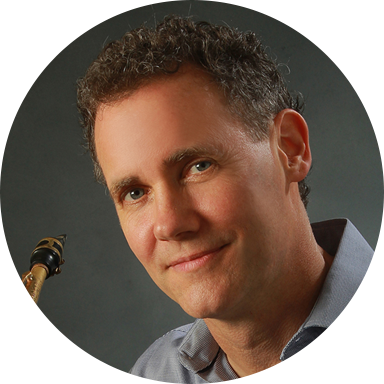
Rick Hirsch

Rick Hirsch studied composition at the University of Massachusetts-Amherst and earned his master's degree from Northern Illinois University. Early in his career, he worked as a personal music copyist for legendary jazz arrangers Bob Mintzer and Toshiko Akiyoshi, an apprenticeship that shaped his compositional voice. His original works and arrangements have been commissioned by jazz luminaries including Yusef Lateef and Eddie Henderson, and he has written for the Capitol Quartet and Penn State's Blue Band.

Hirsch remains active as a guest conductor for All-State and District Jazz Bands across the country. In 2017, his ensemble BIG OL' BAND released their debut album, Pocono Git-Down, a collection that highlights the thriving jazz communities outside major metropolitan areas.

Why we love this

Hirsch's arrangement respects the spiritual essence of this folk standard while anchoring it firmly in contemporary jazz language. The modest brass ranges and accessible Grade 2 voicings make it manageable for developing ensembles, yet the written solos for alto 1, trombone 1, and trumpet 1 give your stronger players material worthy of focused attention.

What to expect

The piece opens with the quiet reverence of a gospel choir in prayer, voices moving through slow-moving harmonies that feel timeless. When the tempo lifts and the rhythm section enters at 148 BPM, the energy shifts to a joyful, swinging celebration that feels both grounded in spiritual tradition and alive in the present moment.

Who it's for

Jazz ensemble directors working with Grade 2 ensembles who want accessible yet musically substantive arrangements. This is ideal for conductors seeking material that bridges devotional tradition and contemporary jazz idiom without compromising either.

How to get the most out of it

  • Honor the slow chorale opening by allowing the ensemble to settle into the harmonic sonority before the tempo shifts. This creates a strong emotional foundation for the gospel message.
  • Lock the rhythm section into the 148 BPM groove early in rehearsal; clarity in the drums and bass propels the swing feel that comes after the introduction.
  • Give your solo features individual rehearsal time. The written lines are idiomatic to each instrument and reward careful attention to articulation and phrasing.

How to use it

This works beautifully as a centerpiece for a concert that mixes sacred and secular jazz repertoire. Its 3:04 runtime and accessibility make it a strong opening number that sets a warm, inviting tone for the audience and balances naturally with up-tempo jazz standards or funk-based charts later in your set.

Skills your students will build

  • Playing with breath control and phrasing in slow harmonic movement
  • Executing written jazz solos with idiomatic articulation
  • Transitioning between hymn-like ballad and swing groove (60 BPM swing-feel feel to 148 BPM)
  • Balancing ensemble blend in gospel-influenced voicings
  • Reading rhythm section parts in a groove-based jazz context

You May Also Like